Walking to Warwick

The steamer left Brisbane for Ipswich on a Monday morning in September. The “Ipswich” was a side-wheeler with a rudder at each end, and a shallow draft for navigating difficult areas such as Seventeen Mile Rocks and the shoals of the Bremer River.

fullsizeoutput_3327
The “Ipswich”. Photo from the John Oxley Library collection, SLQ

Paddlewheels splashing rhythmically and smoke pouring from the tall funnel, the steamer made its way upstream, following the slow bends of the Brisbane River, past thickly-wooded, vine-draped banks that would one day become the suburbs of St Lucia, Chelmer and Fig Tree Pocket.

James Matthews probably stood on deck with a mug of coffee, watching the passing scenery and talking to his new boss, Benjamin Glennie.

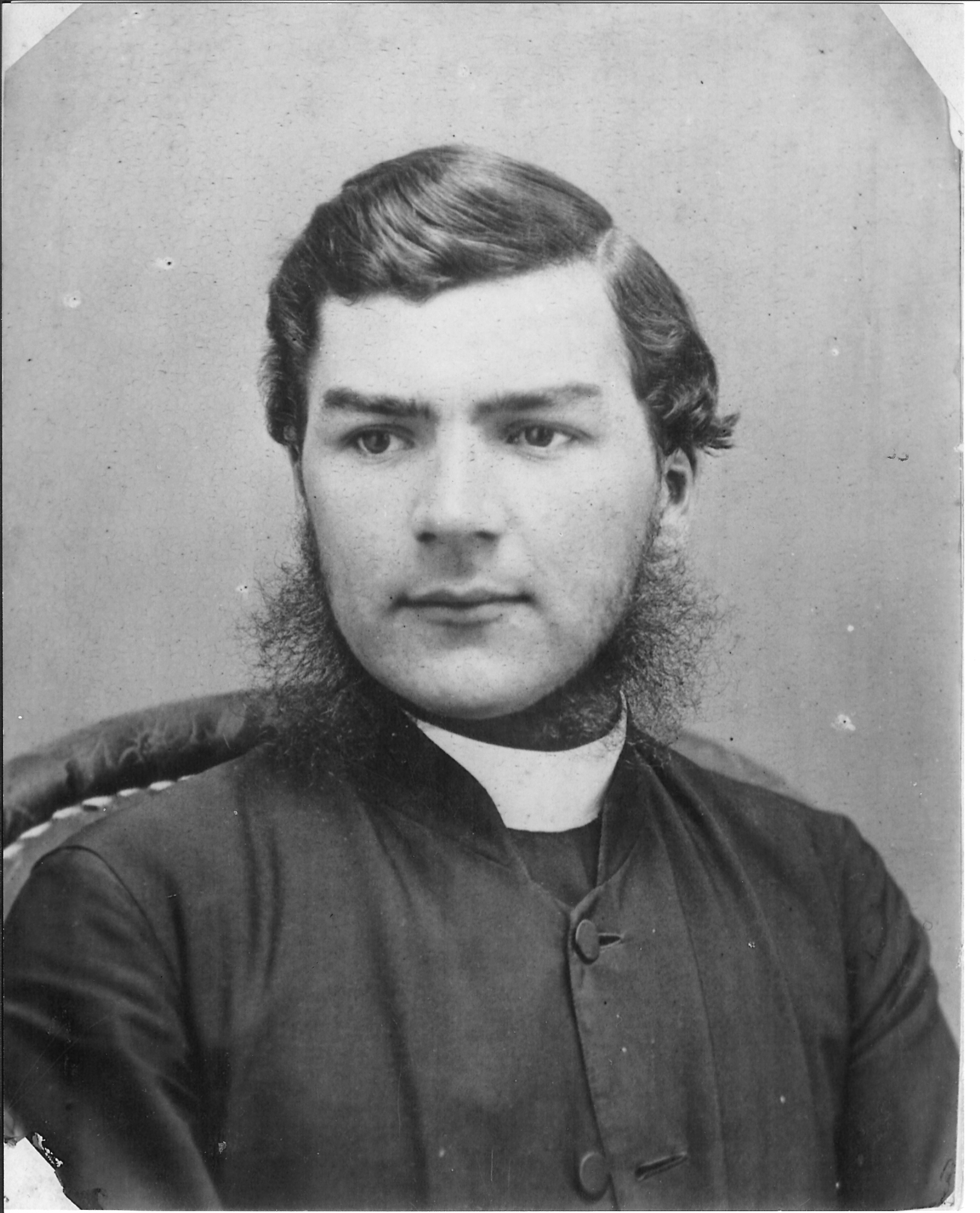
It was 1861, and the newly-independent state of Queensland was actively seeking English migrants. James, my great-great-grandfather, was one of them. Aged twenty-three and ordained only yesterday, he had come to Queensland to work in Warwick as a curate.

young james matthews James Matthews

For years Archdeacon Benjamin Glennie, now the rector of Warwick, had been the only Church of England clergyman on the Darling Downs. The eccentric Glennie loathed riding, so his travels around his huge parish were mostly done on foot, and this is how he and James would be travelling from Ipswich to Warwick. On foot.

Forty years later, in memory of Archdeacon Glennie, James described the trip in detail.[1]

On Monday morning, we started on our journey to Warwick, travelling to Ipswich in the steamer of the same name. The voyage occupied five hours.
The next morning the real work of our journey began. The Archdeacon’s old black horse was brought round and packed with a couple of valises and a pair of large saddle bags, consisting largely of my belongings, and off we trudged, the Archdeacon leading his horse.

That day they walked south for twenty kilometres, down the present-day Ipswich-Boonah Road. The two men would have encountered bullock teams dragging wool from the sheep stations, travellers on horseback and on foot, and the occasional buggy. Many would have recognised Benjamin Glennie. Perhaps they offered them a ride.

They spent that night with squatter William Watkins at Peak Mountain Station, near present-day Peak Crossing, its homestead set on a rise with a spectacular view towards Flinders Peak.

OLYMPUS DIGITAL CAMERA
Peak Station today

The following day we walked as far as Balbi’s, an accommodation house at the foot of the Range. 

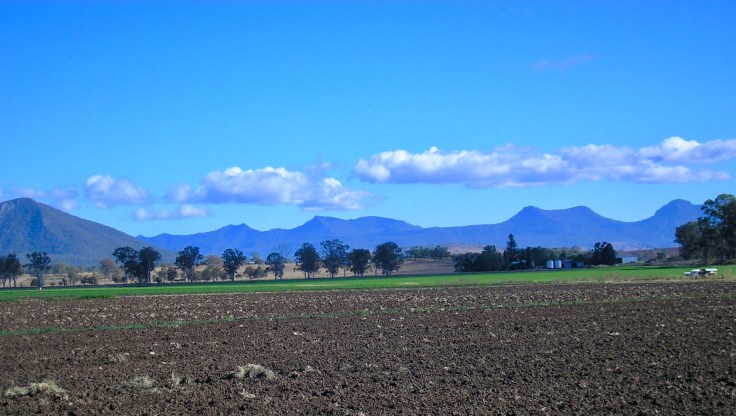
All that Wednesday, covering over thirty kilometres over flat land and gentle hills, they would have seen ahead of them, through the trees, glimpses of blue mountain ranges.

In 1861 there were Aboriginal people living in this area – probably Ugarapul people. The two men must have met them on the road, but James left no mention of it.

Ironically, most of the roads walked by Benjamin Glennie and James Matthews would have been based on ancient trails of the Indigenous people who had been walking this country side for many thousands of years.

OLYMPUS DIGITAL CAMERA
Towards Cunninghams Gap

The two travellers spent that night in Balbi’s Inn, at the bottom of the range, beside the road to Spicer’s Gap. I’ve driven up that rough, gravel road myself, to sit at Governor’s Chair Lookout and enjoy its fine views east towards Brisbane and the coast.

On Thursday we crossed the Range, going through Cunningham’s Gap. There had been a heavy thunderstorm, the mountain streams were swollen, and we had to “double-bank” to get over. The Archdeacon got into the saddle and I jumped up behind.   

Wheeled traffic went over Spicer’s Gap, but riders and foot-travellers often took the bridle trail through Cunningham’s Gap. It would have been a tough journey up hill, but Benjamin Glennie was fit – according to James’s account he would vault a fence rather than stoop to go under it – and James was young. Looming cliffs and tall trees, the sound of bellbirds and whipbirds, cool air smelling of the rainforest: today they are still exhilarating, even though the way up the range is now a harsh slash through the forest, made noisy by semitrailers.

martens_cunninggap
“Forest, Cunningham’s Gap” Conrad Martens, 1856. Watercolour. QAG collection

From the top of the Range, they followed Gap Creek west to William Jubb’s Inn, a low building overlooking the stream. These days, a farmhouse occupies the old inn site beside the Cunningham Highway.

On crossing the last creek, I fell off into the water. Fortunately I had not far to walk to the inn, where Jubb rigged me out in a suit of his clothes while mine were being dried. He was a much bigger man than me. There was no one near with a camera, I am thankful to say.

OLYMPUS DIGITAL CAMERA
The site of Jubb’s Inn, above Gap Creek. Cunninghams Gap in the background

On Friday we lunched with Arnold Wienholt at his station Maryvale, in the afternoon proceeding onward to Glengallan, where we were put up for the night by that prince of squatters, John Deuchar.

All the land between Ipswich and Warwick was held by just six or seven squatters, members of the colony’s aristocracy. The Deuchars of Glengallan Station were famous for lavish hospitality in the sprawling cedar house where the two travellers spent that night. A few years later a new homestead was built, the elegant, now restored mansion visible from the highway.

After breakfast on Saturday morning we wended our way to Warwick, where we arrived in time for midday dinner, taking care to walk through the principal streets of the town so as to announce that the parsons had arrived and there would be church tomorrow.

Perhaps one day that walk to Warwick by Benjamin Glennie and James Matthews will be recreated. They were walking for a spiritual purpose, so it would be a kind of Queensland “Camino”, like the pilgrims’ pathways through Europe and Spain that are now so hugely popular. Great walks exist in Queensland, too, along ancient Indigenous pathways. We should pay more attention to them. Although they don’t pass through quaint medieval towns, they are just as old. The bridle trail through the forests of Cunningham’s Gap was probably one of them.

James Matthews married a Warwick girl named Mary Margetts. According to a family story he met her on the Spicers Gap road, a year or so after his long walk, when Mary’s hat blew away, and James caught it.

People journey, and people love. Some things will never change.

OLYMPUS DIGITAL CAMERA
Rose on the old trail along Gap Creek

[1]Excerpts from “A Few Personal Reminiscences of the Late Archdeacon Glennie” printed in “The Church Chronicle”, June 1, 1900.

Uniquely North Queensland


It’s a muggy night. Around three in the morning I get up to turn on the ceiling fan. At once there’s an appalling clanking, roaring and rattling. A flashing light blasts through the bedroom and a hooter sounds close by.

It’s not a fan disaster. It’s just a cane train. Dozens of empty bins are rattling down the line, pushed by two locos, out to the cane fields ready for the morning’s harvest.

Cane trains. Humidity. Crocodile warnings. Mountains that are taller, greener and closer than anywhere else. These are the obvious indicators that you’re in the wet tropics. I like some of the less obvious clues as well.

I look for the old cane cutters’ barracks on scenic back roads. There are several barracks along the beautiful route, once part of the Bruce Highway, that winds from the small town of Silkwood through the cane farms of Japoonvale and Mena Creek, past the tourist attraction of Paronella Park and on to Innisfail.

fullsizeoutput_2863
Old barracks used as a shed

North Queensland cutters’ barracks are unmistakable. They were built to union specifications and would accommodate a gang of six or eight cutters plus a cook: single-storeyed, often concrete buildings with a row of sleeping rooms opening on to a basic verandah, and at the end of the building a kitchen/living room. Outside is a square concrete tank stand with a bathroom under it. These days, fifty years and more after the disappearance of manual cane cutting, most barracks are overgrown, deserted, or used for sheds; but they tell a story of North Queensland’s past.

fullsizeoutput_287a
Barracks at Japoonvale

Sugar cane is grown in Central and Southern Queensland, too, as well as Northern New South Wales; but North Queenslanders are scornful of the southern crops. “Call that sugar cane? It’s nothing but guinea grass!”

In the North, there are few iconic timber Queenslander-style houses, with fretwork and sprawling verandahs. Instead, houses are built of termite-proof materials such as concrete, brick, corrugated iron and fibro; and some of the older, elevated houses have a quaint local feature.  When the Hills Hoist appeared, in the 1950s, many North Queensland householders installed a narrow concrete elevated walkway off the kitchen and laundry, with the rotary clothesline at the end.

No longer was it necessary to hang out clothes in the muddy yard. Now you could do the washing upstairs and push the trolley straight out to the clothes line. Unique domestic architecture of the North.

IMG_20180710_170001_resized_20180710_051818171
Only in NQ

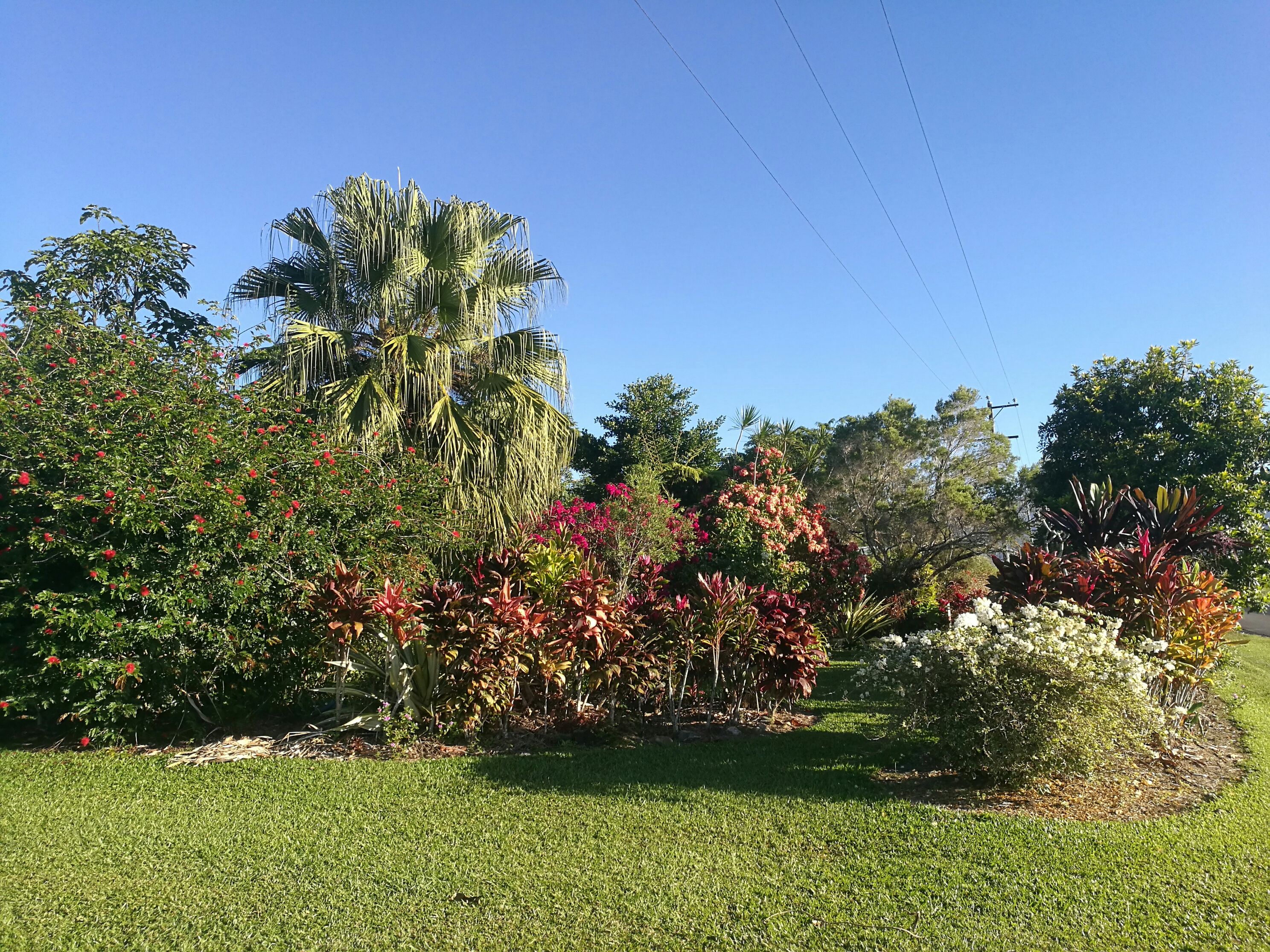
Gardens are also different in the North. In her yard in Innisfail, Con’s mother Min had citrus trees (full of green-ant nests), ferns, orchids, papaws, bananas, bromeliads, even azaleas; but around many North Queensland houses there is little but mown grass, palm trees and a hedge of red cordylines. Vegetation flourishes here, and gardening is a matter of machetes rather than hoses; so why so few lush, tropical-style gardens like Min’s?

IMG_20180709_163215_resized_20180714_093447204
A lush NQ garden

For people who live among cane fields, it’s a practical decision. My son Joe, standing on his wide expanse of lawn, explained it, as we listened to the rustling sound of wind in the tall cane just beyond the fence.

“We keep the yard clear to discourage creatures living in the cane from coming near the house: rats, taipans, wild pigs. There’s lots of wildlife in cane paddocks.  Leptospirosis – Weil’s disease – is not unknown up here. People can die of it. It’s spread through contact with urine from infected animals, especially rats and mice.

“I don’t have all this lawn because I like using the ride-on mower. That’s just a side benefit.”

There is a 1980s miniseries, Fields of Fire, set in Silkwood, with references to local places: Japoonvale, Mena Creek, Innisfail.

798314

Fields of Fire is a saga of the sugar industry in North Queensland. Its story plays out among the cane cutting gangs of the late 1930s, Italian immigrants, industrial strife and the switch to mechanical harvesters. The town in the series has Silkwood signs on its railway station and shops, but as I watched it recently, I noticed a few things that don’t fit with my images of the Far North.

The cane cutters’ barracks are different.

There are timber farmhouses with fretwork around the verandahs.

There is something that doesn’t exist in NQ – a surf beach.

And something rare in the North – jacaranda trees.

It turns out that the show was filmed in Northern New South Wales, in the cane fields around Grafton. Hence the jacarandas. The town with its “Silkwood” signs was the historic river port town of Ulmara, and the surf beach was near Yamba.

I can imagine the disgust of the North Queenslanders as they watched it, back in the ‘80s. “If they wanted to make a show about Far North Queensland, why couldn’t they make it here? Bloody southerners, they can’t think past the Harbour Bridge.”

I guess for a Sydney production company, Grafton was the Far North. It all depends where you’re looking from. But it’s not the same. North Queensland is unique.


(For further information about cane cutters’ barracks, see the book “The Cane Barracks Story: the cane pioneers and their epic jungle sagas”, by Eugenie Navarre)

Counting Prawns

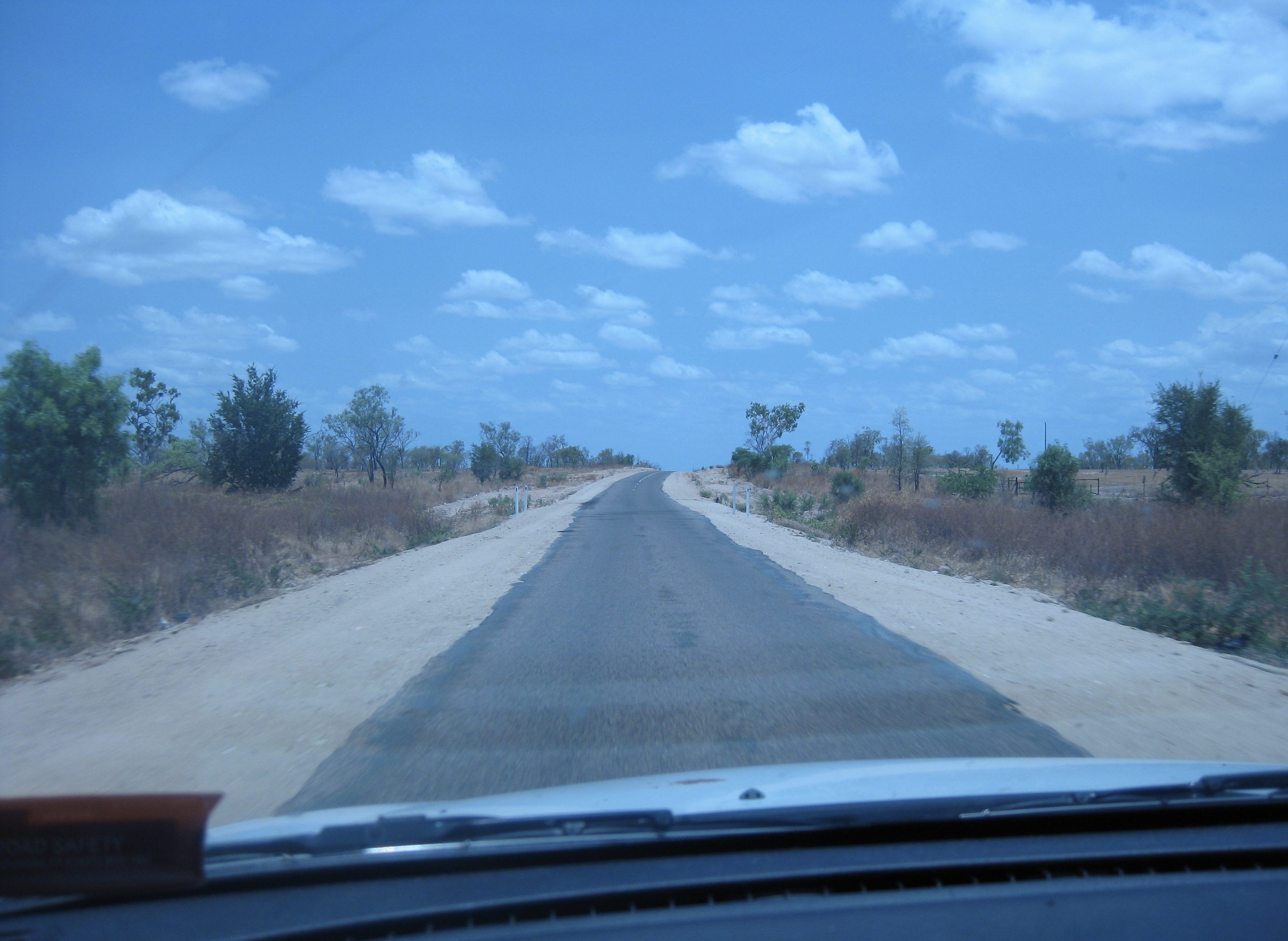
The bitumen is too narrow for two vehicles. One of them at least will need to go on to the sloping, gravel shoulder.

fullsizeoutput_32ac
The Savannah Way

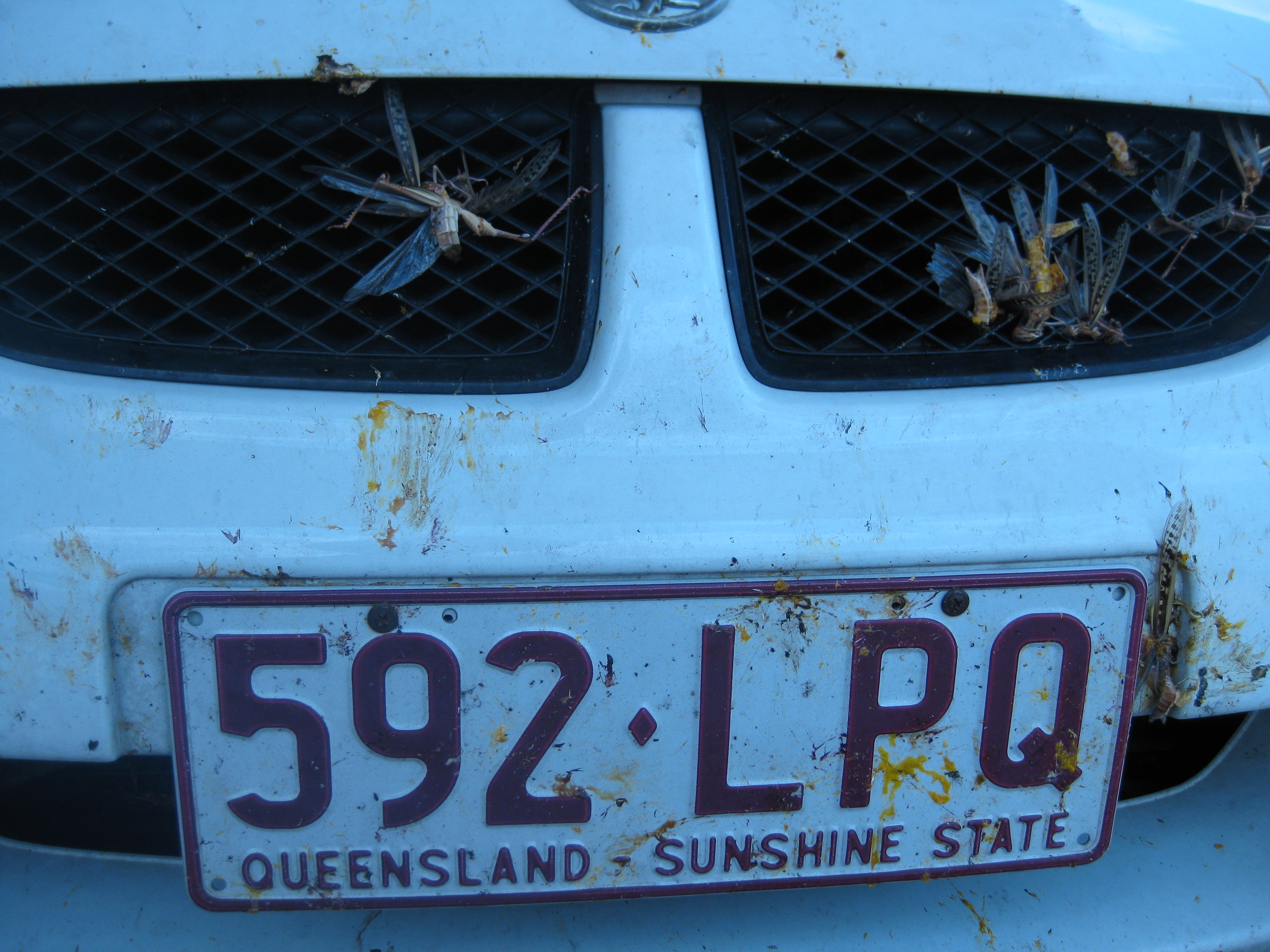
I’m with Joe, in the front passenger seat of his ageing Commodore, driving from Cairns to Karumba, a distance of over seven hundred and fifty kilometres. We’re driving through a plague of grasshoppers.

IMG_1313
Grasshoppers

West of Mount Surprise the Gulf Development Road narrows to a single strip of bitumen.

Joe has never driven on a road like this.

“When we meet on-coming traffic, what should I do?” he asks.

Joe’s driving has all been on motorways and city streets, and he is expert at changing lanes and reverse parking. Now he needs to learn another skill.

“When you see an oncoming vehicle, put two wheels off the bitumen,” I tell him. “Give them lots of room.”

Out of the mirage ahead of us a Toyota ute appears, heading our way, at speed. At one hundred kilometres an hour, Joe puts two wheels on to the shoulder and we fly along the gravel, past the Toyota, and back on to the bitumen.

“Maybe, next time, you should reduce speed before you do that,” I suggest to Joe.

“Good idea,” he says, drily.

Con and Joe and I going to visit our daughter Lizzie and her family. They’re living in Karumba, a small town on the mud banks of the Norman River, close to where it flows into the south-eastern Gulf of Carpentaria. Russ, a scientific assistant, spends his days sitting in a shed overlooking the river, with a microscope and tweezers, counting juvenile prawns by species: banana, king, tiger.

This is crocodile country, so no one swims in the river or in the Gulf. There are box jellyfish in these waters too. On Google Earth, the Norman River and its tributaries look like twisting tree branches or a beautiful abstract painting. Up close, it looks dangerous.

Karumba exists because of prawning and fishing. Prawns and barramundi come off the trawlers already frozen and go straight into freezer trucks destined for the southern markets.

In the winter months retirees come from the south for the fishing. That’s what Karumba is about. Prawns and fishing.

Con and I last came this way in the 1970s, on the way west to Burketown, driving our old Holden sedan. When we’d passed through Croydon, over five hundred kilometres into the trip, the sun was low and shone directly into our eyes.

The road had once been sealed, but the bitumen had worn away to sharp-edged tracks running through bull-dust. Half-blinded by the sun, Con bogged the car half off the road, and we had to wait with our young children for a tow.

Today this road is part of the Savannah Way, stretching three thousand, seven hundred kilometres from Cairns to Broome, in Western Australia, and although still narrow it is well maintained.

We’re following the line of the Gulflander, the rail motor that connects Croydon and Normanton with a once a week service. Built in the late 1880s to service the Croydon gold rush, now it’s a tourist attraction, a welcome sight to travellers on this lonely road as it goes rocking slowly on its way.

Mid-afternoon we meet the Burke Development Road and turn north towards Normanton. Karumba is seventy kilometres further north again, and just on dusk we pull in at Lizzie’s place, a cabin behind the motel in the shade of a poinciana tree. The front of the car is plastered with dead grasshoppers.

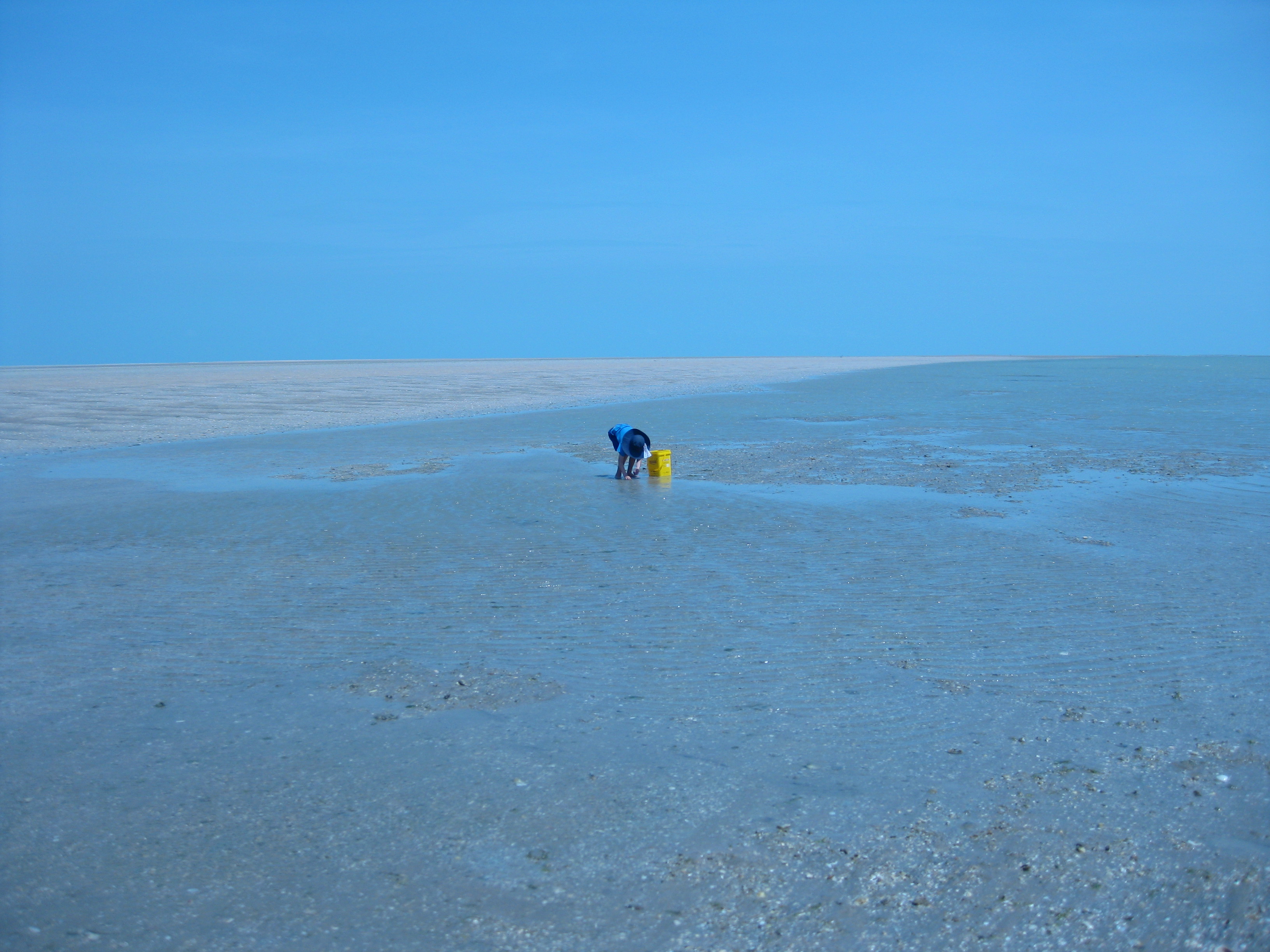
We spend a week in Karumba, visiting the barramundi farm and going up-river with Russ to glimpse the low scrub on the barren river flats, crocodile slides showing clearly in the muddy banks. We collect hermit crabs at low tide with our grandsons, visit the tavern, admire the town brolga and swim in the motel pool before heading back to Cairns.

IMG_1235
Collecting hermit crabs, low tide, Gulf of Carpentaria

Lizzie and her family are enjoying their few months here, but she worries about cyclones. “There’s nowhere to go,” she says. “No hill, no safe building. A tidal surge would go right over the town and wipe it out.”

IMG_1196
The Norman River at Karumba

A few weeks later, in the middle of the night, Tropical Cyclone Charlotte crosses the coast at Karumba. Only one building is damaged. While Lizzie, Russ and the boys shelter in the bathroom, that poinciana tree falls and crushes their cabin. No one is hurt, so they put it down as just another Gulf Country adventure.

poinciana
Before the cyclone: that Karumba poinciana

Walking on Granite

Girraween?” said my hairdresser. “It’s lovely there. I had my first hangover at Girraween.”

Thirty kilometres south of Stanthorpe, in Queensland’s Granite Belt, famous for frost, stone fruit and wine, Girraween is beautiful, especially in spring, when the wildflowers are blooming. It’s a special place for many, including my family.

IMG_3394


Con confirms Girraween’s past party status.

“I used to go out there from Stanthorpe. We called it Wyberba back then, and things were pretty casual. We’d have airbed slides down the cascades at the Junction, then have a barbecue and hold stubby races.”

“What do you mean, stubby races?”

“My mate Ross and me, we’d float our empty stubbies in the creek and bet on which one got to the bottom of the rapids first.”

By the time Con and I revisited Girraween National Park with our children, he had become a civilised person who would never throw bottles in a creek; especially in such a beautiful place as Bald Rock Creek, flowing through the park, past campgrounds and picnic areas.

We went there towing a little camper trailer. The campground was glowing with wattles that dropped yellow balls of blossom on the camper roof.

We took the kids walking along the tracks, down to the Junction through the wild flowers, and up to the top of the Pyramid.

Because it is coarse-grained, granite is easy to walk up, never slippery unless it is wet or eroded smooth where water runs down. All that is needed is a head for heights.

eddy rock

My mother was an artist who appreciated the sculptural shapes of the granite boulders and balancing rocks, sometimes adding granite sand and pieces of vegetation to give texture to her paintings.

fullsizeoutput_3278

The Granite Belt is inspirational for artists: the rocks with their fascinating shapes, their pinks and greys, glinting quartz crystals and blooms of lichen.

fullsizeoutput_3279

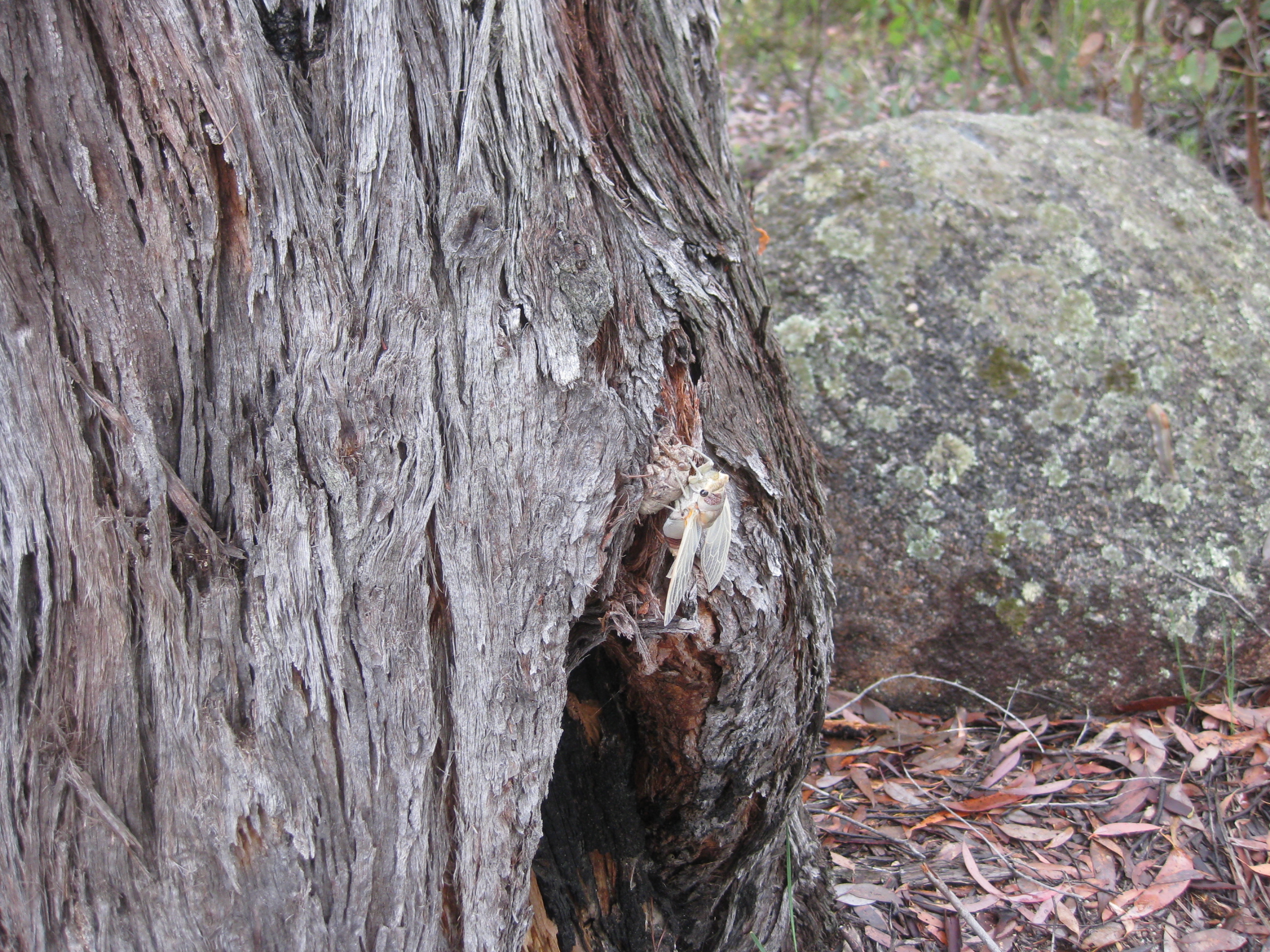
One recent early summer, Con and I visited Girraween, this time with our grandchildren. The sound of cicadas was everywhere: so loud it was deafening, a continuous, piercing, almost shrieking buzz. On a eucalypt beside the track a cicada shed its skin and unfolded its crumpled wings as we watched.

IMG_3365


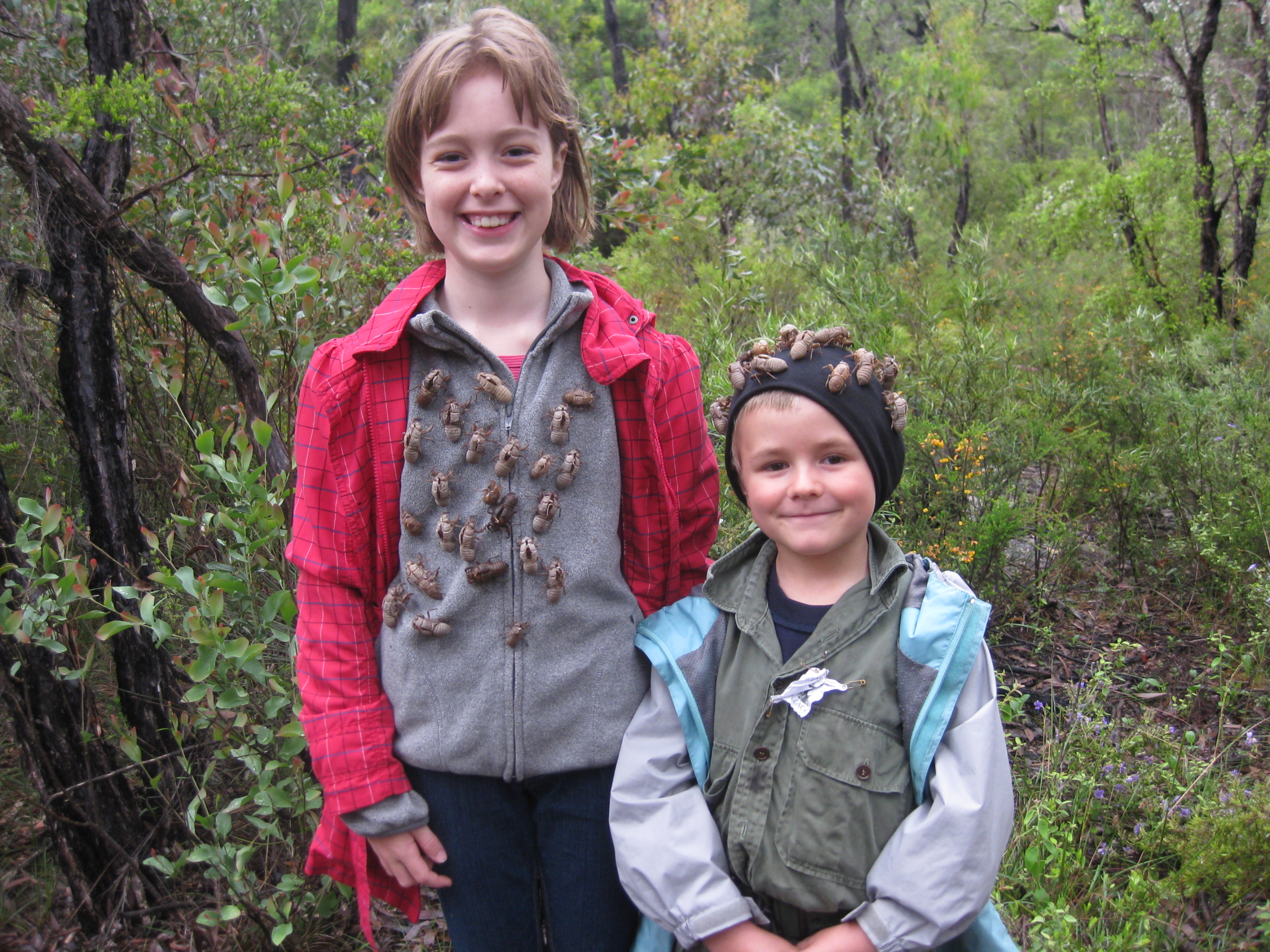
Empty cicada skins clung to every branch and tree trunk. The kids collected them and used them to decorate their jumpers and hats.

IMG_3375

Our grandchildren enjoyed the rocks and caves, flowers and creek, but it’s the cicadas they remember most.

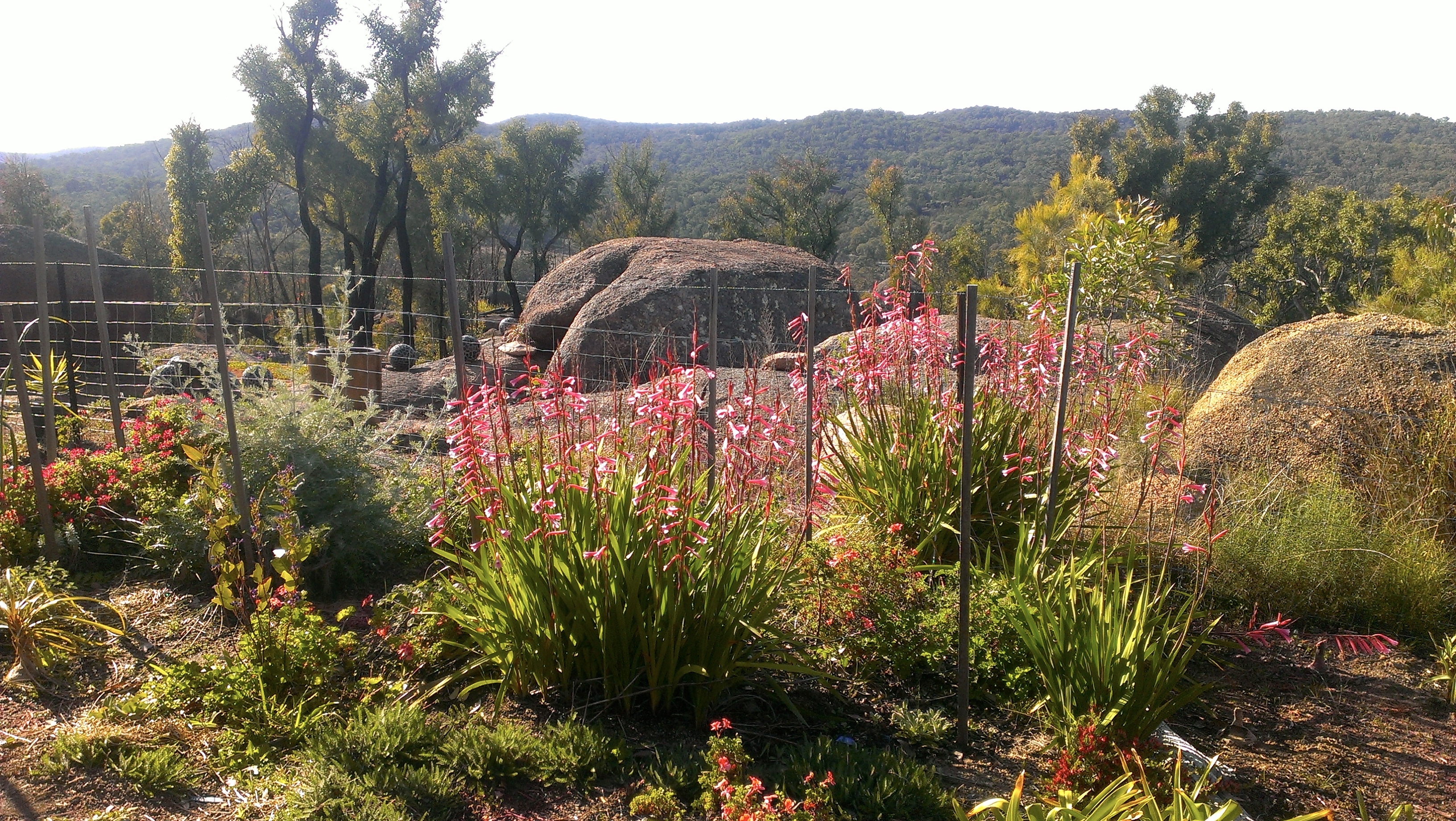
Our whole family has been to Girraween and Stanthorpe many times. I’d like to buy a house in the area, but only if I could have some boulders. If you live on the Granite Belt, you can expect a boulder or two in your yard. My cousin has built a house on top of a granite outcrop overlooking the National Park. She has a fine collection of boulders, and she’s building a garden among them. I envy her.

fullsizeoutput_28e1

Carnarvon Gorge

We’d bought supplies at the IGA in Clermont– bacon, eggs, bread, fruit. Now I was standing at the barbecue in the camp kitchen, the bacon beside me on the bench. A flash of wings and it was gone. A kookaburra flew off with a full beak. Hm. Just eggs for tea then.

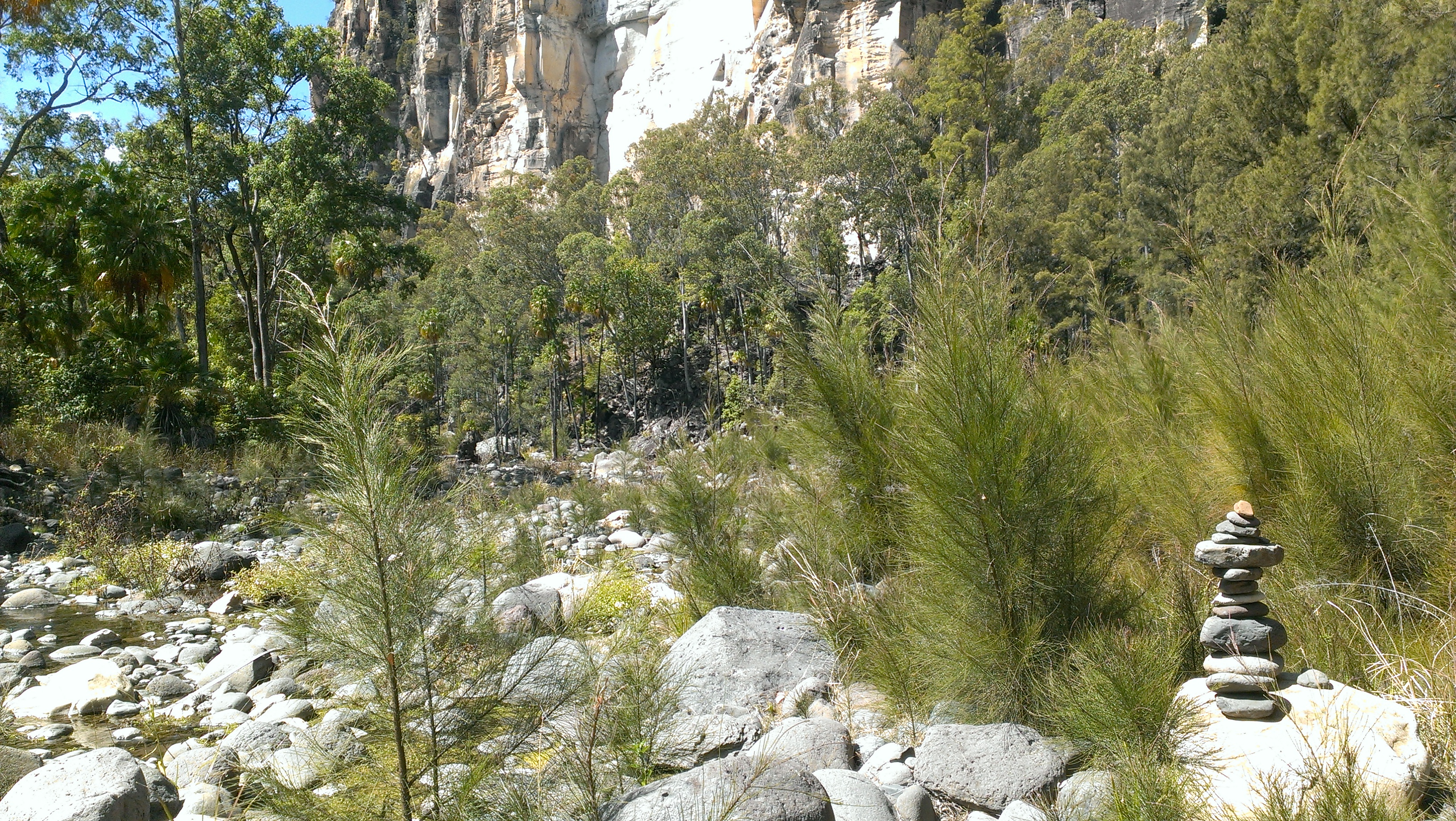
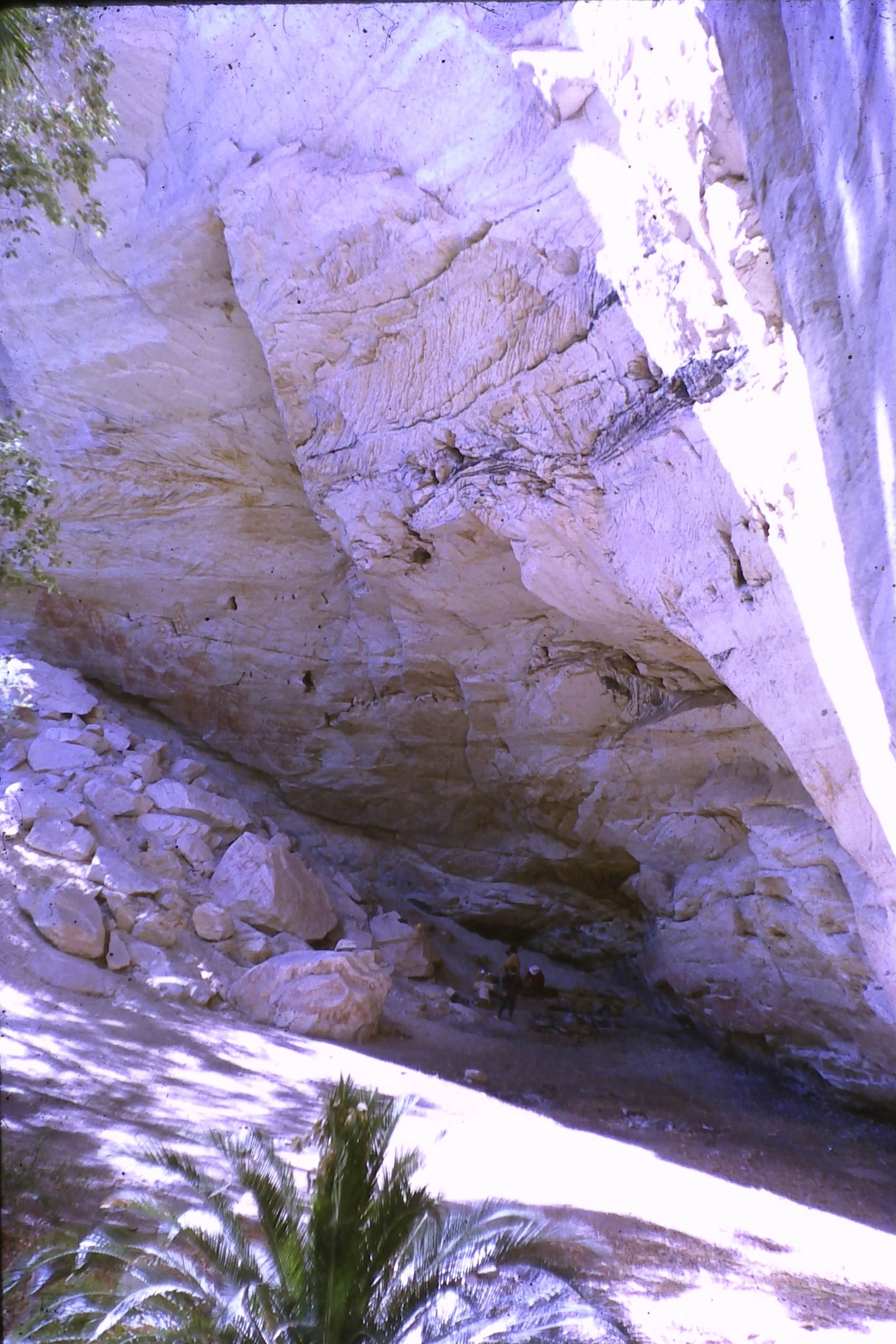
Carnarvon Gorge is a famously spectacular place, with a clear, permanent creek, fine sandstone cliffs, palm trees, cycads and rock paintings.

IMAG1105_BURST002_COVER

Con and I were staying in a cabin at Takarakka Bush Resort, in a bend of Carnarvon Creek five kilometres from the start of the main gorge walking track. It was winter, and the temperature fell overnight to near freezing.

This was Con’s first visit, but I first went there as a teenager with my family, and I wrote about it for my school magazine.

Beside the creek, under the trees, blady grass grows four feet high, and through the grass winds a narrow track, running down to meet the creek bed near a neat pile of stones. Across the creek, where the track begins again, stands another pile.

IMAG1104

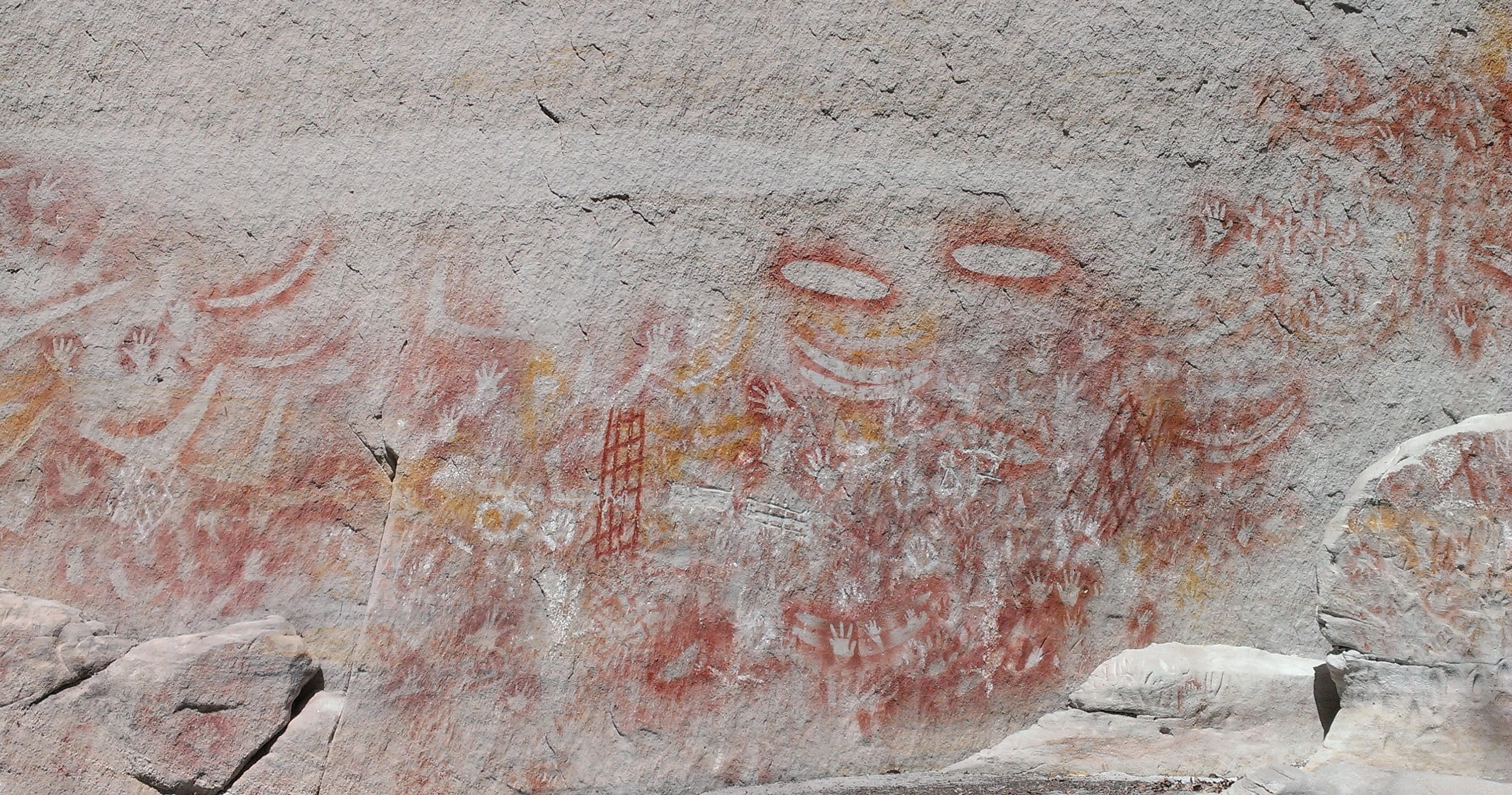
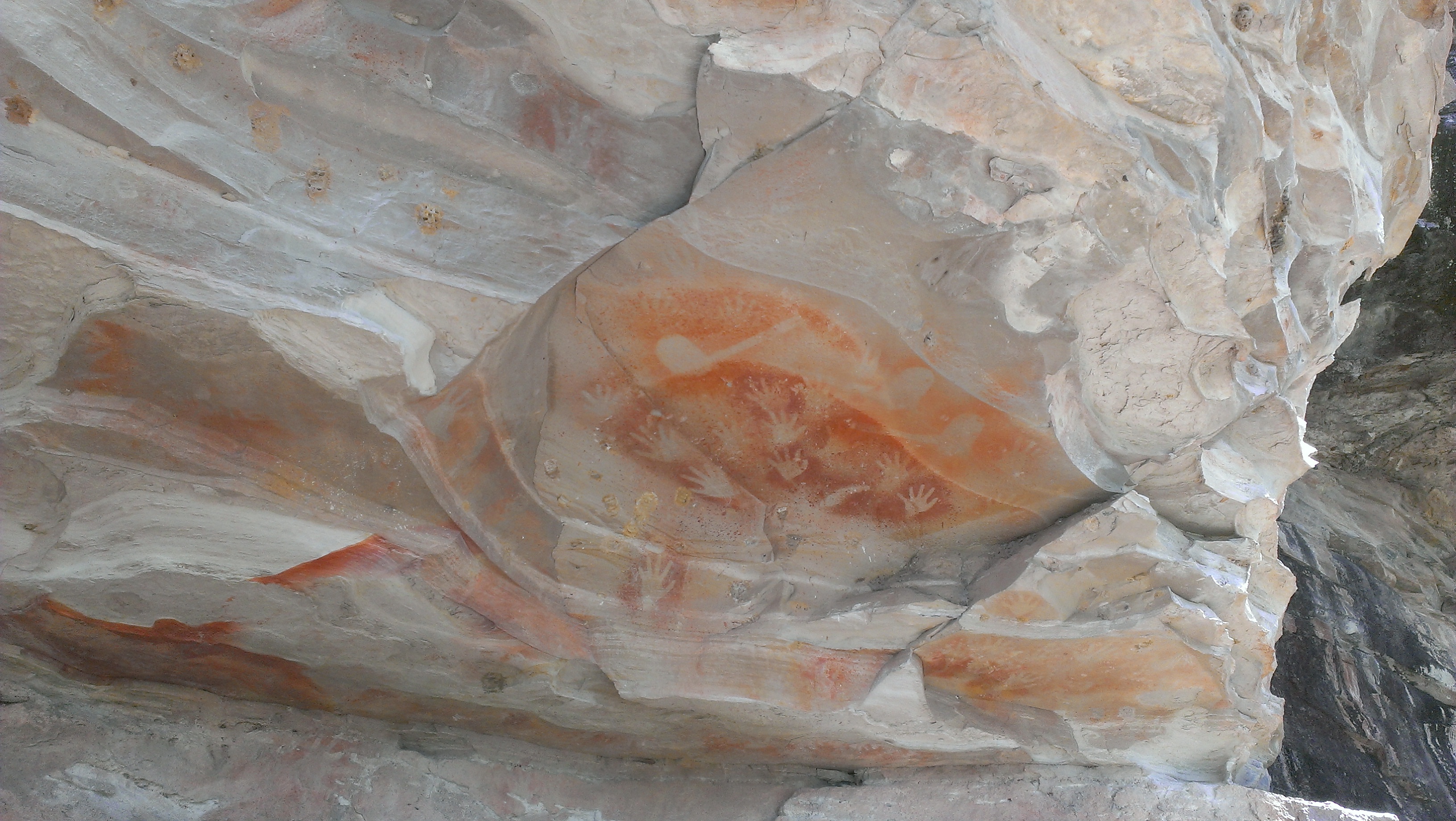
There are now stairs to the hanging gorges we scrambled up to fifty years ago. Guardrails and security cameras protect the ancient Aboriginal images on the Art Gallery cliffs: stencilled hands and boomerangs, crosshatching and engravings in the sandstone.

IMAG1082

There are public toilets in the gorge now. People no longer camp in the Cathedral Cave. Fifty years ago, we spread our blankets under that high, wide arch, on soft sand eroded from the roof above and mattresses of the dry palm fronds that lie everywhere in the gorge.

DSC00107

As we lay huddled under our rugs with two great fires between us and the freezing night, we could see beside and above us, from one end of the cave to the other, ancient Aboriginal prints and images, even a child’s tiny handprints.

That night, years ago, a film crew had gathered piles of palm fronds, lit them, and filmed the arch above us in the glow of the fires.

The marks on the Art Gallery cliffs have ritual significance, but the Cathedral Cave art seems more domestic. Excavations in the floor of the cave have revealed that people were camping here at least twenty thousand years ago.

In Takarakka, people cook and eat together at the camp kitchen. We talked to friendly and interesting people from Canberra and Sydney, France and Austria, while the kookaburras lurked on the rafters above us.

On our first day, walking up one of the outer gorges, Mickey Creek Gorge, we met a man coming down the track with a bush walking stick. “You have it,” he said to me. “I’ve finished with it.”

It was a fine piece of eucalyptus, straight and carefully trimmed, and I accepted it with pleasure.

“We’re leaving tomorrow, so you can take my map of the gorge, too. The National Parks office doesn’t provide them anymore.”

A map is useful. The Carnarvon Gorge walks are well sign-posted, with distances marked, but it’s good to plan your walking day ahead of time.

Back at the car park after the walk, I leaned my stick against a nearby rock, near others left by returning walkers. The next day, I saw a woman using it in the main gorge. I hope she, too, left it for someone else to use.

Carnarvon Creek is cold and clear as it runs over its stony bed. There are platypuses in the creek, and birds in the bushland.

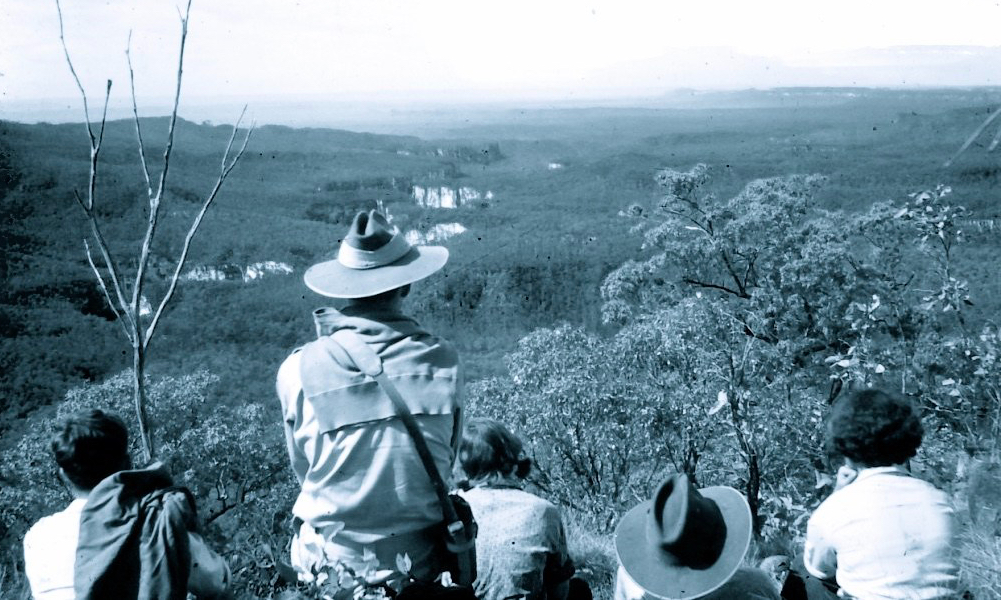
The white sandstone cliffs of the gorge can be seen from a distance as you drive in. When I was at university, visiting with a group of students, we climbed up to Battleship Spur where we could look down on the gorge and its branches curving like white ribbons below us.

fullsizeoutput_2c84

We lay on the grass and went to sleep, and when we woke up it almost evening. Darkness fell before we could get back to the base camp in the gorge, and we spent all night marooned on a point of high land with cliffs falling away on both sides in the gloom, singing songs and telling stories with only a small fire for light and warmth.

Next morning, we found our way down to our campsite and gear. The porridge we cooked in a billy for breakfast was the best thing I’d ever eaten.

When we turned for home, I was sad at the thought of leaving this gorge, with its creek, its greenery, and its vast cliffs.

In the camp kitchen on the evening before Con and I left for home, I asked if anyone wanted our left-over eggs. A young Austrian couple took them and made pancakes for everyone.

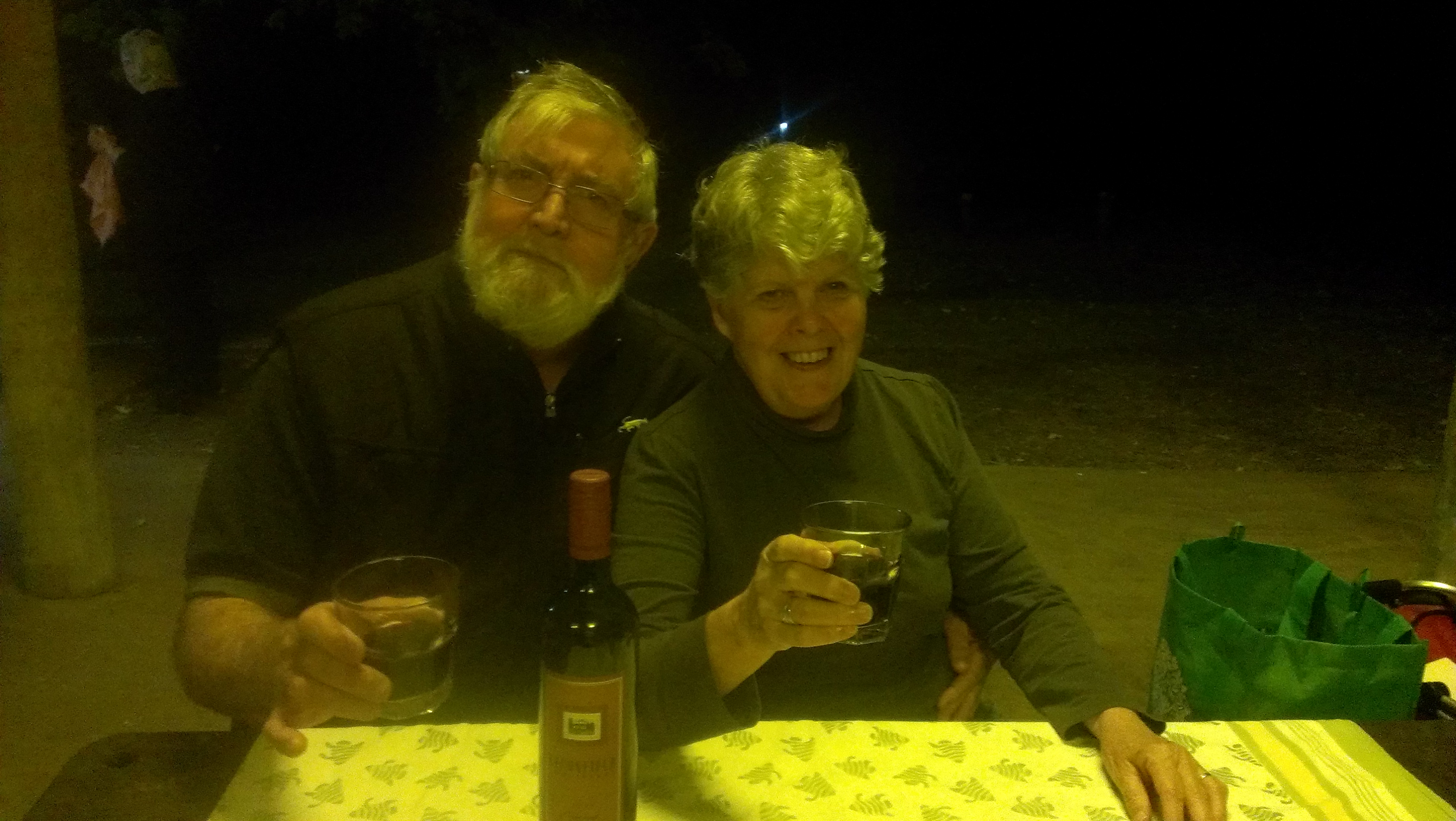
We also offered our map of the gorge, and an Irish backpacker put his hand up. We gave it to him and he poured us a glass of red wine, and we drank together to the pleasures of the bush.

IMAG1087


Kahlua and Milk

In Goondiwindi, in the Gunsynd Lounge, my cousin Nadine orders a Kahlua and milk.

“I’ll have what she’s having,” I tell the barman.

“Hah! You’re a bad woman at heart,” says my cousin.

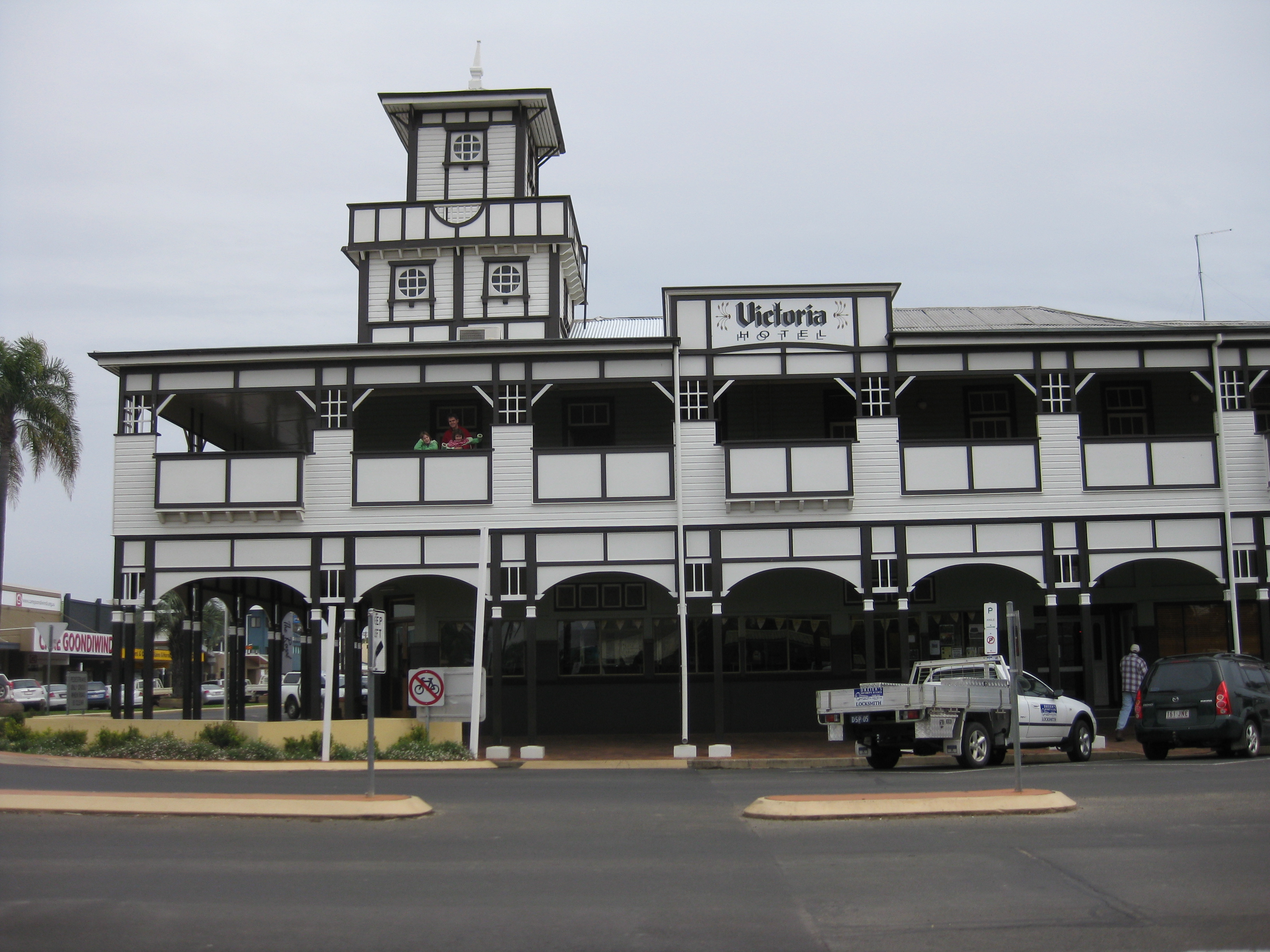
Nadine and I are on a family history road trip: ten days, from the Darling Downs to the Central West. We’re eating – and drinking – at the Vic. The Victoria Hotel is double storied, with black and white timbers and a slightly crooked corner tower. It’s an outstanding feature of Goondiwindi’s main street. On one trip, Con and I spent the night at the Vic. I loved it, but Con hated it because he had to walk down the hall to go to the bathroom.

IMG_3012

Country hotels with their wide, hardwood verandahs, grand staircases and ornate fretwork are Australia’s most spectacular buildings. Built in the late nineteenth and early twentieth century, they had to be big. Travelling for work was common, and bush people would come to town for race meetings and agricultural shows. Hotels provided the accommodation.

People travel for work and pleasure more than ever now, but most of them, like Con, want ensuite bathrooms and comfortable beds. They want air-conditioning and a car park out front. They don’t want stairs or noisy bar rooms.

I like climbing the stairs that take you up to the long hallways, the verandahs and a view over the street. I’m not so keen on the noisy bar underneath. Con and I spent one Thursday night in the magnificent old George Hotel in Ballarat, Victoria, with a cozy fireplace in the lounge, an ensuite bedroom and breakfast on the wide verandah overlooking the heritage buildings of the main street; but in the bedside table there were complimentary earplugs. We didn’t stay on to hear the Friday night disco in the bar.

One year we went to Esk for the races and spent the night in the Grand Hotel. The party in the Beer Garden went on for most of the night, and we tried to sleep to the sound, much repeated, of “Living next door to Alice,” followed by the shouted chorus of “Alice? Who the fuck is Alice?”

The hotel bars are often empty in these days of random breath checks, and many hotels have closed. During the day there might be one or two drinkers, nursing a beer and waiting for someone to come in so they can tell them about how things were in the old days or show off for tourists.

The poker machine room always has customers. At the Purple Pub in Normanton, it’s the only room with air-conditioning.

Overnight guests have the run of these fine old buildings. As a guest you are allowed up the grand staircase, past the “House Guests Only” sign, to the upstairs lounge, with its television and sagging couches. You can pad down the hallway in your night attire to a huge, tiled bathroom, or clean your teeth in the washbasin in the corner of your room. You can have breakfast on the verandah and lean over the railing to watch the affairs of the street below.

The enormous, heritage listed State Hotel at Babinda was erected in 1917 by the Queensland government. Constructed from local timbers, it has an entrance and staircase of golden silky oak, many bedrooms, and verandahs with a view up the main street to the rain-forested hills behind the town.

State Hotel Babinda ca. 1924

I’d like to stay there sometime. If I suggest it to Con, I know what he’ll say.

“Does it have ensuites?”

The pub is still the heart of many a tiny town. A few years ago, we spent a comfortable night in the hotel at Laura, now named the Quinkan Hotel – the only accommodation in town apart from the caravan park. It’s a plain, single storey pub – no grand staircase or sprawling verandahs – but the owners have found it worth their while to provide comfortable beds, modern air-conditioning and flat-screen televisions. The mining engineers and geologists who stay here like to be comfortable.

It was November when we visited Laura, and the many mango trees shading the front of the pub and lining the street were laden with ripe fruit. I’ll always associate the Laura Hotel with the smell of mangoes and the thud, thud, thud of the fruit hitting the ground.

IMG_4851

Country pubs. Every one of them is memorable.

At the Vic in Goondiwindi, last time we were there together, Con ordered a glass of beer. The glass was sponsored by Saint Mary’s, the local Catholic Parish: What? I asked for a glass of water. It’s a miracle!

IMG_20180509_183357_resized_20180509_073513435

You wouldn’t find that at the Brisbane Hilton.

Images: Victoria Hotel, Goondiwindi; State Hotel Babinda c. 1924 (State Library of Qld, “Picture Queensland”); the Laura Hotel; beer glass from the Vic, Goondiwindi.

Goodbye, Sunlander


We’re waiting at the railway crossing at Silkwood. Standing in the middle of the tracks, Con is listening for an old, familiar rumble. It’s 2014, and the Sunlander is coming through, heading south on its final trip.

“Did you know,” Con said, “I saw the Sunlander on its first trip. I was eleven. I ran down Goondi Hill and watched it go over the level crossing.

“Before that it was the Sunshine Express. It had no air-con, just fans, and the carriages were gritty with soot. You’d put your head out the window and get cinders in your eye. My mum would twist up the corner of her hanky and spit on it, and she’d make me roll my eye back so she could get the cinders out.”

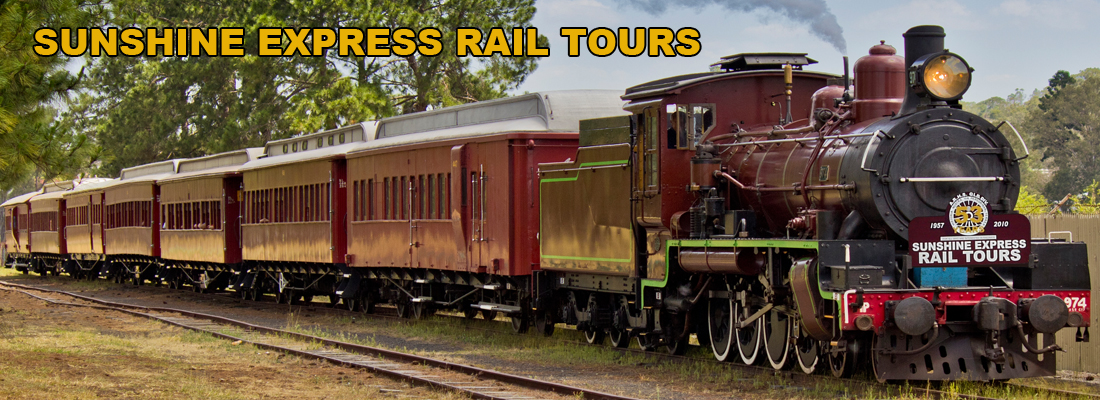
“I read that the old Sunshine Express steam engine is still operating. They use it to pull excursion trains out of Brisbane. It looks beautiful – bright paint, shiny brass.”

“Tell that to any North Queenslander my age, and they’ll just remember forty-hour train trips and soot!”

TOUR-SERT

It’s hot in the sun. I move to the shade of a tree, but the grass there is alive with green ants. I do the North Queensland green ant dance, brushing them off as I skip back into the sunlight. Con is still standing in the middle of the track.

“You be careful”, I tell him.

“What? You think I’ll get run over? It’s the Sunlander, not the Sapsan.”

We travelled on the Sapsan a few years ago – the glamorous red train that covers seven hundred kilometres in four hours, between Saint Petersburg and Moscow.

IMAG2032

A headlight appears in the distance, and soon we hear that diesel engine rumble. Con steps off the track, the crossing lights flash, and as the train comes through the driver sounds the horn. There is a sign on the front, Farewell the Sunlander. Brisbane – Cairns, 1953-2014. The train is crowded, and the passengers seem to be having a good time; but they are only on this trip out of nostalgia. Normally they would drive or fly.

fullsizeoutput_2bb8

In 2010, Con and I went by Amtrak train down the west coast of the United States and across the country to New York. Along the way, we had the time and the opportunity to speak to locals: a journalist returning from a stressful west coast assignment, taking the long train trip home across the Rockies and the prairies to clear his mind; young brothers setting off on a grand railway tour of their country; older people travelling with nostalgia for past journeys.

One elderly man sat down for breakfast and asked for eggs “over easy”.

The waiter told him, apologetically, “We don’t cook eggs to order anymore, sir.”

Things weren’t like this in the old days, when rail travel was king in the USA. Now, people fly, and freight is what pays.

Queensland has long distances and a small population, and it’s not like a small, crowded country in Europe or Asia where roads are congested and the trains are always full. Here, the railway was vital when the roads were bad, and extra trains were often scheduled to cope with the numbers of passengers; but now many railway embankments are over-grown with weeds, tracks have been pulled up, station buildings turned into local museums.

In 2016, Con and I went north on the Spirit of Queensland, which replaced the Sunlander. It’s a beautiful, comfortable train. Not a cinder in sight. But compromises have been made, now that passenger numbers are few.

There are no sleeping cabins. Because we were going all the way to Far North Queensland, we wanted beds, and the rail beds, seats that convert into beds, are only available in First Class. At night, our carriage became a dormitory.

Those making shorter trips, getting on and off at places like Bundaberg, Bowen or Townsville, sat up all the way, just as they would on a plane.

I was comfortable in my rail bed, although it was a little hard.

Not Con, though. “It’s like sleeping in a coffin! The Sunlander had proper cabins and bunks! I’ll never do this again!”

There is no dining car – just a club car selling light refreshments. In First Class, proper meals and drinks were delivered to us in our seats.

For us, the Spirit of Queensland was an extravagance. It cost far more than flying or driving, but it had advantages. At twenty-four hours Brisbane to Cairns, it was faster than going by car and saved the cost of meals and a motel. We got off at Innisfail – more convenient than flying into Cairns, ninety kilometres to the north, and then having to take a bus or hire a car.

European trains go so fast you can’t see the scenery. Not a problem on the Sunlander – or the Spirit of Queensland.

From Ingham to Innisfail, we crawled along. The problem? The rails were hot.

Really? December in Far North Queensland, and the rails were hot?

IMG_20161129_143016_BURST001_COVER_resized_20161206_123142562

Images: The Sunshine Express loco today; the SAPSAN in St Petersburg; the final trip of the Sunlander; the Spirit of Queensland at Roma Street Station

Crocodile Watch

Rollingstone Creek is deep and clear, with a sandy bottom. The water is blessedly cool on this tropical summer’s morning.

My sister-in-law Margaret is sitting on a folding chair in the shade, watching for crocodiles.

This swimming hole, so innocent-looking, is a few hundred metres upstream from an estuary where crocs are known to lurk. We wallow in the shallows, close to the bank, and Margaret watches the water.

It’s mid-January, and hot. So hot. That’s why we’re risking the crocodiles.

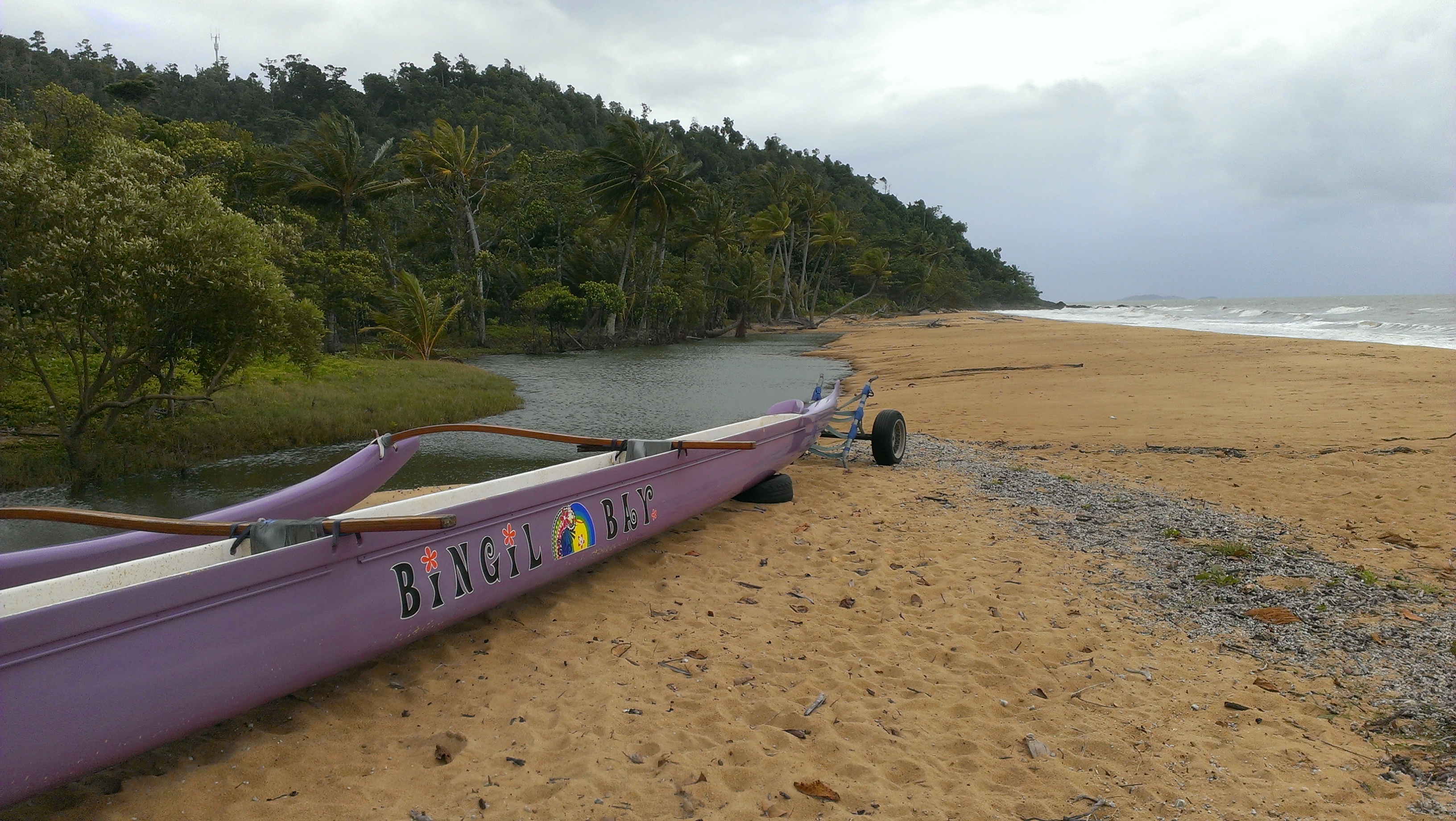
Balgal Beach, where we’re staying, is a quiet spot north of Townsville. Like the other Queensland beaches sheltered by the Great Barrier Reef, it has no surf. Not many people swim at northern beaches in summer, in spite of the heat and the picture postcard beauty of places like Balgal, Bingil Bay and Etty Bay. From October to March, stinger nets are set up on popular beaches. Swimming outside of them you risk being killed by a box jellyfish.

IMAG0820_BURST002_COVER

Occasionally the television news shows a crocodile in one of the stinger nets, making people a little nervous – especially tourists. No much fazes the hardy locals.

The quiet northern beach towns are ideal for early-morning walks, fishing, bird watching, or a peaceful retirement; and in the caravan park at Balgal Beach contented campers and caravaners with interstate number plates sit reading in the shade of the trees.

Perhaps they’ll buy fish and chips for dinner and eat looking out over the water towards Palm Island, while gangs of red-tailed black cockatoos screech and quarrel in the fig trees above.

IMAG1007

There are many gorgeous swimming spots in North Queensland, year-round, where even in July daytime temperatures rarely drop below twenty-five degrees. They’re in creeks running through rainforest, tumbling over granite boulders and falling into clear pools. Famous places like The Boulders at Babinda, or hidden creeks only locals know about. You just have to find a spot above the range of the crocodiles.

babinda


North of Tully there’s a swimming hole called Alligator’s Nest, at the junction of two clear creeks, in spite of its name beyond the reach of crocs. It was a cool and drizzling July day when we went there, and the creek was deserted. I had no swimmers, but I went in anyway, in my skin. It was a perfect swim.

I’ve enjoyed many perfect swims. One was at Wineglass Bay, on the Freycinet Peninsula in Tasmania. Con and I climbed the steep track to the famous look-out spot, then down the other side to the bay. It took us an hour and a half, and when we came out of the scrub on to the beach, the only sign of human life was a yacht moored in a little hook of the bay, off to the south. The clear water looked wonderfully inviting. Again, I went in in my skin. It was cold –  but perfect.

fern pool, karajini nat pk

The clear pools and red gorges of Karijini National Park, in Western Australia’s iron ore country, have many perfect swimming spots, although they’re much too popular for skinny dipping; but the place I love the most, even more than the creeks of North Queensland, is Greens Pool, on the southern coast of WA.

Greens Pool is a wide stretch of calm water sheltered from the Southern Ocean by a string of granite boulders. Other boulders, the famous Elephant Rocks, stand in a group in the middle of the Pool, bigger than elephants, and you can leap off them into the deep, clear, salty water. Breakers send up spray over the protective rocks beyond the Pool. The water is cold, but the initial shock is soon forgotten in the pleasure of it all.

In South Queensland, the water is warm. I remember a perfect day in the surf at Alexandra Headland, when I was twelve. The waves were smooth, no dumpers, a gorgeous green. I lay on my back, and each wave lifted me gently to its crest then glided me down the other side. The sun shone through the water, dappling the sand below.

Across the road from my childhood holiday house at Maroochydore was a small beach we kids considered our own, with a jetty at one end. At high tide, the river would reach up close under the jetty, and my brothers and I would bomb-dive off it with delight.

I grew up on beaches. I love the water.

scan


That day in Rollingstone Creek, though, it was a comfort to have Margaret watching for crocs.

Photos: Bingil Bay; Balgal Beach; a North Qld creek; Weano Gorge, Karajini NP; Alexandra Headlands.

Windmills and Whale Tails


Hervey Bay: famous for senior citizens and whale watching. Its whale sculptures are beautiful, too.

On Main Street an eight-metre-tall, iron bark and stainless-steel humpback whale called Nala is breaching. A life-sized aluminium whale’s tail, flukes outspread, stands in the middle of an Esplanade roundabout garden – Nala’s baby.

This is public art at its most engaging.

IMAG0587

Some public art in regional areas is dismal. It’s as if the council wanted a piece of sculpture to enhance the town and commissioned the mayor’s brother-in-law to knock something together with chicken wire and concrete.

Things are changing.

Fine public art is popping up across Queensland, some of it by internationally-renowned sculptors.

In Boonah, south-west of Brisbane, a larger than life sized Clydesdale horse stands in a park at the entrance to town. Scottish sculptor Andy Scott is most famous for his thirty-metre-high horses’ heads, The Kelpies – Scotland’s best-known works of public art. He built the Boonah horse to celebrate the draught horses that once worked here. Made from galvanized steel bars, the horse stands alertly, its ears pricked, as if ready to trot forward to greet the visitor.

fullsizeoutput_27bf

Towns need a visual focal point like this horse, something iconic to use in advertising material, something to attract business and tourism. Something to be proud of.

Across Queensland there are many intriguing pieces of public art by Christopher Trotter, and there’s one of them in Boonah, too: the quirky Blumbergville Town Clock, with a steam whistle that blows on the hour. It’s constructed in steam-punk style from old printing press parts, water pipes, bits of agricultural machinery and horse shoes.

IMG_20170310_111854_resized_20170310_072722288

Trotter’s sculptured plants and fungi, sinuous and organic, made from pipes, tractor seats, cement mixer bowls and scraps of farm machinery, decorate the entrance to the Mackay Botanical Gardens in North Queensland.

On the banks of the Condamine River in Warwick, on the southern Darling Downs, is a plump, granite sculpture of Tiddalik, the frog of Aboriginal legend who swallows all the water in the land, then lets it gush out in a flood. Carved from a fifteen tonne granite boulder, when the Condamine floods Tiddalik goes under water.

My daughter Lizzie and her family, driving back to Brisbane on the New England Highway, were delayed by floods there.

She sent me a text: “The Condamine is lapping at the bridge, all the locals out to see it, the statue of Tiddalik with only his eyes visible above the floodwater.”

Mitchell, west of Roma, has an attractive main street of old pubs, bottle trees and parks. There are murals on its bridge pylons, decorative ceramic pavers, mosaics of fish and birds on the sidewalk, and concrete kangaroos reclining in front of the shops.

IMG_3028

There’s a fine windmill in the small historical park in the main street. If art is something that evokes a response from its viewers and brings to mind a way of life and landscape, then this windmill is art.

The focus on art in Mitchell interests me, and I spoke to a local resident to find out how it came to be there.

“It was in the old Booringa Shire Council days, before we amalgamated with Roma,” he said. You could tell that amalgamation with Roma had been unpopular with this former council worker.

“The old council wanted to make the most of the main street, so they put some money and thought into it, and this is the result. We need tourists to stop for a while, spend a little money in the town.”

The large amounts of money put into public art by local councils and government bodies (sometimes only after much heated debate about costs) are an investment in much-needed tourism.

In Emerald, there’s a giant copy of Van Gogh’s “Sunflowers” on a ten metre high easel. Childers has quaint bronze owls in the main street. Cairns has attractive water-front sculptures. The tiny town of Ravenswood, between Ayr and Charters Towers, has gorgeous ceramic tiles of birds, animals and plants all over its picnic tables, so beautiful they deserve far more people to see them.

fullsizeoutput_3230

Diver, Cairns

The little town of Millaa Millaa, on the southern Atherton Tableland is in lush, hilly country once famous for dairy. In the main street is the statue called “The Reluctant Cow”. There’s a farmer straining to push a cow into the milking bail, a cattle dog and an upset milk bucket. When we were there a kid from South Australia was helping the farmer to push while his family took a photo.

fullsizeoutput_2865

Regional public art at its most loveable.

Photos: Windmill, Mitchell; “Nala”, Hervey Bay; Horse, Boonah; “Blumbergville Clock”, Boonah; Kangaroos, Mitchell; Sunflowers, Emerald; “Diver”, Cairns; “The Reluctant Cow”, Millaa Millaa.

Blog at WordPress.com.

Up ↑