Want to Buy a Country Pub?

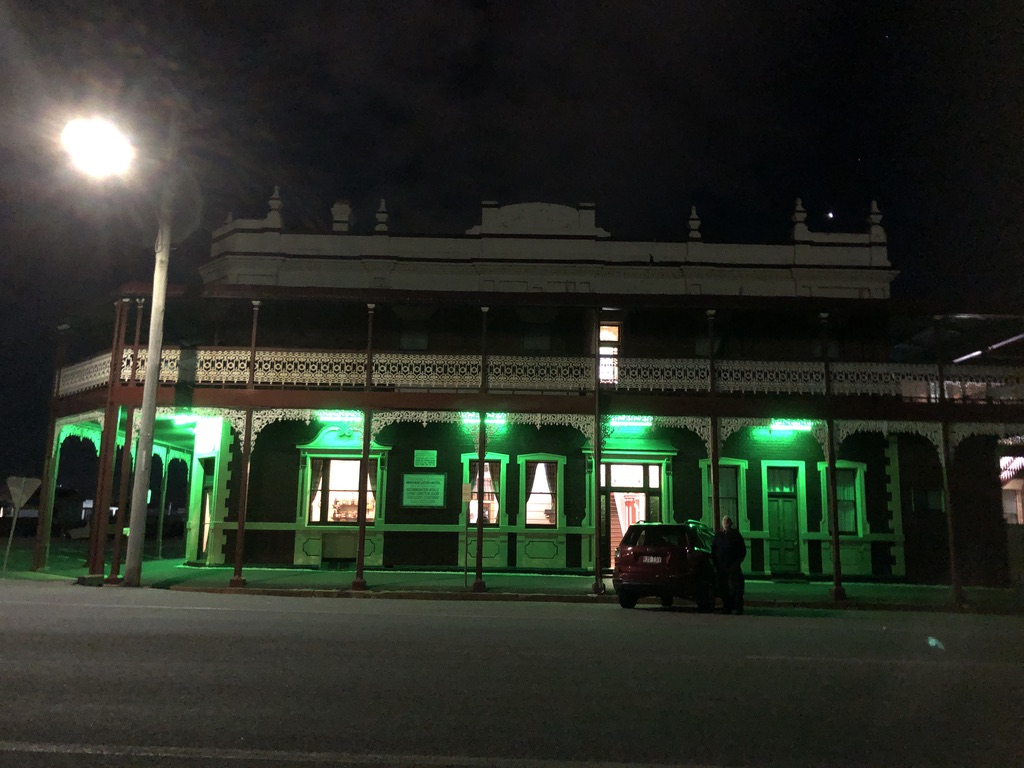
O’Mahony’s Hotel, Warwick

‘There was an Irish tradition that if you were building a hotel, you had to bury under it a hat, a cat and a bottle. Well, when we were renovating we found a hat and a bottle, and there they are.”

Joan pours me a gin and tonic and points to a battered felt hat on a shelf above the bar. Next to it is an old bottle.

“We never found the cat, though. I hope we don’t.

“Along there you can see my father’s walking stick, and the cap he wore when he was racing trotters.”
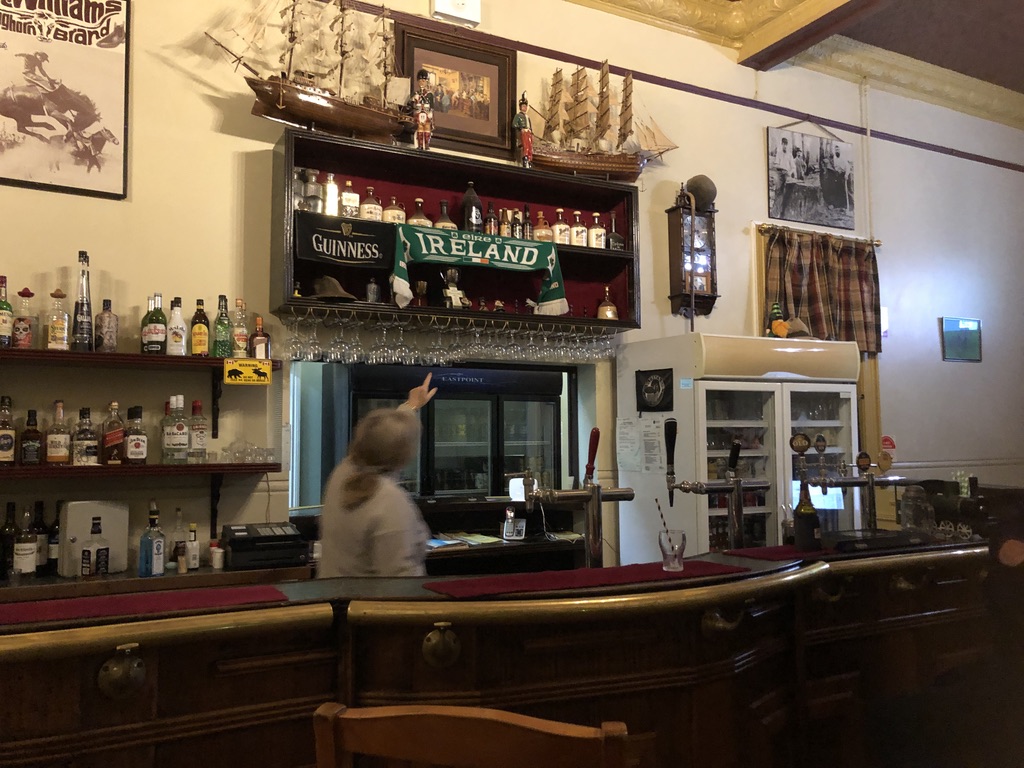
Joan Wallace in the bar of O’Mahony’s

I’d driven years ago past this attractive old Warwick hotel with its red brick and iron lace and been sorry to see it in a rundown condition. Originally the National Hotel, built in 1907 and Heritage Listed, O’Mahony’s is located at the eastern end of Grafton Street, Warwick, opposite the railway station. It had in the past been patronised by train travellers and railway workers, but those days are almost gone.

Joan Wallace is the licensee and current owner of O’Mahony’s, with her brother Kevin. She tells me that they bought it in 2001 and they’ve been renovating it ever since, sourcing material and furnishings from near and far. The handsome timber bar came from the Ship Inn in South Brisbane, and the comfortable-looking lounge suite in the lounge originated in a monastery, she tells me. There are high pressed metal ceilings throughout, chandeliers, and a magnificent cedar staircase.
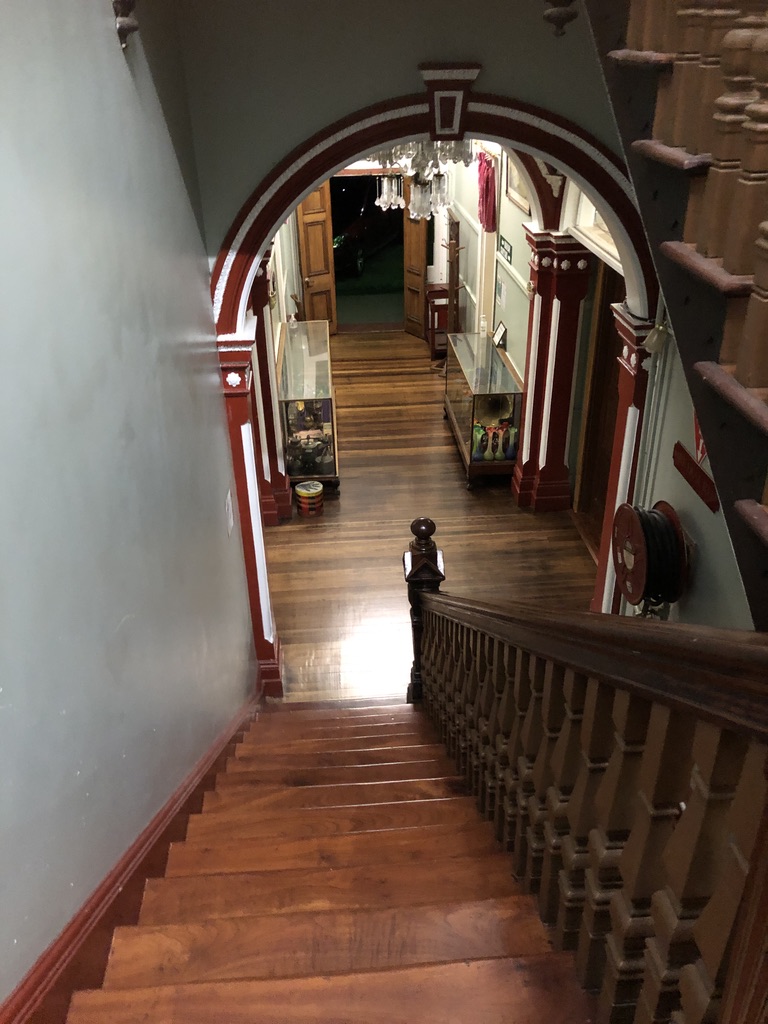
Looking down the main staircase at O’Mahony’s

“We have thirty-four bedrooms, and sometimes we fill them all,” Joan says. “And we’re listed on Airbnb.”

When I was young, living in a large country town, hotels were smelly places to walk past, with a bad reputation. My father, a temperate drinker, didn’t go into public bars except on ANZAC Day. The rest of the year he would buy the occasional bottle of wine or beer at the side door.  Now, after many years living and travelling through rural Queensland, I’ve learned to appreciate country pubs, whether magnificent buildings like O’Mahony’s or small, single-storied structures that have been the social centres of isolated communities for well over a century. They are places for travellers to stay and rest, places for locals to gather and relax and do business. I’ve often thought that for a family, perhaps with two or three generations together, a country pub would be a fine business to run, even providing a home.

When you stay in a country hotel it feels like home. It might be slightly daggy, but you have the run of the place: lounge and verandahs, breakfast room, bar. These old places all have stories; but as they age, and demographics shift, and times change, some of them become neglected and no longer viable.

Then, sometimes, the right people come along, people who are prepared to take them on and keep that tradition of hospitality going in the face of changing times; and not only magnificent places like O’Mahony’s.

Across Queensland there are many humbler hotels in tiny, isolated towns that provide the only meeting place for kilometres around. Road trippers love old country pubs, with their quirky bush décor of bush hats and branding irons and an atmosphere of yarns and larrikins; but they’re tricky businesses to run, what with pandemics and decreasing local populations, with insurance and regulations, transport costs and staff shortages, maintenance of old buildings and the eternal issues involved with dealing with customers and alcohol.

Hotels in tiny towns might sell groceries and fuel, provide campgrounds, run the local Post Office, maintain the local public toilets and run a Centrelink Agency. It sometimes seems as if liquor sales are incidental to everything else that goes on. The Heritage Listed Noccundra Hotel, along a gravel road in the Channel Country , 13 hours’ drive west of Brisbane, is like that.
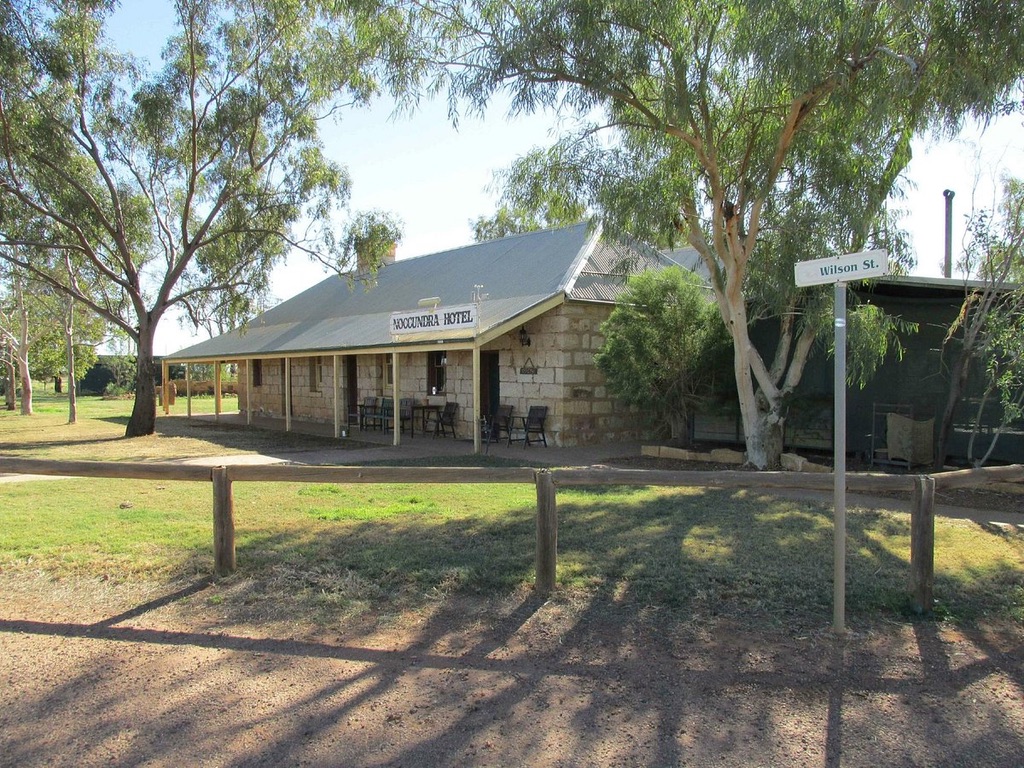
Noccundra Hotel Photo: tripadvisor.com.au

In Hebel, a local rescued the pub for the sake of the community. Hebel is a tiny town in south-western Queensland, on the Castlereagh Highway just north of the NSW border. When it looked as if the Hebel Hotel was going to close, because of drought, floods, farm closures, isolation and COVID, a local businessman farmer named Frank Deshon and his family bought it, along with the General Store, because they knew the community needed it.
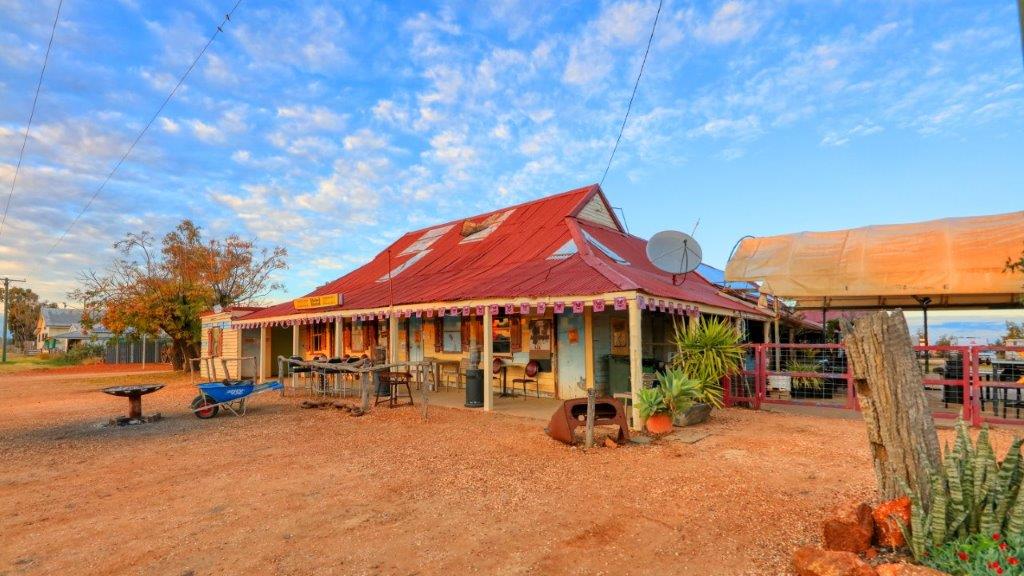
Hebel Hotel Photo: hebelhotel.com.au

Heather Ewart on ABC’s Backroads went there: https://www.youtube.com/watch?v=rb5p3wtKPC4

It’s not only locals who come to the rescue of dying bush hotels. Take the Quamby Pub.  Around fifty kilometres north of Cloncurry on the long and lonely road to Normanton, there’s not much happening in Quamby, except once a year for the rodeo. The small town died as roads improved and the local cattle and mining industries changed.

Ten years ago the old hotel was abandoned to the white ants, but in 2021 it was spotted by travelling Gold Coast friends. It was for sale, and they bought it, and rebuilt it for present day customers.

The photos on the Quamby Pub Facebook page document the arduous restoration process they went through, with the help of friends, locals, and even passing travellers. https://www.facebook.com/quambypub

Now the Quamby Pub is open once more, with food and drink, a big new covered deck out the back, camp sites, and even a pool.
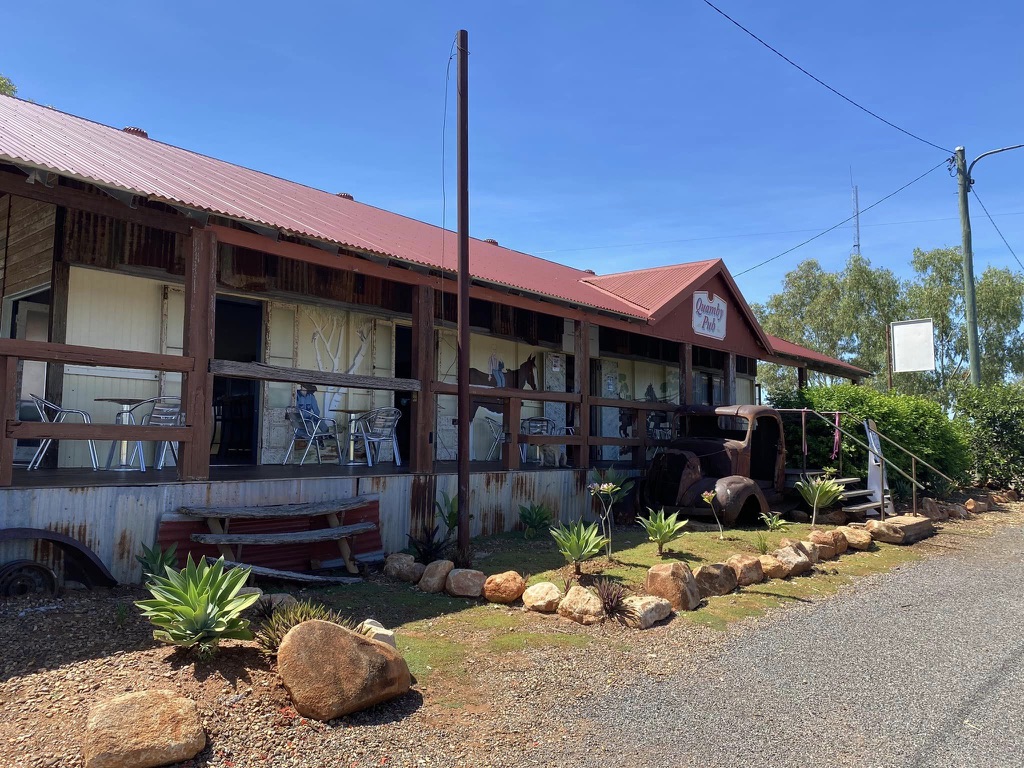
Judging by the response of locals and travellers it’s hard to imagine that the Quamby Pub will be closing down again. https://www.abc.net.au/news/2023-04-19/historic-quamby-pub-restored-by-gold-coast-tourists/102235284

Now, after all their devoted work, Joan and Kevin Wallace’s fine old Warwick hotel is on the market too. O’Mahony’s is up for auction, Joan tells me, and because of its iconic status locally, the sale has been the subject of news reports:  https://www.facebook.com/watch/?v=1635605283142106

The auction will take place on 19 July, 2023: just a couple of weeks from now. Want to buy a pub?
The Immigrant Rose

IMG_20180921_091222_resized_20180921_091355017

“I spent my wedding night there,” I tell my cousin Nadine as we drive past the Horse and Jockey Motor Inn.

“Really? Is there a plaque?”

We’re in Warwick, where our great-great-great-grandfather, Frederick Margetts, was for thirty-two years the medical officer at Warwick Hospital, as well as running his own practice.

We’ve learned quite a lot about Doctor Margetts. He was often involved in dramatic events that were reported in detail in the Warwick papers.

One day in 1878 he was called to attend a horrible accident: a five-year-old girl playing near a vat of hot tar had been scalded. He went at once, but there was nothing to be done – the little girl died before he got there.

The doctor attended many tragic accidents: men killed in falls from horses; people crushed by overturned drays; women burned in kitchen accidents, their long dresses caught in flames; snake bites, drownings, accidents to workers building the railway. There were inquests to be conducted into sudden deaths and suicides, and a time when he had the care, in the lock-up, of a man who had cut his own throat. Warwick was a wild town.

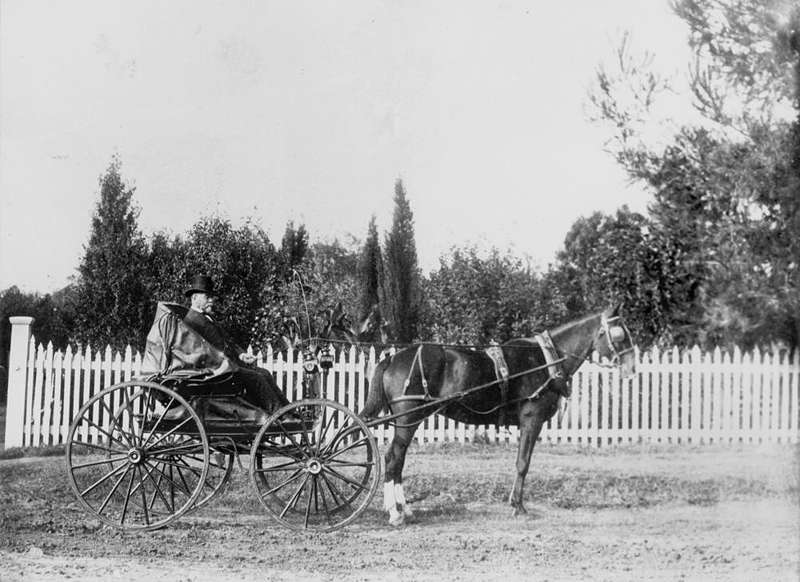
Everyone would have known the doctor, grey bearded and bushy moustached, driving out in his buggy to make a house call, visiting the hospital or walking down Albion Street to Church on Sundays with his wife and grown children. Not everyone liked him, though. His disputes in the Parish Council and feuds with local businessmen were also reported in the paper.

vteb9
Dr Frederick Margetts driving a buggy, probably outside his fence. State Library of Queensland

“He was pig-headed,” says Nadine.

“Very argumentative. Let’s find somewhere for lunch.”

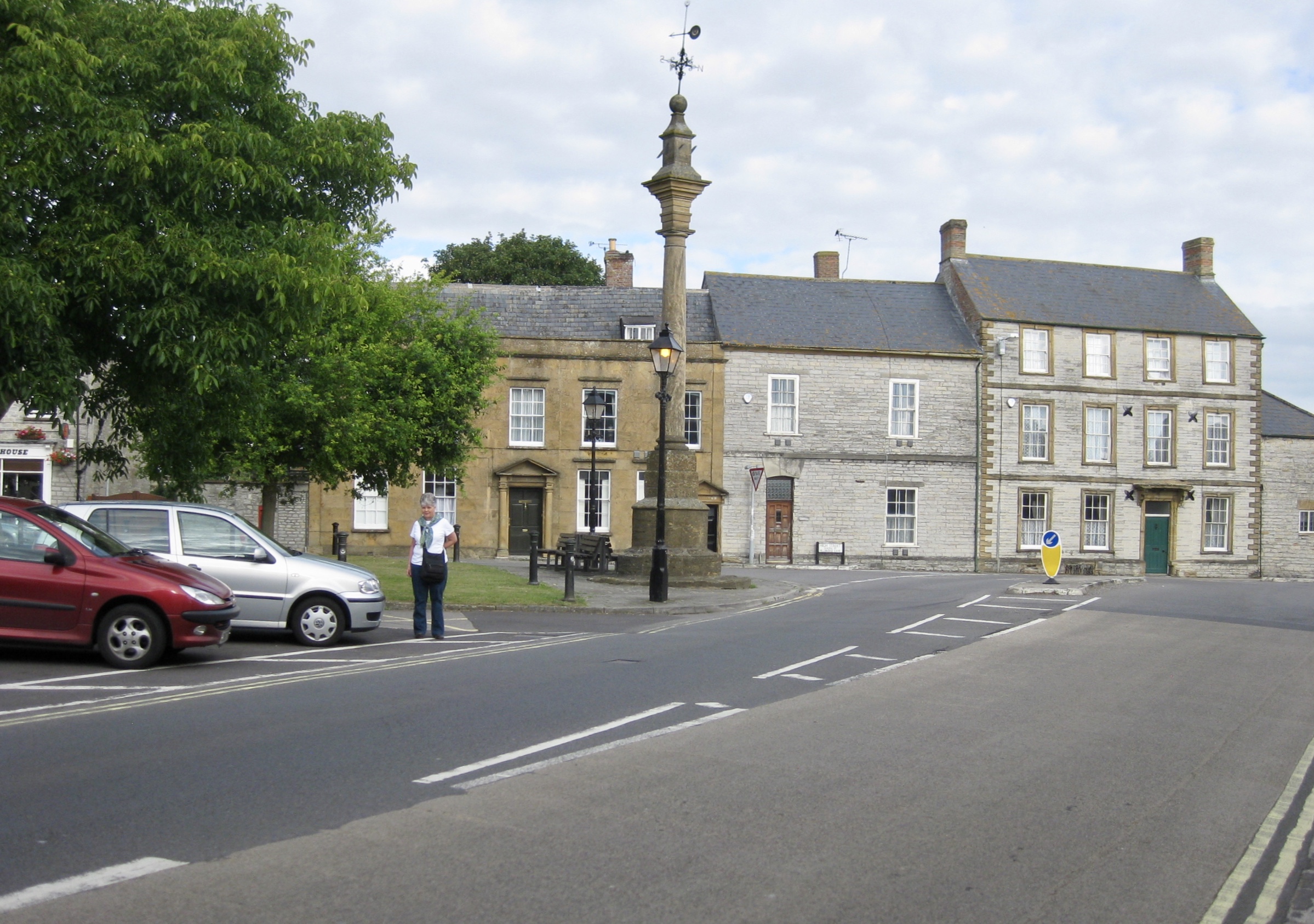
Frederick and Ann Margetts hadn’t planned to emigrate. They’d lived for over twenty years in the small town of Ilchester, Somerset, in a house on the market place where Frederick ran his practice and their six children were born. Then, in 1862, middle-aged and, seemingly, settled for life, they moved to Queensland.

fullsizeoutput_3e6e
In the market square of Ilchester, Somerset, with the Margetts house and surgery in the background – brown, with two doors

People left nineteenth-century England for lots of reasons – poverty, over-crowding, political unrest, a quest for security for their children – just as migrants and refugees do today. It takes courage and enterprise to move across the world for the chance of a better life.

Frederick and Ann moved for their children. Their eldest son George was consumptive, and the medical advice of the time said his best chance for survival was to live in a warm, dry environment.  The new state of Queensland was advertising in English newspapers for migrants, offering employment, land and a good climate; and Warwick was described as “the Garden of Queensland”. Moving to Warwick seemed a good idea for the whole family.

They embarked on the migrant ship City of Brisbane. Keen gardeners, amongst their luggage they took a rose bush. A white scrambling rose, it survived one hundred and forty days at sea to flourish in the new family garden in Warwick.

The move didn’t help George. He died the following year and was the first to lie in the Margetts plot in Warwick cemetery.

The family endured their share of troubles. In 1870, twenty-five-year-old Edmund was badly injured when his spirited young horse stumbled and rolled on him. Even then, there were reckless young men speeding in the streets of Warwick.

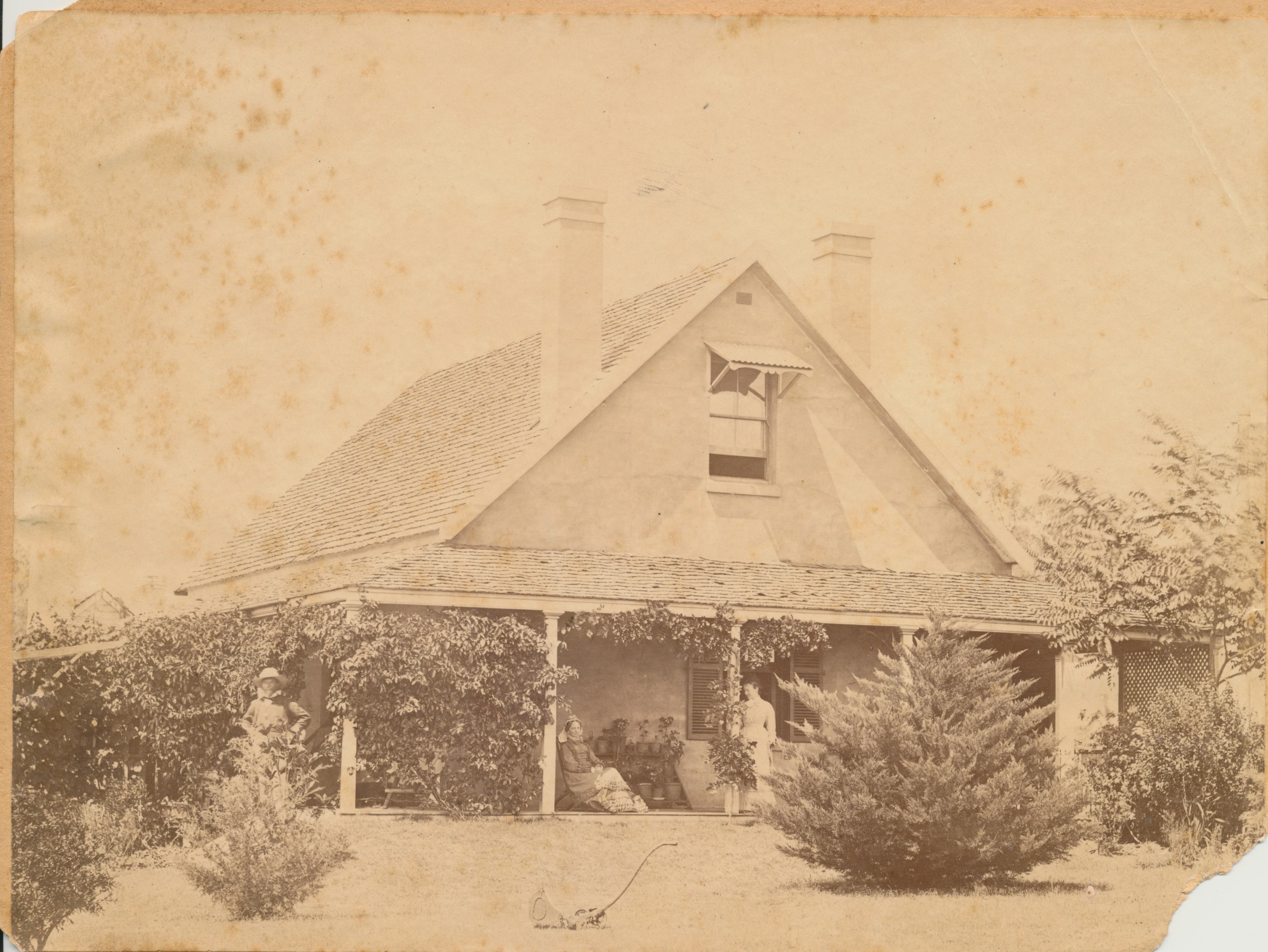
Margetts home Warwick
The Margetts family house in Warwick  Photo courtesy of Helen Lees

“It’s a pretty town,” says Nadine. “Fine old sandstone buildings, and lots of flowers and trees in the main street. And they call it the City of Roses! We can claim some credit for that.”

The Margetts were among the first Warwick residents to plant shade trees along the streets, and in 1876 Frederick was one of the organisers of the first Warwick Flower Show.

He and Ann spent the rest of their lives in Warwick, and today many of their descendants live on the Darling Downs. It was one of them who told me, several years ago, that there is still a family rose bush to be seen, on what had been Edmund Margetts’s farm. I went searching for it.

On a gentle slope where kangaroos bounded away through the long brown grass and curious cattle wandered across the paddock to watch, I found a broken-down picket fence. A few stumps and an old tap show where the farmhouse once stood.

Nearby was a strong and healthy rose bush, two metres high, growing without fertilizer or irrigation, struck from a piece of the rose that travelled across the world in a migrant ship, so many years ago.

I took some cuttings, and now the family rose is growing in my Brisbane garden. Its flowers are sweetly scented and plentiful, but its thorns are vicious. This is not a modern, well-behaved, grafted rose. It’s a survivor.

You have to be, to leave your homeland and put down roots in a strange country on the other side of the world.


Walking to Warwick

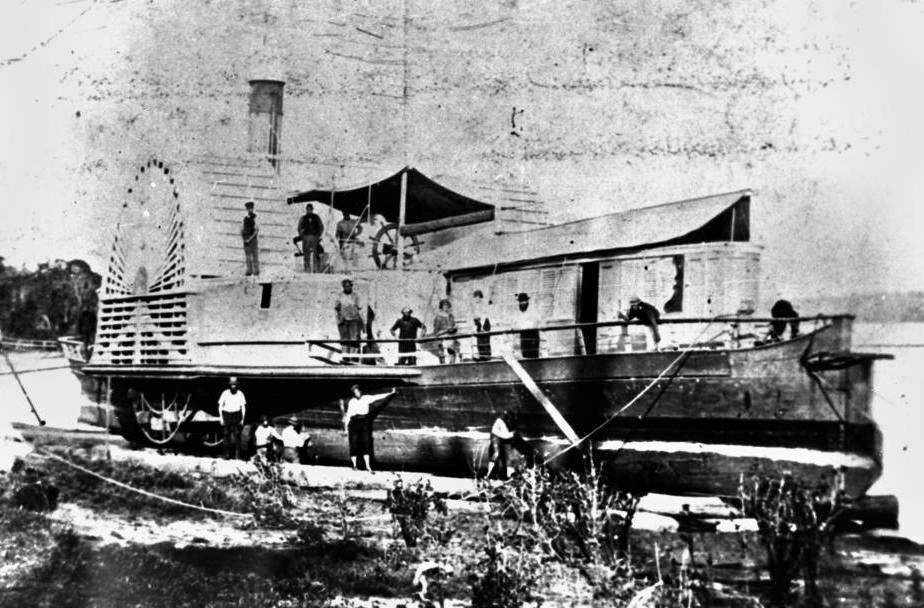
The steamer left Brisbane for Ipswich on a Monday morning in September. The “Ipswich” was a side-wheeler with a rudder at each end, and a shallow draft for navigating difficult areas such as Seventeen Mile Rocks and the shoals of the Bremer River.

fullsizeoutput_3327
The “Ipswich”. Photo from the John Oxley Library collection, SLQ

Paddlewheels splashing rhythmically and smoke pouring from the tall funnel, the steamer made its way upstream, following the slow bends of the Brisbane River, past thickly-wooded, vine-draped banks that would one day become the suburbs of St Lucia, Chelmer and Fig Tree Pocket.

James Matthews probably stood on deck with a mug of coffee, watching the passing scenery and talking to his new boss, Benjamin Glennie.

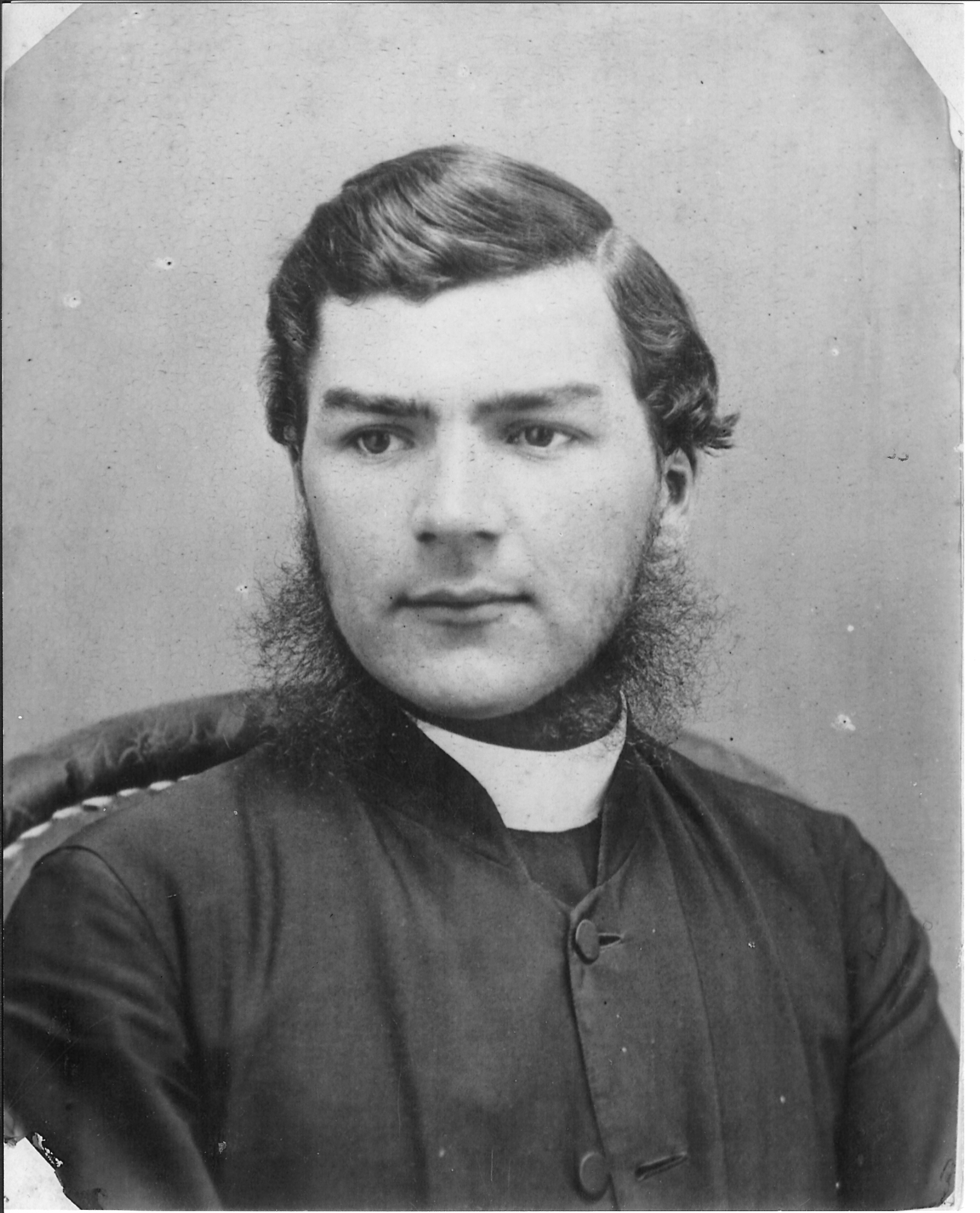
It was 1861, and the newly-independent state of Queensland was actively seeking English migrants. James, my great-great-grandfather, was one of them. Aged twenty-three and ordained only yesterday, he had come to Queensland to work in Warwick as a curate.

young james matthews James Matthews

For years Archdeacon Benjamin Glennie, now the rector of Warwick, had been the only Church of England clergyman on the Darling Downs. The eccentric Glennie loathed riding, so his travels around his huge parish were mostly done on foot, and this is how he and James would be travelling from Ipswich to Warwick. On foot.

Forty years later, in memory of Archdeacon Glennie, James described the trip in detail.[1]

On Monday morning, we started on our journey to Warwick, travelling to Ipswich in the steamer of the same name. The voyage occupied five hours.

The next morning the real work of our journey began. The Archdeacon’s old black horse was brought round and packed with a couple of valises and a pair of large saddle bags, consisting largely of my belongings, and off we trudged, the Archdeacon leading his horse.

That day they walked south for twenty kilometres, down the present-day Ipswich-Boonah Road. The two men would have encountered bullock teams dragging wool from the sheep stations, travellers on horseback and on foot, and the occasional buggy. Many would have recognised Benjamin Glennie. Perhaps they offered them a ride.

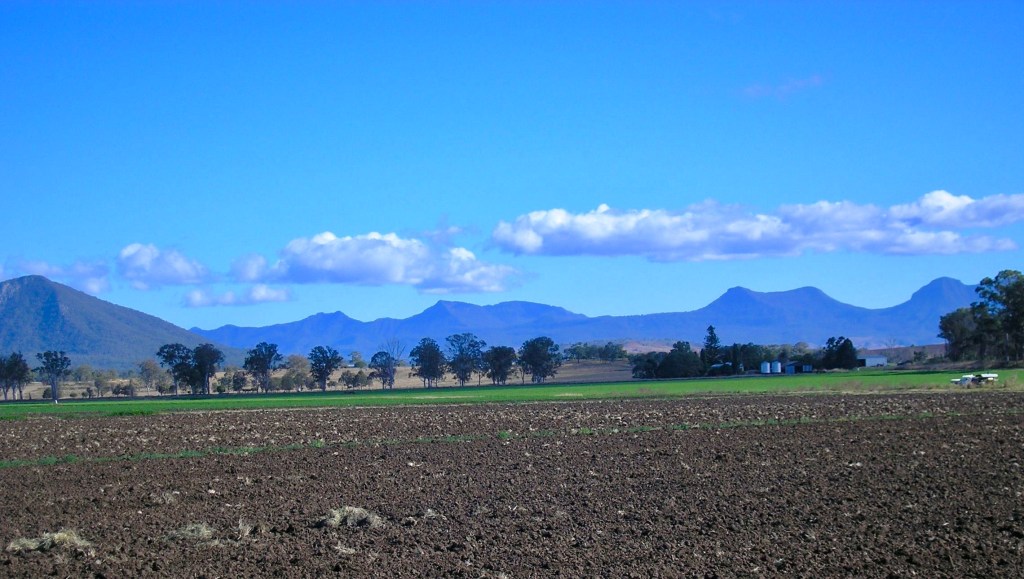
They spent that night with squatter William Watkins at Peak Mountain Station, near present-day Peak Crossing, its homestead set on a rise with a spectacular view towards Flinders Peak.

OLYMPUS DIGITAL CAMERA
Peak Station today

The following day we walked as far as Balbi’s, an accommodation house at the foot of the Range. 

All that Wednesday, covering over thirty kilometres over flat land and gentle hills, they would have seen ahead of them, through the trees, glimpses of blue mountain ranges.

In 1861 there were Aboriginal people living in this area – probably Ugarapul people. The two men must have met them on the road, but James left no mention of it.

Ironically, most of the roads walked by Benjamin Glennie and James Matthews would have been based on ancient trails of the Indigenous people who had been walking this country side for many thousands of years.

OLYMPUS DIGITAL CAMERA
Towards Cunninghams Gap

The two travellers spent that night in Balbi’s Inn, at the bottom of the range, beside the road to Spicer’s Gap. I’ve driven up that rough, gravel road myself, to sit at Governor’s Chair Lookout and enjoy its fine views east towards Brisbane and the coast.

On Thursday we crossed the Range, going through Cunningham’s Gap. There had been a heavy thunderstorm, the mountain streams were swollen, and we had to “double-bank” to get over. The Archdeacon got into the saddle and I jumped up behind.   

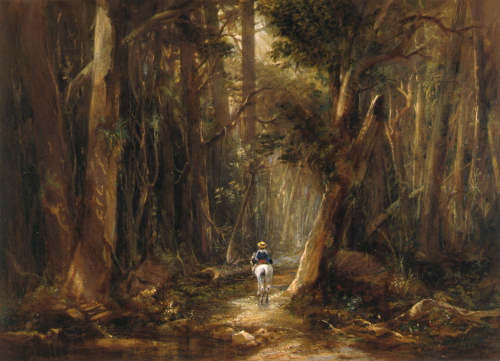
Wheeled traffic went over Spicer’s Gap, but riders and foot-travellers often took the bridle trail through Cunningham’s Gap. It would have been a tough journey up hill, but Benjamin Glennie was fit – according to James’s account he would vault a fence rather than stoop to go under it – and James was young. Looming cliffs and tall trees, the sound of bellbirds and whipbirds, cool air smelling of the rainforest: today they are still exhilarating, even though the way up the range is now a harsh slash through the forest, made noisy by semitrailers.

martens_cunninggap
“Forest, Cunningham’s Gap” Conrad Martens, 1856. Watercolour. QAG collection

From the top of the Range, they followed Gap Creek west to William Jubb’s Inn, a low building overlooking the stream. These days, a farmhouse occupies the old inn site beside the Cunningham Highway.

On crossing the last creek, I fell off into the water. Fortunately I had not far to walk to the inn, where Jubb rigged me out in a suit of his clothes while mine were being dried. He was a much bigger man than me. There was no one near with a camera, I am thankful to say.

OLYMPUS DIGITAL CAMERA
The site of Jubb’s Inn, above Gap Creek. Cunninghams Gap in the background

On Friday we lunched with Arnold Wienholt at his station Maryvale, in the afternoon proceeding onward to Glengallan, where we were put up for the night by that prince of squatters, John Deuchar.

All the land between Ipswich and Warwick was held by just six or seven squatters, members of the colony’s aristocracy. The Deuchars of Glengallan Station were famous for lavish hospitality in the sprawling cedar house where the two travellers spent that night. A few years later a new homestead was built, the elegant, now restored mansion visible from the highway.

After breakfast on Saturday morning we wended our way to Warwick, where we arrived in time for midday dinner, taking care to walk through the principal streets of the town so as to announce that the parsons had arrived and there would be church tomorrow.

Perhaps one day that walk to Warwick by Benjamin Glennie and James Matthews will be recreated. They were walking for a spiritual purpose, so it would be a kind of Queensland “Camino”, like the pilgrims’ pathways through Europe and Spain that are now so hugely popular. Great walks exist in Queensland, too, along ancient Indigenous pathways. We should pay more attention to them. Although they don’t pass through quaint medieval towns, they are just as old. The bridle trail through the forests of Cunningham’s Gap was probably one of them.

James Matthews married a Warwick girl named Mary Margetts. According to a family story he met her on the Spicers Gap road, a year or so after his long walk, when Mary’s hat blew away, and James caught it.

People journey, and people love. Some things will never change.

OLYMPUS DIGITAL CAMERA
Rose on the old trail along Gap Creek

[1]Excerpts from “A Few Personal Reminiscences of the Late Archdeacon Glennie” printed in “The Church Chronicle”, June 1, 1900.

Blog at WordPress.com.

Up ↑