Horror Stretch

Murder.

Travellers shot in their cars or sleeping bags.

Frightening reports in the papers.

In the 1960s and 1970s, Central Queensland place names Funnel Creek, Lotus Creek and Connors River held a weight of menace. Across that decade, several travellers were murdered by strangers when pulled up alongside the Bruce Highway between Marlborough and Sarina. The Marlborough Stretch became known as the Horror Stretch.

In his 2002 book “Seven Versions of an Australian Badland”, historian Ross Gibson writes in detail about those random murders and the other violent acts that occurred in this region over the previous century.

He writes, “This stretch of country is an immense, historical crime scene.”

Gibson also describes its cyclones and floods; and it was because of floods that Con and I once found ourselves stranded here with our children.

In the early January of 1974, on our way north to Cairns, we drove the Horror Stretch, as we had done before; but this year was different. This year was very wet indeed. Later that month, Australia Day weekend, record floods would inundate Brisbane.

From our home in Burketown, we had driven down to Brisbane for Christmas – 2200 kilometres of bitumen and gravel, with two young children and no car air-conditioning. But we were young, and we were used to it.

In those days, the Burketown water supply was untreated. We had a rainwater tank for drinking, but our bath water came from a lagoon where the local kids swam. It is not surprising that when, over Christmas, I began to feel ill, a doctor diagnosed hepatitis A.

There was nowhere for us in Brisbane, with me suffering from an infectious disease.

“I could have you taken into custody,” said the doctor. “If you don’t undertake to keep yourself away from people, that’s what I’ll do!”

We had a holiday apartment waiting for us in Cairns, and so we set out on the three-day journey north, in spite of warnings of flood rains along the way.

We crossed Lotus Creek on our second day on the road, 120 kilometres north of Marlborough and driving through rain, dipping down on to the narrow, single-lane bridge, with swirling, brown waters close beneath its decking, then up past the roadhouse on the north bank.

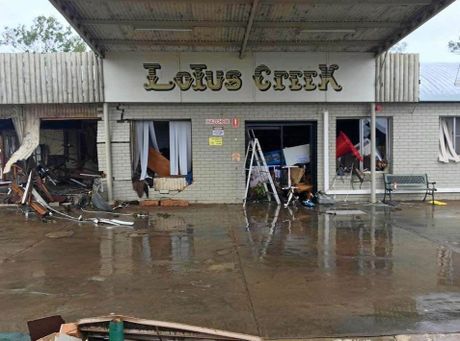
lotus creek roadhouse
Lotus Creek Service Station after Cyclone Debbie, March 2017. Rockhampton Morning Bulletin

Twenty kilometres further on we crossed the Connors River, with even higher water; but when we reached Funnel Creek, we were stopped. Water was racing over the bridge and halfway up the flood marker.

“We’re going back,” called out one of the other travellers pulled up at the flooded bridge. “Connors River is coming up. If it goes over the bridge there, we’ll be stranded.”

Worried, we turned back too, crossed Connors River safely and spent that night in the car, parked beside the road, just south of the river. The rain poured down, so we had to close the windows, except for a crack. It was hot, and there were mosquitoes.

We locked the car doors and tried not to think of how many people had been murdered along this road. Fourteen months later, skydiving couple Noel and Sophie Weckert would be shot by strangers here at Connors River.

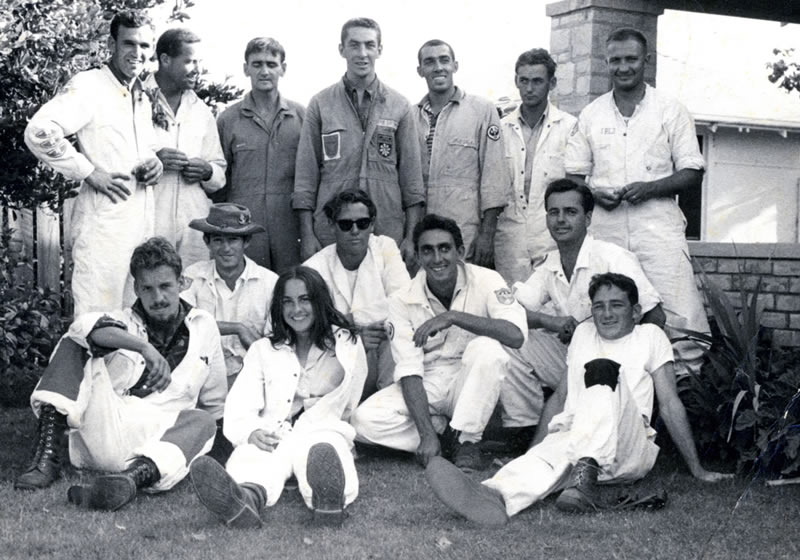
noel weckert
Back row, 4th from left – skydiver Noel Weckert. South Australian Skydivers

Next morning, we drove further south, hoping to get back to Marlborough; but now the water was over the bridge at Lotus Creek. We were marooned.

There were a dozen carloads of people caught there, congregated at the Lotus Creek Roadhouse. The manager let us have an old caravan out the back for that night. It was broken-down and dusty, with grimy mattresses and no bedding, but it was more comfortable than the car. And it felt safer.

There wasn’t much food at the roadhouse, but we had our own supplies – including the only bread available for breakfast next morning. We shared it with other travellers, but the manager charged us for toasting it.

After breakfast, we drove north again and joined the queue waiting at the Connors River for the water to go down. It was a long, hot wait. People shared stories about floods, snakes and breakdowns. Some dozed in their cars. Our small children squatted in the gutter beside the car, playing with a toy truck.

The water was still over the bridge when cars began to cross. We took our turn, with a towel draped across the grill to minimize the wet coming in over the engine. As we drove up the slope on the other side, I bailed water out the window with an icecream container.

We did stupid things as young parents.

Having made it through to Cairns, a couple of weeks later we flew back to Burketown. The day Brisbane flooded, we were flying over the Gulf Country, across a sea of floodwater, the winding Carpentaria rivers marked only by the tops of trees along their banks. Our final leg home from the airstrip was in a tinnie.

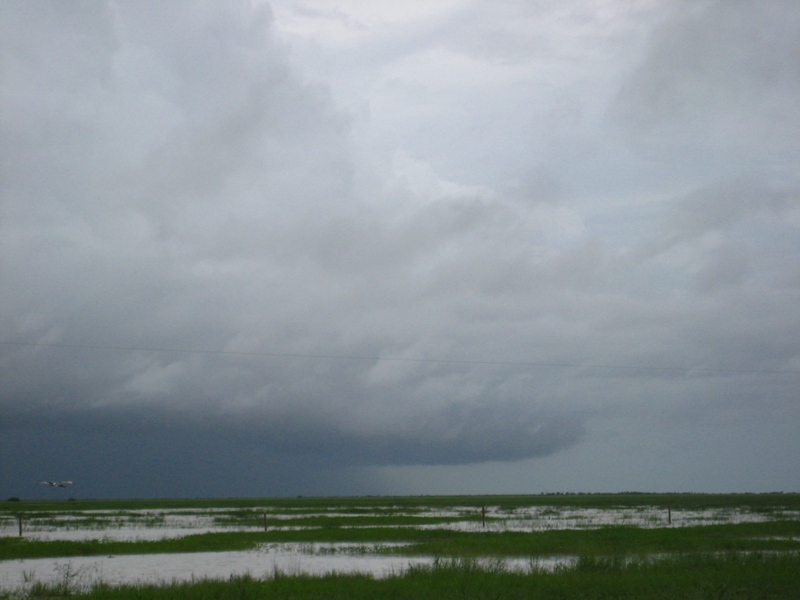
IMG_7928
Gulf Country under floods

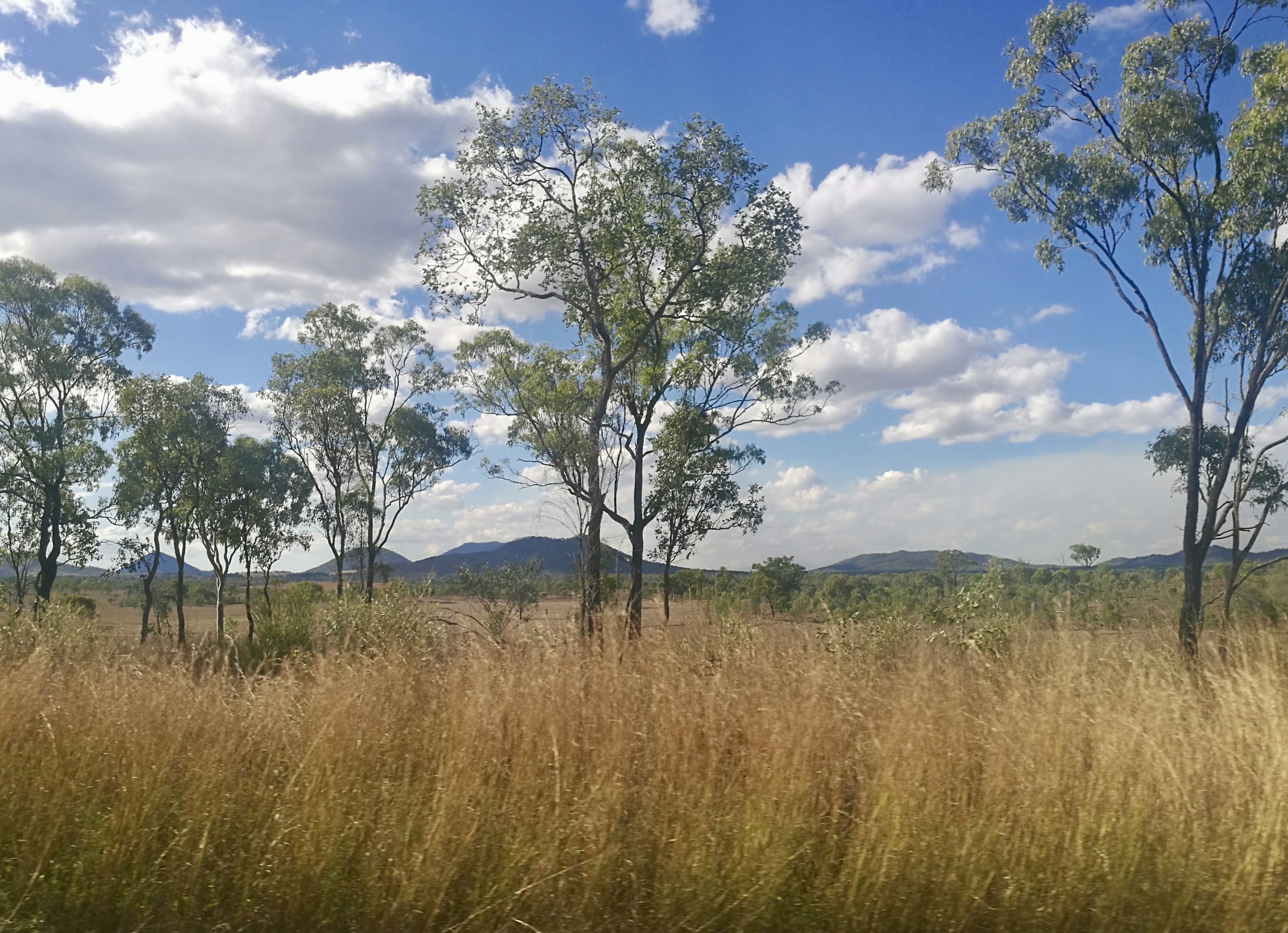
The highway doesn’t follow the Horror Stretch now – it takes a shorter, more easterly route past Saint Lawrence, and it’s a wide, well-made road and a pleasant, high-speed drive, with pasture and bush land, spectacular ranges in the background and station homesteads out of sight up dirt tracks and behind gates and grids. In a good season, tall grass stands golden along the road edges, bright against the blue mountain ranges.

fullsizeoutput_3ef3

Many still remember the murders of the Horror Stretch, though; and there have been even more frightening outback murders in the fifty-odd years since. There’s horror in the idea of a madman emerging from the dark lonely bush to murder a stranger.

That said, more travellers have died when driving voluntarily through floodwaters. Crossing flooded Connors River with young children in the car is the memory that gives me nightmares.

ANZAC Stories


Most of us Australians left sacred sites on the other side of the world – the River Jordan, the Ganges, the Thames. Our ancestors who came from overseas brought the stories with them, but many of us still hold a yearning for the places. Ancient stories, the myths that bind us to the earth, are always attached to places.

Indigenous Australians who know their sacred places and the stories that go with them have a feeling of deep belonging that might elude the rest of us, no matter how much dust in our hair or dirt under our fingernails, or how many generations of our ancestors have lived here.

The mythology of Australia that we, as a nation, have taken most to our hearts is based on stories of foreign places: Gallipoli, and the battlefields of France and Belgium. In Canberra last week, I went to see the sixty-two thousand knitted red poppies that are flowing across the lawns surrounding the Australian War Memorial. It’s a beautiful sight, just like the poppy-strewn fields of France. The poppies stand for the Australians who died.

IMG_20181028_171001_resized_20181031_124719464
At the Australian War Memorial

This striking display is there to commemorate 11 November 2018, the one hundredth anniversary of Armistice Day.

No one who fought in the First World War is alive now, and few who fought in the Second World War. My father was a prisoner of war in Changi and on the Burma Railway, and after he came home, he always attended the ANZAC Day Service at the Nambour Cenotaph. For him it was personal. He remembered the faces of the men who’d died and suffered around him.

The War Memorial at Kranji War Cemetery in Singapore overlooks the countryside Dad and his battered company fought across, in 1942, in the last days before the surrender. That story is not often told.

kranji-war-cem1_orig
The memorial in Kranji War Cemetery, Singapore

Now, for Australians, the iconic story of Australians in World War Two is the story of Papua New Guinea’s Kokoda Track.

In Australian culture, these foreign places – Gallipoli, the battlefields of France and Belgium, the Kokoda Track – symbolize all our deaths in war. The people who served in these places have become a source of inspiration – the embodiment of courage, toughness, sacrifice, and a dry and cheeky humour that we regard as our own.

These foreign places have become our own iconic places. Huge numbers of Australians make pilgrimages overseas to visit them; and at home, every town has its local equivalent: a war memorial. Here the ceremonies take place year after year, with symbols and rituals, music and costume, and the re-telling of uplifting stories.

For veterans and their families, war memorials and ANZAC Day commemorations are personal, not matters of mythology; and on most war memorials there are lists of names. In the Australian War Memorial in Canberra, there are more than one hundred thousand names on the bronze panels of the Roll of Honour, all of them people who have died as the result of war service.

The Western Queensland town of Roma has trees for memorials. Wide-trunked, beautiful bottle trees line the streets. By 1920, ninety-three had been planted to commemorate ninety-three local men who died in the First World War. Each tree had a plaque with the name of a soldier, date of his death, and the words “Lest we forget”. Most of the trees still stand, giving Roma’s streetscapes a unique dignity and charm.

IMG_20180929_111126_resized_20181002_025008910
Memorial bottle tree in Roma

The War Memorial in Barcaldine is restrained and elegant – a granite and marble clock tower, standing in the middle of an intersection. It has four clock faces, each surrounded by a marble wreath, and the names of the two hundred and ninety-two locals who went away to fight in World War One. My grandfather’s name is among them. He was one of the lucky ones; thirty-eight died overseas.

IMG_2218
War Memorial in Barcaldine


My father’s name is one of the many on the National Freedom Wall in Mount Coot-tha Botanical Gardens, and on the Ex-prisoners of War Memorial in Ballarat.

IMG_5834
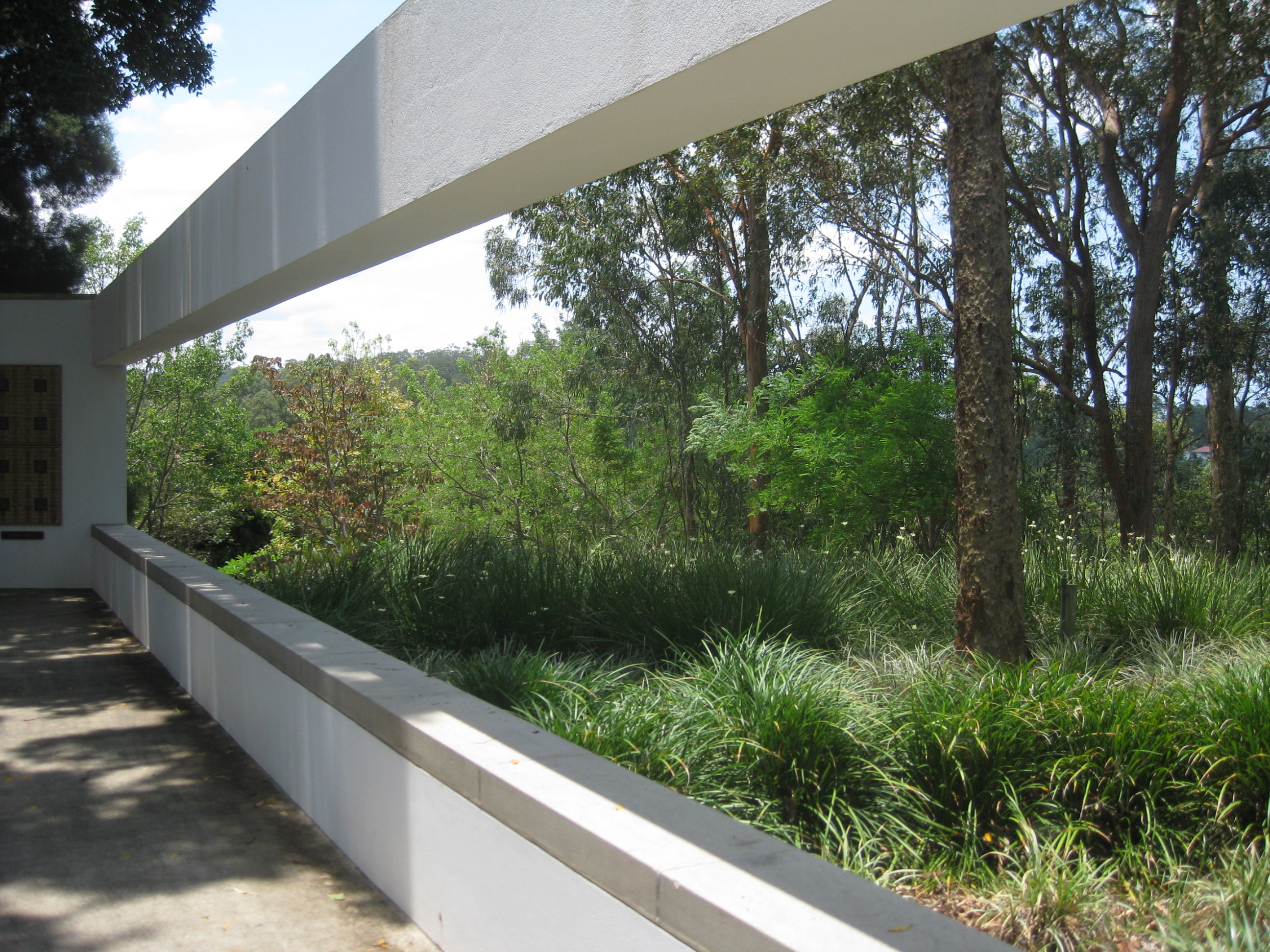
Looking out from the National Freedom Wall, Mt Coot-tha Botanical Gardens

I remember Dad’s few stories of the war, mainly funny ones. I also remember when, in his seventies and suffering from Parkinsons Disease, barely able to articulate anymore, he suddenly spoke clearly. He said, “It’s hard to burn bodies with wet wood.”

His mind had gone back to the days on the Railway, when cholera struck the camps and men who helped burn infected bodies in the morning could themselves be dead and burned by evening.

Stories. I remember them when I see his name on these memorial walls.

We can’t spread our thoughts over all of the suffering of Australians in time of war. Instead, we focus on the battles of World War One. When we take part in the events of ANZAC Day and Armistice Day, when we stand before eternal flames and war memorials, they symbolize the pain of all the wars. The stories and the familiar rituals bring us together, not to go shopping, or to eat or drink or surf, but to think about something bigger than the individual, something that encourages higher aspirations.

We should never let this degenerate into flag-waving, patriotic theatre, the glorification of war, or divisive, bitter discourse. We shouldn’t let politics or the marketplace intrude. They intrude almost everywhere else.

We should also acknowledge the wars on our own soil – the Frontier Wars that happened here in Australia from 1788 onwards, as Indigenous people fought for their land and lifestyle, and suffered the heart-breaking loss and destruction of their own ancient, sacred places.

My favourite memorial stands among trees, looking out over the sea, in a sandy park in Cardwell, Far North Queensland. It’s the memorial to the Battle of the Coral Sea, which happened right off this coast. This was a crucial sea and air battle of 1942, fought with bombs and long-range guns. People living in the North listened in awe to the rumble of artillery far out at sea.

fullsizeoutput_3ef1
The Memorial to the Battle of the Coral Sea, Cardwell FNQ

This battle was fought in defence of our own place, our own stories. And not a poppy in sight.

IMG_20181028_170844_resized_20181028_060208535

“It’s the Freedom!”

IMG_20180703_103540_resized_20180714_112650945
Two powerful rigs at the Marlborough Roadhouse, Central Queensland

All the cupboard doors flew open on the way north. When we stopped for lunch, cans of baked beans were rolling around on the floor among plastic plates and cups and packets of biscuits. On the way home, the door fell off on to the road.

This was my first and only experience of caravanning. I was seven. It was a rented plywood van pulled by the family Vanguard, from Nambour to Yeppoon. The grey Vanguard: what an ugly car that was.

fullsizeoutput_3e99
Caravan holiday with Vanguard

We never went caravanning again. From then on, it was Dad’s old army tent, from Melbourne to Cairns, out west to Barcaldine and beyond. I remember nothing but pleasure on those economical tent holidays. I was hitched on road trips, but not on caravans; unlike so many other grey-haired people today.

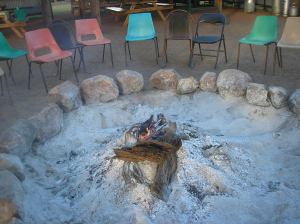
One winter, Con and I took a trip to western Queensland and spent a night at Nardoo Station campground, north of Cunnamulla. At Happy Hour, twenty or so grey nomads sat chatting, drinks in hand, resting their feet on the warm stones of the fire pit. All of them were on long trips with caravans or motor homes.

OLYMPUS DIGITAL CAMERA
After Happy Hour – the fire pit at Nardoo Station

I spoke to people from all over the eastern states that evening, from the Adelaide Hills to the suburbs of Sydney.  When I asked them why they made these extended journeys each winter, they all said the same thing. “It’s the freedom.”

Freedom from family obligations, from work, from lawn mowing. It’s a fine thing to leave it all behind, liberated from routine and drudgery, and stimulated by new sights and sounds, friends and stories; perhaps feeling really alive for the first time in years.

Then Happy Hour was over, and everyone disappeared back into their campers and vans to watch television.

In the United States, retirees who migrate south for the winter are called snowbirds. Seniors from cold states leave home before the first snow of winter and travel to Florida or Arizona, to Palm Springs or Sun City. Thousands drive their recreational vehicles to the same RV resort each year. The parks advertise themselves as “Snowbird Friendly” and they attract so many large campers and caravans the shining roofs turn the countryside white.

quartzsite_arizona_rock_city_1_t658
Snowbirds at Quartzsite, Arizona Photo from San Diego Reader

In Australia, the move is from south to north, from May to October. Thousands of units of all shapes, sizes and capabilities head up the main roads, many of them travelling on or over the speed limit, others cruising along with semi-trailers and work vehicles packing up behind them, waiting for a passing lane.

Caravans are fancier these days – friends of mine bought one recently and had to take it back straight away because the wine cooler wasn’t working – but not everyone wants a huge, luxury caravan. There are different cultures amongst grey nomads, and different values. Younger retirees call themselves adventure travellers, and tow sturdy off-road camper trailers. They tackle the Birdsville Track and Tanami Desert, and scorn cheesey camper slogans: “Adventure before Dementia”, or “Spending the Kids’ Inheritance”.

I met one such couple who had camped at the basic, unpowered campgrounds of Karijini National Park in Western Australia’s Pilbara, a most beautiful place.

Back on the coast at Karratha, they’d told other travellers about Karijini.

“It’s wonderful!” they said to a woman in a neighbouring van. “Are you going there?”

“No,” she said. “We don’t have the battery capacity.”

“Can’t you run the lights off the car battery?”

“Yes, but not the TV. I can’t miss ‘Home and Away’.”

Each year, travelling retirees bring millions of dollars to country town economies; but they are careful with their money. The most they spend in any one town may be a few dollars for groceries, a meal at the RSL Club, and fuel. Like backpackers, they watch every dollar.

There’s a story, true or not, of a couple of men going into the bar of a country hotel. They order schooners of beer. To their astonishment, the publican charges them only ten cents a glass. They drink their beers and order another round, and the same thing happens.

The publican explains. “I won Gold Lotto, and I decided I’d buy this pub and charge everyone just ten cents a beer.”

“What a great idea!” says one of the visitors. “But tell me, those blokes sitting at the end of the bar, they haven’t ordered a drink the whole time we’ve been here. Why is that?”

“They’re grey nomads,” said the publican. “They’re waiting for the half-price drinks at Happy Hour.”

The Immigrant Rose

IMG_20180921_091222_resized_20180921_091355017

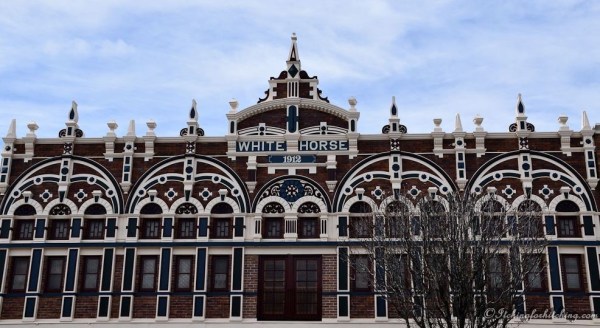
“I spent my wedding night there,” I tell my cousin Nadine as we drive past the Horse and Jockey Motor Inn.

“Really? Is there a plaque?”

We’re in Warwick, where our great-great-great-grandfather, Frederick Margetts, was for thirty-two years the medical officer at Warwick Hospital, as well as running his own practice.

We’ve learned quite a lot about Doctor Margetts. He was often involved in dramatic events that were reported in detail in the Warwick papers.

One day in 1878 he was called to attend a horrible accident: a five-year-old girl playing near a vat of hot tar had been scalded. He went at once, but there was nothing to be done – the little girl died before he got there.

The doctor attended many tragic accidents: men killed in falls from horses; people crushed by overturned drays; women burned in kitchen accidents, their long dresses caught in flames; snake bites, drownings, accidents to workers building the railway. There were inquests to be conducted into sudden deaths and suicides, and a time when he had the care, in the lock-up, of a man who had cut his own throat. Warwick was a wild town.

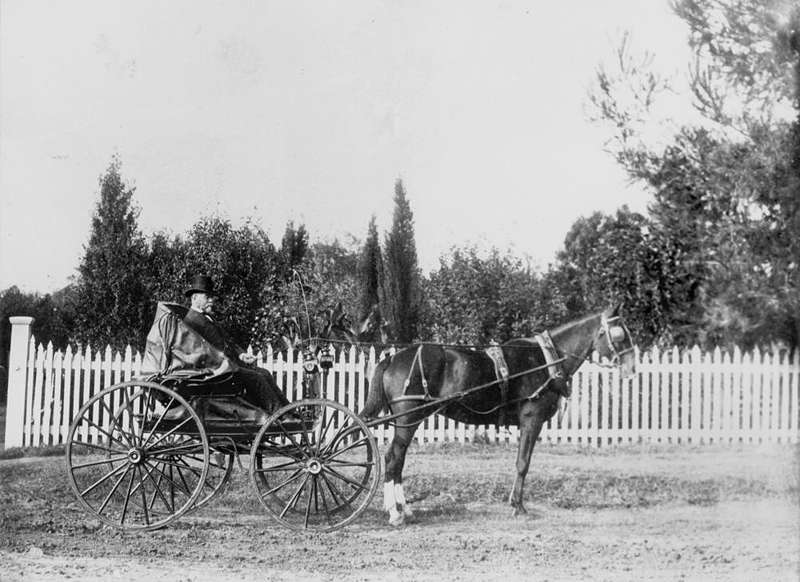
Everyone would have known the doctor, grey bearded and bushy moustached, driving out in his buggy to make a house call, visiting the hospital or walking down Albion Street to Church on Sundays with his wife and grown children. Not everyone liked him, though. His disputes in the Parish Council and feuds with local businessmen were also reported in the paper.

vteb9
Dr Frederick Margetts driving a buggy, probably outside his fence. State Library of Queensland

“He was pig-headed,” says Nadine.

“Very argumentative. Let’s find somewhere for lunch.”

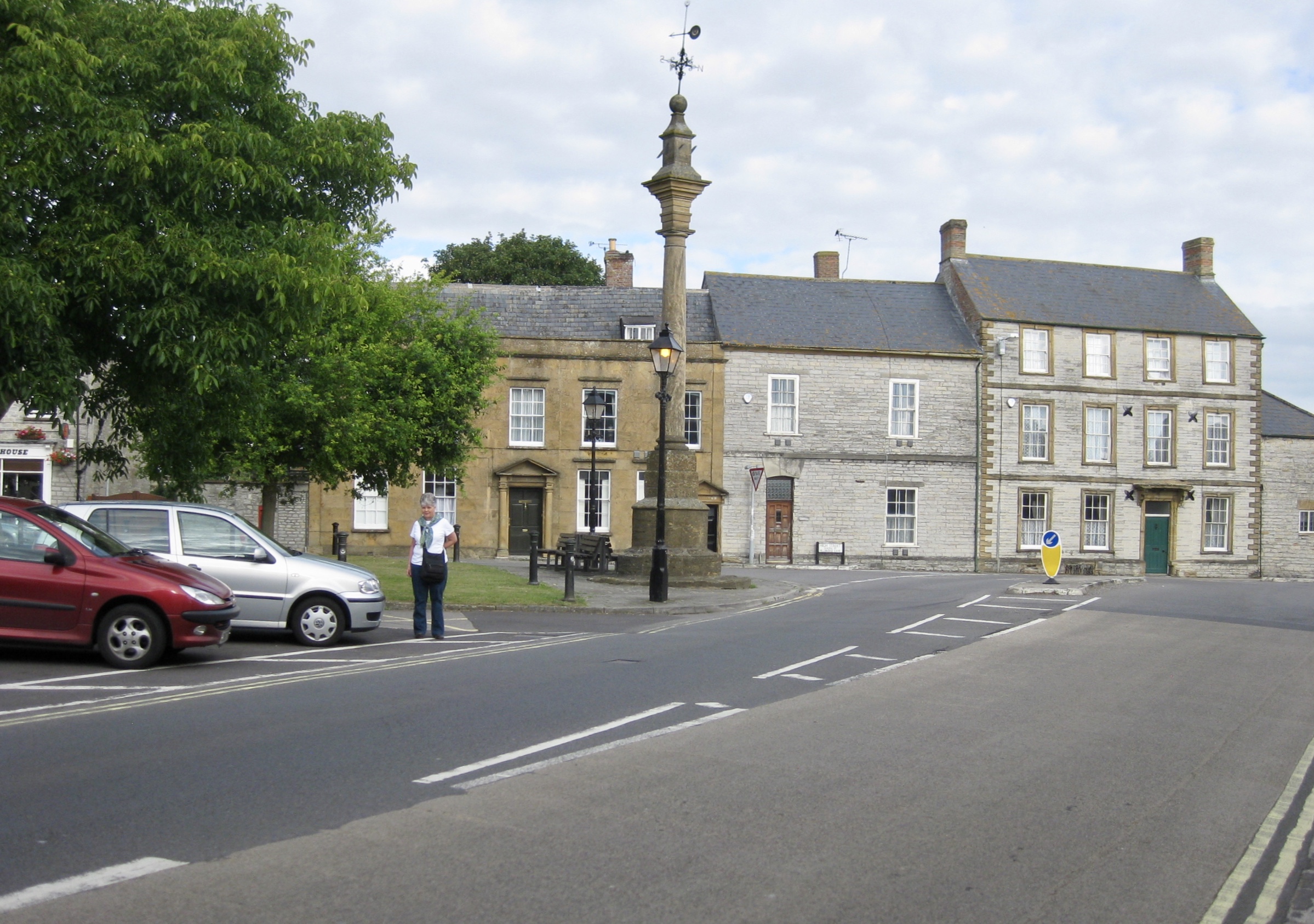
Frederick and Ann Margetts hadn’t planned to emigrate. They’d lived for over twenty years in the small town of Ilchester, Somerset, in a house on the market place where Frederick ran his practice and their six children were born. Then, in 1862, middle-aged and, seemingly, settled for life, they moved to Queensland.

fullsizeoutput_3e6e
In the market square of Ilchester, Somerset, with the Margetts house and surgery in the background – brown, with two doors

People left nineteenth-century England for lots of reasons – poverty, over-crowding, political unrest, a quest for security for their children – just as migrants and refugees do today. It takes courage and enterprise to move across the world for the chance of a better life.

Frederick and Ann moved for their children. Their eldest son George was consumptive, and the medical advice of the time said his best chance for survival was to live in a warm, dry environment.  The new state of Queensland was advertising in English newspapers for migrants, offering employment, land and a good climate; and Warwick was described as “the Garden of Queensland”. Moving to Warwick seemed a good idea for the whole family.

They embarked on the migrant ship City of Brisbane. Keen gardeners, amongst their luggage they took a rose bush. A white scrambling rose, it survived one hundred and forty days at sea to flourish in the new family garden in Warwick.

The move didn’t help George. He died the following year and was the first to lie in the Margetts plot in Warwick cemetery.

The family endured their share of troubles. In 1870, twenty-five-year-old Edmund was badly injured when his spirited young horse stumbled and rolled on him. Even then, there were reckless young men speeding in the streets of Warwick.

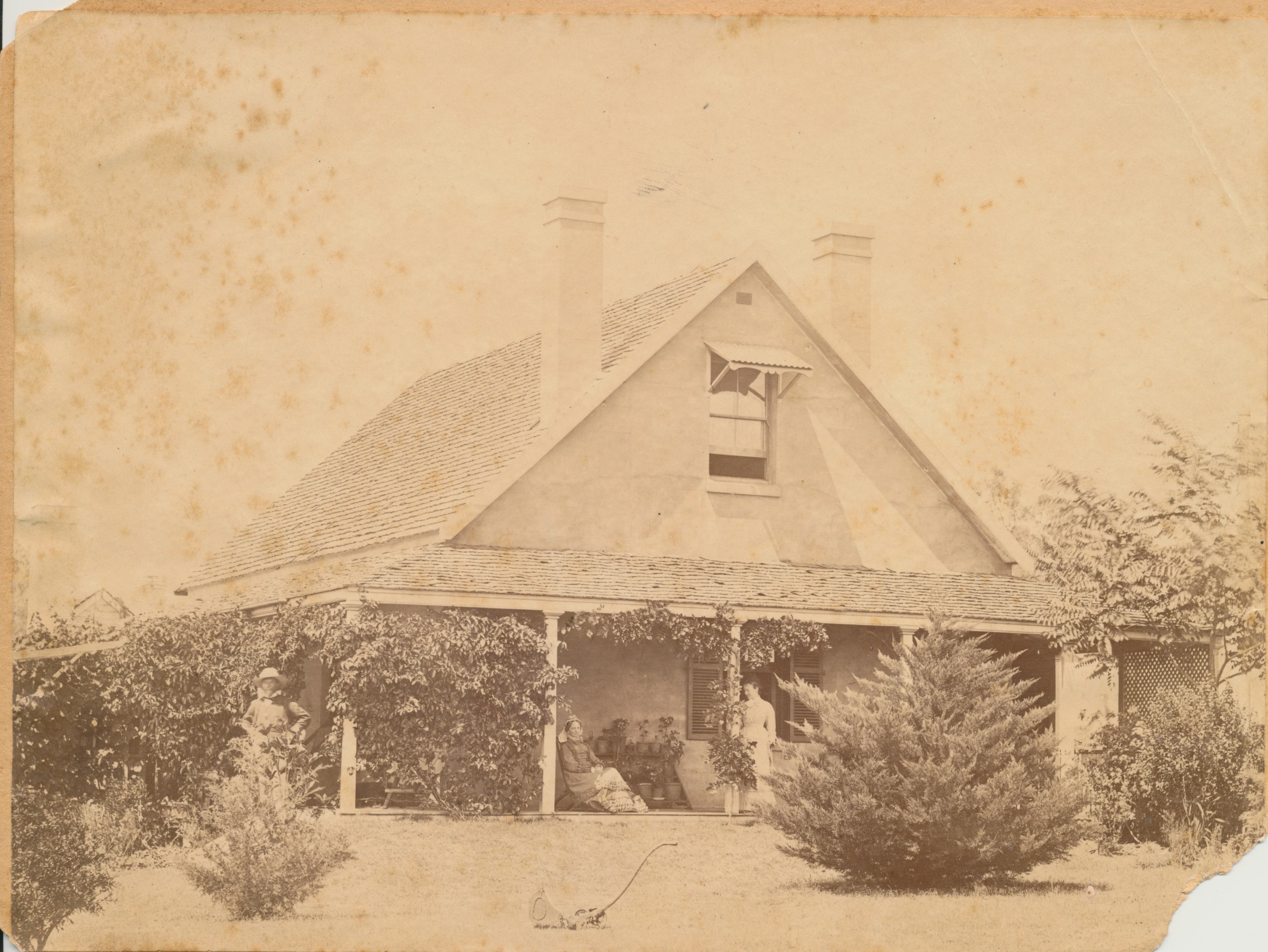
Margetts home Warwick
The Margetts family house in Warwick  Photo courtesy of Helen Lees

“It’s a pretty town,” says Nadine. “Fine old sandstone buildings, and lots of flowers and trees in the main street. And they call it the City of Roses! We can claim some credit for that.”

The Margetts were among the first Warwick residents to plant shade trees along the streets, and in 1876 Frederick was one of the organisers of the first Warwick Flower Show.

He and Ann spent the rest of their lives in Warwick, and today many of their descendants live on the Darling Downs. It was one of them who told me, several years ago, that there is still a family rose bush to be seen, on what had been Edmund Margetts’s farm. I went searching for it.

On a gentle slope where kangaroos bounded away through the long brown grass and curious cattle wandered across the paddock to watch, I found a broken-down picket fence. A few stumps and an old tap show where the farmhouse once stood.

Nearby was a strong and healthy rose bush, two metres high, growing without fertilizer or irrigation, struck from a piece of the rose that travelled across the world in a migrant ship, so many years ago.

I took some cuttings, and now the family rose is growing in my Brisbane garden. Its flowers are sweetly scented and plentiful, but its thorns are vicious. This is not a modern, well-behaved, grafted rose. It’s a survivor.

You have to be, to leave your homeland and put down roots in a strange country on the other side of the world.


Reading Queensland

I like reading books about places. It adds extra layers of enjoyment to my travels, in Queensland and beyond. They can be learned and literary books, or lighter romances and mysteries; but sharing in the experiences of others, especially when they’re good observers, helps me to get under the surface of a place.

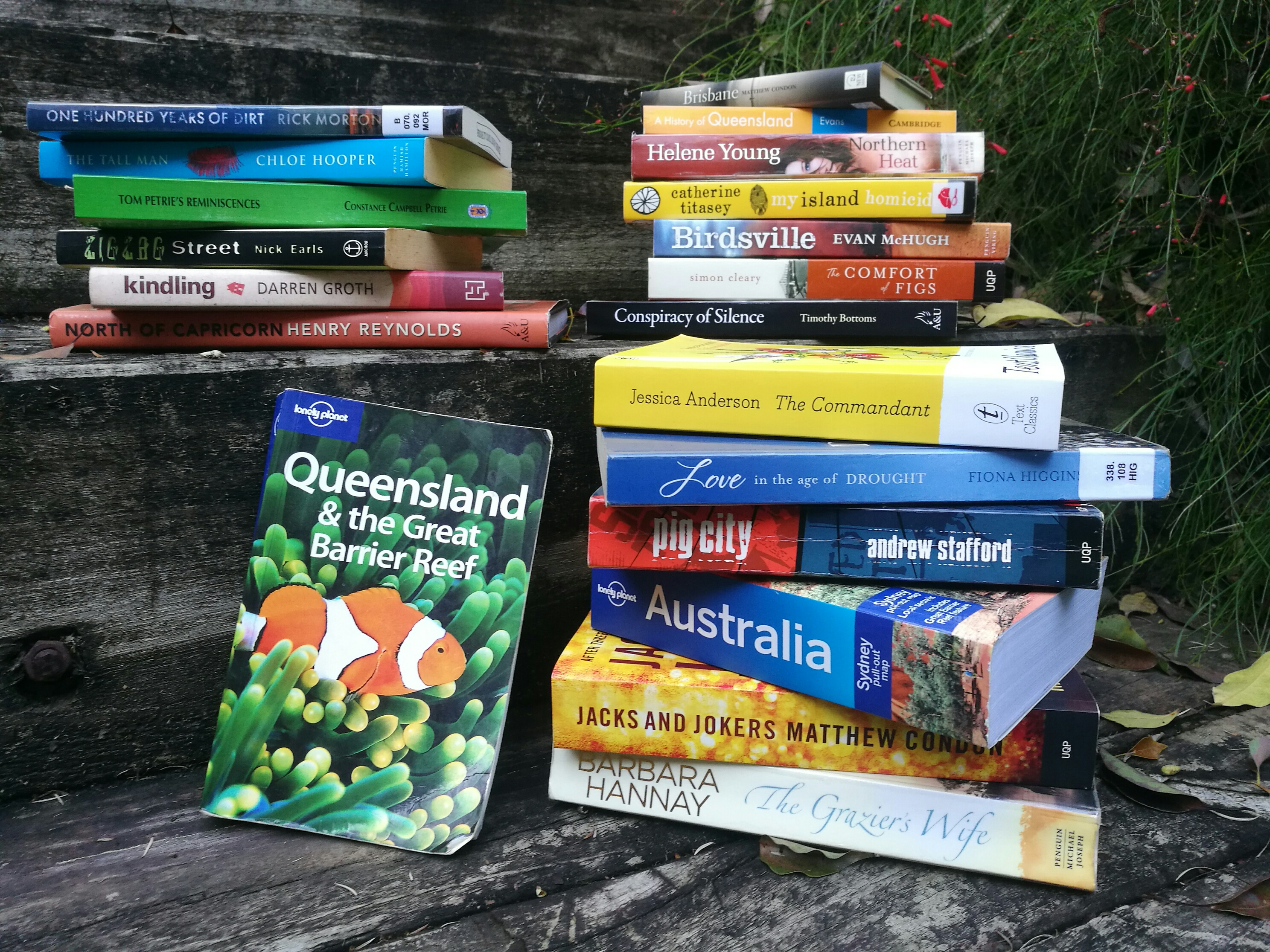
These are just a few of my favourite books about Queensland.

Please add other titles in the comments section. I’m always looking for more.

IMG_20180910_161225_resized_20180910_041345488

Fiction

  • “The Commandant”, Jessica Anderson. Fine, literary, perceptive novel of convict imagesBrisbane under Captain Logan. Brutality and death in the penal colony as observed by the Logan womenfolk. 


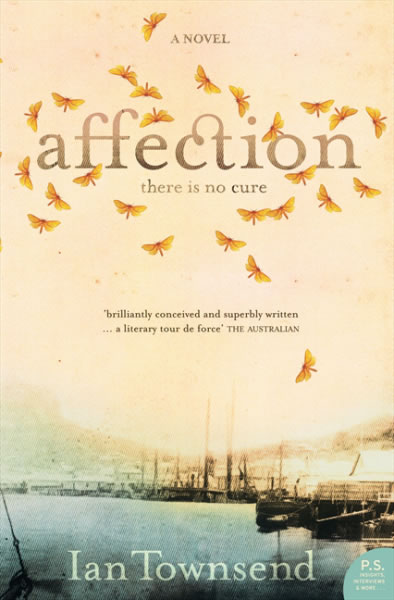
  • Affection”, Ian Townsend. 2010. Historical novel set in Townsville in 1900 when the affectioncity was under threat of the plague. Doctors enforce unpopular measures to prevent it. (Dilemma of scientists: if they succeed in preventing a threatened disaster, people will say it wasn’t a danger in the first place.)


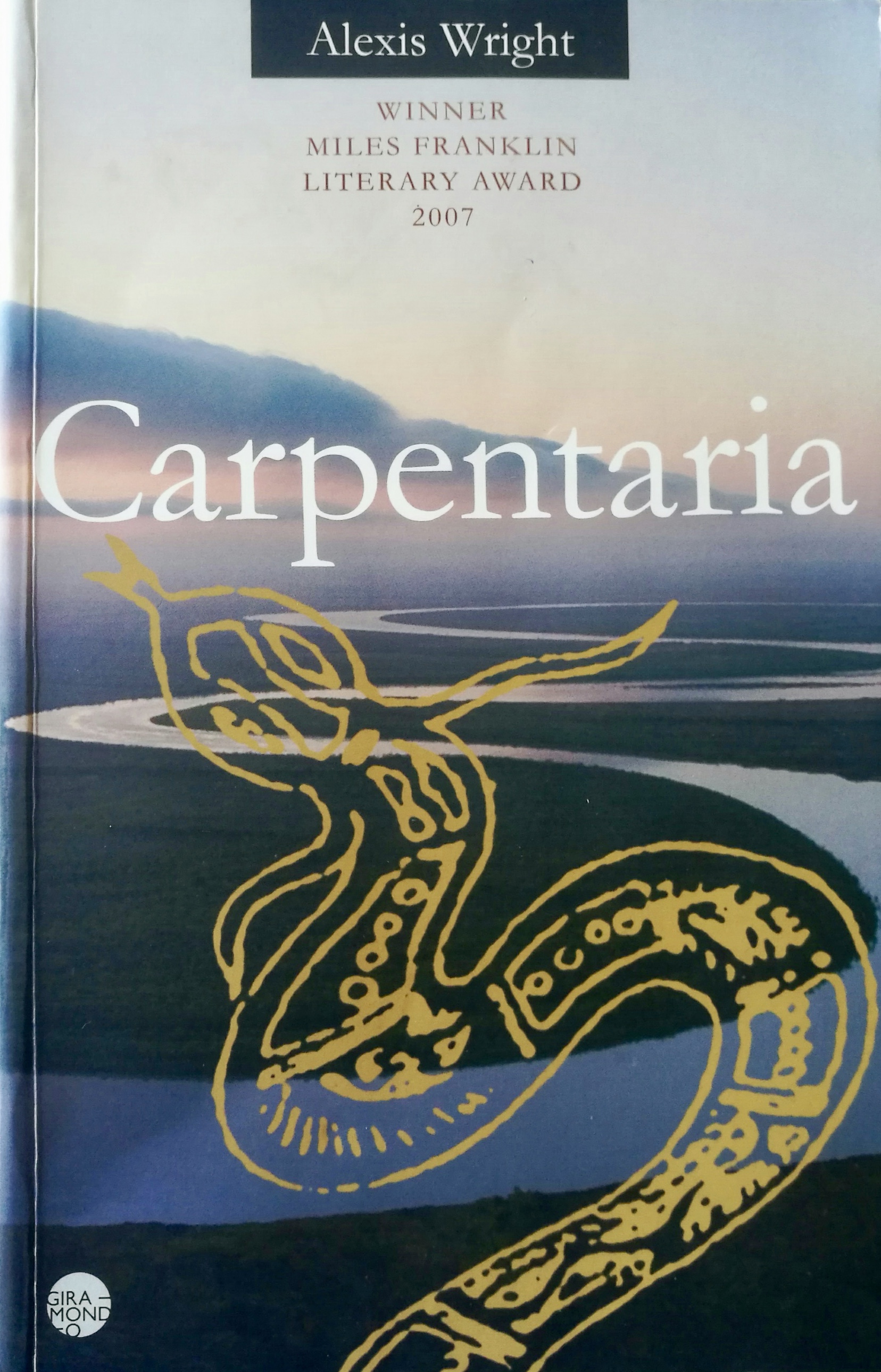
  • “Carpentaria”, Alexis Wright. A magnificent literary saga of the Gulf of Carpentaria, written by an Indigenous Australian with a unique and fullsizeoutput_3e0caccomplished voice and an authentic image of the land, its people and its mythology. In the tradition of Xavier Herbert.


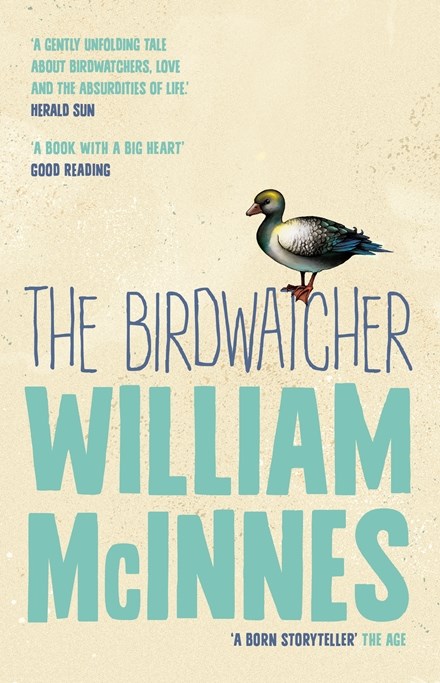
  • “The Birdwatcher”, William McInnes. A sweet, wise, grown-up love story set in Far 9780733632976North Queensland. Some ‘60s nostalgia, poetry, and lots of birds.


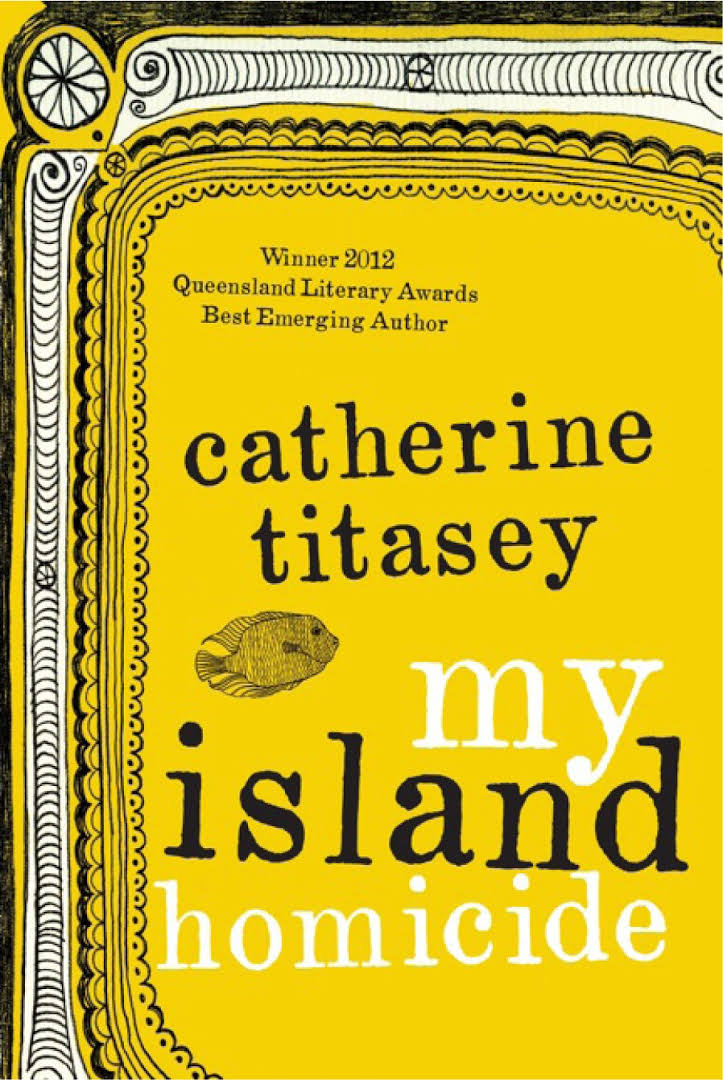
  • “My Island Homicide”, Catherine Titasey. Set on Thursday Island, this is a likeableimages romance/detective novel. Authentic language and background in a fascinating part of Queensland.


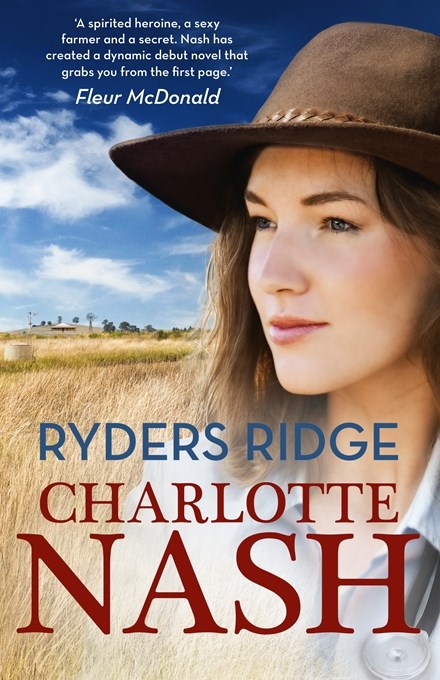
  • “Ryders Ridge”, Charlotte Nash. An enjoyable rural romance set inryders north-west Queensland. Red dirt, big hats, doctors.


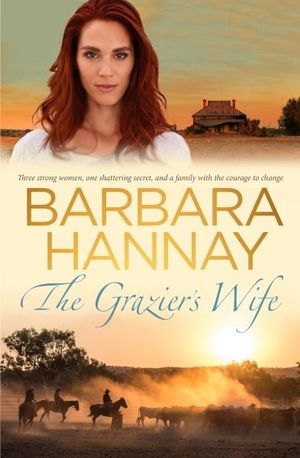
  • “The Grazier’s Wife”, Barbara Hannay. 2017. A multi-generation rural romance setthe-grazier-s-wife on the Atherton Tableland. Cattle, rainforest, Singapore, antiques, a secret will.


  • “Boy Swallows Universe”, Trent Dalton. 2018. Enjoyable, scary, boy swallowsuplifting, suspenseful story of growing up in a crime-affected family in Brisbane. Darra and Bracken Ridge, Boggo Road Gaol and City Hall. Violence and love.


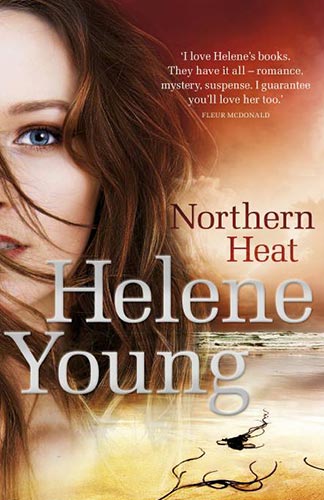
  • “Border Watch”, Helene Young. 2011. A FNQ romantic thriller Northern-Heat1written by an ex- airline captain and Border Patrol pilot. One of several novels by this author set in Queensland including “Safe Harbour”, 2014, and “Northern Heat”, 2015, which is set in Cooktown.


Non-fiction

  • “Lonely Planet – Queensland and the Great Barrier Reef”, and “Lonely Planet – Australia”. The first covers the tourist areas and the coast; the second covers the inland areas of the state. Lots of interesting local information.


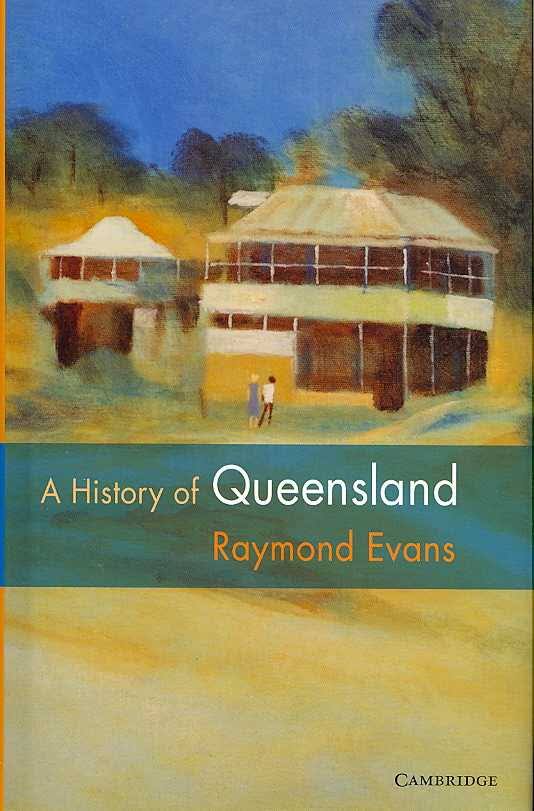
  • “A History of Queensland”, Raymond Evans. 2007. Interesting scholarly in-depth account by a well-known historian ofimages Qld life and development from earliest human habitation to the 2000s. 


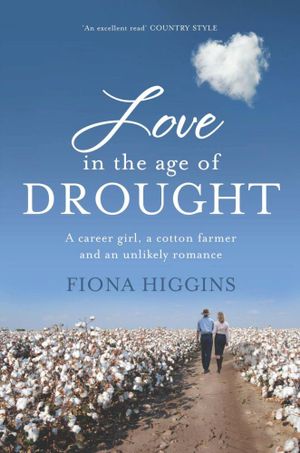
  • “Love in the Age of Drought”, Fiona Higgins. 2009. The memoir of a loveSydney woman who marries a farmer from Jandowae, on the Northern Darling Downs. Love, drought, life in a small town, the black soil plains west of the Bunya Mountains. I lived here as a teenager.


  • “Brisbane”, Matthew Condon. 2010. Affectionate, memoir-style look at Brisbane, its history, condon brisbanearts, way of life and unique qualities as a lively sub-tropical city, by a journalist who knows the city well: its good and its bad. (Part of the “Secret Life of Your City” series about State Capitals.)


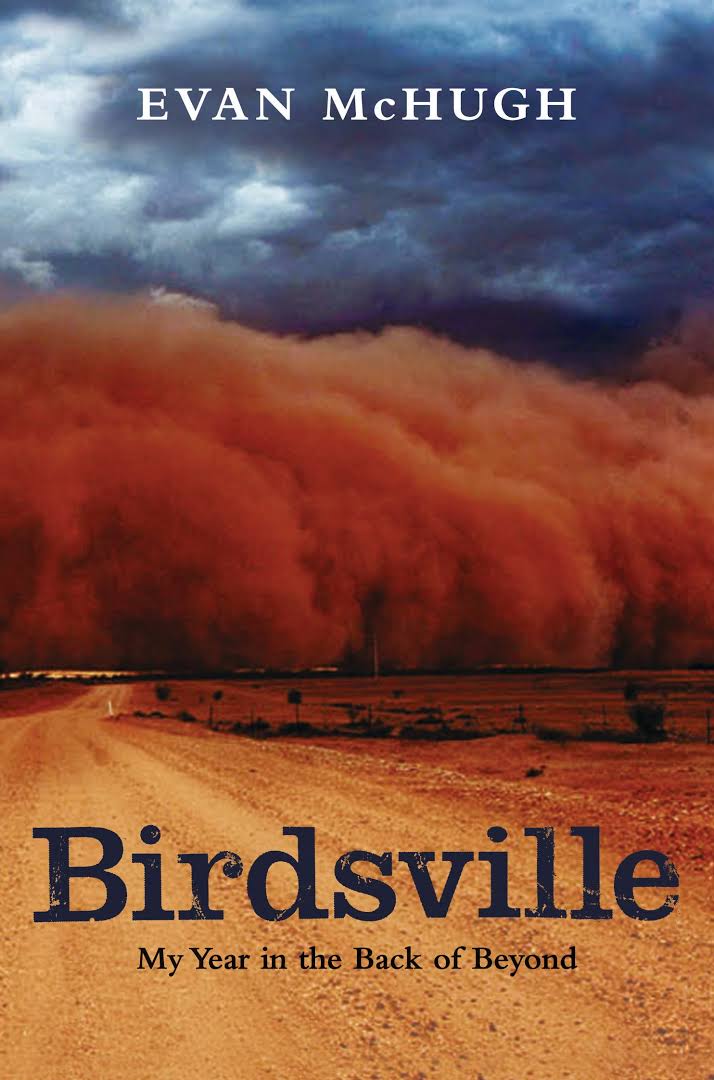
  • “Birdsville”, Evan McHugh. 2009. Dust storms, bogs, sand dunes, race meetings, rescues,images locusts, building a golf course in the desert: a Sydney freelance writer and his graphic designer wife spend twelve months in Birdsville.


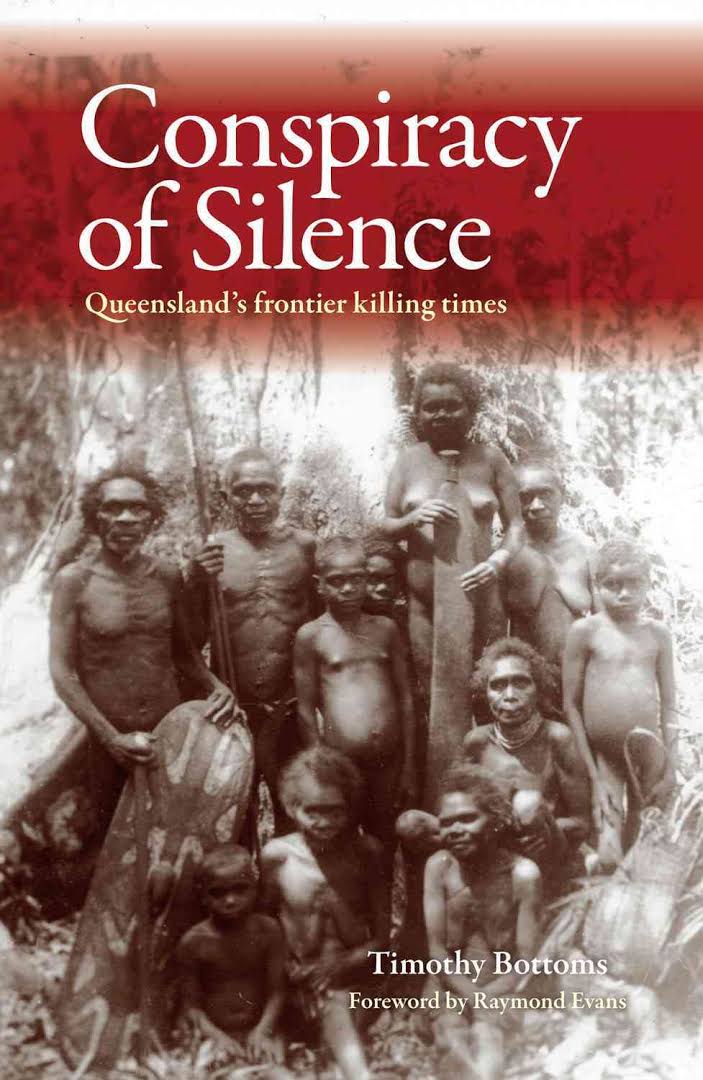
  • “Conspiracy of Silence: Queensland’s frontier killing times”, Timothy Bottoms. 2013. imagesHarrowing account of the acts of violence that accompanied pastoralists’/investors’ seizure of Queensland pastoral land from Aboriginal inhabitants.


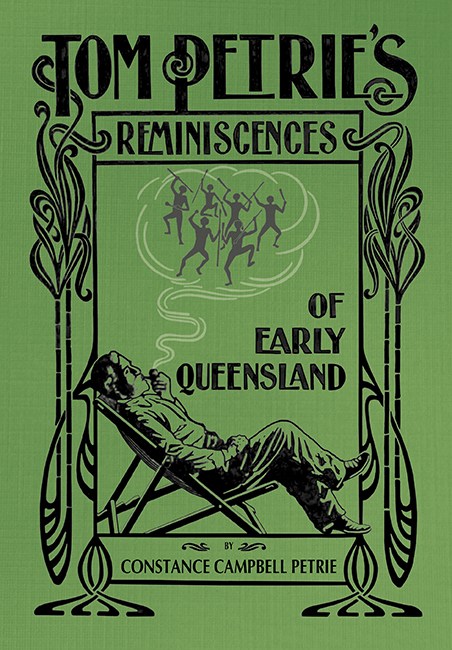
  • Tom Petrie’s Reminiscences of Early Queensland”, Constance Campbell Petrie. tom petrieRe-published 2014. This important 1904 book details life in Brisbane and South-east Qld from 1837, when little Tom Petrie arrived at the convict settlement of Moreton Bay with his family. Local Aboriginal people, their foods, customs and language, as well as convict life and early white exploration.


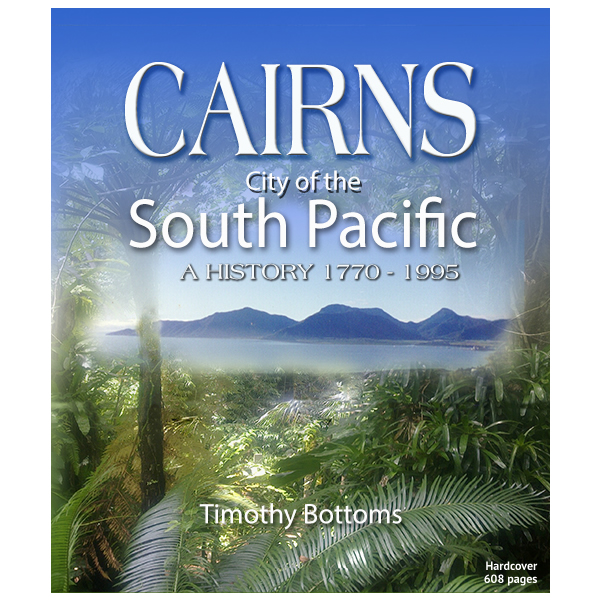
  • “Cairns: City of the South Pacific. A history 1770-1995”, Timothy Bottoms. cairns-city-of-the-south-pacific-history-productInteresting, ambitious, detailed work.

Building homes for Brisbane birds

This is a great project for Brisbane wildlife, and applicable across the state.

Mt Gravatt Environment Group's avatarPollinator Link

By: Michael Fox

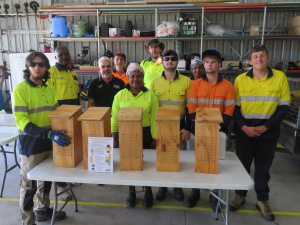
Building team - 12 Sept 2018 Home Building team: (l-r) Frank, Mabanza, myself, Andy, Salinda, Greg, Jackson, Dulcie, Ryan and Jack

Meet the proud team building new homes for Brisbane birds.

Yesterday, I joined Frank, Mabanza, Andy, Salinda, Greg, Jackson, Dulcie, Ryan, Jack and Chris Lockhart SQW Project Supervisor at the Hendra Pony Club site for our second workshop making nest boxes.

Skilling Queenslanders for Work project of the Nundah Community Living Association Inc. is training and inspiring participants in environmental habitat restoration.

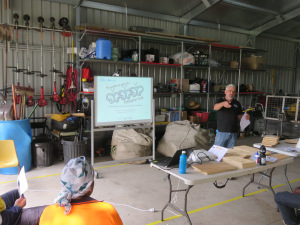
Presenting SQW - 12 Sept 2018 Introducing Pollinator Link

A nest box building workshop for future habitat heroes is a great opportunity to share the Pollinator Link® vision.

I first introduced participants to the threat of urban habitat loss and opportunities for creation for of a new city wide wildlife habitat by providing Water, Food and Shelter in backyards, balcony gardens, school yards and council parks to complement the island habitats like Mt Gravatt Conservation Reserve

View original post 186 more words

Gracemere Saleyards

I like this article about the Gracemere Saleyards. The Roma Saleyards are interesting too. Provides a glimpse for a traveller into the real life of a place.

Itching for Hitching's avataritchingforhitching

Winter 2018, Rockhampton, Qld

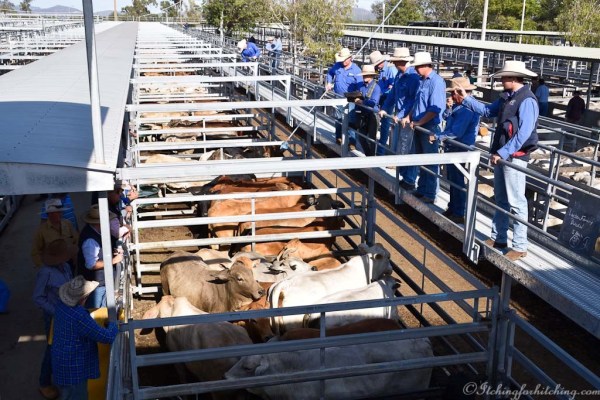
Up early to race out to Gracemere to enjoy Rocky’s finest. The Gracemere Saleyards are the largest in the Southern Hemisphere. There is an open Saleyards complex and an arena for the sale of blue blood stock to be paraded before potential buyers. An official in an Akubra hat explains that we can walk on all the raised catwalks except those marked for staff. Looking around we notice that all the men and most of the women here are wearing Akubra hats and the men certainly all have bowed legs. They must learn to ride before they can even walk around here. As we look down from the catwalk the auctions are conducted at great speed and with military precision. The cattle are brought in the night before and each pen is marked with owner, locality, number and gender of cattle. Sorry beasts. Eg. Smith, Collinsville…

View original post 291 more words

Bowen Arrow

“Bowen Arrow. That’s a good name for a motel!”

As Con drives, I’m looking online for a place to spend the night. Bowen will be a convenient place to break our trip.

In 1963, on a road trip with my family, we put up Dad’s old army tent in a caravan park in Bowen. It was a depressing spot, squeezed up against a fence, down by the wharf.

Bowen the Beautiful – No Place More So! said the tourist brochure.

“Oh really?” we scoffed.

I’ve since taken a closer look at Bowen. Queens Beach is indeed beautiful, and Horseshoe Bay is one of the sweetest spots in the country.

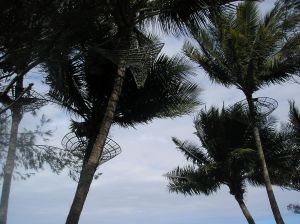
I like the way the coconut palms here wear upside-down skirts to stop the coconuts from falling on people’s heads.

OLYMPUS DIGITAL CAMERA
Coconut palms, Bowen

I like to walk around Mullers Lagoon and stand under the shady umbrella of the biggest fig tree I’ve ever seen.

IMAG5309
Mullers Lagoon, Bowen

Herbert Street, which sweeps grandly down the hill to the harbor, was named after Queensland’s first premier, and Bowen itself after Sir George Bowen, the first governor. This was North Queensland’s first port and first major settlement, retaining its stature until Townsville was developed, two hundred kilometres to the north. It still has a feeling of the important centre it was intended to be.

Bowen has had time in the spotlight. We last visited in 2007 while scenes of Baz Luhrmann’s epic movie Australia were being filmed here, with Bowen’s harbour standing in for Darwin Harbour, and the Grand View Hotel, since lavishly renovated, made over as a bombed-out ruin.

OLYMPUS DIGITAL CAMERA
Security barriers around the set of Australia in Bowen

Bowen also boomed with the mining boom, and perhaps is now suffering, as Mackay is, from the consequent bust.

I’m fussy about motels. Con and I have stayed at some dodgy ones over the years. An old-style air-conditioner in the corner roars all night, too far from the bed for us to feel the cool air it may or may not be producing. The bed is hard, the sheets are short, and the bedspread is a multi-patterned affair, designed to hide stains.

The room is never quite dark. There are tiny lights on smoke detectors, air-conditioner, clock, television and microwave. Security lights peek through the curtains where they don’t meet properly no matter how hard you yank them together; headlights flash across the ceiling as people arrive late or leave early.

The milk in the small, noisy fridge is the long-life variety, and the freezer section isn’t cold enough to actually freeze anything.

Everything reeks of that scented cleaning product found only in motels.

Things have improved a great deal in recent times, and very few motels have all of the above. These days, road workers, railway workers and tradies stay in country motels. It’s common to see loaded utes and work boots outside rooms, with a bloke in a high-visibility shirt having a beer next door. These hard-working people want a good night’s sleep. Now there is always hot water in motel showers. The television works, the air-conditioning is efficient, the beds reasonably comfortable.

The bedspreads haven’t changed, though.

Up to a third of travelling time is spent in accommodation, so it should be a pleasurable experience. Location, security, comfort and affordability are essential, but atmosphere, charm and hospitality also rank high with me.

I don’t mean a Bed and Breakfast place packed with crocheted doilies, potpourri and milk churns painted with roses. A friend told me about a B&B where the bed was decorated with boy and girl rag dolls, leaning against the ubiquitous stack of ornate pillows and cushions. When she and her partner came back from dinner, the covers had been turned down and the boy and girl dolls were cuddled up together in bed.

Not really my style.

Here in Bowen, on a previous trip, we stayed in one of the best motels I’ve ever come across, for hospitality, amenities and comfort: the Bluewater Harbour Motel. We won’t stay there tonight, because it’s off the highway and we’re in a hurry.

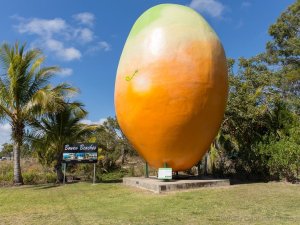
In the end, I decide on the Ocean View. I’ve noticed this place over the years, positioned above the highway south of town, next to the Big Mango, with an outlook over the sea and the islands. According to the online description, it also provides dinner.

big mango
The Big Mango, Bowen

We check in in the late afternoon, and eat our simple meal on the verandah, looking past a flowering frangipani at the lights of Bowen across the bay.

This is not exactly the Bowen Hilton, but it is comfortable, the situation is beautiful, and it turns out that the manager was best man at Con’s niece’s wedding. In North Queensland, that’s the way of things. Everyone is connected.

It’s all good. But next time we come, I want to have a shot at the Bowen Arrow.

Blog at WordPress.com.

Up ↑