Back in the day, spectators of cricket matches at The Gabba were allowed to climb over the boundary fence and walk on to the field at lunch to “inspect the pitch”. Con and I did that during a Sheffield Shield match one day. I was heavily pregnant at the time.
When the call came out that play was about to resume and everyone should leave the field, I couldn’t get back over the fence. It was embarrassing. Con got over the fence and tried to help me. I, big as a whale, was the only person still on the field.
Eventually I got there, but that is all I remember of the day’s cricket.
Con has been playing and following cricket all his life. His brother and father taught him to bowl in the back yard in Innisfail, and he played at primary school, with a tennis ball, under the school buildings while it rained outside.
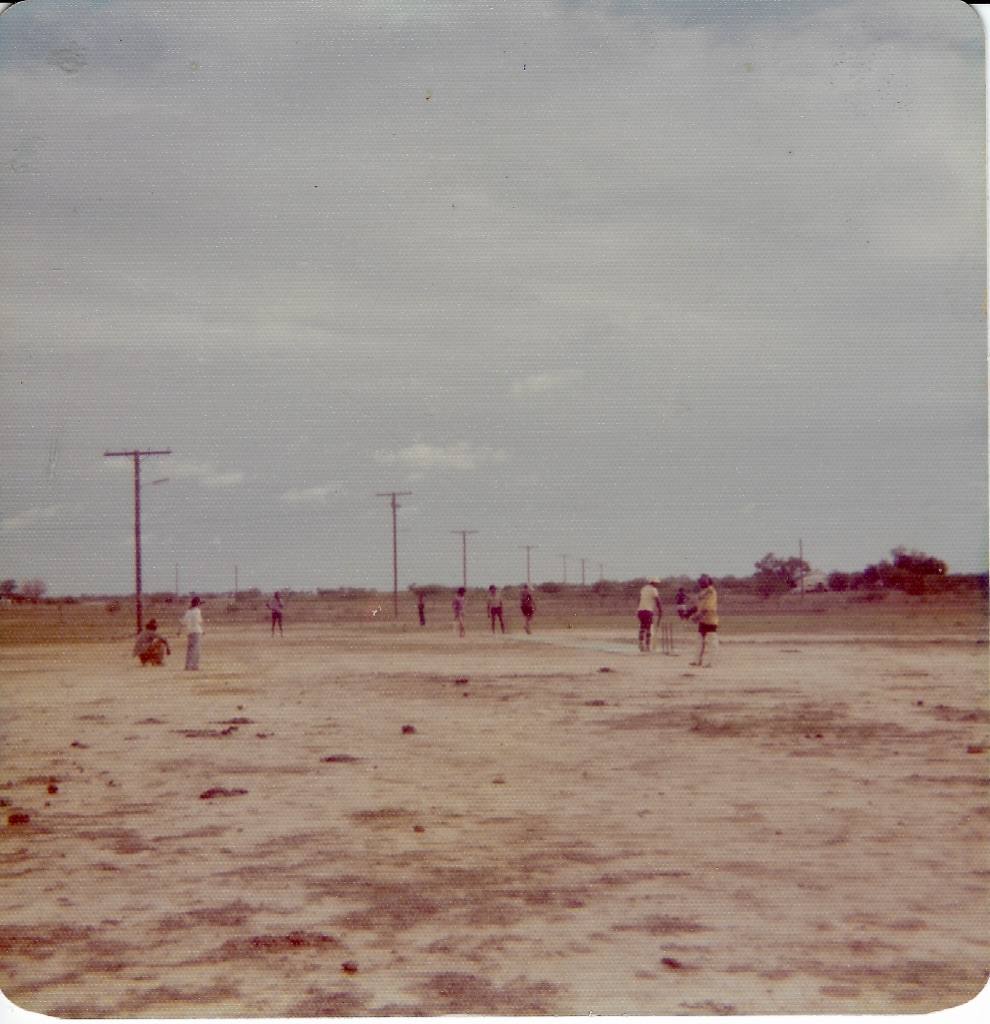
Con has lots of cricket stories from across Queensland. In the 1970s he joined other cricket lovers around Burketown, driving long distances to play.
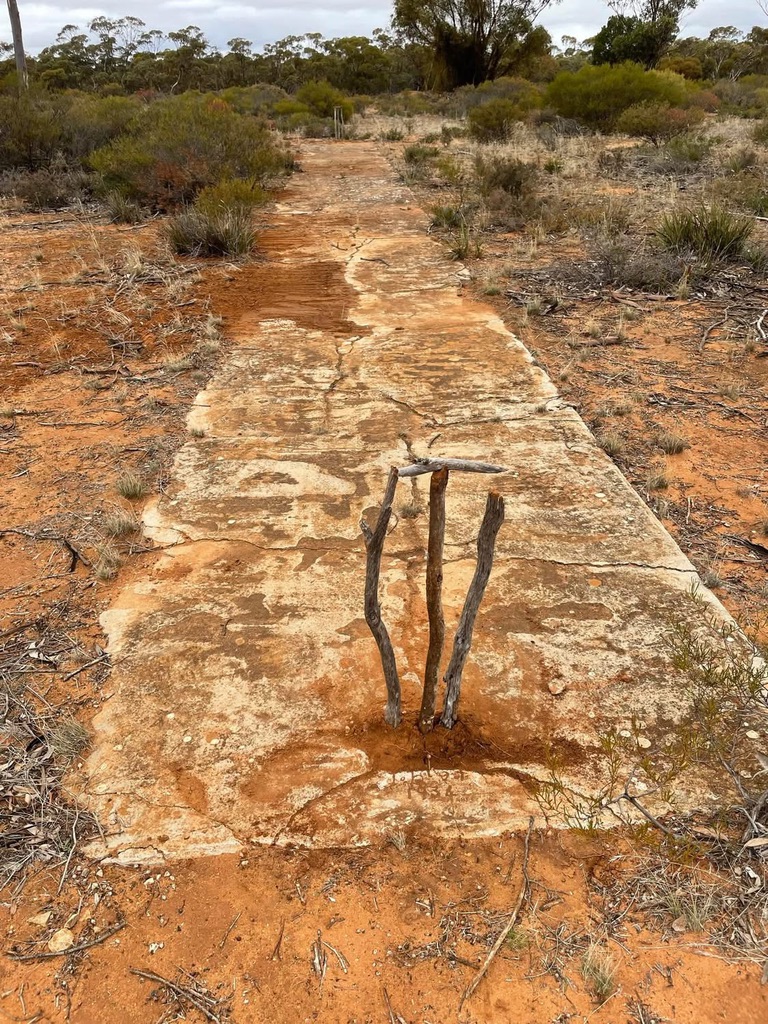
“At Gregory Downs (120kms away) there was no cricket pitch, so we played on the road. We dragged out mats for the pitch.
“It was the same at Donors Hill (185kms). There, we played on the airstrip.”
He played in the Rosewood team in the Ipswich area, with away matches at towns like Haigslea and Marburg, old German settlement farming areas.
“ I once played a team with every player’s name starting with “z”. Even the dog!” he tells me, making a good story of it, “and the field was on top of a hill. You couldn’t see the bowler until he’d nearly finished his run-up!”
That wouldn’t have been a problem in Burketown, where the game was played on a salt pan behind the school. One of the players, a council worker, would bring the grader round before the game to clear the field of broken glass.
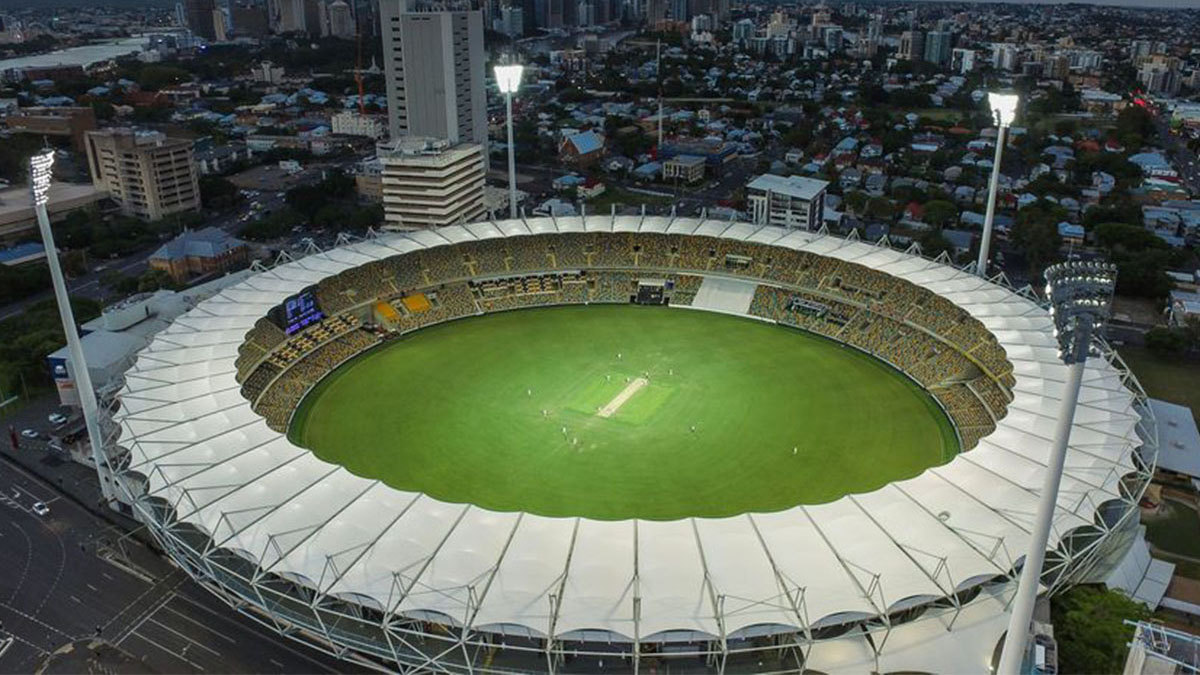
For Queensland, the sacred site for cricket has always been The Gabba: the Brisbane Cricket Ground at Woolloongabba, world-famous among cricketing nations. Overseas, we’ve travelled in cabs driven by Indian immigrants, and when the driver asks, “Where are you from?” Con tells him Brisbane. “We live ten minutes from the Gabba.”
“The Gabba!”
It’s on. Cricket talk all the way to the destination – especially if we’re in the USA, where people from the subcontinent are starved of their national passion.
At Buffalo, N.Y., in pouring rain, we took a cab to catch the midnight Amtrak train. The Indian driver demonstrated Tandulka’s cut shot as he drove.
In a Boston laundromat, a West Indian man, stiff from the day’s play, described the strong local cricket competition, with over twenty teams made up of immigrants from cricketing countries.
In a small restaurant in Florence, four businessmen from Chenai, in the leather trade, were delighted to talk cricket to someone who understood.
Beside the schoolhouse where we lived at Rosevale, on top of a rise in the beautiful country southwest of Ipswich, there was a huge Chinese elm, and beyond it a field of long grass.
The school had a ride-on mower and soon after we moved there Con used it to mow the grassy field. To his delight he found a long-forgotten cricket pitch in the middle of the field. From above, that pitch is still faintly visible.
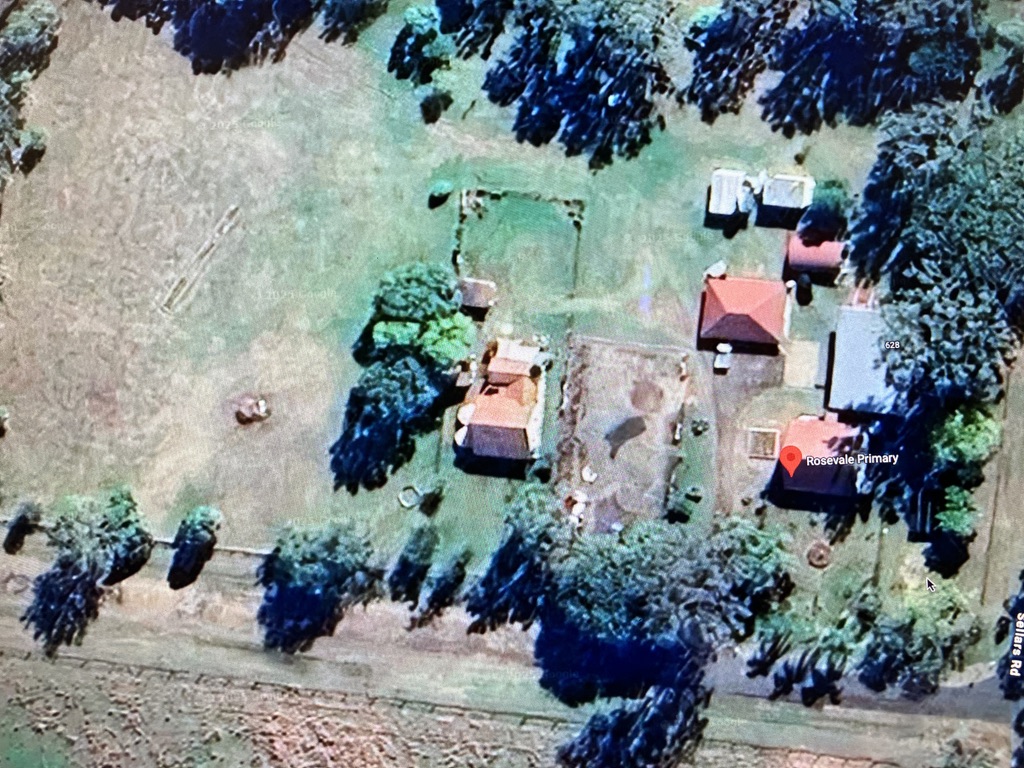
Wherever in Queensland you look on Google Earth, from cities to the smallest towns, certain features show up clearly on the satellite images: the straight line of an airport or airstrip; the racecourse and showground; and a cricket pitch.
From above, the fields may be brown with drought, or green and lovingly tended; but still the pitch show up clearly: a straight line, either concrete, or hard dirt pounded by players’ boots over many years. There are not a lot of entertainment options in bush towns, but sport has always been strong.
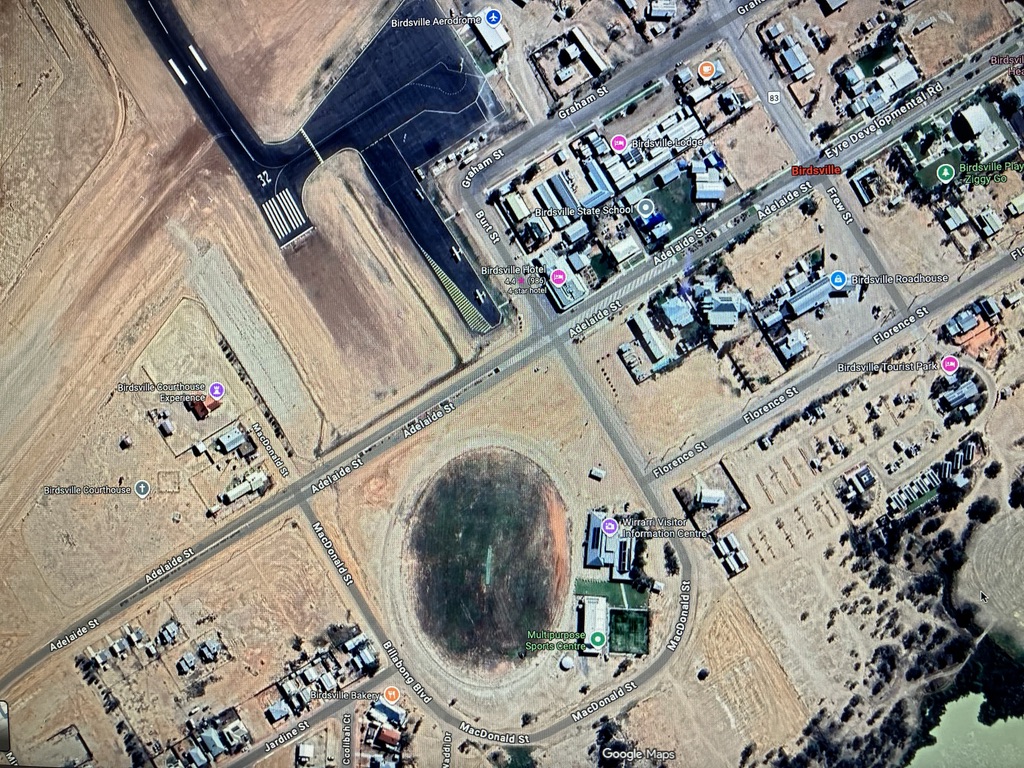
Some local cricket competitions have died out; but the pitch remains. At the tiny Barwon Highway settlement of Weengallon, west of Goondiwindi, the tennis court is abandoned and overgrown with long grass and prickly pear, but on the oval across the road, the shadow of a cricket pitch can still be seen.
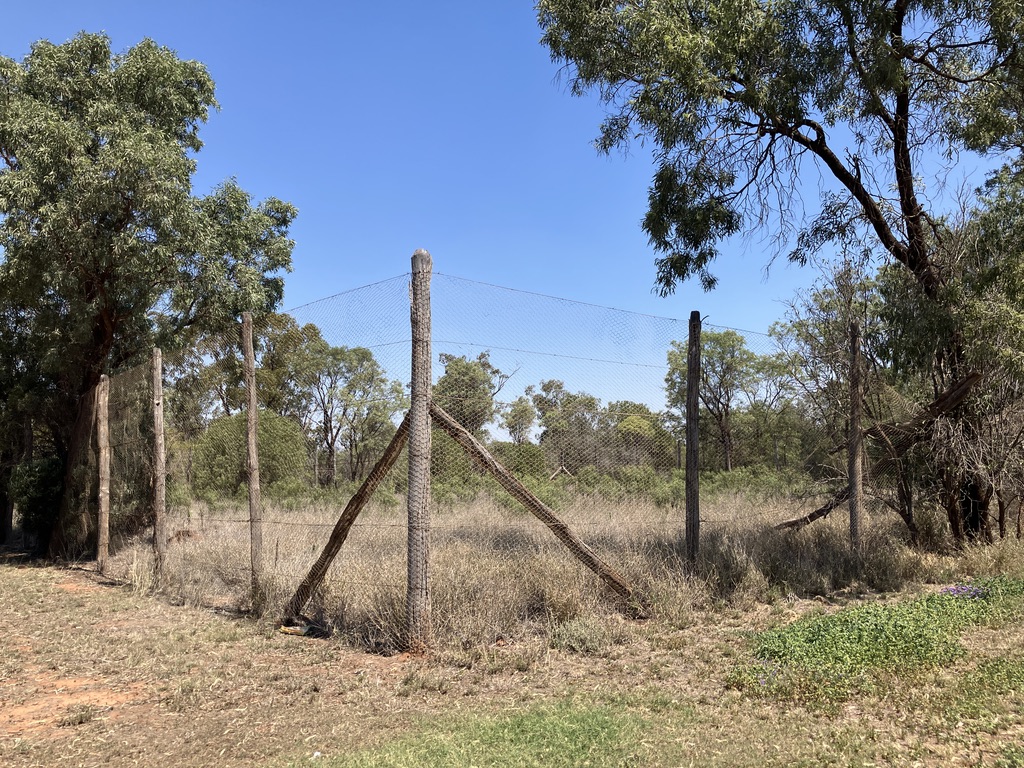
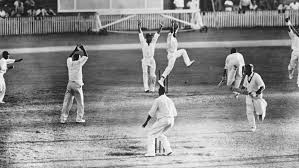
In December 1960 I went with my family to The Gabba. I didn’t know what an historic event that was to be: the Tied Test, Australia vs the West Indies. We sat on the grass of the Hill, under the old scoreboard. Both long gone now.
Now they say the Gabba will be torn down after the 2032 Brisbane Olympics. A new stadium, built for the Olympics, will be the venue for important cricket matches.
It won’t be the same.
As I write this, I can hear a familiar, peaceful sound: the “thock” of a cricket bat hitting a ball. In an old tennis court in the street behind our suburban house, every weekend afternoon someone practises batting. He wears pads and helmet, and he is serious about his training.
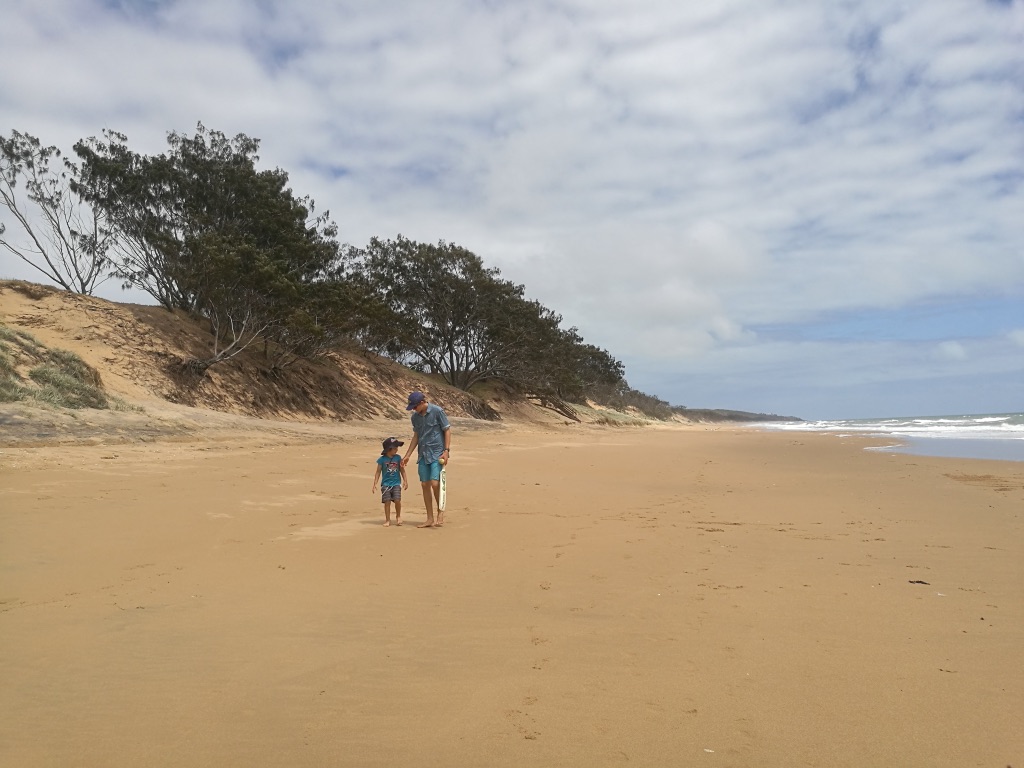
Perhaps he first learned to love the game as many other Queenslanders do, including my grandsons: playing with family and friends on a beautiful beach, somewhere up the long and beautiful Queensland coast.
Main image: from Facebook


I hope they don’t totally remove the Gabba. Surely it can be updated and retained. We have many happy memories of going to the Ashes, tests and Big Bash games as well as Brisbane Lions games.
LikeLiked by 1 person
I believe they’re going to redevelop it into a “housing and entertainment precinct “. There will be no more Gabba! Just more bars and units- unless they change their plans again…
LikeLike
This really resonated with me, our family being quite cricket mad too. We lived in a small town in the Adelaide Hills and our son and daughter both joined the local cricket club, and husband eventually too. Our summer weekends were spent travelling from town to town for games and the whole family gets involved, myself as the scorer for the games. Then Saturday nights were back at the clubrooms to hear club results and a BBQ tea.
Today my husband still umpires games and when we travelled to India last year, yep they’re all still cricket mad and their eyes lit up when they knew we were from Australia. There was an instant conversation starter.
LikeLiked by 1 person
Good story!
LikeLike