Floods

Floods.

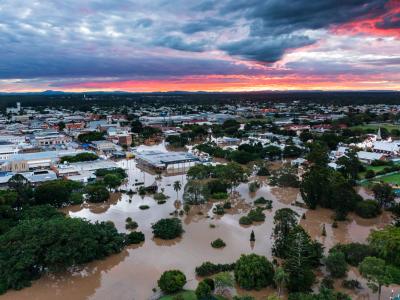
I’ve written many stories about many parts of Queensland on this blog, and so many of them describe floods.

Maryborough, Ipswich, Rockhampton. https://roseobrienwriter.blog/2024/02/06/maryborough/

Townsville, Bundaberg, Ingham, Charleville. https://roseobrienwriter.blog/2021/07/24/road-trip-to-ingham/

The Brisbane, Bremer, Mary, Burdekin and Flinders Rivers. https://roseobrienwriter.blog/2020/12/12/syphoning-petrol/

The Gulf Country, the Horror Stretch and the Cassowary Coast. https://roseobrienwriter.blog/2018/11/08/horror-stretch/

These are places I know well, and I feel for the people who live and work there; especially in the north. People wading through the ruins of their flood-damaged homes; cane, banana and beef farmers coping with the ruination of their hard-won livelihoods.

I remember the cattle farmers of the Flinders River catchment who, during the 2019 floods waited helplessly for the waters to go down as helicopters brought back images of mobs of cattle, including precious breeding herds and cows with calves, dead of cold and hunger, crowded against fences and on small patches of higher ground. It is estimated that 500,000 head of stock died in that flood.

And now floods have happened again – are still happening – in tropical Queensland. The State premier, an Ingham native, holds a press conference describing the community’s sorry situation: highway cut both north and south, houses flooded, no electricity, a breakdown in the water supply, supermarkets empty, and two lives lost. Further north, in and around Cardwell, houses flooded that have never been flooded before.

The Herbert River catchment of 9000 square kilometres has its headwaters in the Great Dividing Range near Herberton, and it collects a lot of tropical rain before it makes its way down to the flat canefields around Ingham. The Cardwell Range is steep and high and close to the town, so the catchment there is not nearly as big. But what is going to happen, when almost two metres of rain falls in three days?

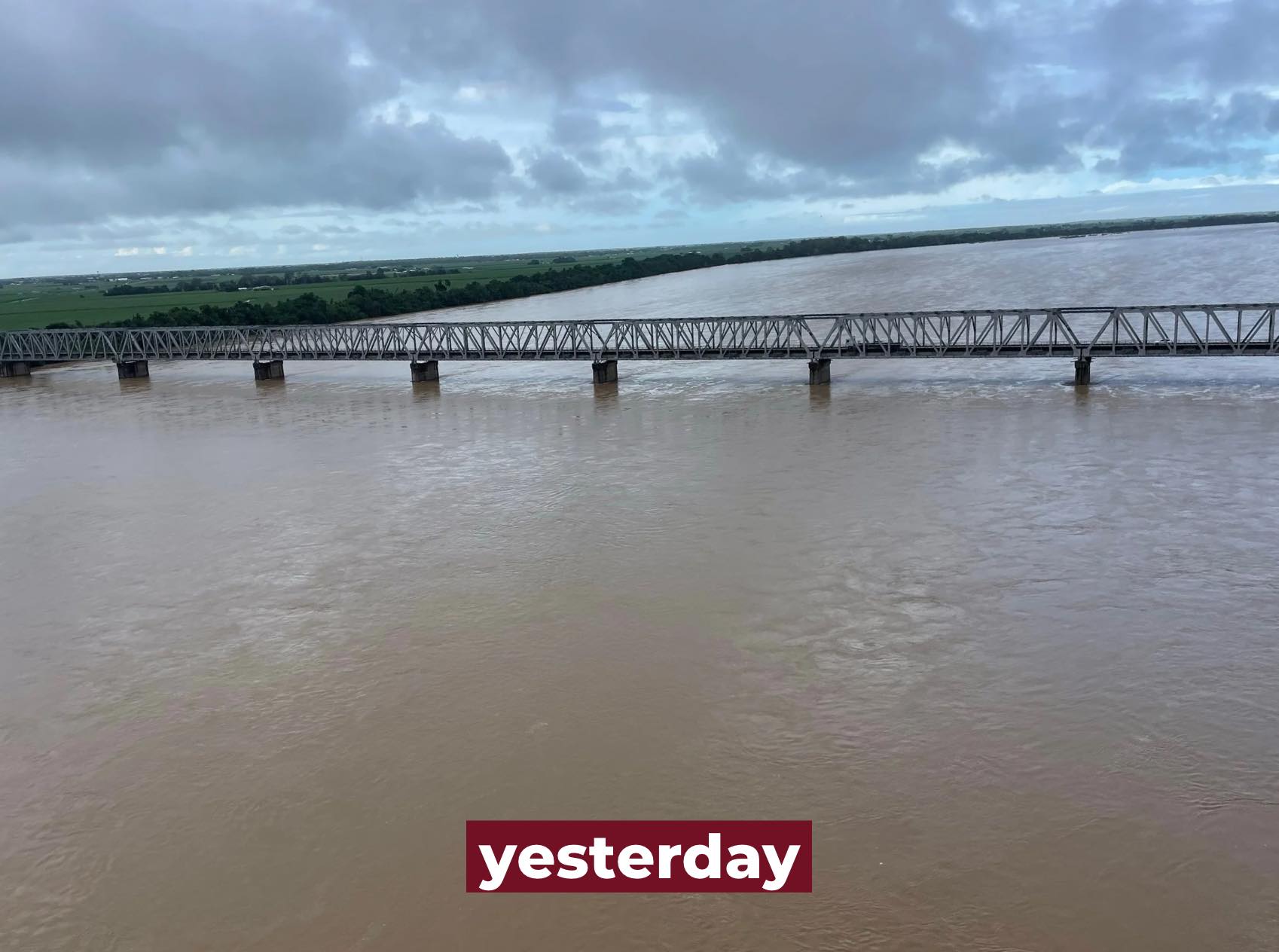
The Burdekin River catchment of over 130,000 square kilometres is the size of England and stretches from north of Charters Towers and Greenvale to south of Alpha. Charters Towers has been flooding all week, and that water is heading for Ayr and Home Hill on the coast.
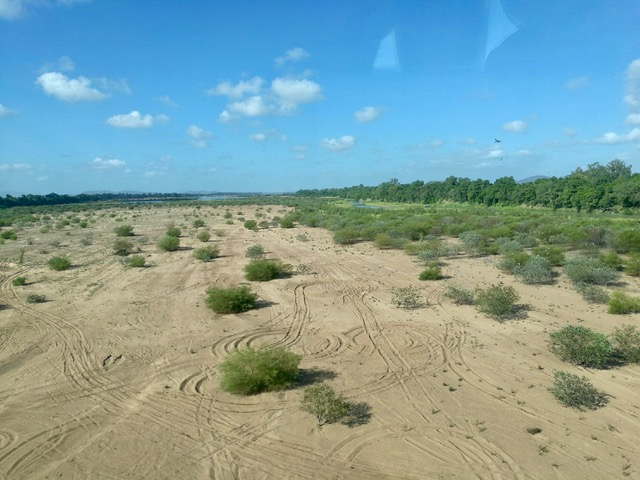
Burdekin River at Home Hill in the dry season, looking upstream from the Bridge
Burdekin River at Home Hill this week Dale Last, Member for Burdekin. Facebook

Sugarcane can be laid low by a flood, and recover, if the water doesn’t lie there too long. On the rich flood plains around Ingham, water has been lying for days, and still it rains.

An agriculturist, an expert in banana growing, told me that in the case of a cyclone, if a farmer lops the plants back they will survive and regrow. How would you go about that? It would take days, and a huge amount of work, and even with excellent modern forecasting, satellites and radar, cyclones are unpredictable. They can veer south or north or move back out to sea.

More heavy rain is forecast across North Queensland. The water will run to the coastal towns and farms and also to the vast plains of the inland, where rivers like the Flinders will break their banks and spread across the land, cutting the few sealed roads and the one railway line that runs east-west across the State.

In Queensland, rich in resources though it is – agriculture and mining in particular – we don’t have many people. The US state of Texas, iconic to Americans for its size, has an area of 697,000 square kilometres, compared to Queensland’s over 1,700,000 square kilometres. However, Texas has a population over five times the size of Queensland’s. That makes a huge difference when it comes to tax base and industry. It seems we don’t have the population, or the votes, to create better, more resilient transport infrastructure.

We also have a more extreme climate than Texas, especially when it comes to floods. Tornados are deadly, but they move quickly across the land. Rain depressions hang around.

Queensland has only one highway and one railway going along the coast, and because of shortage of population and extremes of climate, there are almost no entirely sealed roads west of the ranges linking north and south.

During this month’s major flood event in North Queensland, the one main railway line was soon cut in several places. https://www.railexpress.com.au/rail-bridges-submerged-as-floods-batter-north-queensland/

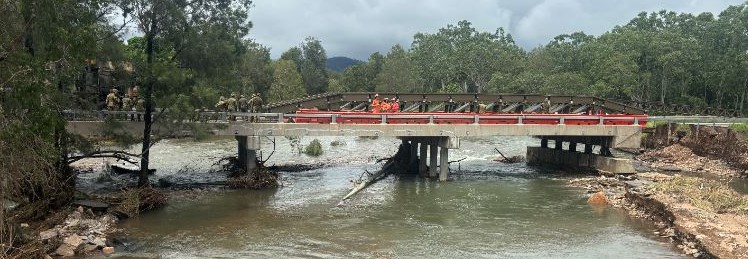
When the Bruce Highway bridge at Ollera Creek was washed away over the weekend, north of Townsville, Far North Queensland was cut off from the world except by air and sea.
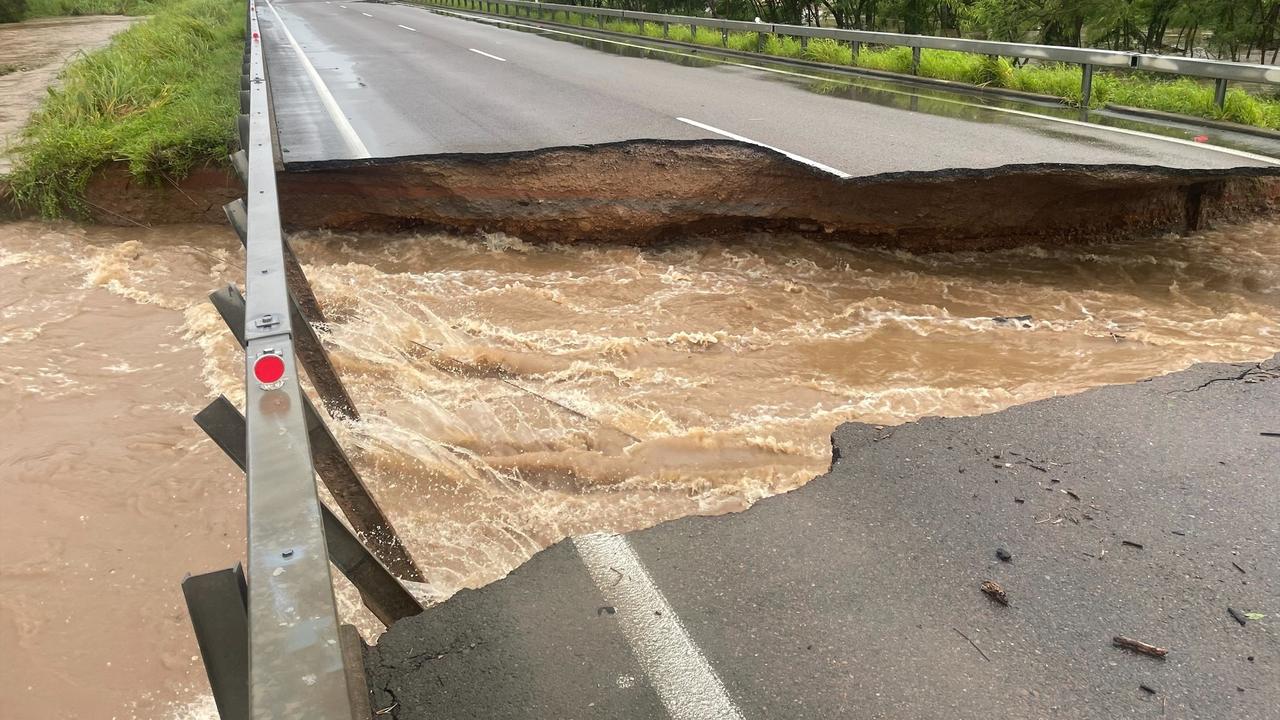
Ellora Creek bridge washed away Townsville Bulletin
Ellora Creek bridge , as repaired by the army for emergency vehicles mypolice.qld.gov.au

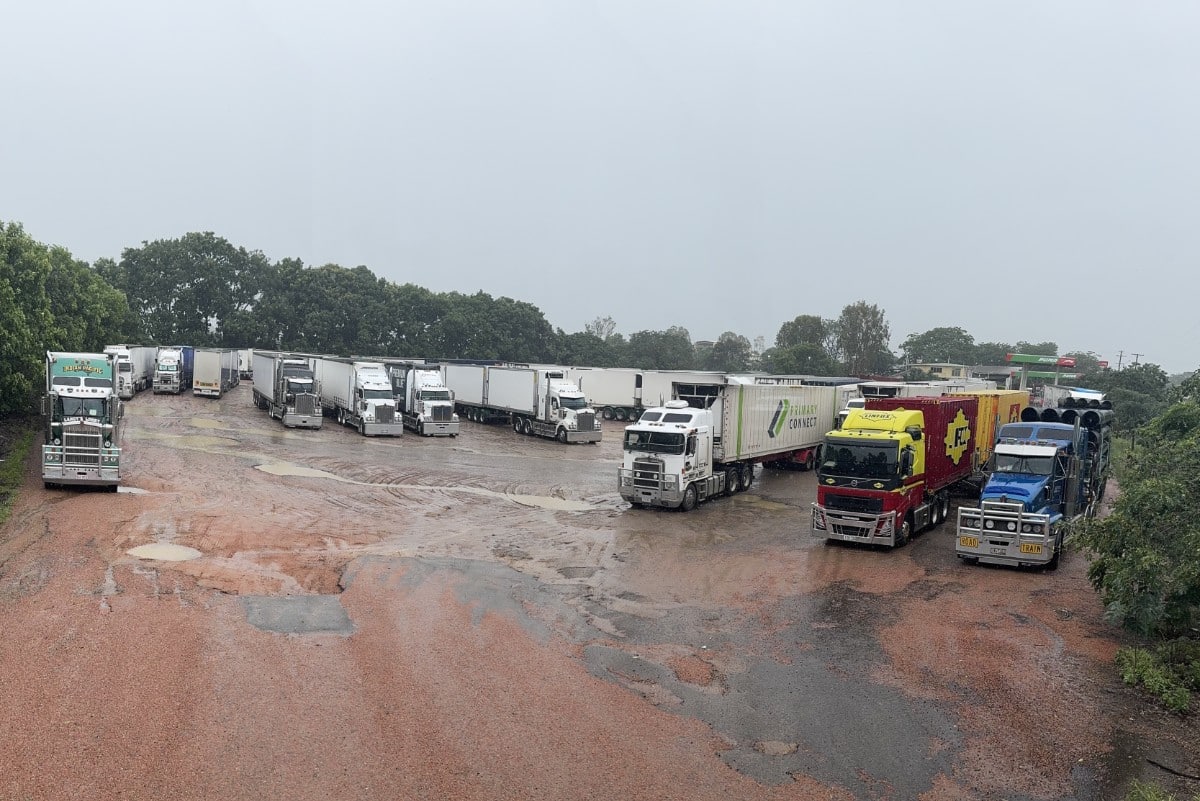
Trucks carrying supplies to the Far North and people trying to return home faced an extra 1200 kilometres’ journey, travelling by western Queensland sealed roads, to reach Cairns. And these roads are under threat of closure at any time. Many are stranded. https://qldtraffic.qld.gov.au/
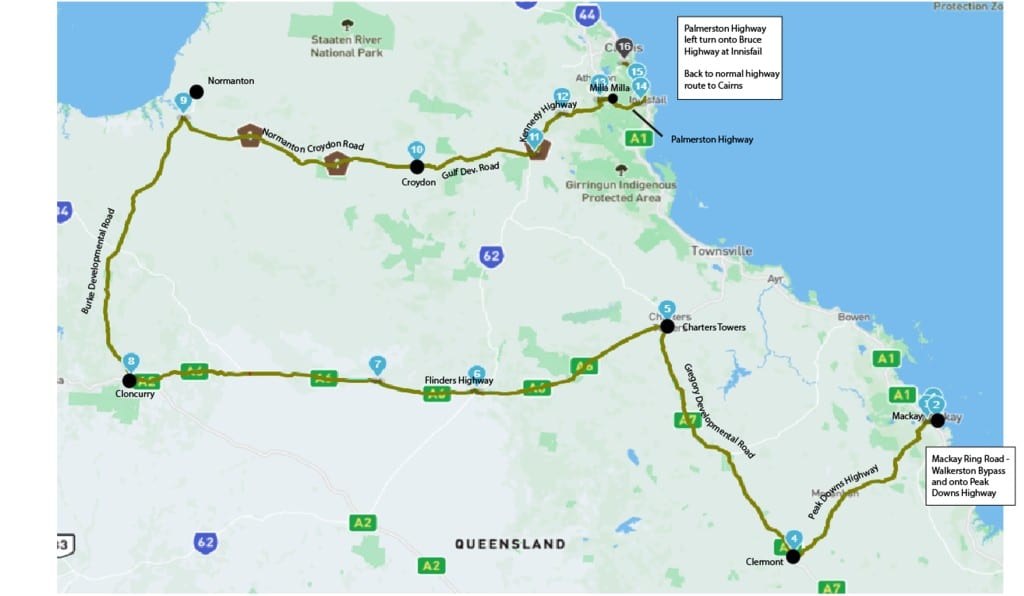
Alternative route to flooded Far North Queensland Transport and Main Roads Department, bigrigs.com.au
Stranded truckies parked up at the Puma Roadhouse in Charters (Towers) Image: Deano Hutch bigrigs.com.au

If the continuing flood rain results in damage to the railway and highway linking Townsville and Mount Isa, as happens all too often, transport and supply of essential goods may be affected for weeks.

For all sorts of reasons, including strategic concerns, the continuing and increasing vulnerability of Queensland’s transport routes is a major threat to our way of life and security.

People who live and work in the north and west of the State feel bitter that regions that produce so much of Queensland’s wealth continue to be so vulnerable to the weather. And as climate change deepens, it will only get worse.

It’s a worry.

In the southern states and Canberra, people have always regarded Queensland with a kind of affection as a weird, distant place, a place of extreme weather, crocodiles, bogans and dodgy politicians. Greater Brisbane makes up half the population of the State, and a lot of Brisbane people seem to be largely ignorant of regional areas. To them, north means Noosa, and west means Toowoomba.

So where is the will to sink vast sums into flood-proofing North Queensland for the future? Bipartisanship in politics would be a start.
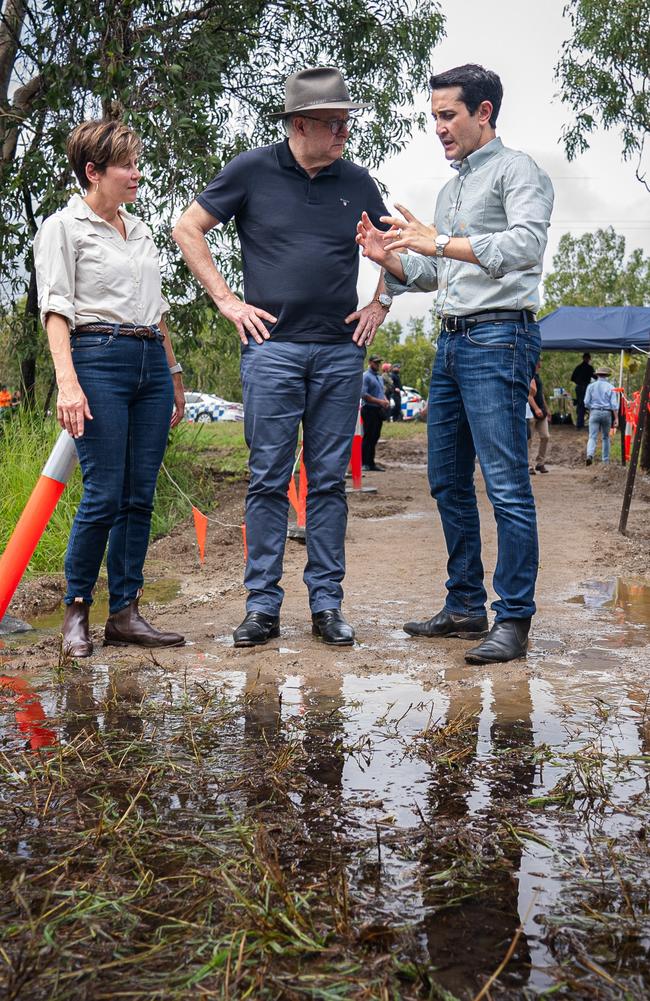
It’s a start. Federal Labor Senator Jenny MacAllister, Labor Prime Minister Anthony Albanese, and LNP Premier of Queensland David Crisafulli, taling about recovery in FNQ theaustralian.com.au

I’m tired of writing about floods.

Main picture: Maryborough flooded at Sunset. 2022 Qld Reconstruction Authority

Bindy Eyes

Out the back of the Mauro homestead was a pit toilet, a scary place for a townie child like me. What if I fell down the hole?

Mum liked to tell the story of when she was little, out at Barcaldine, and a goat fell down the pit toilet. They sent the jackeroo down to get it out.

When my mother Pat was a child, her father Fred was manager of a sheep station not far from Barcaldine. Even after leaving the land, many of Fred’s descendants maintained all their lives a sense of belonging to the bush – even his second daughter, Betty, who married an American after the war and spent most of her life in Seattle.

Betty liked living near the Pacific Ocean, knowing that on the other side of the water were the beaches and plains of home.

Between the wars Fred took up ownership of a sheep station, through a land ballot I believe; a place called Dunwold, outside Dirranbandi. While still a teenager his eldest son, my uncle Jim, went out there to manage the property. The family next bought a property near Texas, on the New South Wales border, and Fred’s second son, Don, took it over.

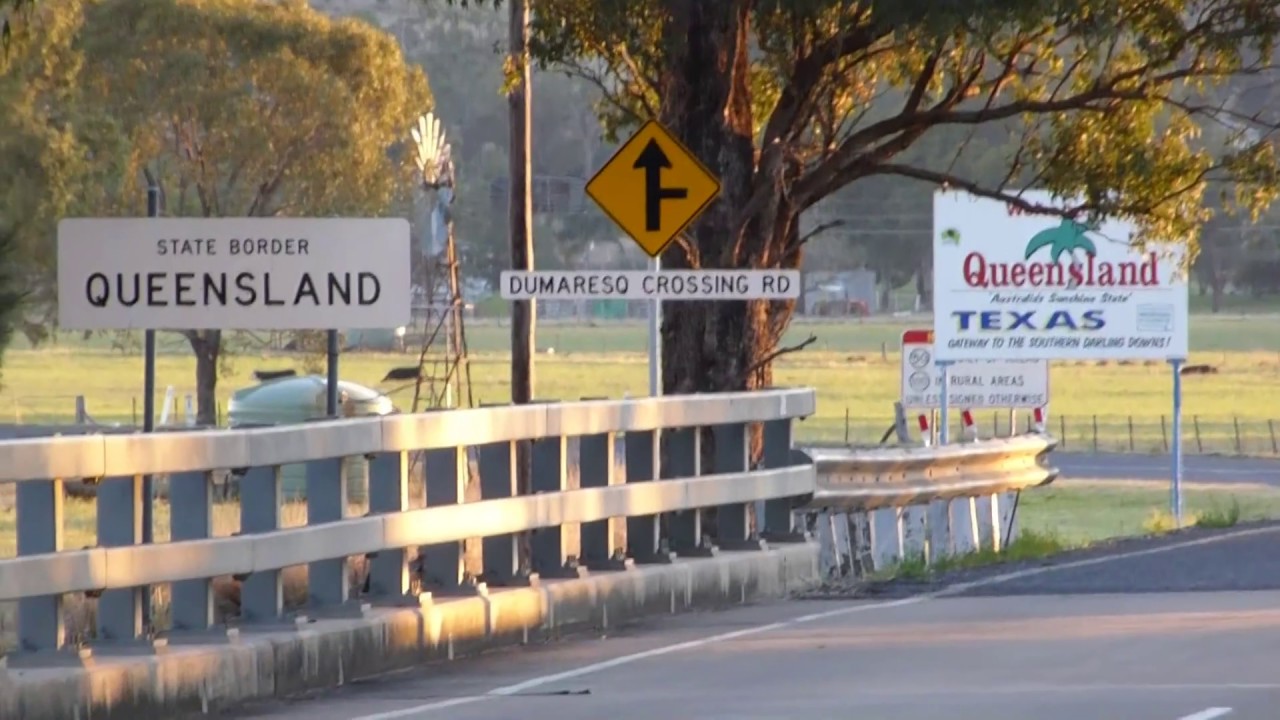
texas dumaresque border Crossing into Queensland

When I was young, perhaps four or five, my family went to visit Dunwold, flying to Saint George in a DC3, where Uncle Jim picked us up from the airstrip. Both my uncles considered that we coastal kids needed a bit of toughening up, and at Dunwold I was taken out to watch a sheep being slaughtered. To my great relief, something intervened – perhaps my mother – and I was spared the sight of the killing.

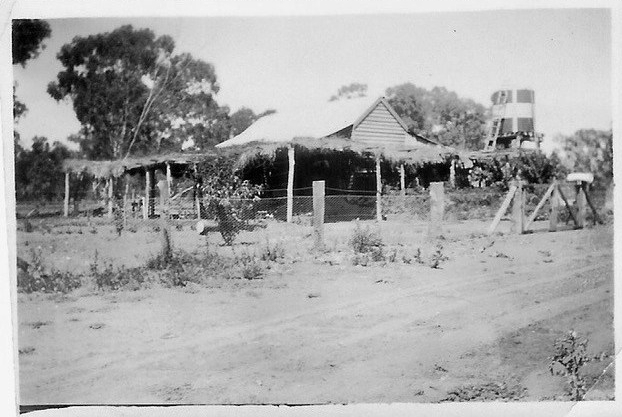
texas dunwold Dunwold homestead, in the early days

We visited Uncle Don more often. His property, Mauro, was closer to our home in Nambour – only a five- or six-hour drive. Mauro was just over the Dumaresq River, which here forms the border between Queensland and New South Wales: the wriggly part. Mauro is in New South Wales, but Texas, in Queensland, is its nearest town.

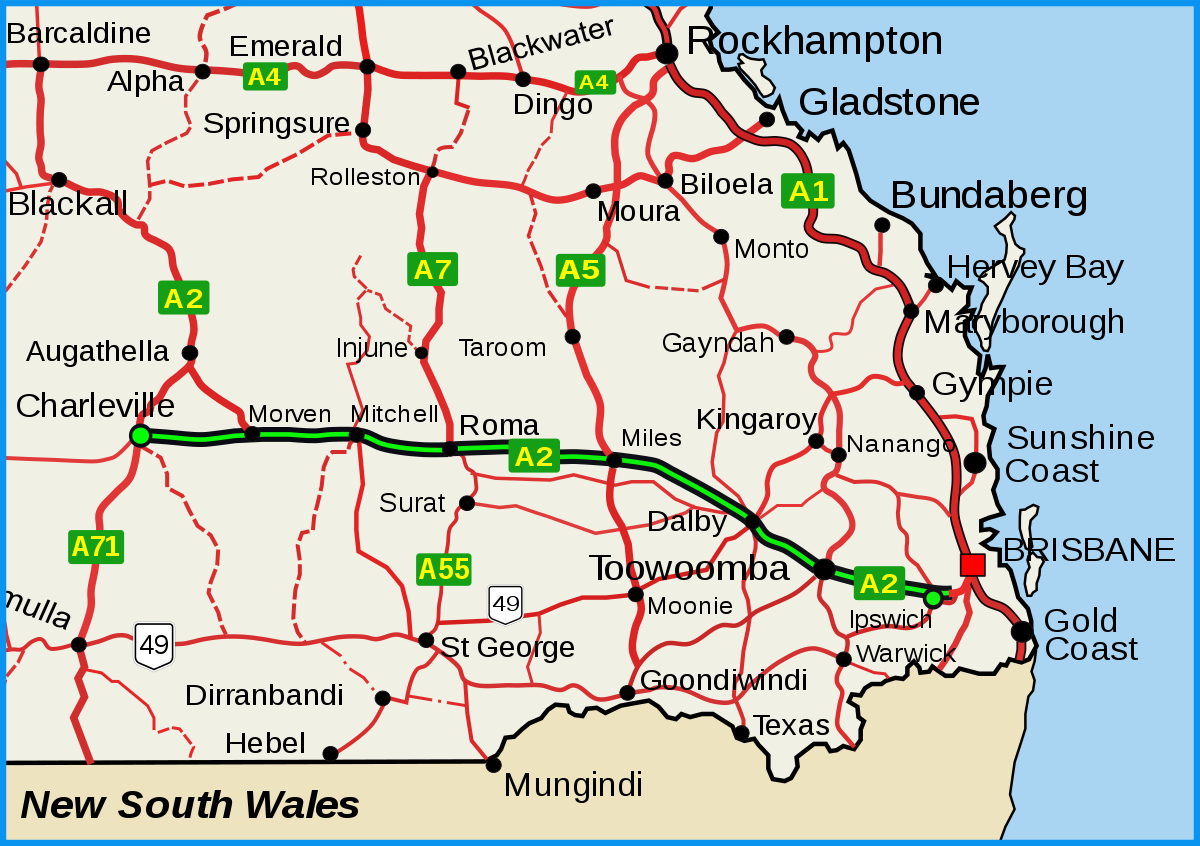
texas map south qld Texas, on the wriggly bit of the border

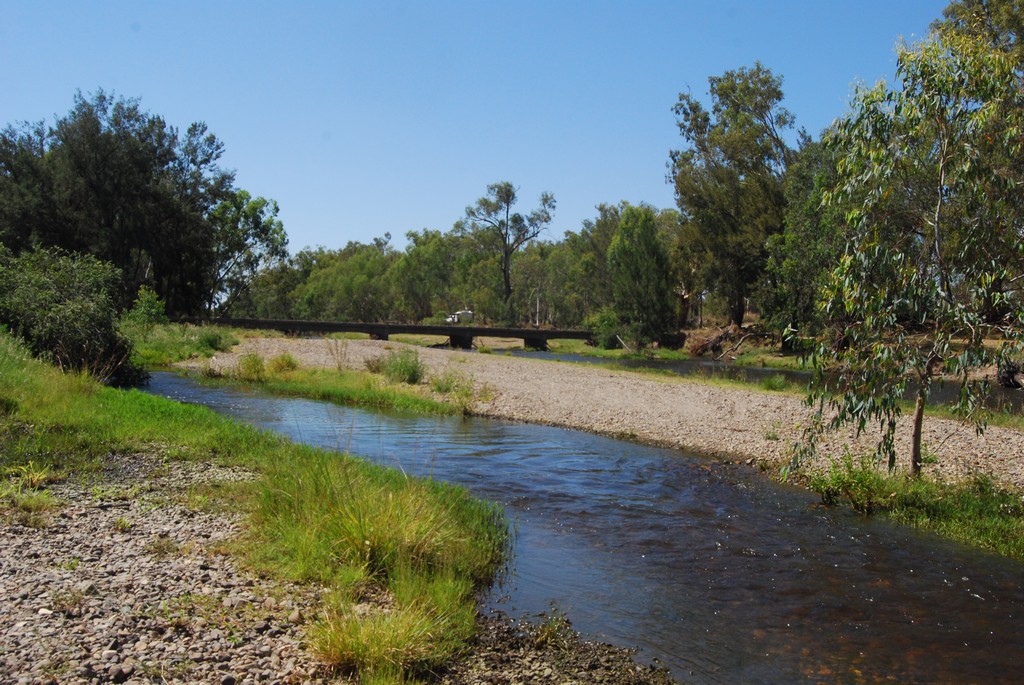
The Dumaresq (pronounced Dumaresk or Dumerrik, depending on who is saying it) rises in the Great Dividing Range near Stanthorpe and Tenterfield and flows west into the Macintyre River, which in turn flows past Goondiwindi, still forming part of the border. These are known as the Border Rivers.

texas Dumaresq-River-Reserve-Texas002-9.51-AM31-Jan-18 Border bridge on the Dumaresque River

Border towns borrow a little from each state. One wintery morning in Goondiwindi, which is in Queensland and therefore sells the Courier-Mail in all the shops, I visited the local Salvation Army Thrift Shop. The ladies in charge were sitting around a table doing the Sydney Morning Herald crosswords. “We get the Herald in specially”, they said. “It has better crosswords that the Courier-Mail.”

The Macintyre River continues further west, joining the Barwon River. The Barwon flows into the Darling River and on into the Murray.

These western rivers have dangerous floods, although the countryside has been drought-stricken for years now. I remember as a child sitting in our family’s Vanguard stuck in the middle of flooded Camp Creek, near Mauro, with my feet up on the seat and floodwater flowing through the car. A tractor towed us out.

All of Fred’s descendants who lived at or visited Mauro will have strong memories of the place. I remember it as if I’m looking at a photo album. Here was the pepperina tree beside the house. When I smell the leaves of a pepper tree, it takes me straight back there. Outside of the house yard, the ground was thick with prickles – bindy eyes, as we called them. We coastal kids had never before experienced those savage, dry-country prickles.

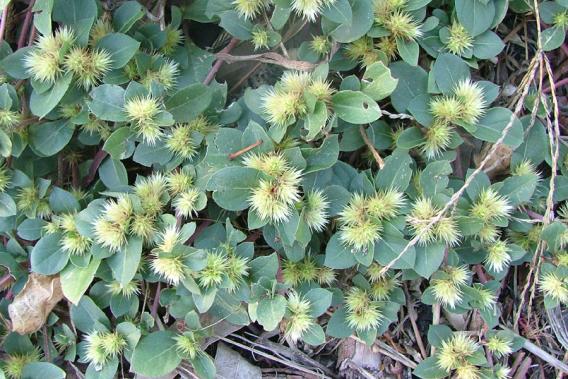
texas khaki weed Khaki weed

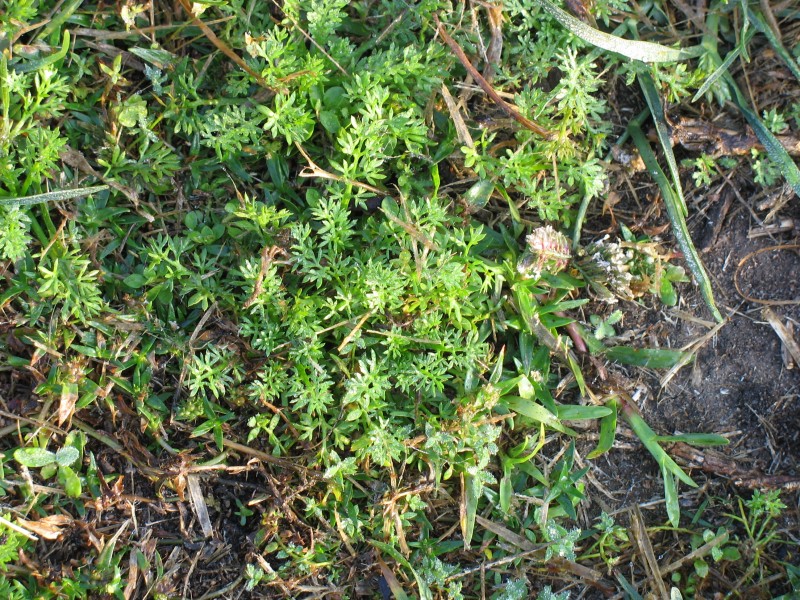
I think it was actually khaki weed, a broad-leaved prickly plant. Bindii is the nasty prickle that grows in my Brisbane lawn – little clusters of carrot-like leaves with prickles in the middle that break off and stick into the skin and make the children go carefully on tiptoes down the concrete car tracks.

texas Bindii1-800x600 Bindii

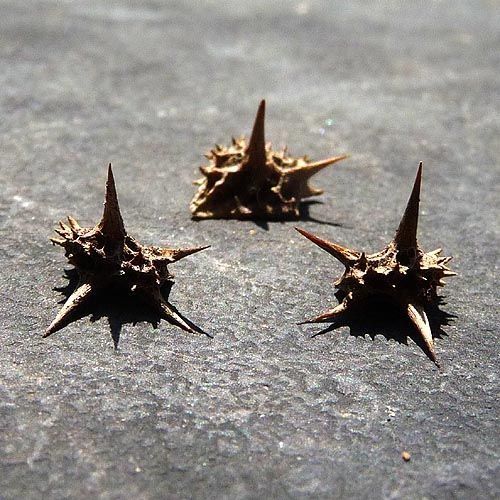
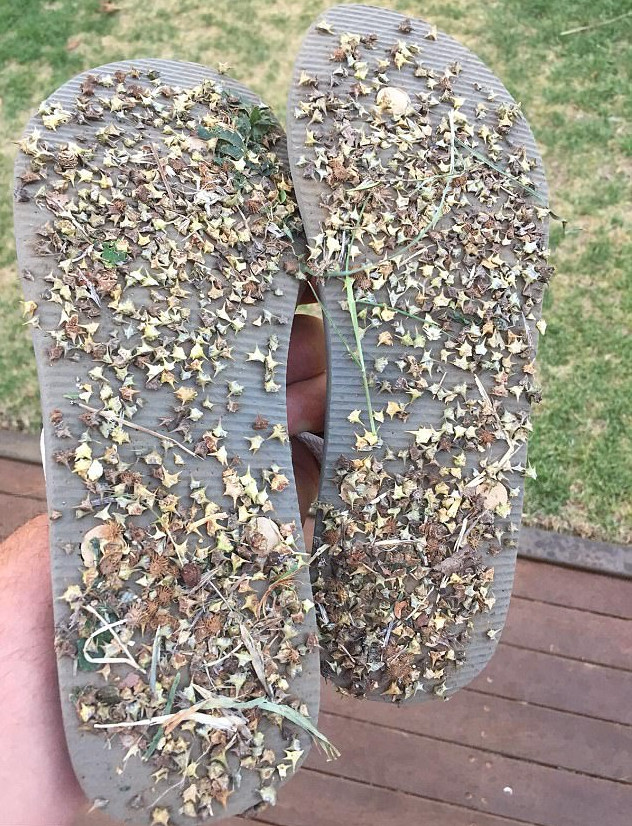
The worst prickle I’ve come across is the aptly named goat’s head, found in the Gulf Country around Burketown. Standing on the thorns of a goat’s head is like standing on a couple of thumb tacks.

texas goats heads Goat’s heads

At Mauro there was a shearing shed, a hundred metres or so from the homestead, with chutes where shearers pushed skinny-looking shorn sheep down into the pens below, slotted tables where roustabouts threw the fleeces, and the wool press that did the baling. There was a strong smell of sheep droppings, fallen between the floorboards and piled up under the shed. We didn’t often visit the shed during shearing, because, Uncle Don said, the men didn’t want to have to curb their language.

Behind the house yard at Mauro was the dam. We went swimming there once. The soft mud at the bottom oozed between our toes.

There was an ant bed tennis court beside the house, surfaced with crushed and rolled termite mounds, and peacocks screamed at dusk on the fences.

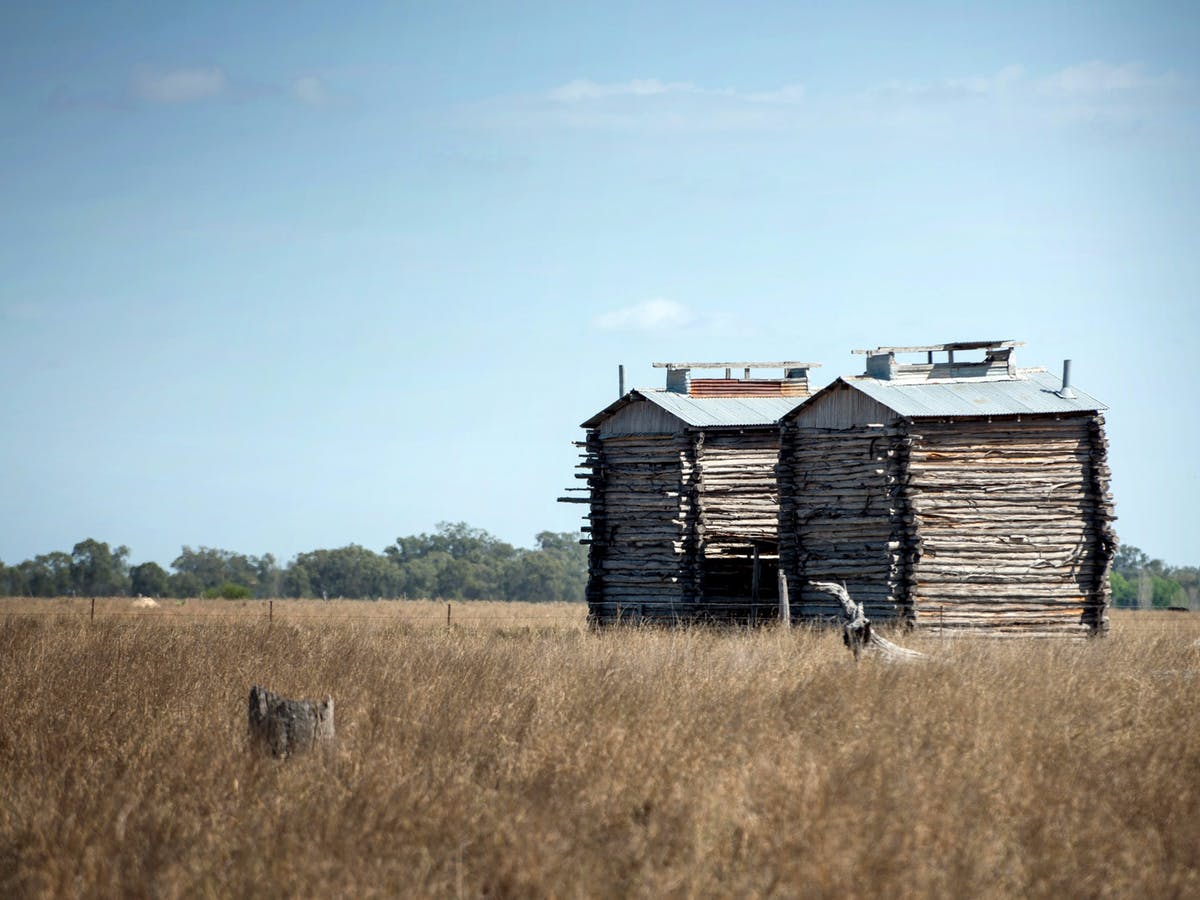
Besides sheep Mauro produced fodder crops, and Italian share farmers grew tobacco. We sometimes visited them, peering into the dark barns where the tobacco leaves were hung to dry.

bindii tobacco barns Tobacco barns near Texas Qld

During the 1950s we also visited my mother’s friend on a property outside Saint George and watched them “pulling” the mulga. Whether it was for land clearing or for cattle feed, I don’t know. It was impressive, though. Two army tanks, fifty metres or so apart, dragged a heavy chain between them, pulling down the scrub as they went. Perhaps they were bulldozers, but I remember them as tanks. So soon after the War there was probably plenty of army surplus equipment available for jobs like this.

Most of all I remember the noise.

I last visited Mauro in the early 1980s. Con, because we were only going for a couple of days, hadn’t brought proper shoes – just the standard North Queensland driving footwear of the time, rubber thongs. When Don asked him to help shift irrigation pipes, Con wore his thongs. Don was wearing elastic-sided boots.

When Con came back to the house he sat down on the back step and took off his thongs. They had new soles on them: a centimetre-thick matt of prickles; and he sat there glumly pulling them out of the sides of his feet. There are many reasons why westerners wear elastic-sided boots, and prickles, whether bindii, khaki weed or goat’s heads, are high on the list.

texas bindii thongs Goat’s heads in thongs

Blog at WordPress.com.

Up ↑