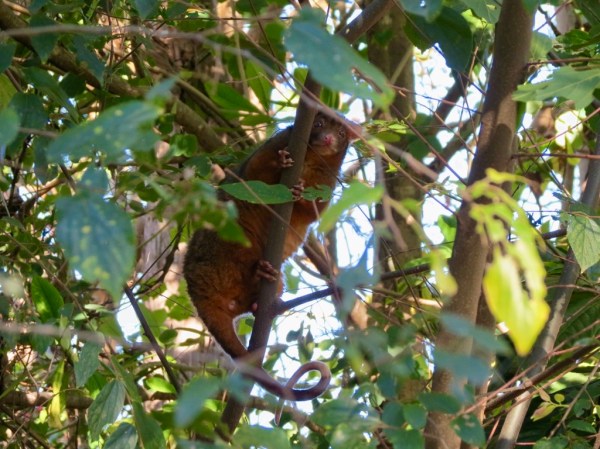
An alarm went off, late at night, and I heard terrible screaming. Leaving the light off, I went out on to the verandah to take a look. Walking across the street were the sources of the screaming – two bush stone-curlews. They had been stirred up by the sound of the alarm.
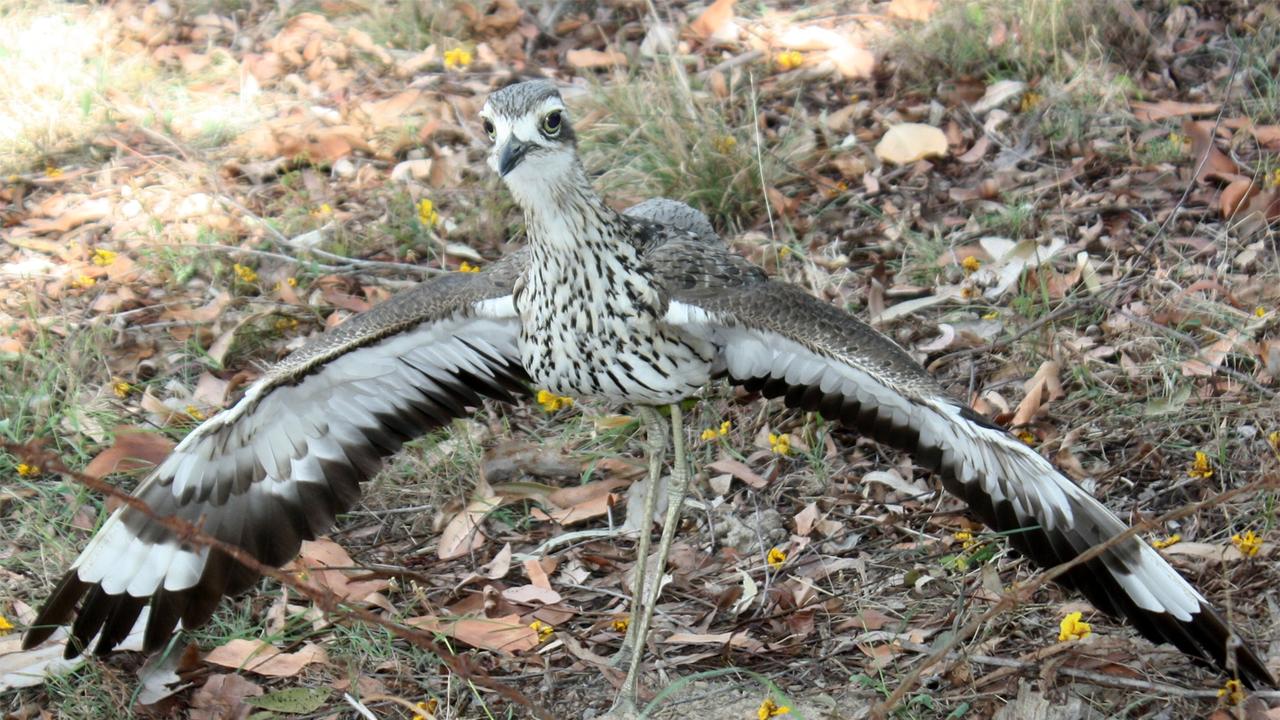
Bush stone-curlews are everywhere in Brisbane and up and down the Queensland coast. They are spooky birds, with huge yellow eyes and that piercing night-time shriek. https://www.youtube.com/watch?v=MnK6B0T5yDw
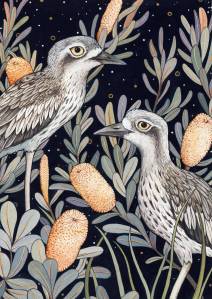
They protect themselves during the day by staying perfectly still, camouflaged by their streaky grey feathers, under trees and bushes or even out in the open. Artists like them.
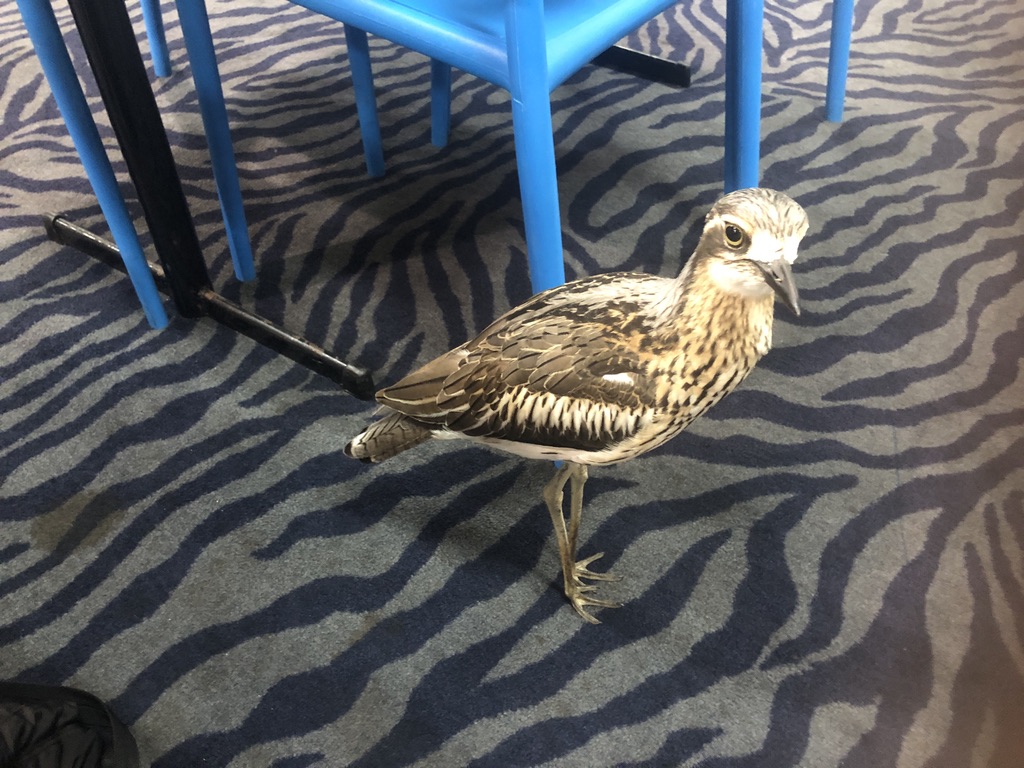
Coochiemudlo Island in Moreton Bay is a favourite haunt of stone-curlews, and if you have a meal on the terrace of the Point Lookout Hotel on Stradbroke Island Minjerribah, or at the local bowls club, you’ll see them wandering among the tables.
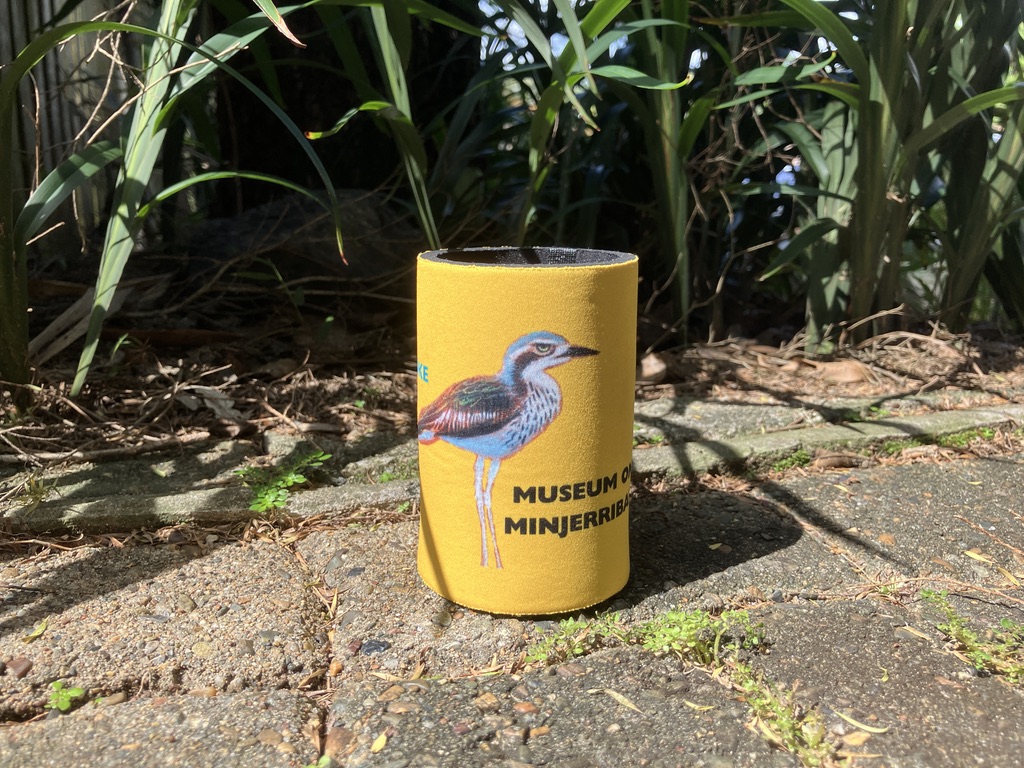
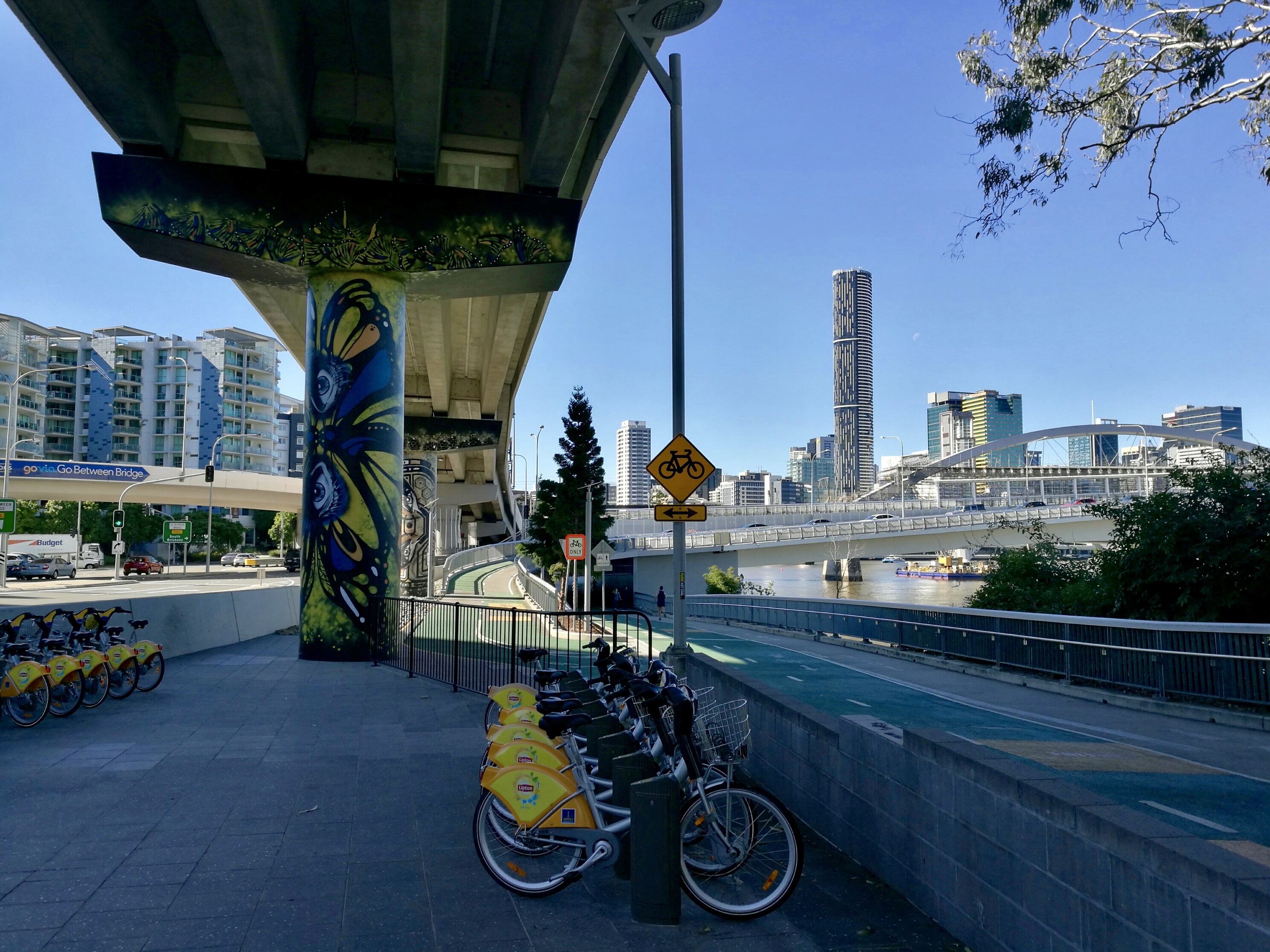
Stone-curlews haunt the leafy campus of the University of Queensland, which celebrates them with signage and curlew shaped bike racks.
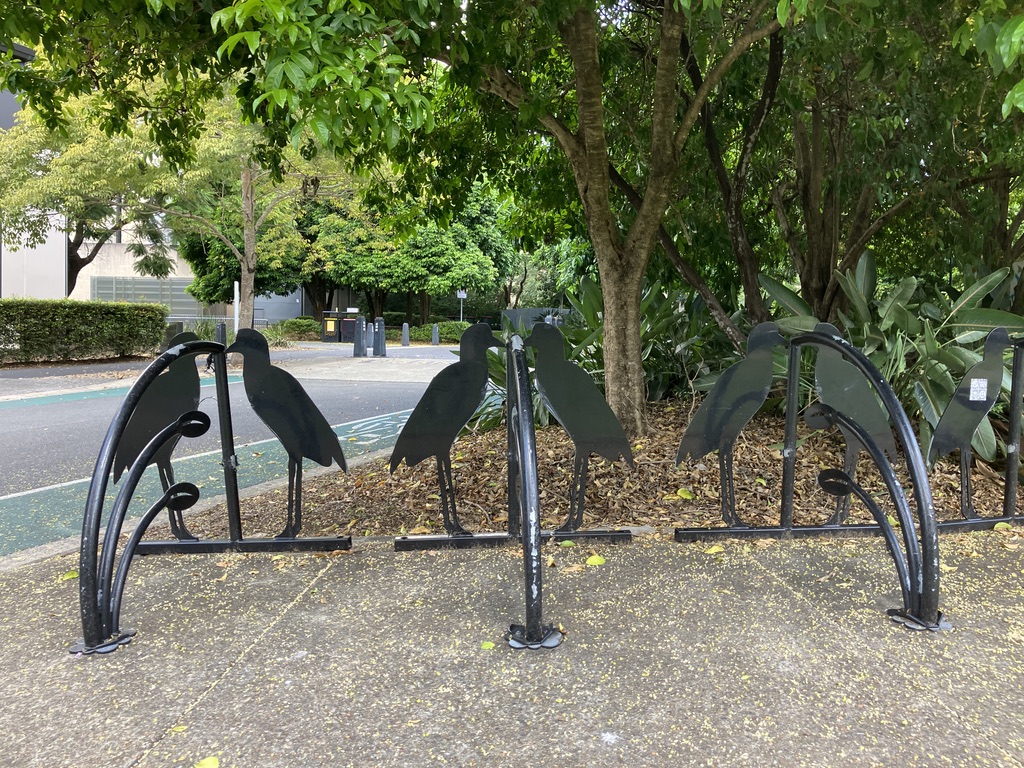
The birds live in parks and bushland reserves and often lay their eggs in the open, in patches of scrappy landscaping, in the midst of commuters and office workers; screaming and shaking their wings at anyone who comes too close. I love them.
People from the southern states, when they think of Queensland, think of crocodiles and stingers, cyclones and floods and strange politicians. A beautiful, wild place, unpredictable, and just a bit scary.
In our choice of how to present ourselves to the world at the Brisbane Olympics, through mascots, promotions and merchandise, we should lean into these perceptions of what we are: beautiful, but a little bit scary.
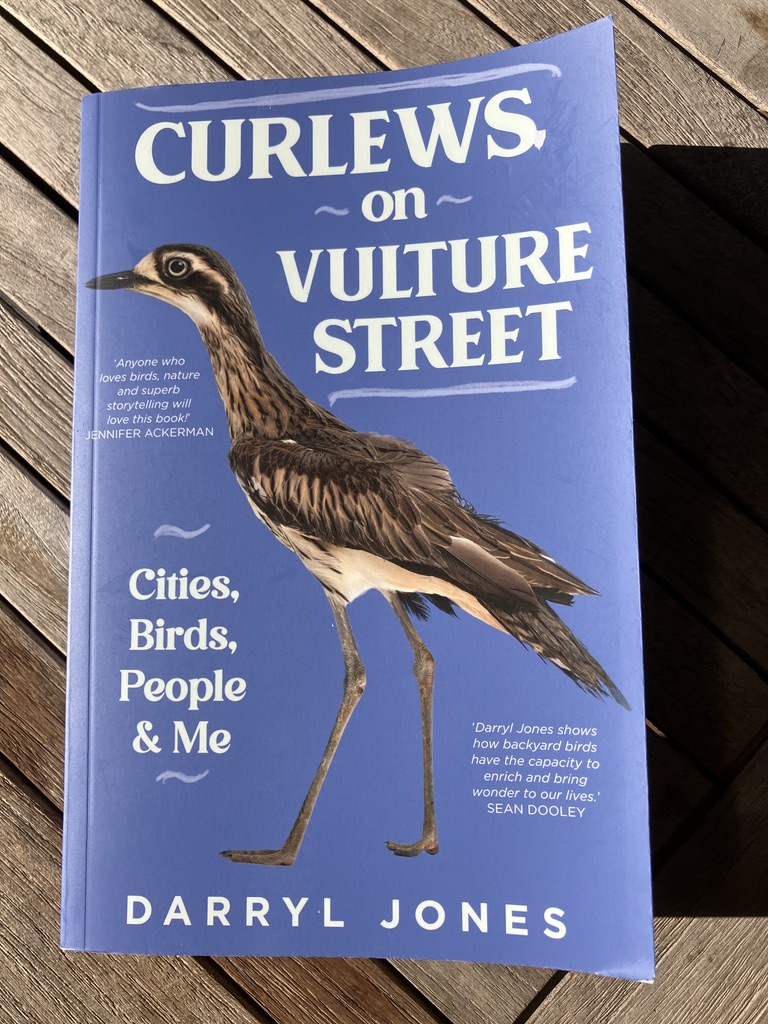
Bush stone-curlews would make a perfect mascot. Find out more about them, as well as other potential bird mascots like magpies, crows, bush turkeys and rainbow lorikeets, in Darryl Jones’s engaging book “Curlews on Vulture Street”.
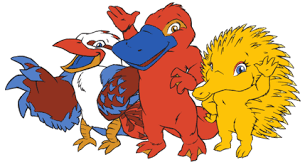
Sydney’s 2000 Olympics had the platypus, echidna and kookaburra for its mascots.
The 2018 Commonwealth Games at the Gold Coast had a surfing koala.

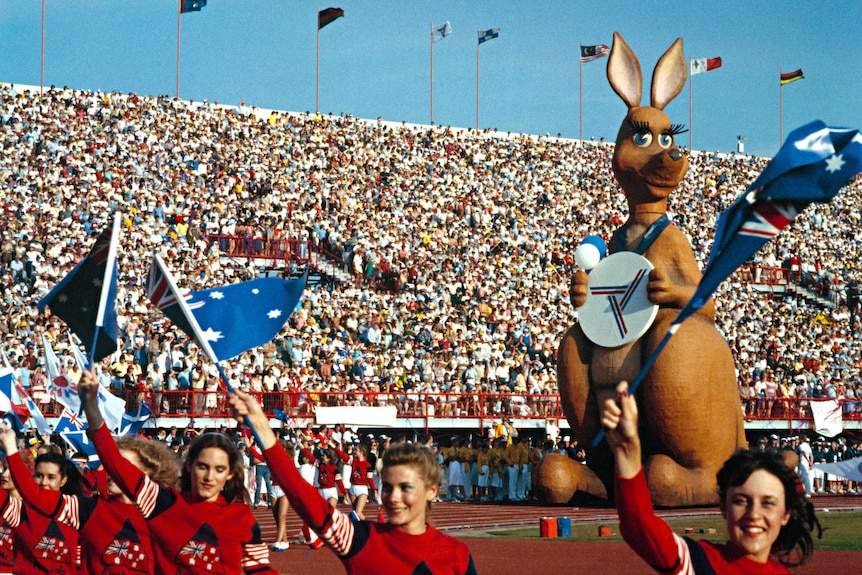
In 1982, the Brisbane Commonwealth Games had the red kangaroo as mascot.
For our Olympics we should avoid the obvious creatures and go for something wilder, living up to our reputation.
After all, one thing we Queenslanders, and Australians, love to do is scare foreigners with stories of our dangerous wildlife.
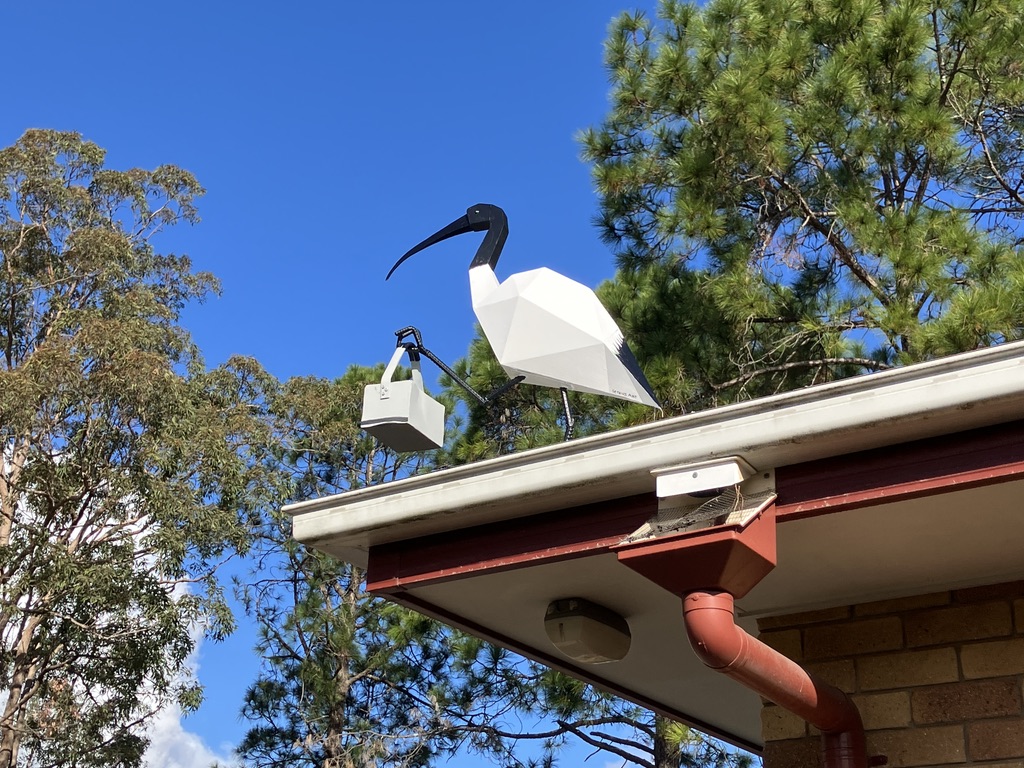
Please, let’s not choose the Australian white ibis for a mascot, the “bin chicken”. I can see the appeal – the bin chicken is a kind of anti-hero, likeable for its persistence and boldness around Brisbane outdoor cafes. There is even a Bin Chicken Trail to celebrate them. https://www.sethius.art/binny
There are plenty of other interesting and worthy candidates to choose as mascots, though, and not only birds.
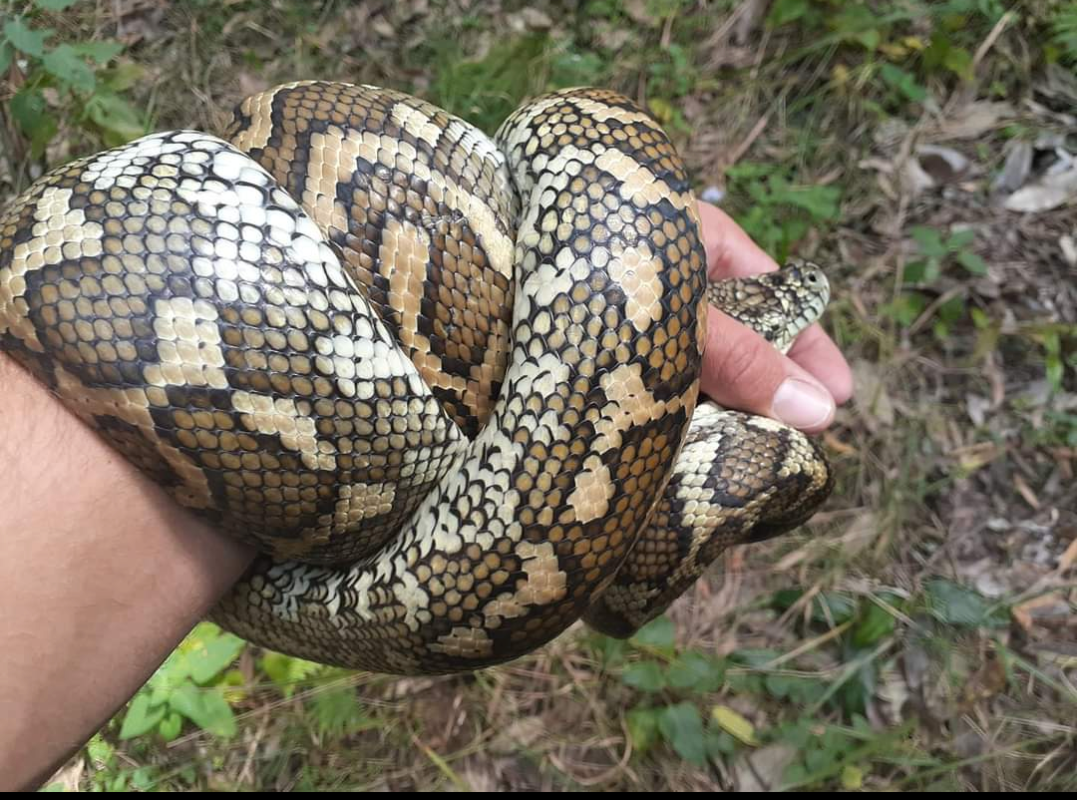
The Brisbane River curves like a snake, and our reptile emblem could be the beautiful and and useful carpet python, the creature that slithers through suburban houses and gardens keeping us free from rats, crawling along verandahs or coiling itself up behind stag horn ferns.
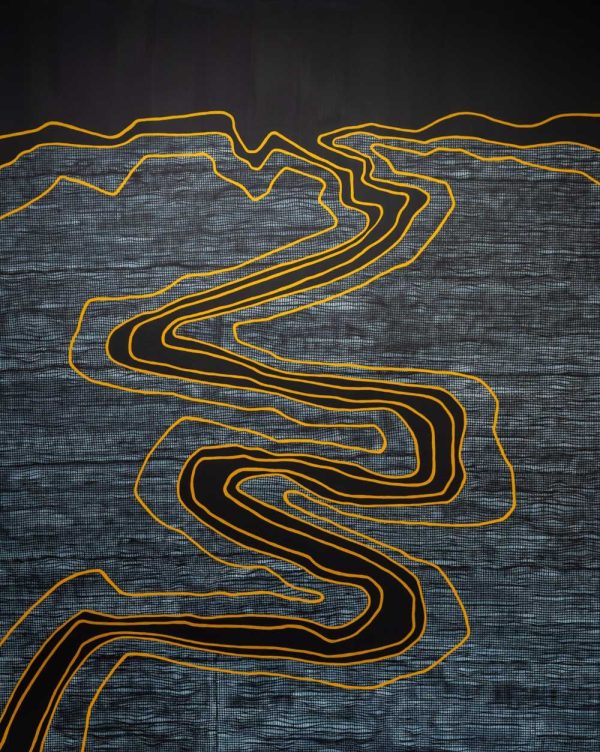
To the Gubbi Gubbi people of the area north of Brisbane, Caboolture is the place of the carpet python: Kabul, the Rainbow Serpent. Schools and sporting teams proudly feature snakes on their logos and uniforms. That gives the carpet python a special significance.
It would look good on Olympics souvenir t-shirts, too.
For a mammal, let’s choose the beautiful, shy and locally threatened squirrel glider, with its soft grey fur and black stripes, that lives quietly throughout Brisbane’s bushlands and wattle thickets.
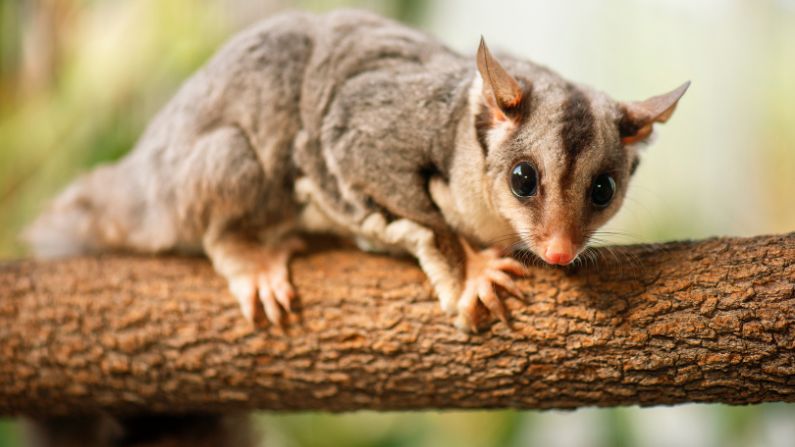
We might choose the fruit bats that hang squabbling in their noisy colonies all day, then fly out each dusk to feast on suburban gardens. It’s an iconic sight – hundreds of bats streaming across the evening sky. But fruit bats carry lissa virus, which gives them the potential for real danger.
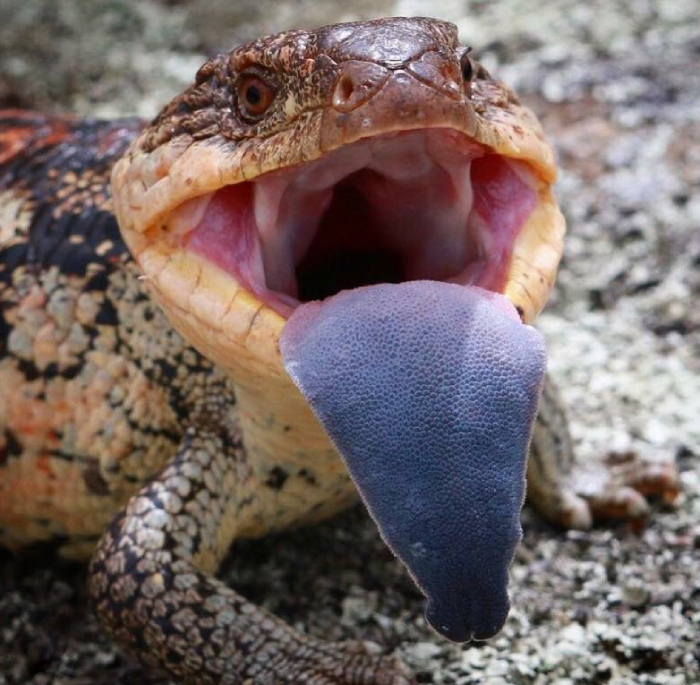
To give that sense of harmless wildness, we could choose the blue-tongued lizard, with its hiss and the bright blue tongue it shows when threatened, or the ubiquitous water dragon.
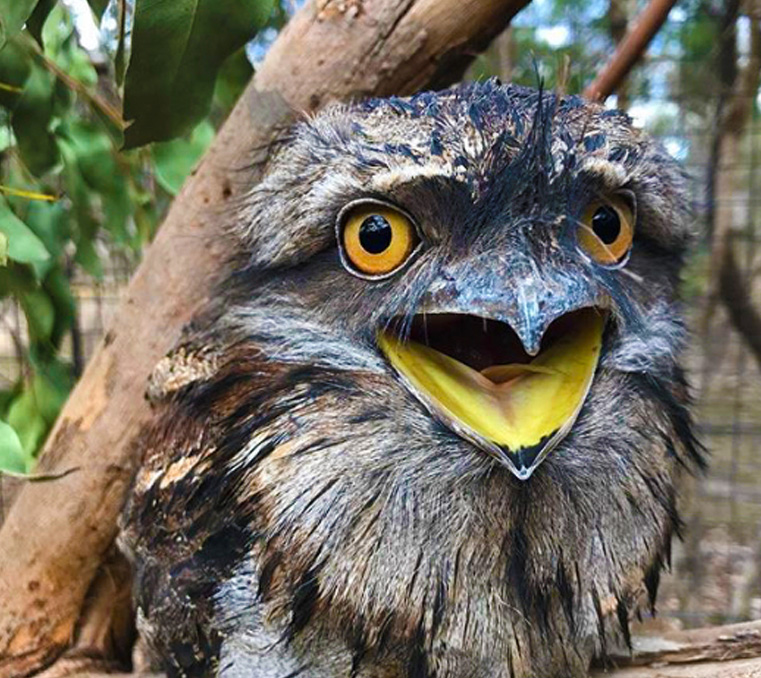
Or the tawny frogmouth that looks like a piece of bark in the tree until it opens its huge, yellow mouth.
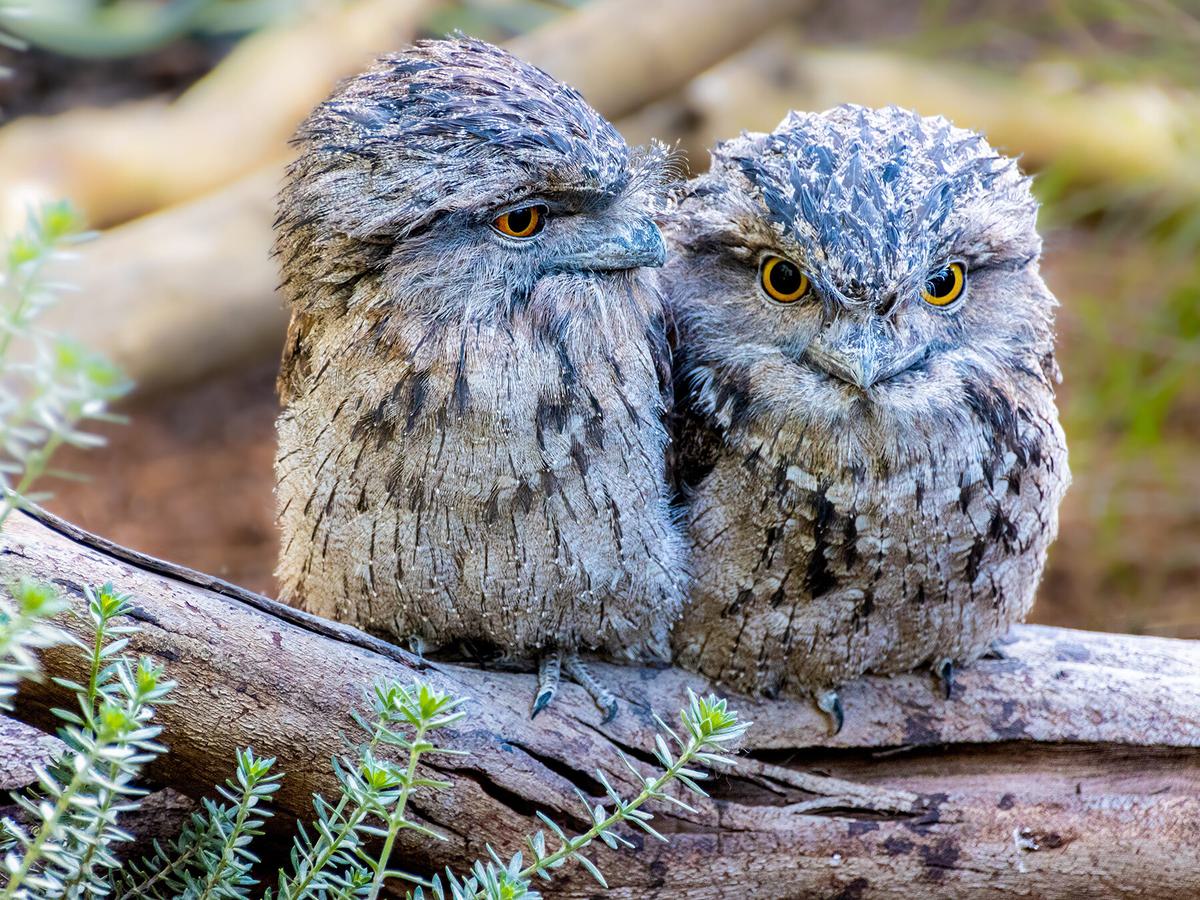
And tawny frogmouths have the cutest of babies.
The scrub turkey that wanders the streets and back yards of Brisbane, scratching up gardens and building huge nesting mounds wherever it chooses.
Or the possum. Most evenings, a brush tail or rarer ringtail possum runs across the power lines to our verandah, stops to stare at us, then gallops noisily across the iron roof to jump into the lillypilly tree out the back. Possums will come inside if they get a chance, and you might find one nesting in the ceiling, or sitting in your kitchen sink, chewing on a Weetbix.
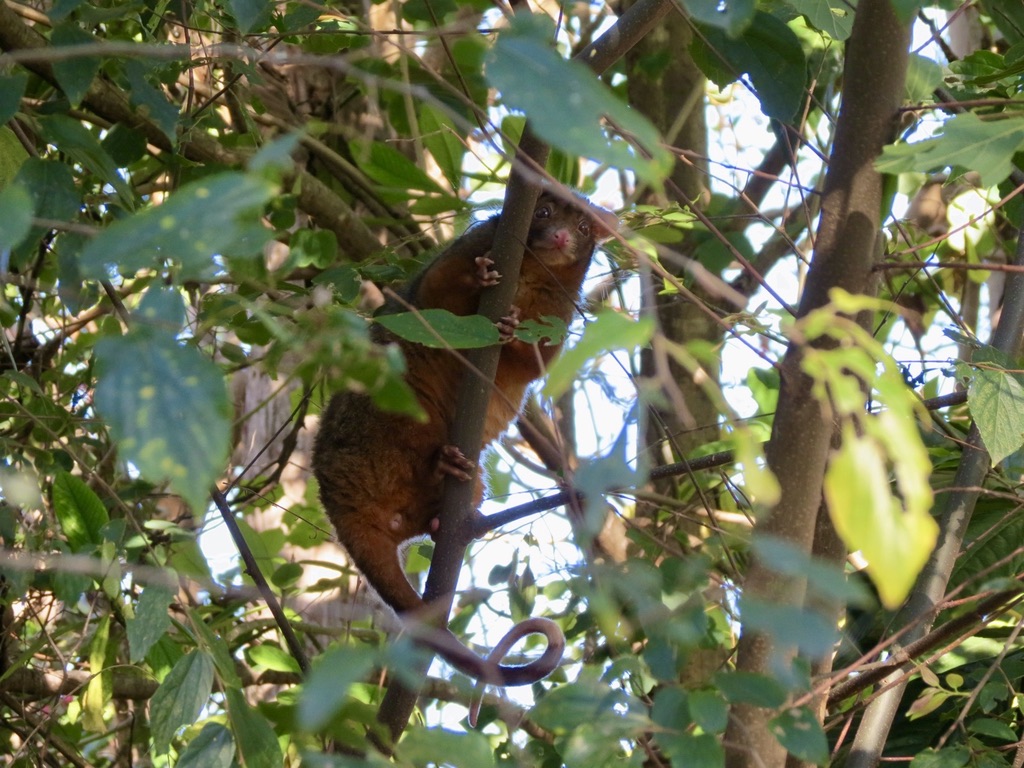
Most of these creatures live in other states as well, and perhaps a crocodile or a cassowary would be more appropriate. Wonderful Queensland creatures, but a bit too scary.
My friend Mila told me of another potential mascot. It’s not a living one, but I think it’s worth considering.
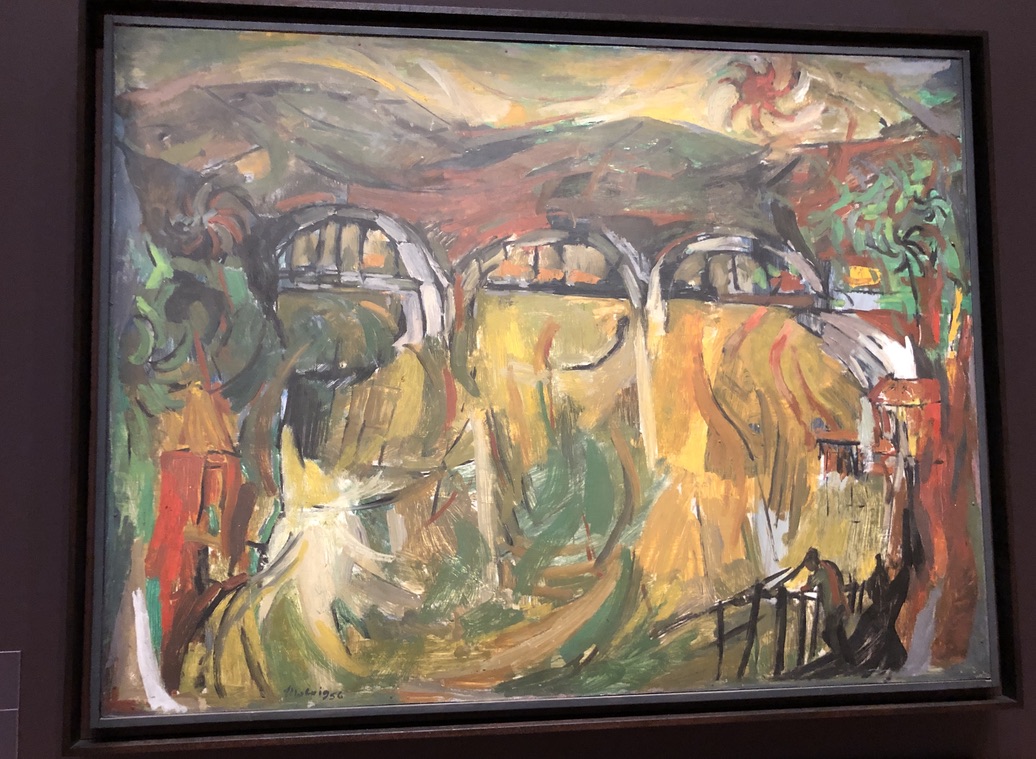
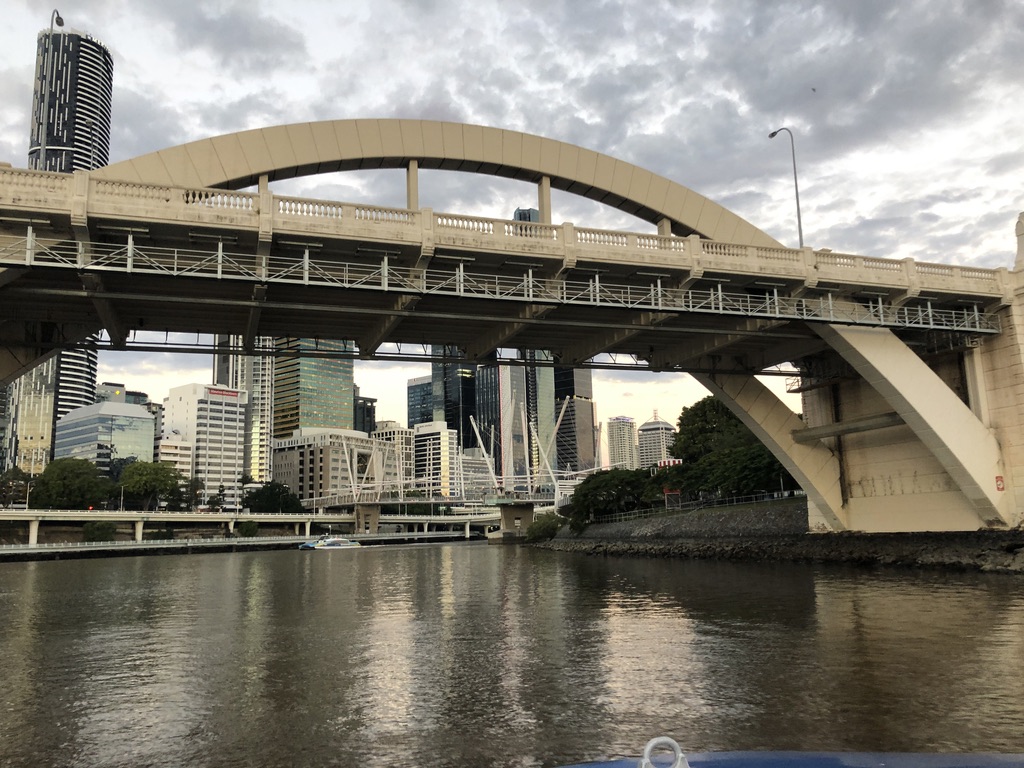
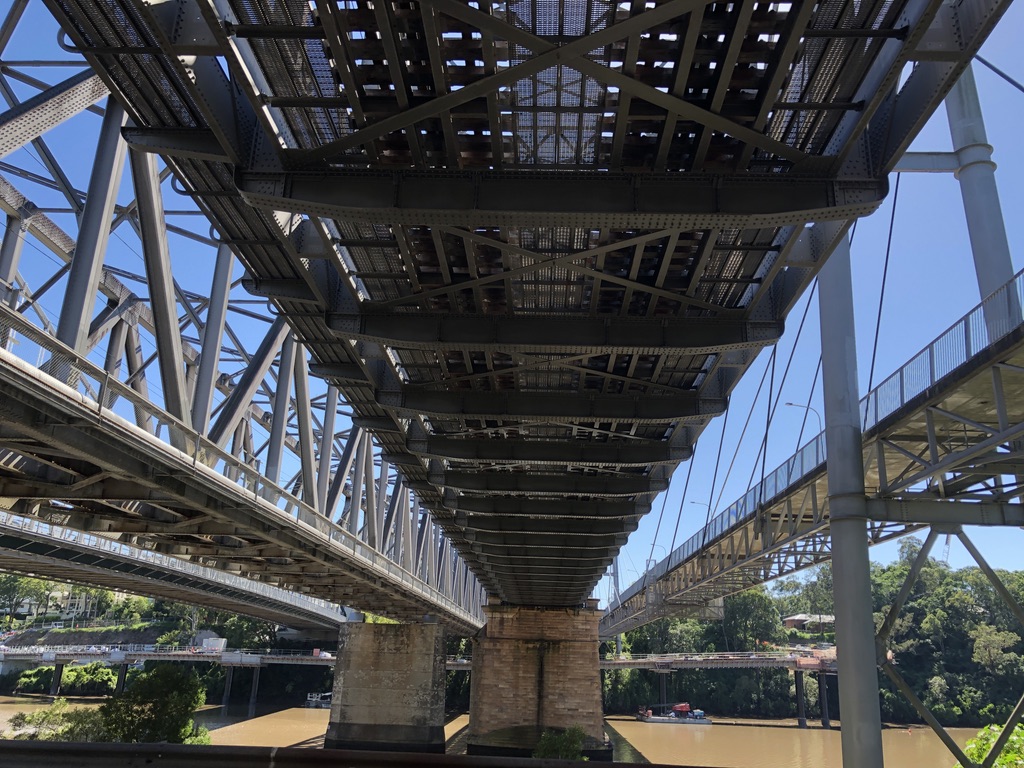
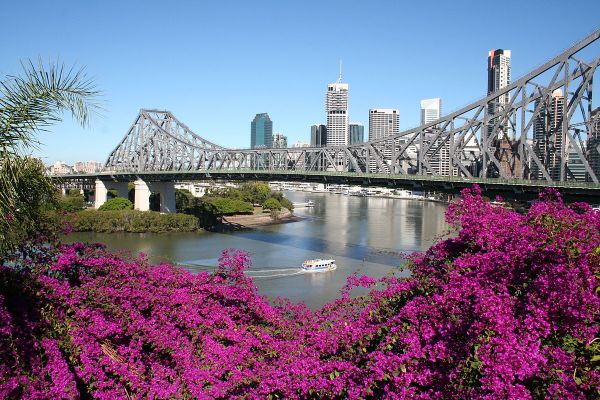
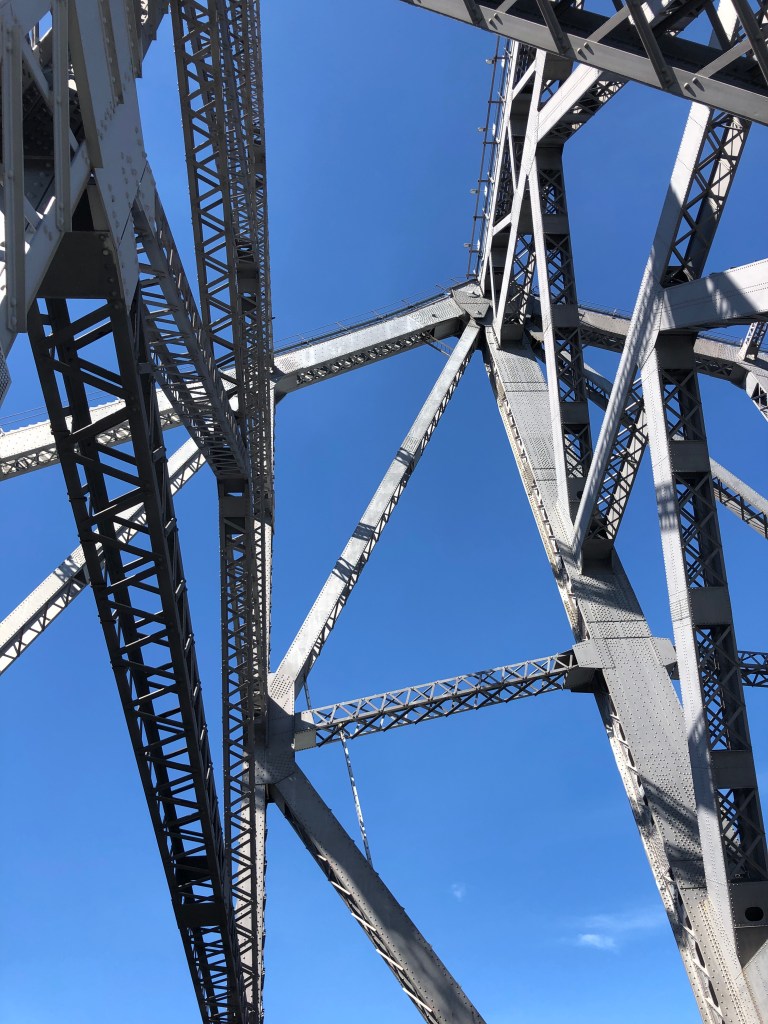
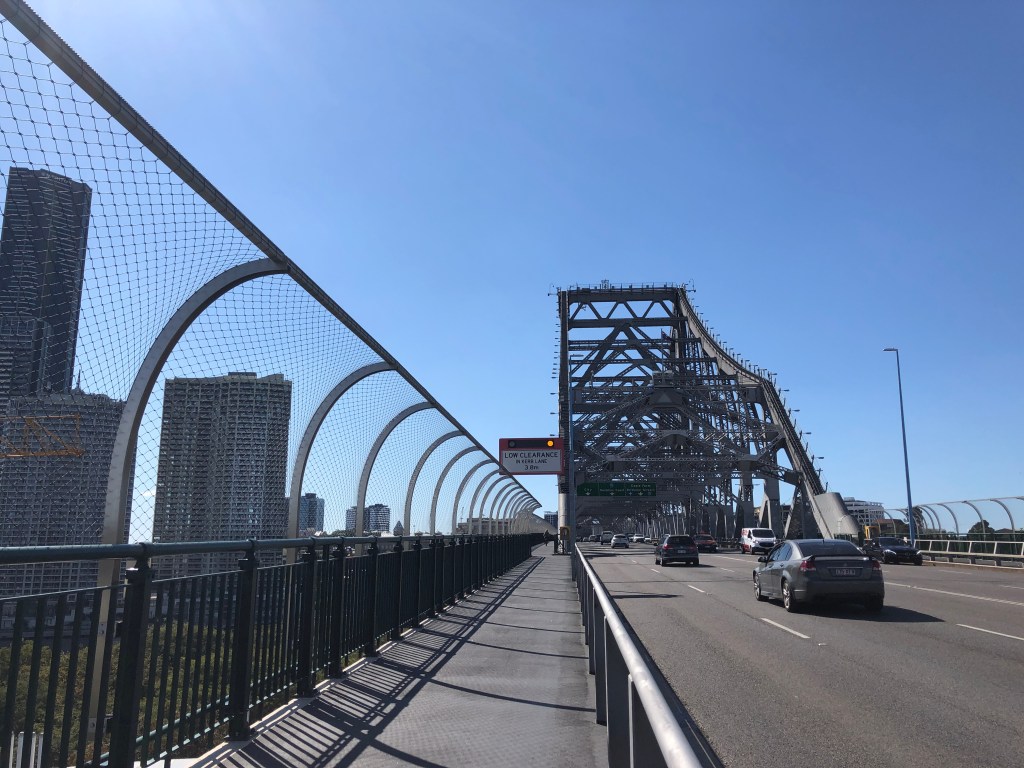
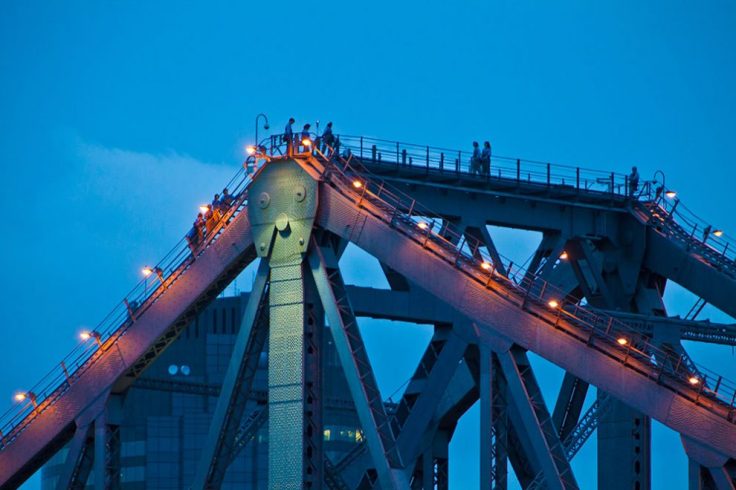
Mila tells me that one day when she was walking along the river she noticed a female face on the Story Bridge and now can’t un-see it.
Mila calls her Bridget Story, and she sent me a photo.
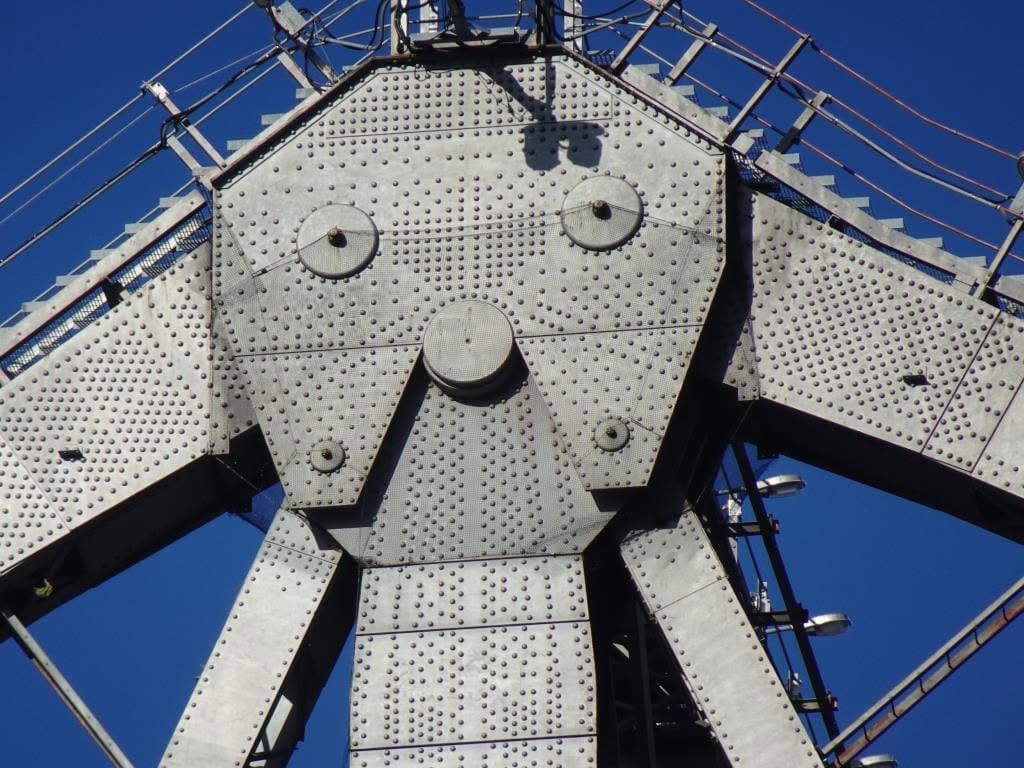
As she says, Bridget Story has lots of potential for merch, and particularly for animations. Imagine the Story Bridge, striding across the city and the coast, welcoming people to the Games.
Bridget Story could even raise some money for the much-needed bridge repairs.
I love it.








 Queensland Stories