
There’s a white cross on the grave, and the ground around it is bare and dry. Three people are buried here, the last dying a hundred years ago, in the great influenza epidemic of 1919. That was my great-grandfather, Frank Matthews.
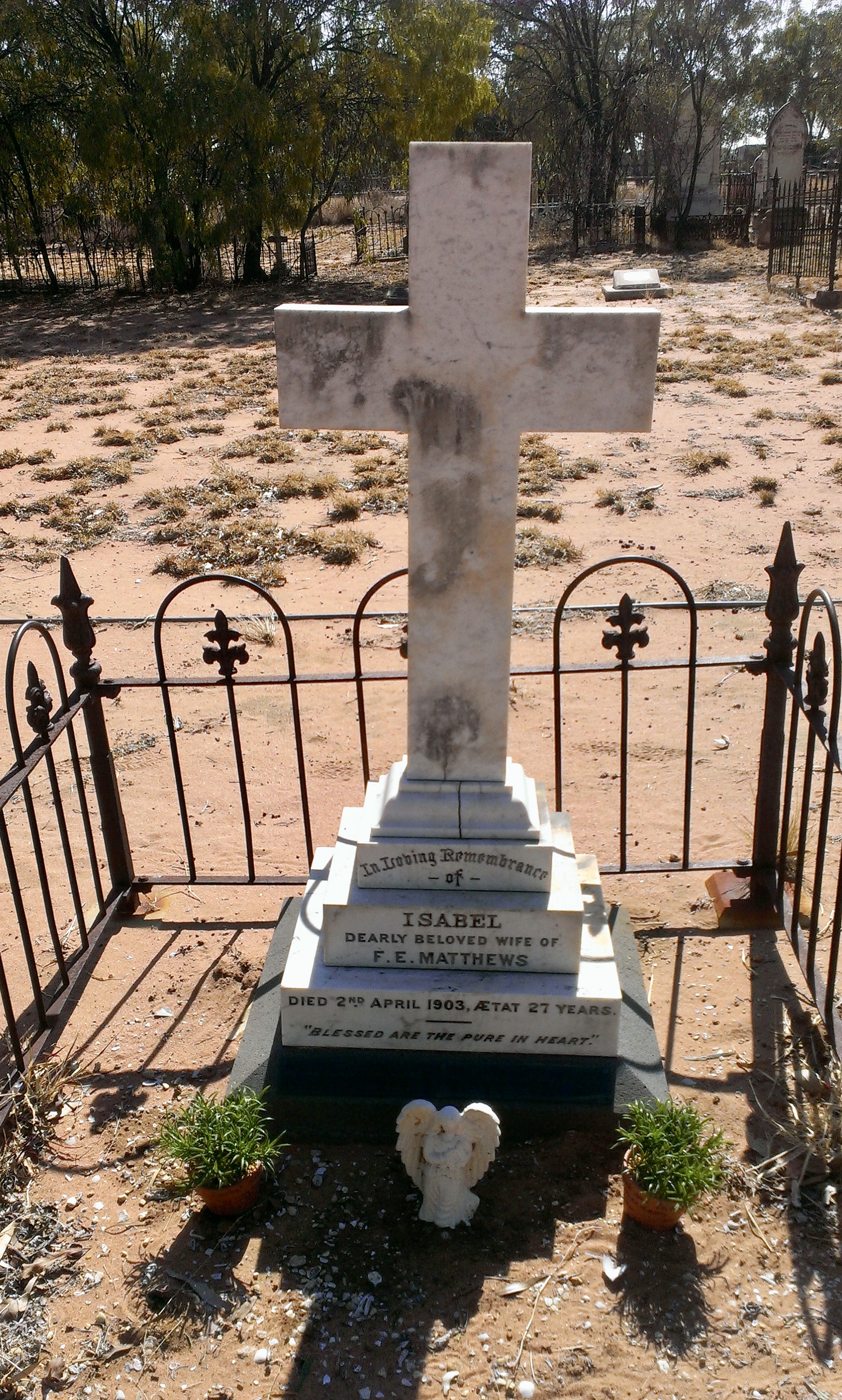
The first to be laid to rest here was my great-grandmother Isabel, in 1903.
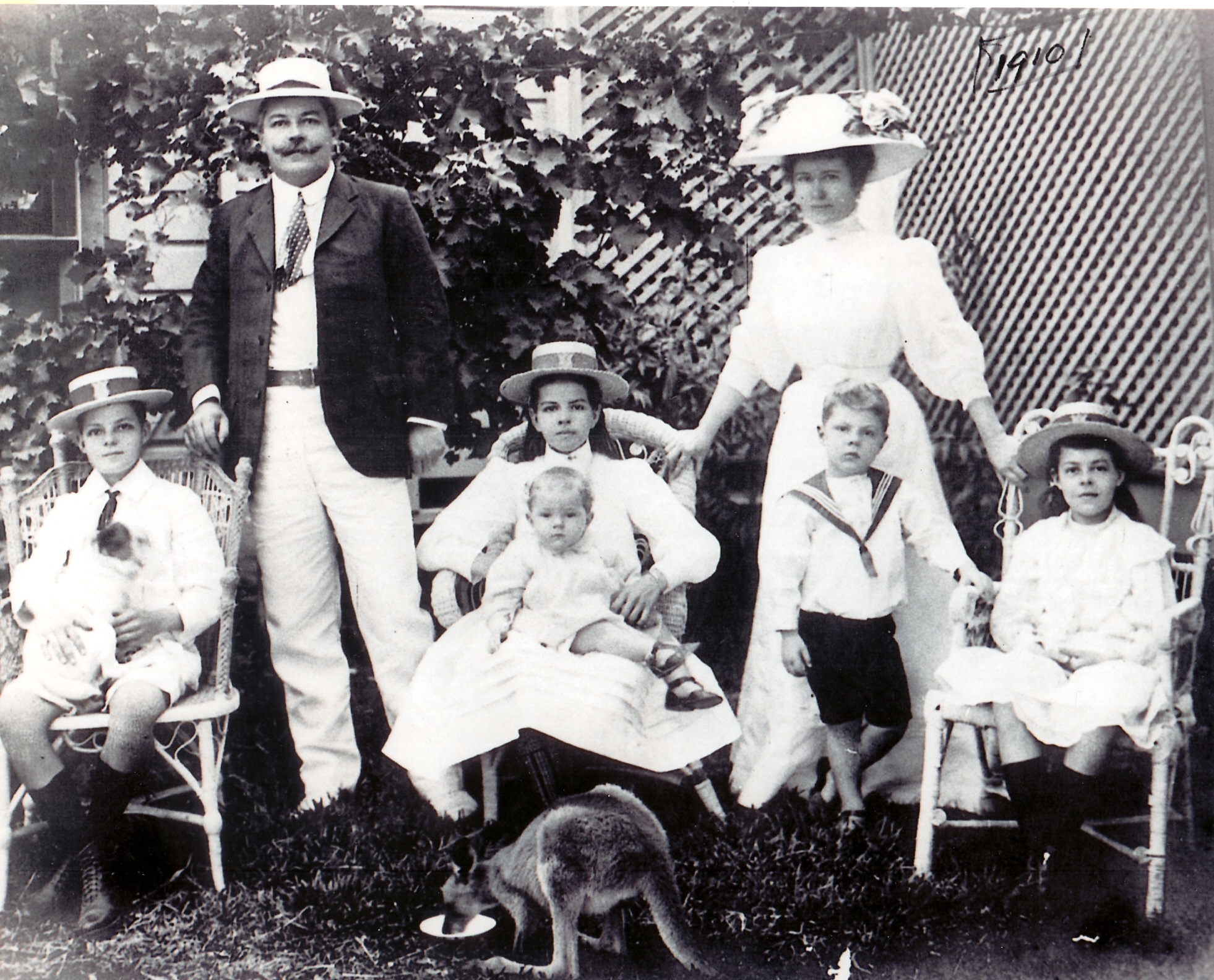
Frank and Isabel and their children had been living in Sandgate, in the old Queensland National Bank building on Eagle Terrace, looking out across the Bay. In 1901, Frank received a transfer to Barcaldine, a thousand miles away by steam boat and train; a town that twenty years earlier had not existed.
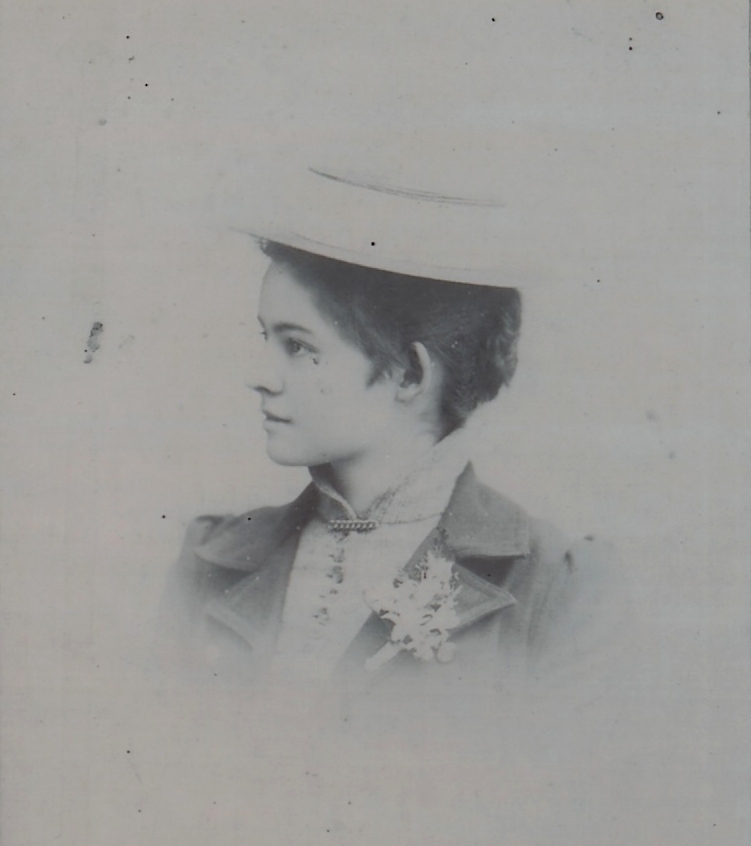
Isabel and Frank were both, like so many Australians then and now, the children of migrants who had travelled much further than a thousand miles to make a better life for themselves and their children. They packed up their goods and the children and Topsy the cat, and with Isabel’s sister Jessie to help out, embarked on the steamship going north, beginning a trip into the heat, hazards and discomforts of the Outback.
Isabel wrote home to her family.
A terrible choking comes in my throat, whenever I think of you all standing on the wharf, and our leaving you all for perfect strangers…
Phyllis, my grand-mother, was five years old. She helped to keep an eye on three-year-old James and baby Evie as they travelled north, the ship anchoring one evening in Keppel Bay, at the mouth of the Fitzroy River.
Here they trans-shipped to a tender for the trip up-river to Rockhampton, Isabel and Jessie laying the children to sleep in their clothes on the dusty bunks. Just before four in the morning the exhausted family got to bed in a hotel in the city, only to discover when they woke up that the weekly passenger train to Barcaldine had left the night before.
There was nothing else to do but travel by goods train, and we could not even get sleeping cars. It seemed as though we would have to sit up for two nights, but we were so tired we managed to curl up with the children and get some sleep. The train crawled along, and it took us twenty-seven hours to come from Rockhampton to Barcaldine.
But since we arrived and had a good night’s rest, we have quite regained our good spirits.
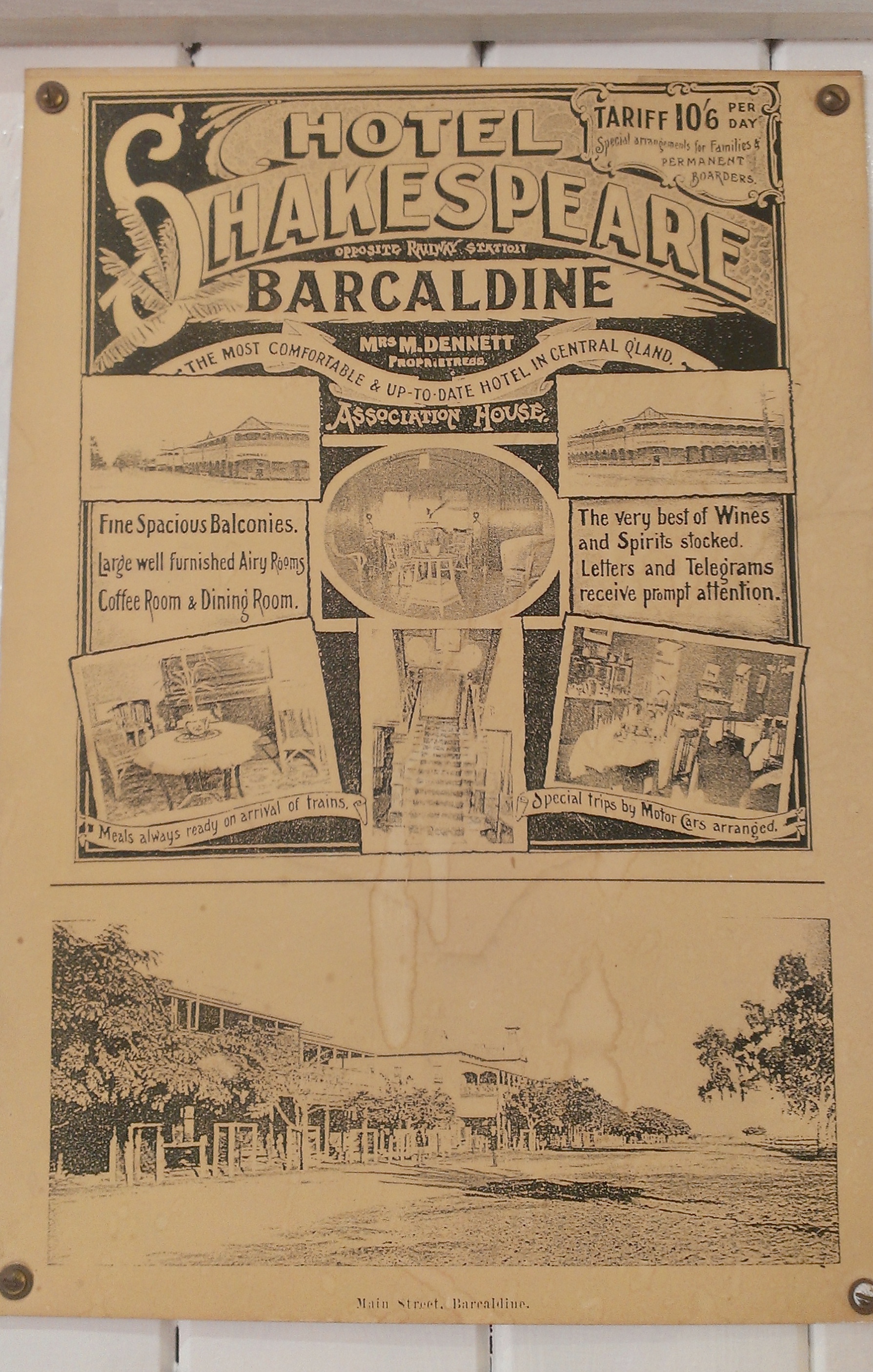
They stayed in the then-new Shakespeare Hotel, on the corner of Oak and Beech Streets.
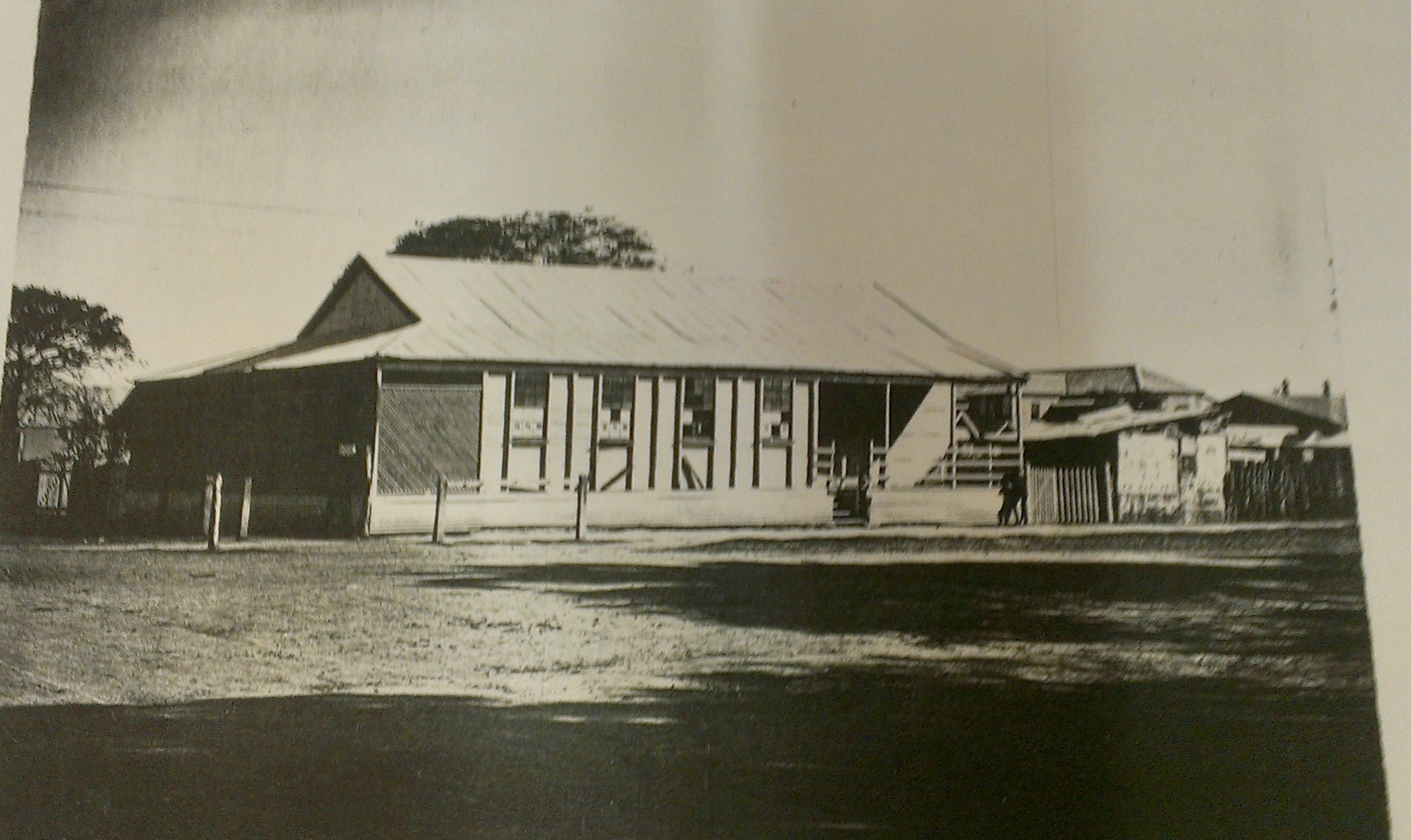
Several days later, they moved into the bank residence, a low timber building with the bank chambers at one end. The bank house faced across dusty Oak Street to the railway line, but there were lattice-enclosed verandahs around the bedrooms and the back of the house, opening on to Willow Street, and a patch of lawn.
That summer, the countryside was in the middle of a dreadful drought. The grid of flat streets and simple houses that made up Barcaldine was lashed by westerly winds like blasts from a furnace. On the remnants of lagoons around the town, hundreds of birds perished from the heat.
On the sheep stations, men cut scrub to feed the stock until the land was almost bare. The town was over-run by goats. Fire and infectious disease threatened constantly.
Isabel must have thought often of cool Moreton Bay breezes and the family she’d left behind.
Two years after they arrived in Barcaldine, she died.
According to one family story, she was dressing for dinner. Raising her arms, perhaps to pin up her hair, she fell down with a brain haemorrhage. Others maintain that she was having a shower at the time. It would have been a warm shower, more of a dribble than a gush, and as it was from the town’s artesian bore, the water would have reeked of sulphur.
Barcaldine’s Western Champion printed the story the following Saturday, revealing that Isabel had never regained consciousness.
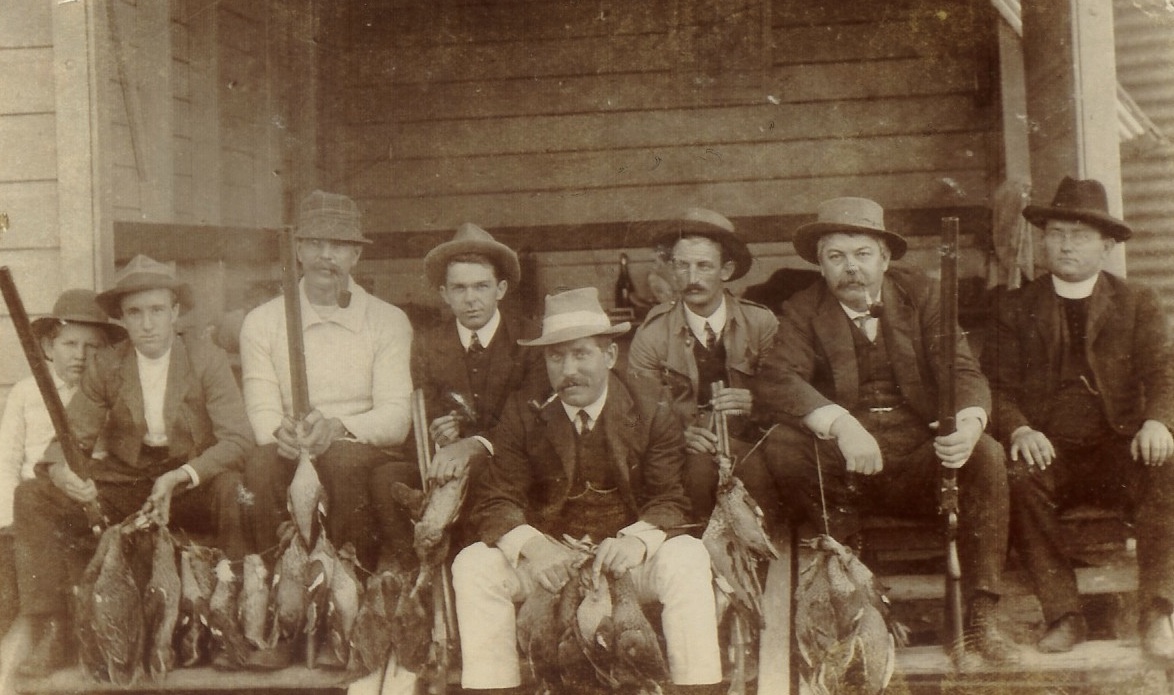
Frank was not at home when she collapsed. As bank manager, he was often out of town, visiting sheep stations in the area. He went duck-shooting and patronised the local race-meetings, and he could “keep one down” with the best of them.
The night of Isabel’s collapse, he was at Dunraven Station, fifteen miles out of town. The doctor sent a messenger for him, crossing Lagoon Creek in the dark, riding through gidyea scrub and across the open downs. Frank was home by two in the morning, but there was nothing anyone could do.
Isabel was only twenty-seven years old when she died.
Two years later, Frank married Isabel’s sister Vida, who had come out to help Jessie look after the children. Frank was excommunicated from the Church of England for marrying his dead wife’s sister. It was a scandal.
Poor young Vida – coping with Frank and Phyllis and the little ones, and soon to watch her own first child, little curly-haired Janet, die of gastro-enteritis. Many Barcaldine babies did, back then, what with the heat, an uncertain water supply and the open drain that ran down Oak Street.
Isabel, Frank and little Janet share the grave under that white cross.
Nearly a century later, I began to research Isabel’s life and death: visiting Barcaldine, trawling through old newspapers on film in the State Library, and collecting family stories, letters and photographs.
In 2015 I went back to Barcaldine with my cousin Nadine, and on that bare grave we placed two little pots of artificial greenery, with loving messages written on the pots. Maybe they’re there still.
Afterwards, we walked up Oak Street for a pub crawl. It was Rugby League Grand Final night, with two Queensland teams competing, the Brisbane Broncos and North Queensland Cowboys. The epic game was played in Sydney, but Nadine and I watched it in five different Barcie hotels: Union, Railway, Artesian (“The Artie”), Shakespeare and Commercial. Some were cheering for the Broncos, but most were ardent Cowboys supporters – people in the regions supporting the regional team.
For the thrilling finish we were at the Artie, and with ecstatic locals we watched that moment when, in extra time, Johnathon Thurston kicked the winning field goal.
After a final Kahlua and milk, Nadine and I meandered back down Oak Street to our motel; past the Shakespeare Hotel, across Beech Street and Willow Street, past the spot where our great-grandmother Isabel had died one hundred and twelve years earlier in the long-gone bank house.
I have a great affection for Barcaldine, and not just because of its attractive old streetscape, its position in the centre of the state, its importance in Queensland’s pastoral and political history, its interesting museums.
I like it most of all because my family’s story links me to this place. Stories are powerful that way.




 Queensland Stories