Floods

Floods.

I’ve written many stories about many parts of Queensland on this blog, and so many of them describe floods.

Maryborough, Ipswich, Rockhampton. https://roseobrienwriter.blog/2024/02/06/maryborough/

Townsville, Bundaberg, Ingham, Charleville. https://roseobrienwriter.blog/2021/07/24/road-trip-to-ingham/

The Brisbane, Bremer, Mary, Burdekin and Flinders Rivers. https://roseobrienwriter.blog/2020/12/12/syphoning-petrol/

The Gulf Country, the Horror Stretch and the Cassowary Coast. https://roseobrienwriter.blog/2018/11/08/horror-stretch/

These are places I know well, and I feel for the people who live and work there; especially in the north. People wading through the ruins of their flood-damaged homes; cane, banana and beef farmers coping with the ruination of their hard-won livelihoods.

I remember the cattle farmers of the Flinders River catchment who, during the 2019 floods waited helplessly for the waters to go down as helicopters brought back images of mobs of cattle, including precious breeding herds and cows with calves, dead of cold and hunger, crowded against fences and on small patches of higher ground. It is estimated that 500,000 head of stock died in that flood.

And now floods have happened again – are still happening – in tropical Queensland. The State premier, an Ingham native, holds a press conference describing the community’s sorry situation: highway cut both north and south, houses flooded, no electricity, a breakdown in the water supply, supermarkets empty, and two lives lost. Further north, in and around Cardwell, houses flooded that have never been flooded before.

The Herbert River catchment of 9000 square kilometres has its headwaters in the Great Dividing Range near Herberton, and it collects a lot of tropical rain before it makes its way down to the flat canefields around Ingham. The Cardwell Range is steep and high and close to the town, so the catchment there is not nearly as big. But what is going to happen, when almost two metres of rain falls in three days?

The Burdekin River catchment of over 130,000 square kilometres is the size of England and stretches from north of Charters Towers and Greenvale to south of Alpha. Charters Towers has been flooding all week, and that water is heading for Ayr and Home Hill on the coast.
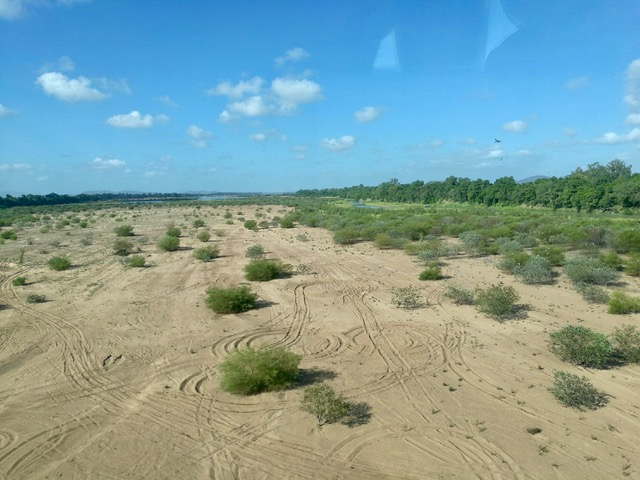
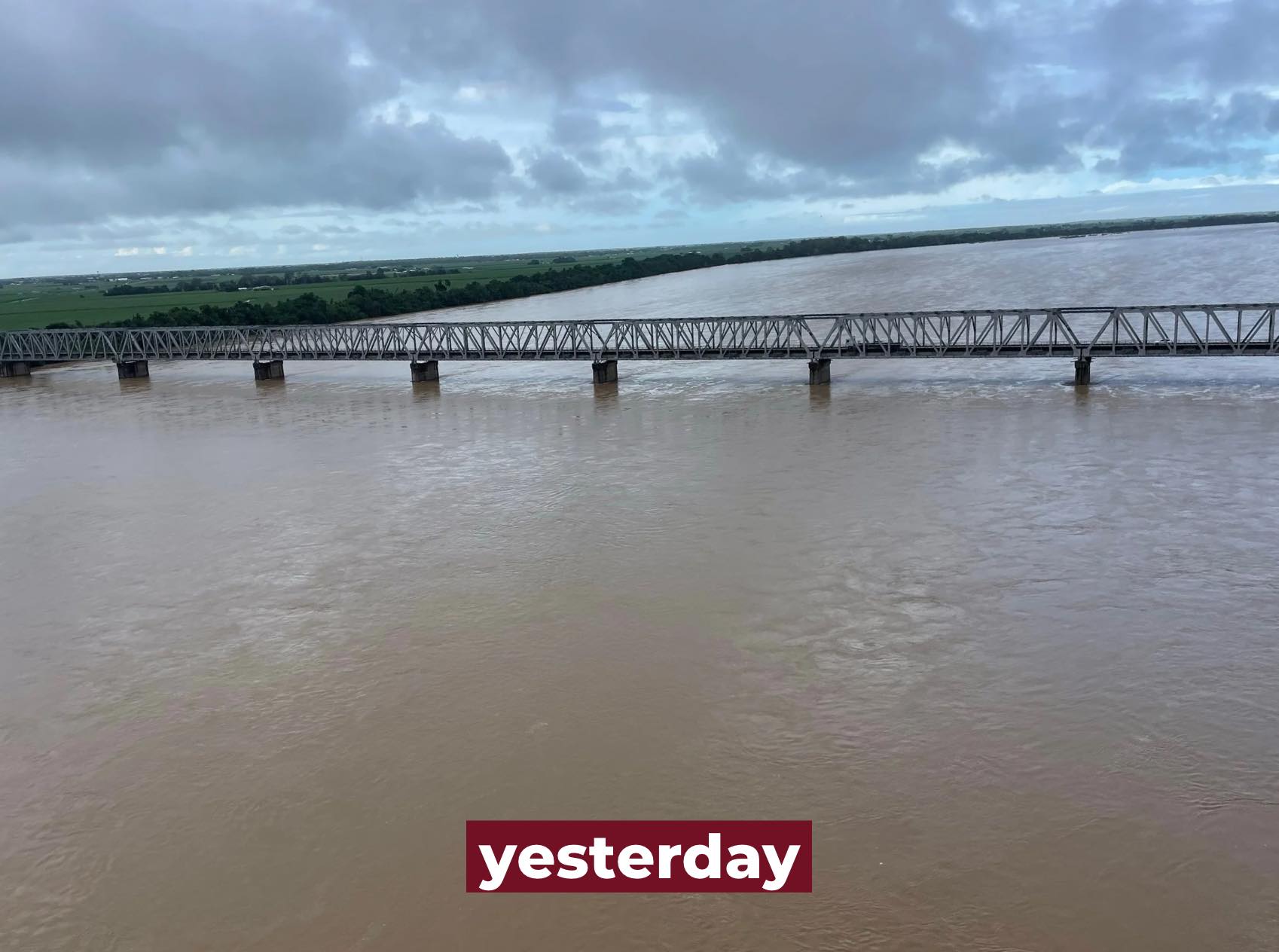
Burdekin River at Home Hill in the dry season, looking upstream from the Bridge
Burdekin River at Home Hill this week Dale Last, Member for Burdekin. Facebook

Sugarcane can be laid low by a flood, and recover, if the water doesn’t lie there too long. On the rich flood plains around Ingham, water has been lying for days, and still it rains.

An agriculturist, an expert in banana growing, told me that in the case of a cyclone, if a farmer lops the plants back they will survive and regrow. How would you go about that? It would take days, and a huge amount of work, and even with excellent modern forecasting, satellites and radar, cyclones are unpredictable. They can veer south or north or move back out to sea.

More heavy rain is forecast across North Queensland. The water will run to the coastal towns and farms and also to the vast plains of the inland, where rivers like the Flinders will break their banks and spread across the land, cutting the few sealed roads and the one railway line that runs east-west across the State.

In Queensland, rich in resources though it is – agriculture and mining in particular – we don’t have many people. The US state of Texas, iconic to Americans for its size, has an area of 697,000 square kilometres, compared to Queensland’s over 1,700,000 square kilometres. However, Texas has a population over five times the size of Queensland’s. That makes a huge difference when it comes to tax base and industry. It seems we don’t have the population, or the votes, to create better, more resilient transport infrastructure.

We also have a more extreme climate than Texas, especially when it comes to floods. Tornados are deadly, but they move quickly across the land. Rain depressions hang around.

Queensland has only one highway and one railway going along the coast, and because of shortage of population and extremes of climate, there are almost no entirely sealed roads west of the ranges linking north and south.

During this month’s major flood event in North Queensland, the one main railway line was soon cut in several places. https://www.railexpress.com.au/rail-bridges-submerged-as-floods-batter-north-queensland/

When the Bruce Highway bridge at Ollera Creek was washed away over the weekend, north of Townsville, Far North Queensland was cut off from the world except by air and sea.
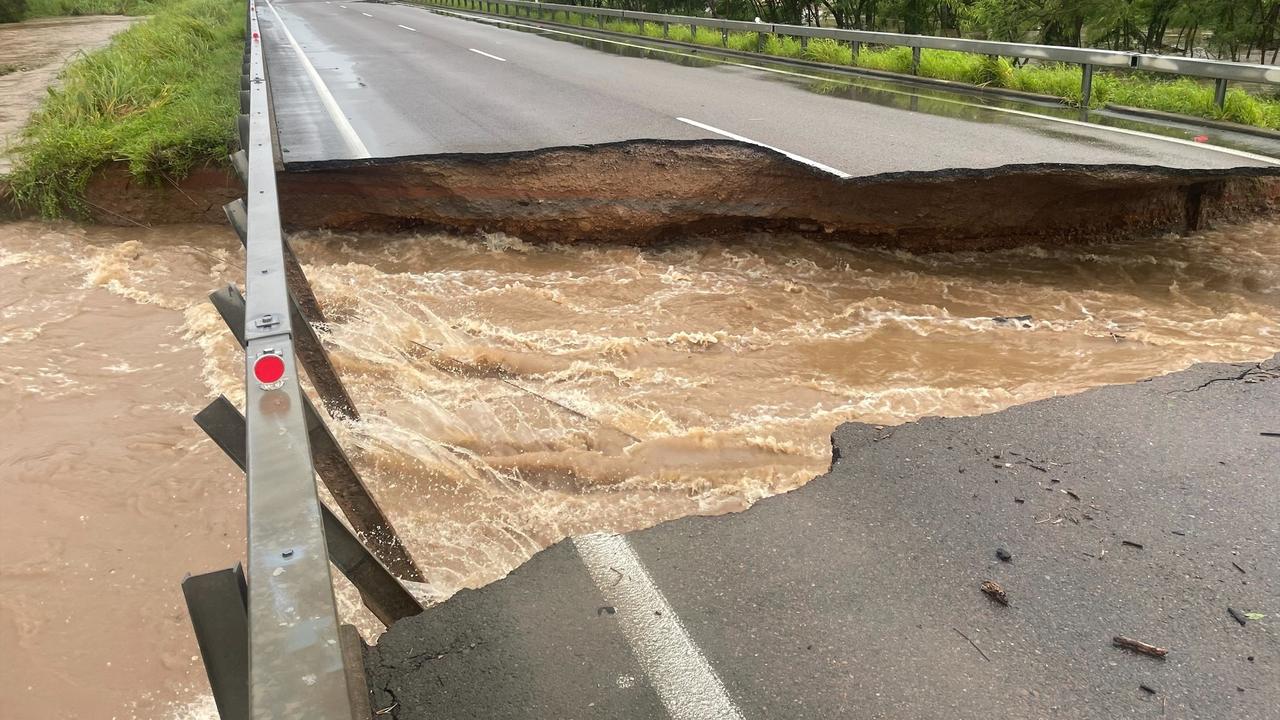
Ellora Creek bridge washed away Townsville Bulletin
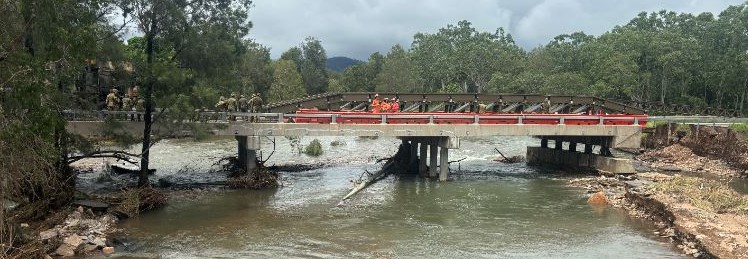
Ellora Creek bridge , as repaired by the army for emergency vehicles mypolice.qld.gov.au

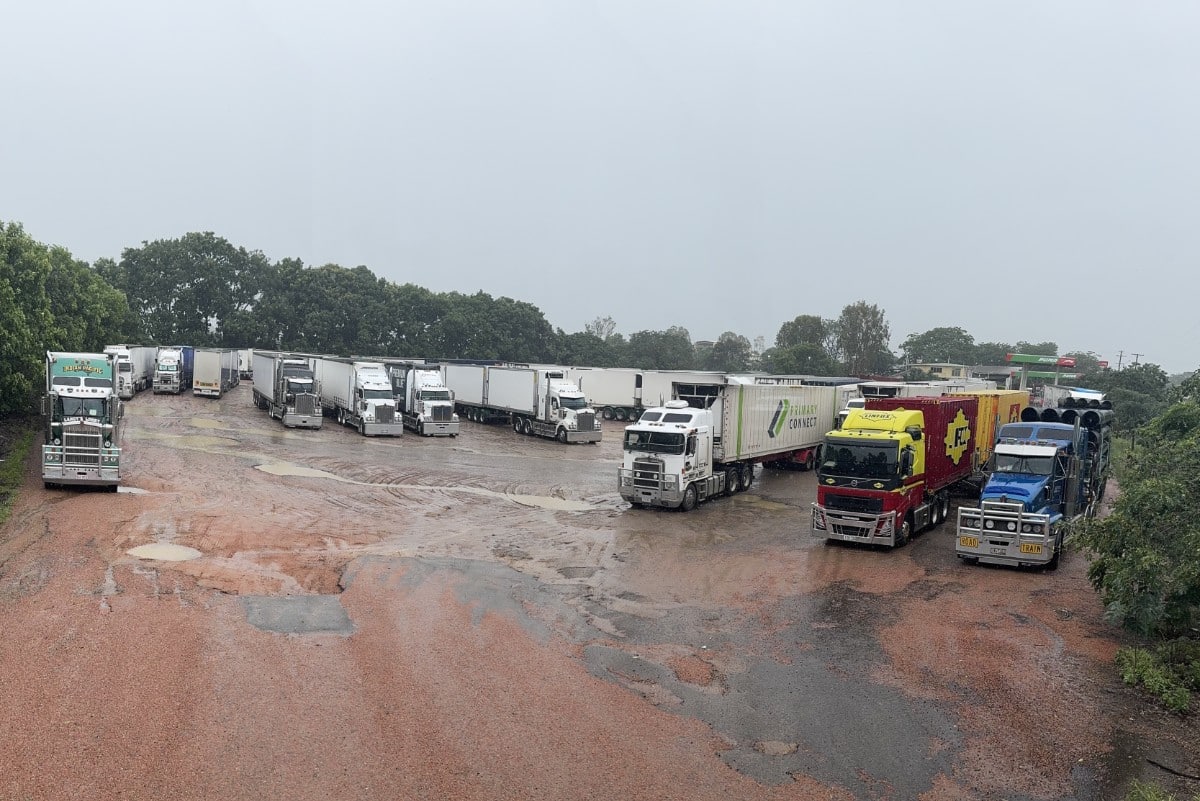
Trucks carrying supplies to the Far North and people trying to return home faced an extra 1200 kilometres’ journey, travelling by western Queensland sealed roads, to reach Cairns. And these roads are under threat of closure at any time. Many are stranded. https://qldtraffic.qld.gov.au/
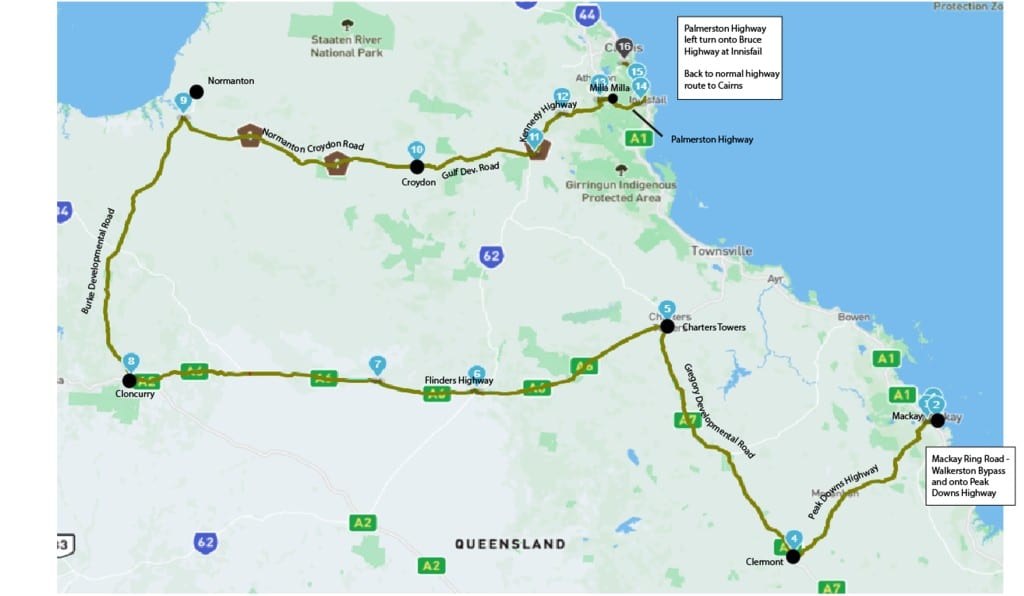
Alternative route to flooded Far North Queensland Transport and Main Roads Department, bigrigs.com.au
Stranded truckies parked up at the Puma Roadhouse in Charters (Towers) Image: Deano Hutch bigrigs.com.au

If the continuing flood rain results in damage to the railway and highway linking Townsville and Mount Isa, as happens all too often, transport and supply of essential goods may be affected for weeks.

For all sorts of reasons, including strategic concerns, the continuing and increasing vulnerability of Queensland’s transport routes is a major threat to our way of life and security.

People who live and work in the north and west of the State feel bitter that regions that produce so much of Queensland’s wealth continue to be so vulnerable to the weather. And as climate change deepens, it will only get worse.

It’s a worry.

In the southern states and Canberra, people have always regarded Queensland with a kind of affection as a weird, distant place, a place of extreme weather, crocodiles, bogans and dodgy politicians. Greater Brisbane makes up half the population of the State, and a lot of Brisbane people seem to be largely ignorant of regional areas. To them, north means Noosa, and west means Toowoomba.

So where is the will to sink vast sums into flood-proofing North Queensland for the future? Bipartisanship in politics would be a start.
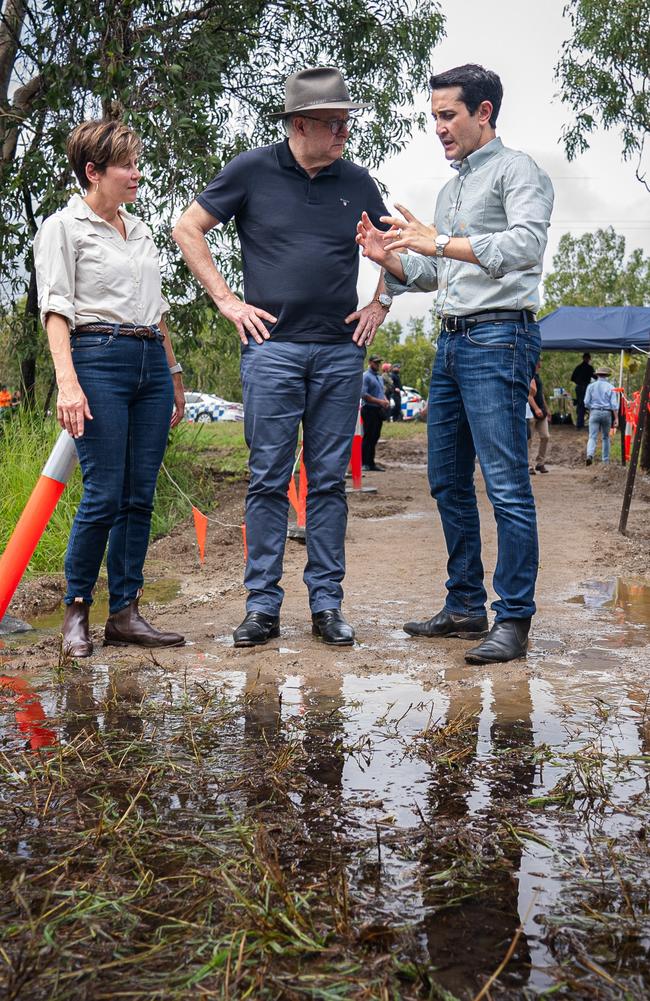
It’s a start. Federal Labor Senator Jenny MacAllister, Labor Prime Minister Anthony Albanese, and LNP Premier of Queensland David Crisafulli, taling about recovery in FNQ theaustralian.com.au

I’m tired of writing about floods.

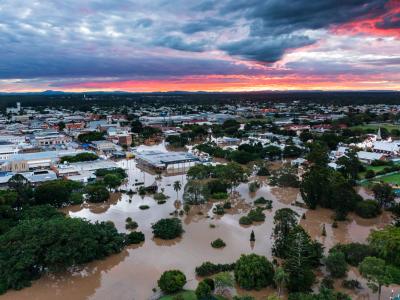
Main picture: Maryborough flooded at Sunset. 2022 Qld Reconstruction Authority

Good to Go!

This year, when it comes to travel, Queenslanders have few choices. Because of the pandemic, no overseas or interstate travel is allowed, flights within the state are few and expensive, and most long-distance train services are on hold.

So, if we want to travel, we’ll need to hit the road, and we’re being urged to do just that, now that COVID-19 seems to be under control here: to take a road trip, explore Queensland, and support regional tourism. Let’s do it.

This a big state, with huge distances to travel. We can’t do it all in a weekend; but the school holidays are coming up soon. Let’s go – and let’s take the kids!

Queensland has many fascinating, beautiful and well-known places to visit. Here are some of my favourites, and they are places that kids will enjoy.

Chillagoe

CC8FAB05-F289-48F6-80BC-CC90AF27530A

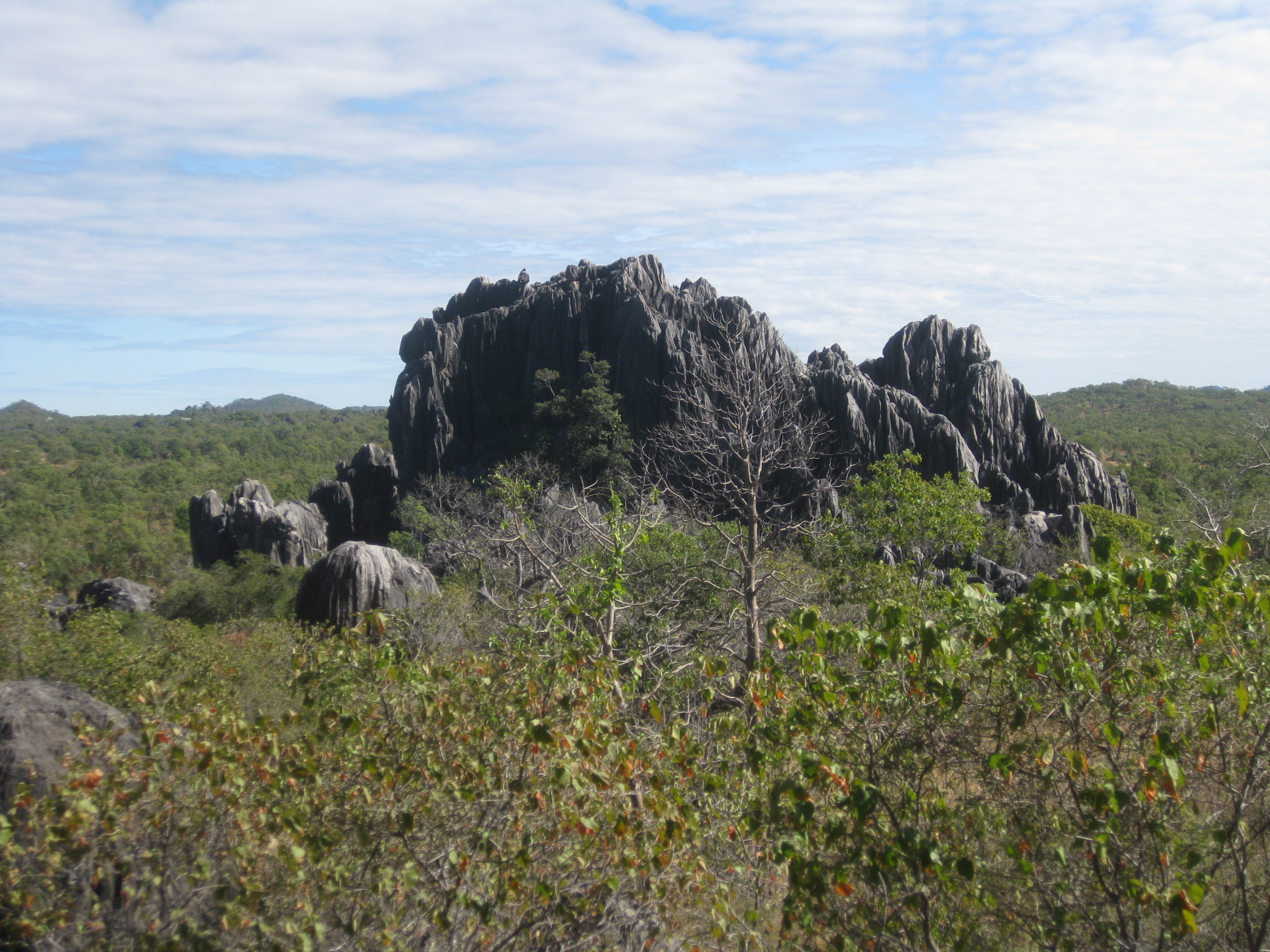
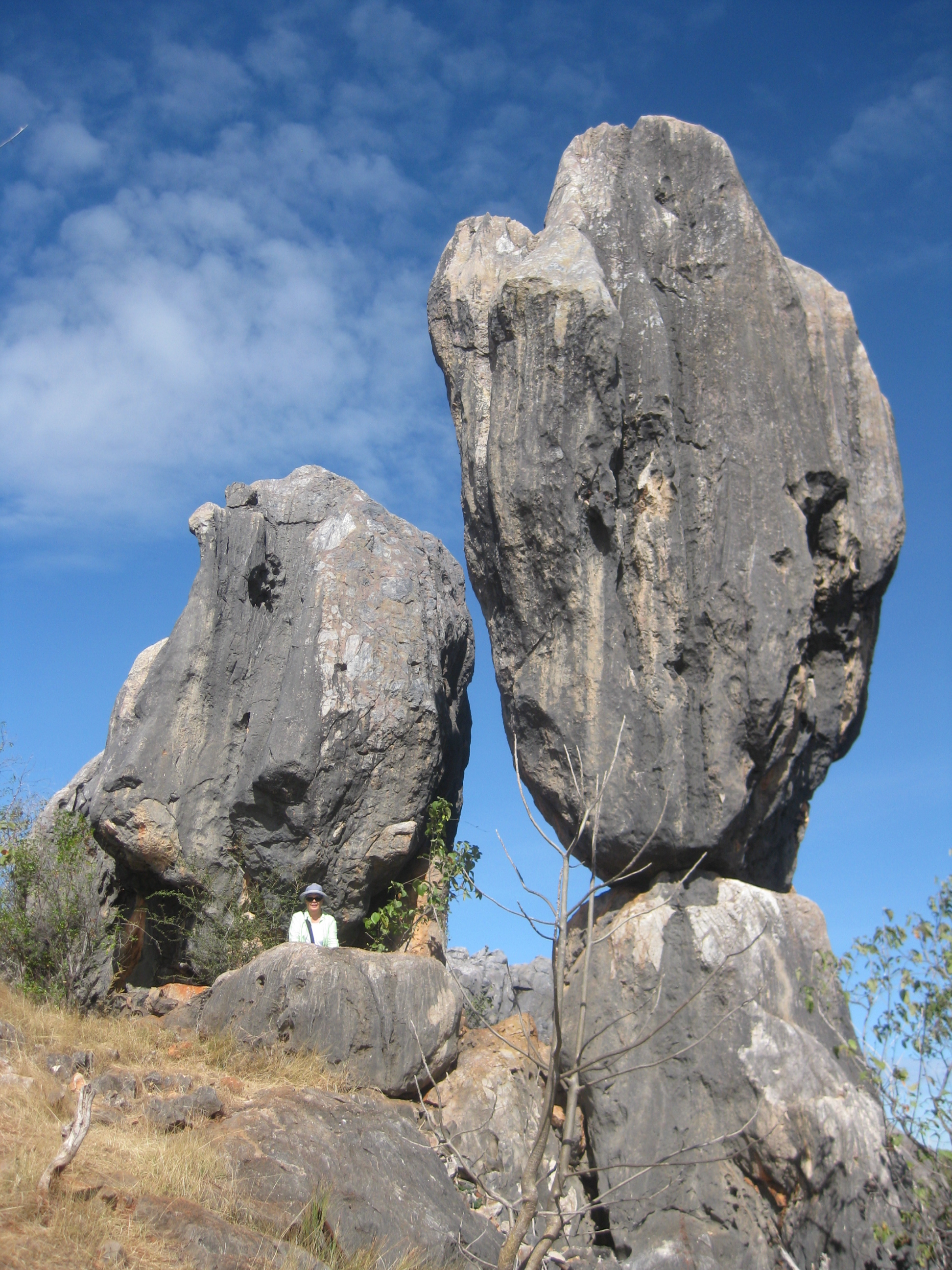
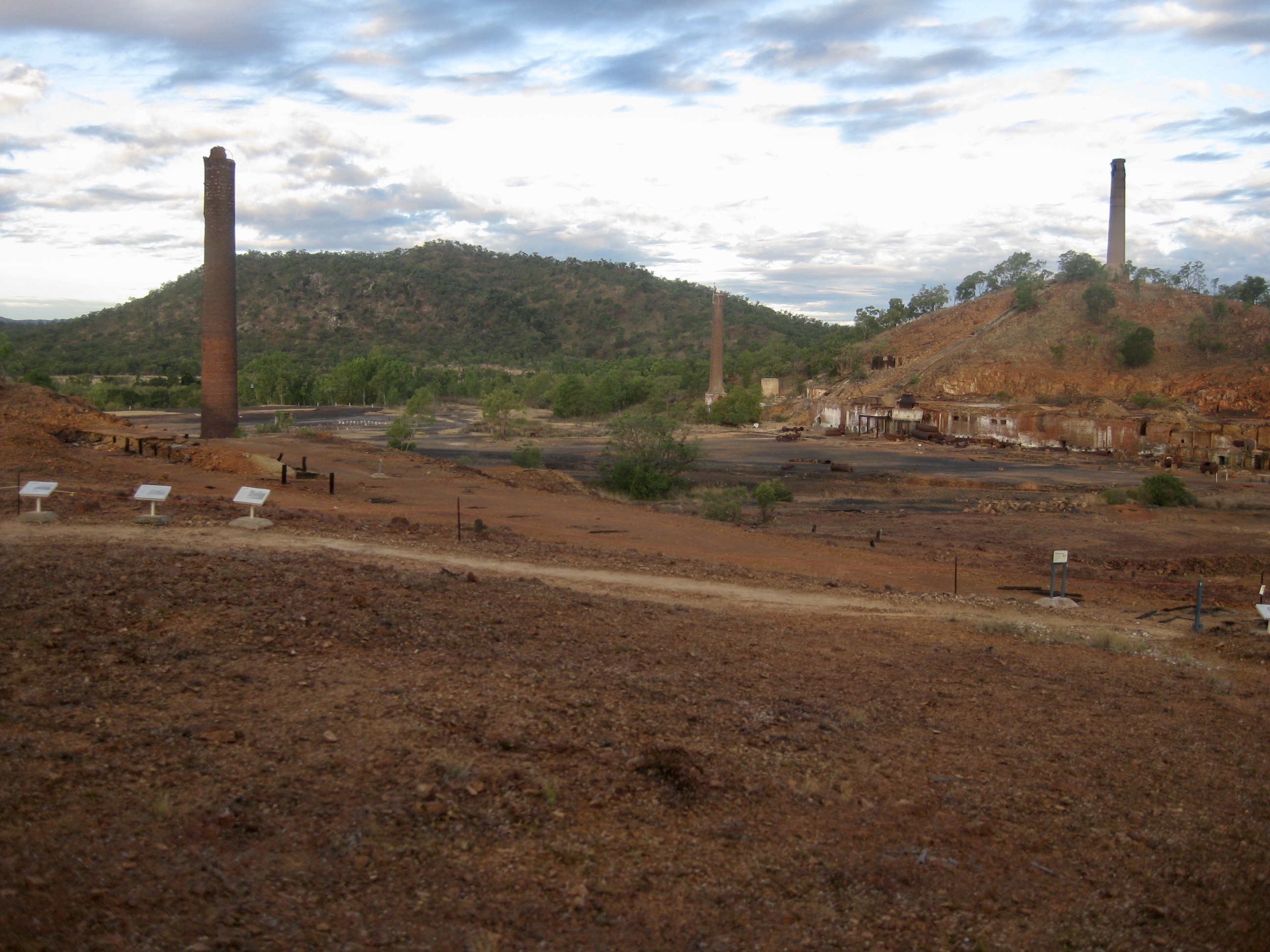
Chillagoe is an old mining town on the Burke Development Road, in dry, rugged country 205 kilometres west of Cairns. With a population of about 250, it’s an interesting place with a wild west feel to it, with caves, strange and rare karst rock formations, heritage-listed ruins of a copper smelter, and the extraordinary Tom Prior Ford Museum.

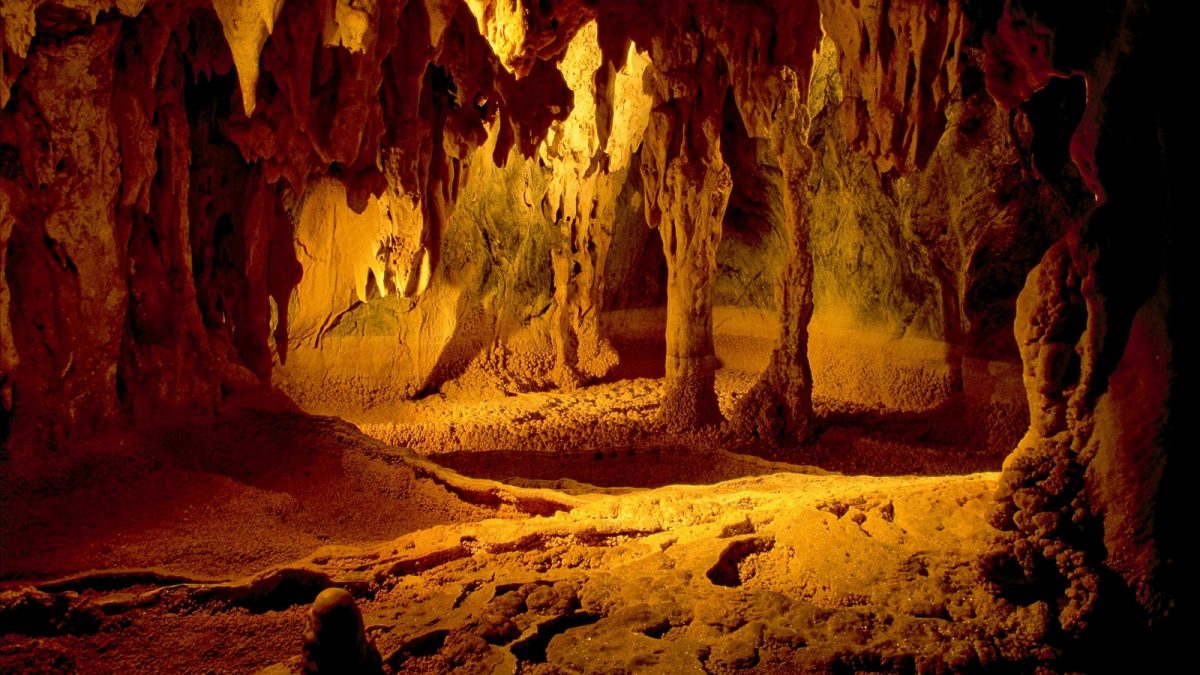
In the Chillagoe-Mungara Caves National Park, take a tour led by a competent National Parks guide through the spectacular Chillagoe limestone caves.

road trip Chillagoe-Caves athertntbles.com
Chillagoe limestone caves athertontablelands.com.au

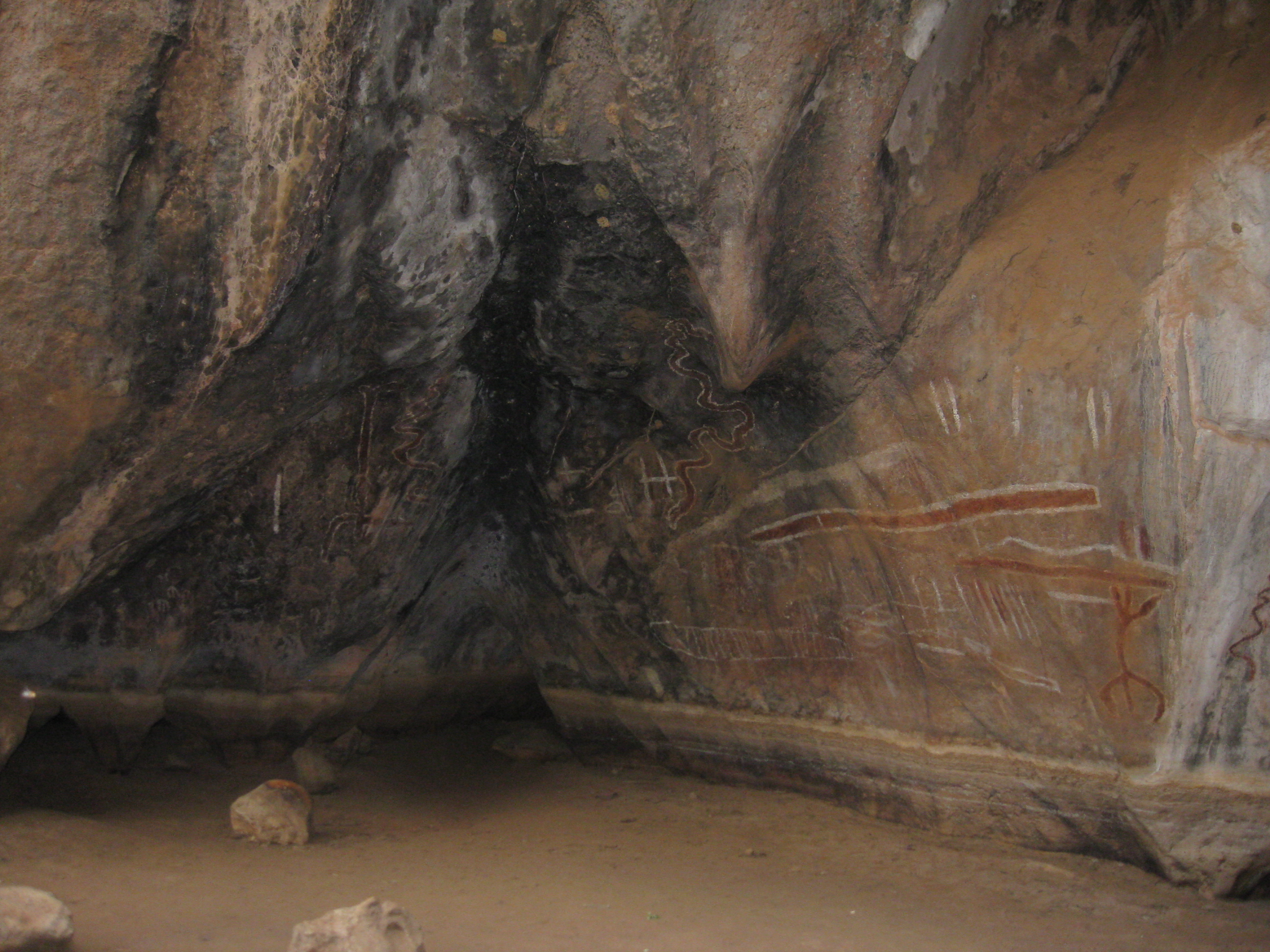
17 kilometres out of town to the west are the Mungara caves, where you can rove through a labyrinth of caves and gorges, past amazing rock formations and Aboriginal art sites.

135AAFB3-621A-431E-B1C2-BA6FDE2BC983
Rock paintings at Mungara Caves

They say that the designers of the film “Avatar” based their flying rock islands on the cliffs of Mungara.

3339F72E-8FD8-4BE1-B397-5FF70313A688

Also in the national park, the atmospheric old smelter ruins look spectacular in evening light amongst the red hills.

AB46DFBE-0662-4F52-A8E9-6A5C716EF140_1_201_a
Copper smelter ruins

In the town creek there is a beautiful swimming hole. In summer, so hot here in the tropical inland, it must be irresistible.

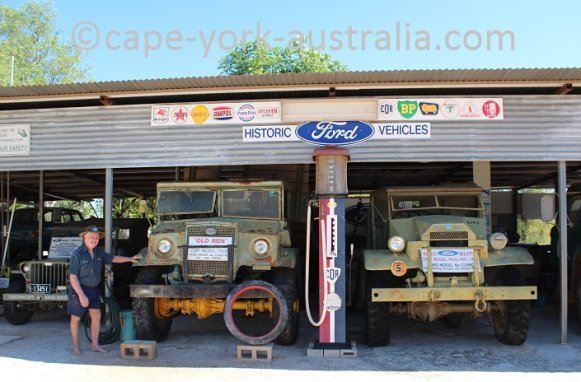
On the edge of town, visit Tom Prior’s amazing and eccentric collection of old Fords, in his original mechanic’s shed, open to the public by contribution. I like this kind of museum – years of work by an expert and passionate collector, displayed in its authentic setting.

road trip ford
Tom Prior’s Ford Museum

Carisbrooke Station

  • 85526EBB-6C97-4466-978F-96F9D7D351A4

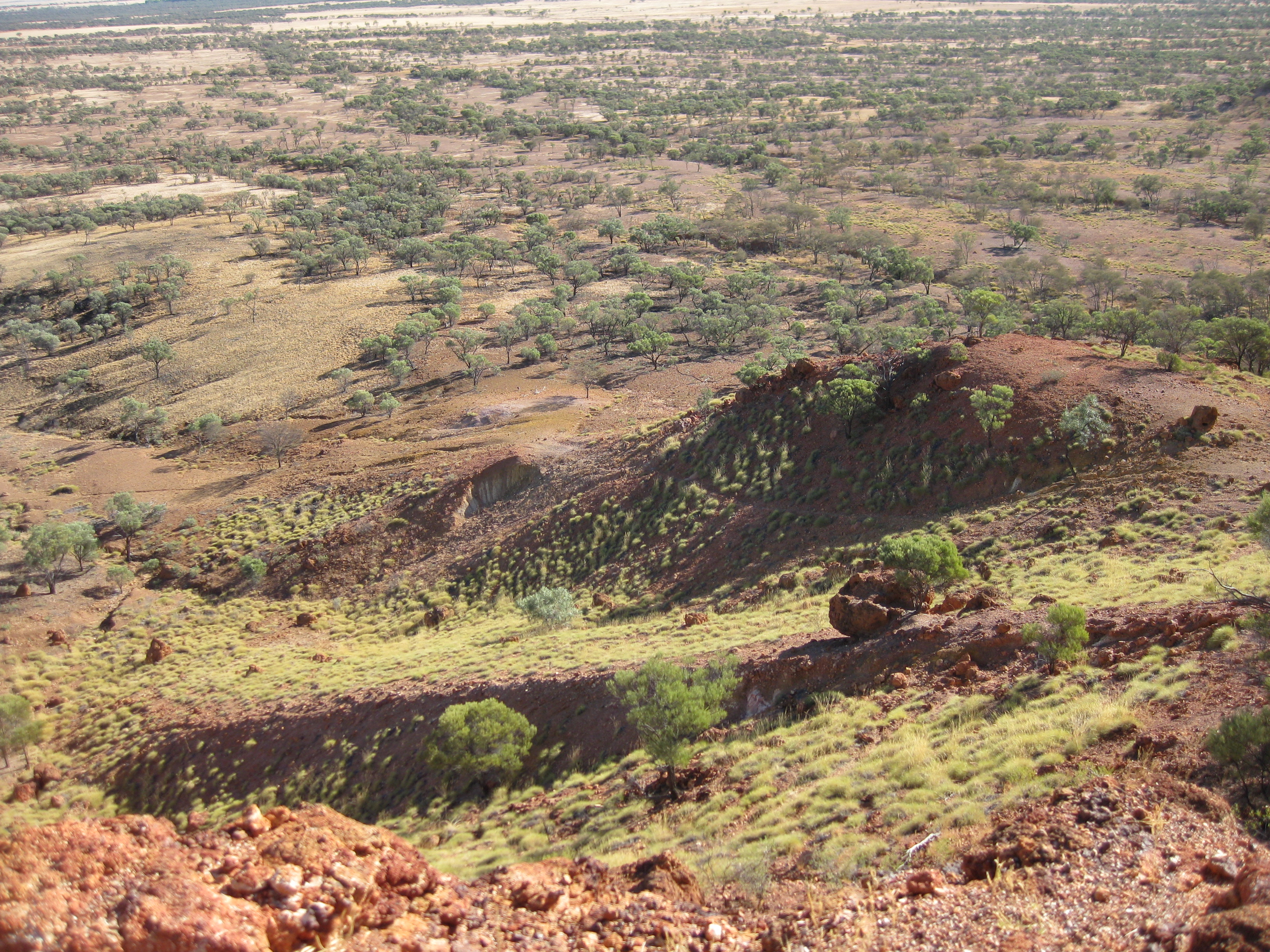
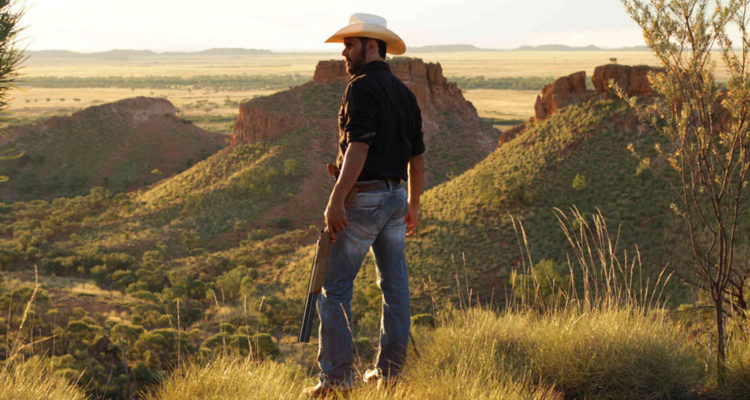
The Winton area, in Western Queensland, beyond the black soil plains and in the land of spinifex and red bluffs (jump-ups, in local terms), looks wonderful on film. Think of Aaron Pedersen, the lean, gruff detective of 2013 movie “Mystery Road”, poised on the red rock bluffs of Carisbrooke Station, ready for a shoot-out with the villains.

road trip mystery road
Aaron Pedersen in “Mystery Road” filmink.com.au

Winton, 1358 kilometres from Brisbane, now has its own film festival: the “Vision Splendid Outback Film Festival”. Also the “Way out West” Music Festival, Outback Writers Festival, the Australian Age of Dinosaurs centre (a must), Waltzing Matilda Centre – and Camel Racing. But the real beauty lies out of town.

Several years ago we took a three-generations family road trip from Brisbane, ending up with a farm stay on Carisbrooke Station. In the late afternoon, tired and hungry, we turned off the Kennedy Development Road forty kilometres west of Winton and drove down a deserted gravel road, trusting that we would eventually find our home for the night. The kids yelled out in excitement when a mob of kangaroos bounded across the road in front of us. Until now, all they’d seen was roadkill.

When we finally pulled in front of our accommodation, we knew that the trip had been worth it. The whole huge bowl of the sky was filled with the reds and pinks of sunset.

159EFD45-510D-423A-8648-521C1D6F51E4
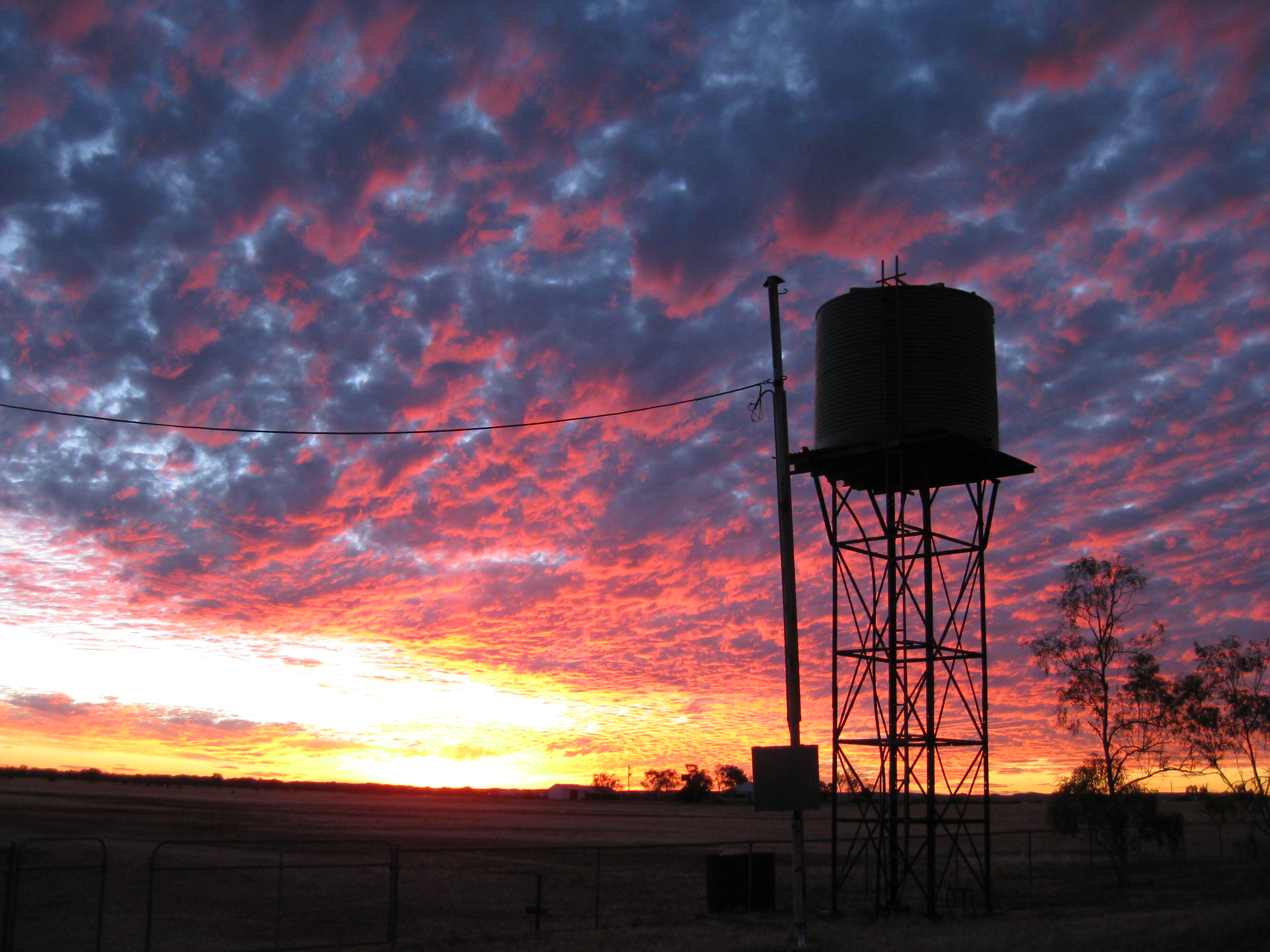
Carisbrooke Station sunset

The corrugated iron workers’ quarters we’d booked had four simple bedrooms, a kitchen/living room, and a barbecue out the front so we could keep looking at that wonderful sky while dinner cooked, until the sunset faded and a million starts appeared in the clear, dry air.

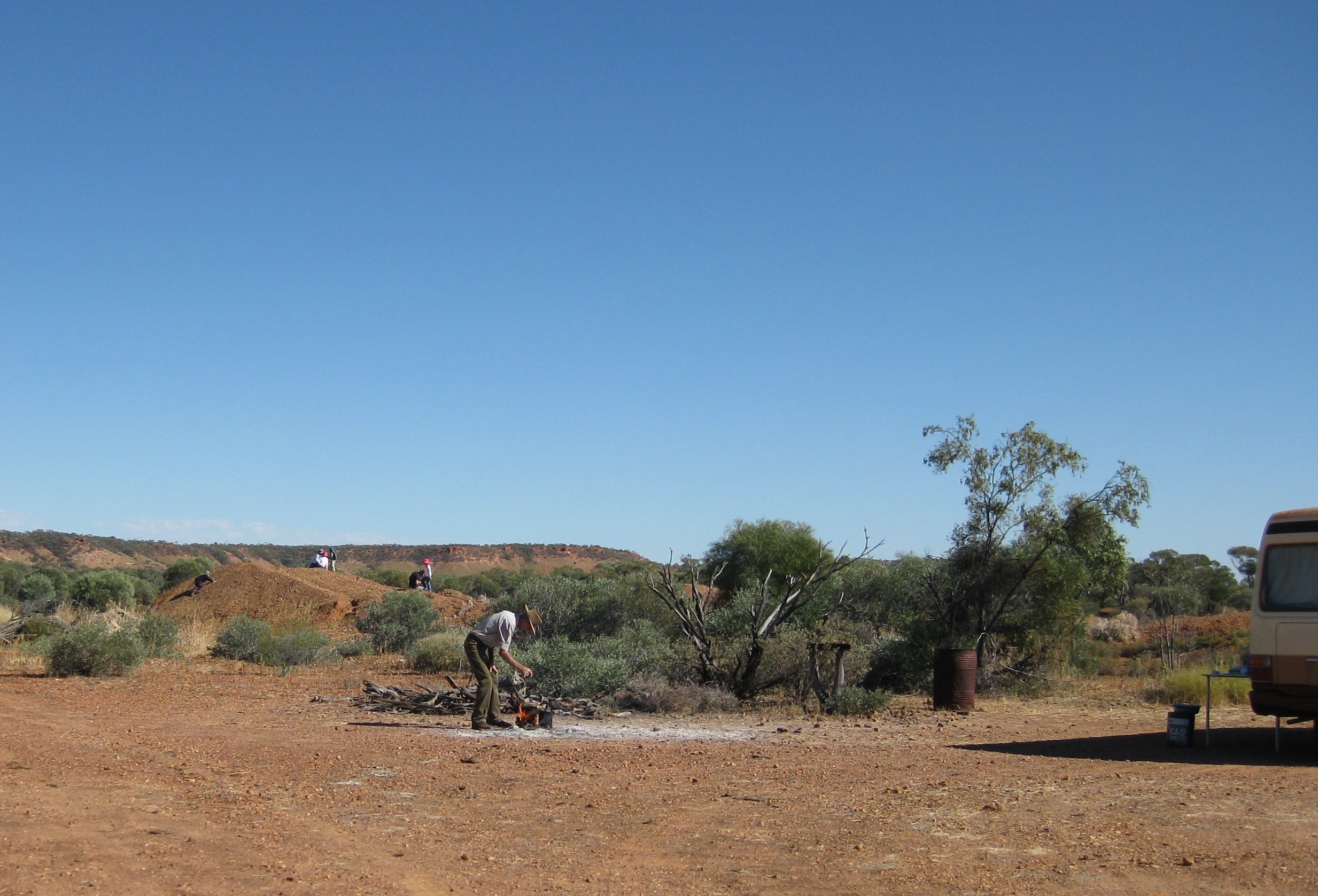
Farmer and guide Charlie took us up on to the jump-up next day, to explore, boil the billy and look out over that magnificent countryside.

C60843BA-E55B-40F8-8243-C1C2AE042324
Charlie boiling the billy

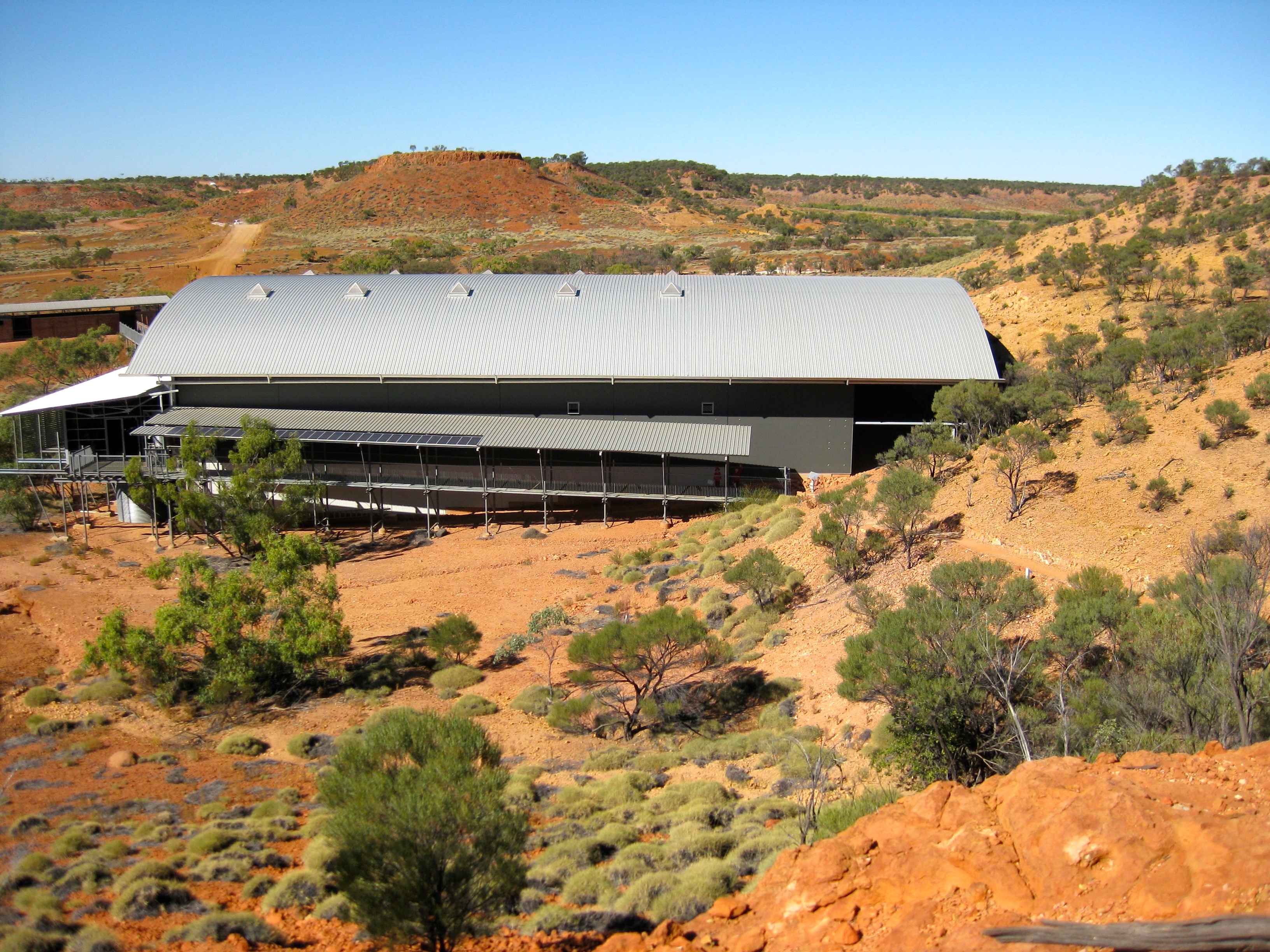
We drove up to join the red gravel Winton-Jundah Road and visit Lark Quarry Conservation Park, site of the famous dinosaur stampede – inspiration for the stampede of large and small dinosaurs in “Jurassic Park”.

49641750-90E0-415C-8C27-41B2591F2397_1_201_a
Site of the Lark Quarry Dinosaur Stampede

On the road back to Winton, we met one of the mining road trains that we’d been warned used this road. It was trailing a huge cloud of dust. People have died in head-to-head collisions in these dust clouds.

Pulling off the road, we waited while the trucks thundered past and red dust blocked the sun, settling on the cars and into every crack and crevice.

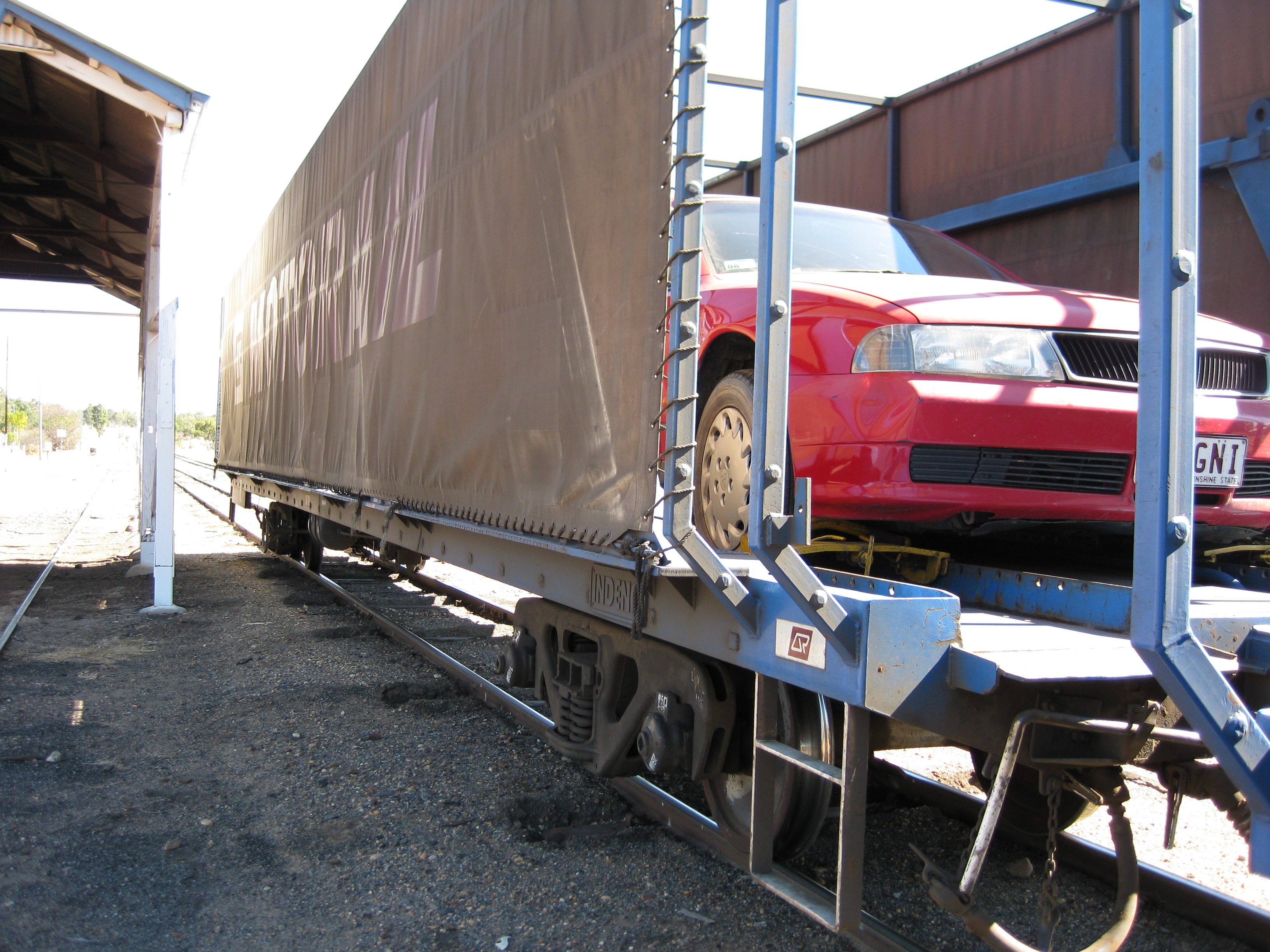
Next day, back in Longreach, the cars were loaded on the Spirit of the Outback and we started the twenty-four-hour train journey back to Brisbane.

01DE6CCA-F34E-4D9B-A871-DEAF6355CC8F
Cars loaded on the train at Longreach

It’s a loss for the tourist industry in Longreach and Cairns and elsewhere that travellers can no longer drive one way and load their cars on to the train for the return journey. For working families and school kids, time is limited. To spend three more days driving back to Brisbane would have made our family trip impossible.

Charleville

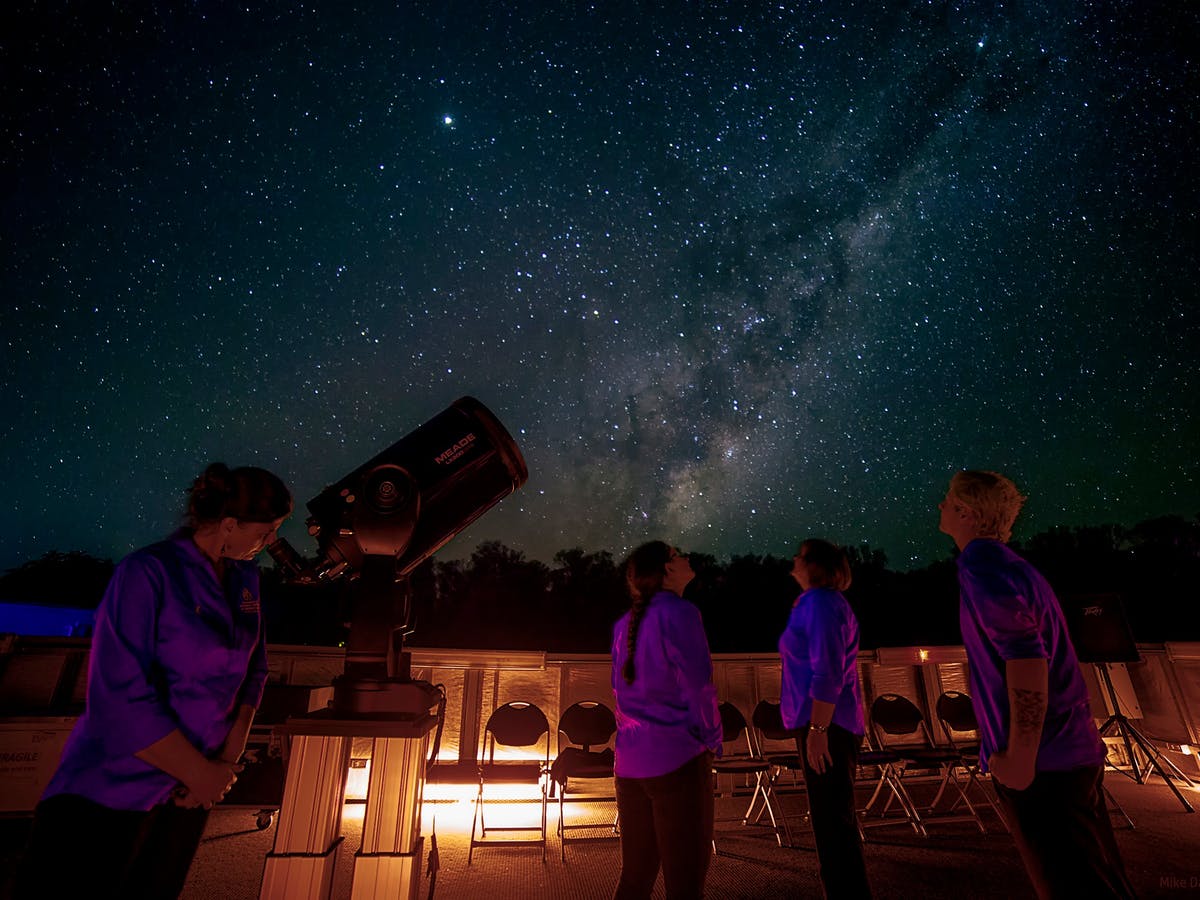
Years ago, so I’m told, when the Commonwealth government was granting money to outback towns to develop tourist attractions, Charleville, 745 kilometres west of Brisbane, was offered money for a Cobb and Co. Museum. The locals thought it over, and had a better idea. At the local high school were teachers keen on astronomy, and there were other enthusiasts in the district. The climate in Western Queensland is perfect for star-gazing – open skies and dry, clear air. Why not start an observatory instead? So the Cosmos Centre was established at Charleville, and Toowoomba got the Cobb and Co. Museum.

road trip cosmos centre 2
Big Sky Observatory at the Cosmos Centre, Charleville queensland.com

On a cold winter night we went to the Cosmos Centre for a session at their Big Sky Observatory. We sat with blankets over our knees, among families and children, taking turns to look through telescopes operated by remote control to focus on particular galaxies and planets, while the well-informed staff told us what we were looking at. Above us the Milky Way sprawled across the sky.

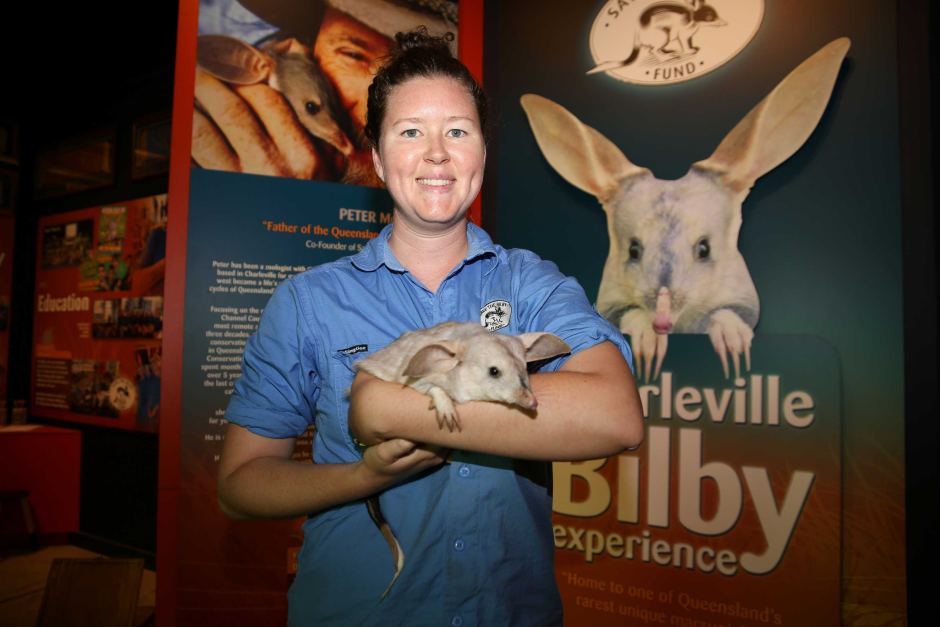
Next day, we visited another Charleville highlight, the Bilby Experience: a not-for-profit centre dedicated to the preservation of those cute local creatures, with a chance to get up close to them, support their protection and buy a bilby t-shirt.

road trip bilby
Charleville Bilby Experience abc.net.au

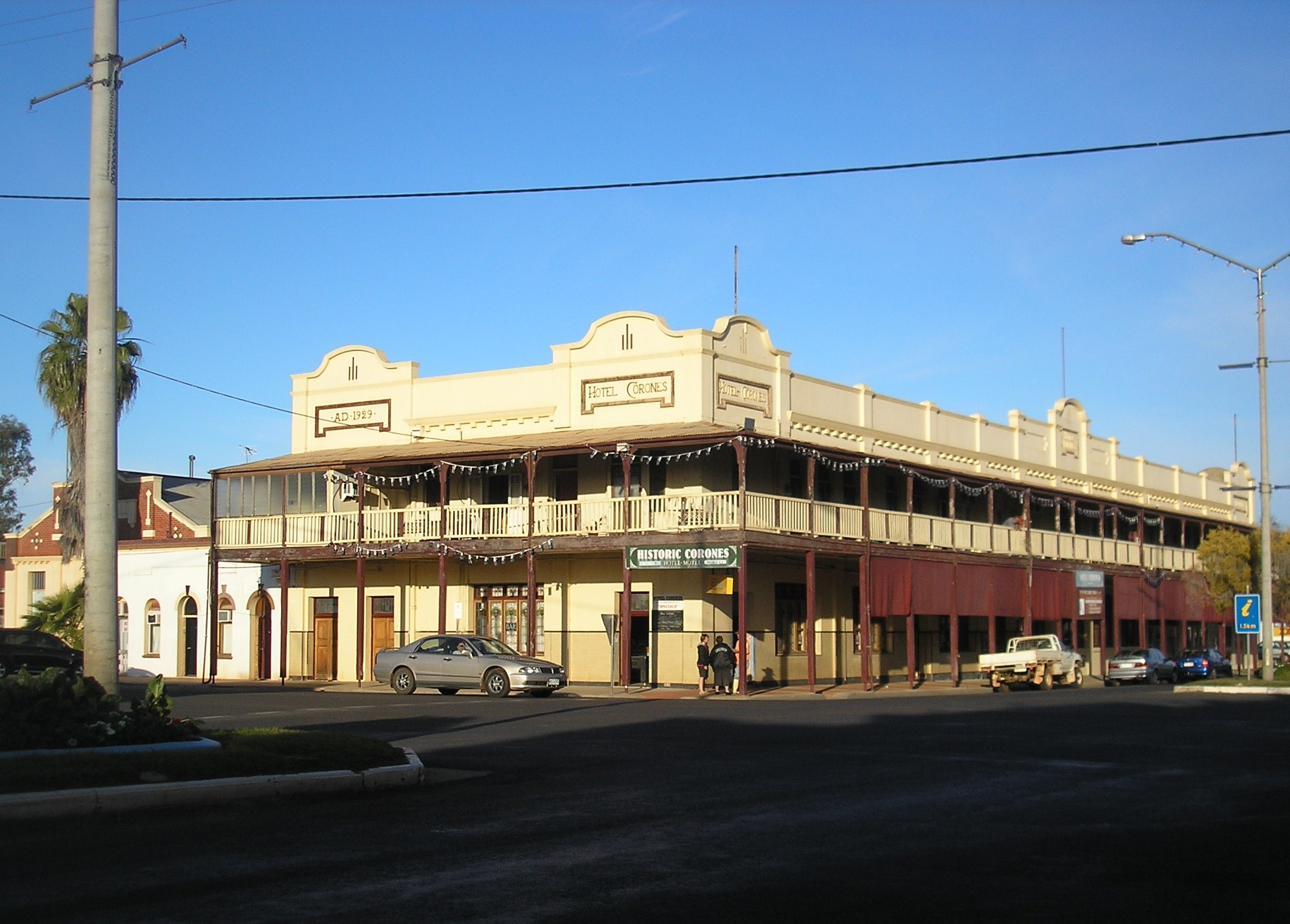
In Charleville we stayed at the famous and spectacular 1920s Corones Hotel. For children, having the run of a big, old country pub is great experience.

OLYMPUS DIGITAL CAMERA
Corones Hotel, Charleville

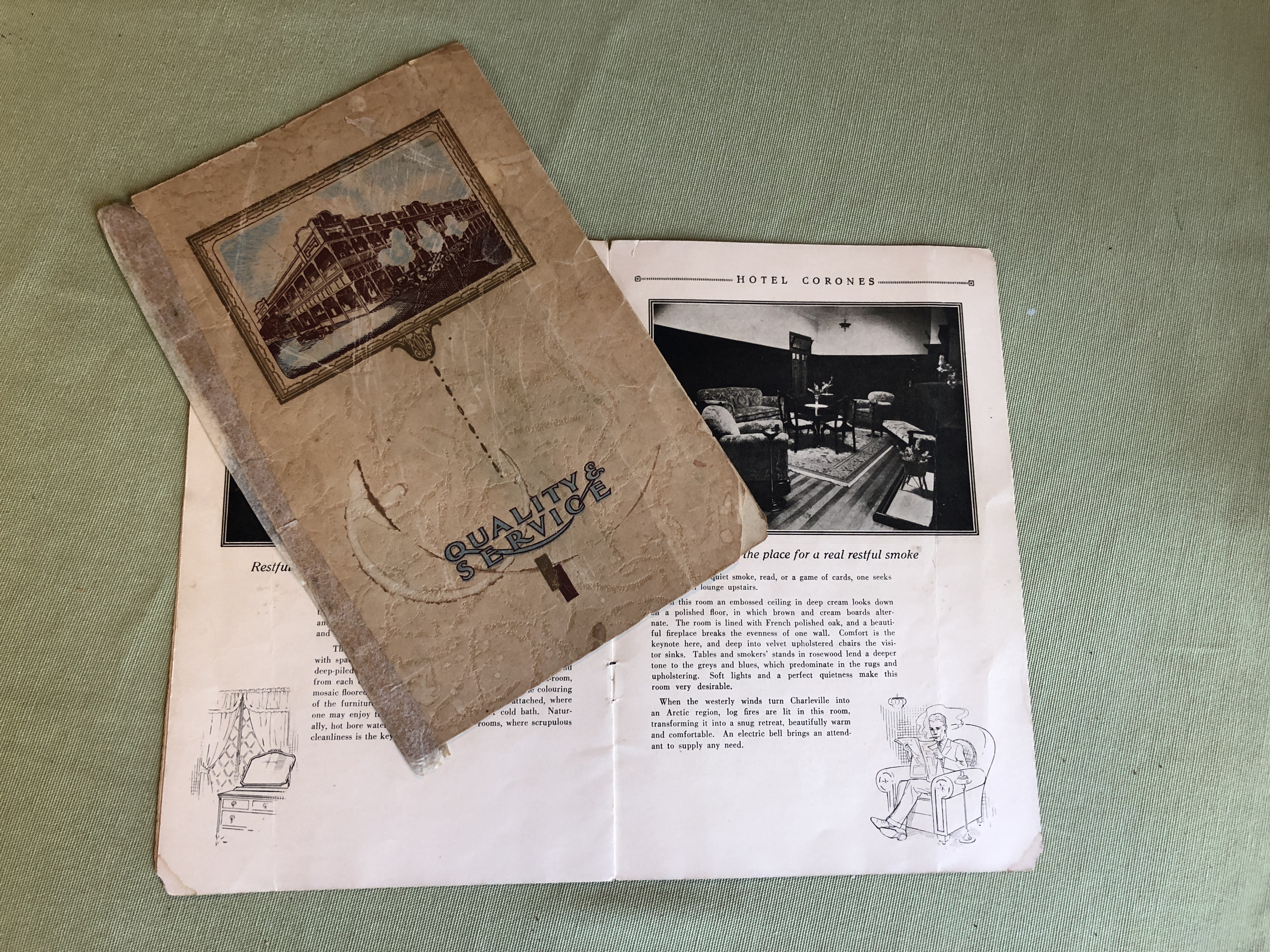
Con and I slept in a room with a private terrace, original furniture and tiled bathroom, once occupied by visiting celebrities such as solo aviator Amy Johnson, and singer Gracie Fields, brought in to entertain the American troops stationed here during the war. Harry Corones, the Greek immigrant who built the hotel, was an ardent supporter and original shareholder in QANTAS, which began here in central-western Queensland.

58B714E9-3739-4D3D-8B0C-4EE0684DC034_1_201_a
Original Souvenir Booklet for Corones Hotel guests

With its 60 metres long central corridor, its original bar room and ballroom, stained glass and brass and timber fittings, this once-luxurious hotel, the wonder of the west, has seen hard times, but new owners are bringing it back to life.

OLYMPUS DIGITAL CAMERA
Fine details in Corones Hotel

We took a guided tour of the old hotel – startled to find that our (untidy) room would be part of the tour.

These fine old country towns have suffered from changing conditions, the downturn in the wool industry, loss of banks and shops and young people; but they are full of staunch locals and interesting sights. When the premier says, “Queensland, you’re good to go!!” it’s places like these she is urging us to visit.

And when we get home to the coastal towns and cities where most of us live, and we begin to wash the dust off the car, we’ll pause, and feel a sense of pride that we’ve been out there, far from home, supporting our fellow Queenslanders, and having fine adventures along the way. And the kids will never forget it.

If they need reminding, they just need to go to the movies.


B365F2C2-7EB1-4853-B622-F428CE12EB89_1_201_a
On the road


Blog at WordPress.com.

Up ↑