Choosing Our Olympics Mascots

An alarm went off, late at night, and I heard terrible screaming.  Leaving the light off, I went out on to the verandah to take a look. Walking across the street were the sources of the screaming – two bush stone-curlews. They had been stirred up by the sound of the alarm.

Bush stone-curlews are everywhere in Brisbane and up and down the Queensland coast. They are spooky birds, with huge yellow eyes and that piercing night-time shriek. https://www.youtube.com/watch?v=MnK6B0T5yDw

They protect themselves during the day by staying perfectly still, camouflaged by their streaky grey feathers, under trees and bushes or even out in the open. Artists like them.
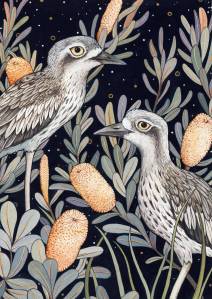
Stone-curlew greeting card by Brisbane Artist Ingrid Bartkowiak, from her Australian Birds Collection

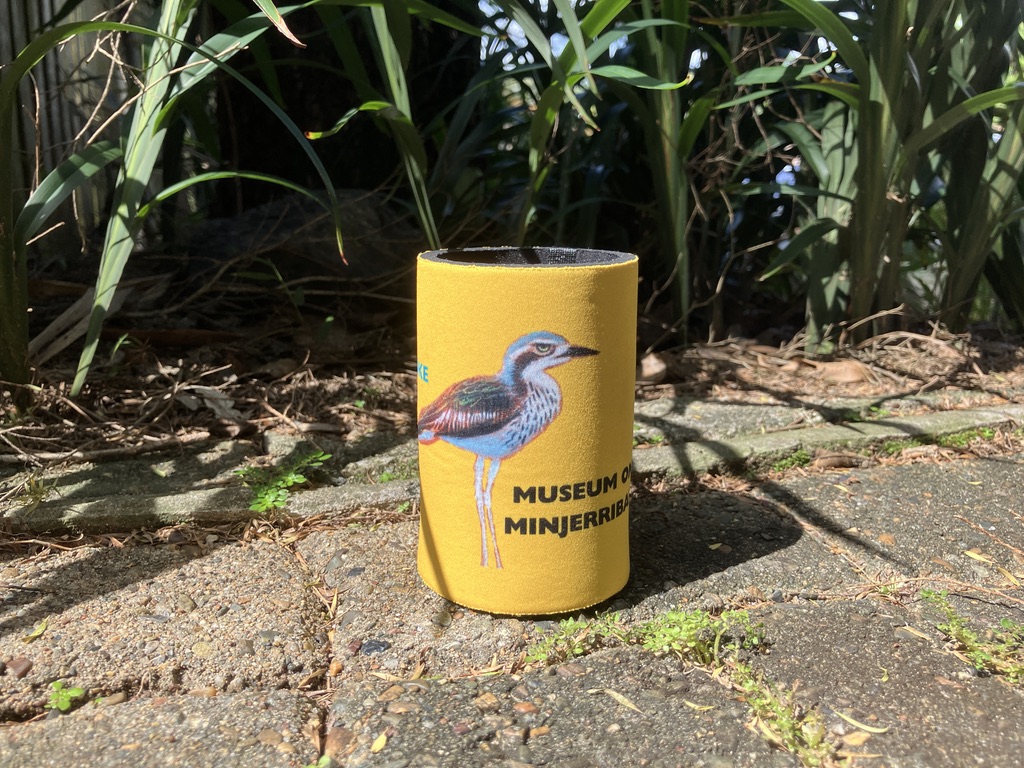
Coochiemudlo Island in Moreton Bay is a favourite haunt of stone-curlews, and if you have a  meal on the terrace of the Point Lookout Hotel on Stradbroke Island Minjerribah, or at the local bowls club, you’ll see them wandering among the tables.
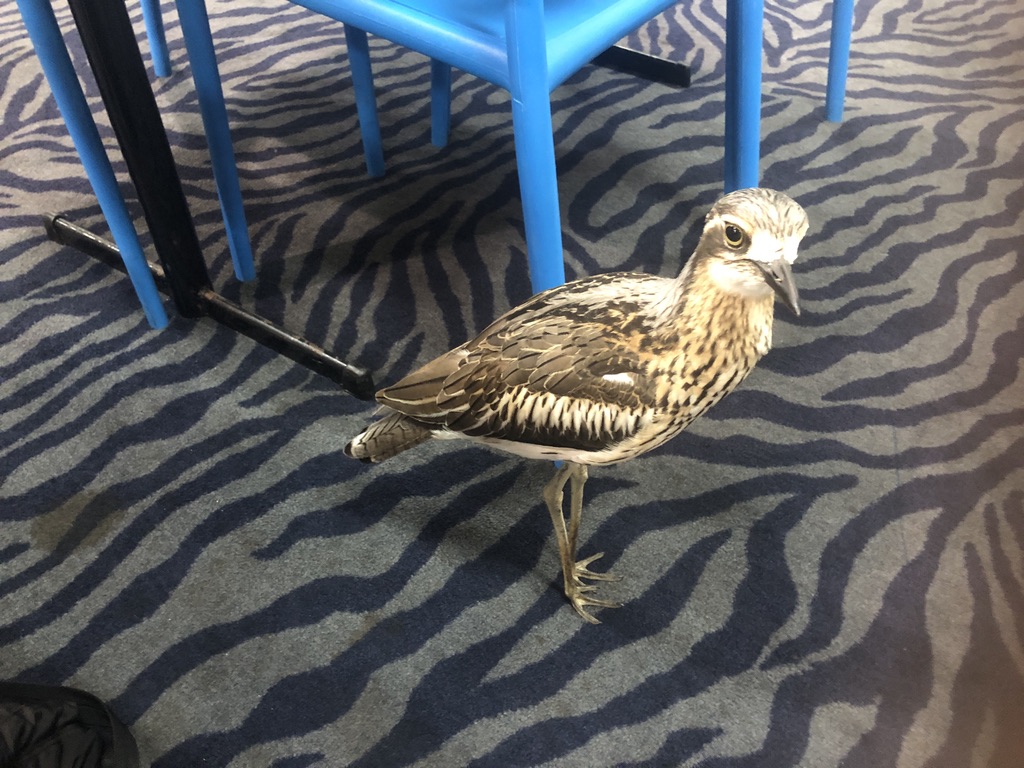
Stone-curlew at the Bowls Club
Souvenir of Straddy

Stone-curlews haunt the leafy campus of the University of Queensland, which celebrates them with signage and curlew shaped bike racks.
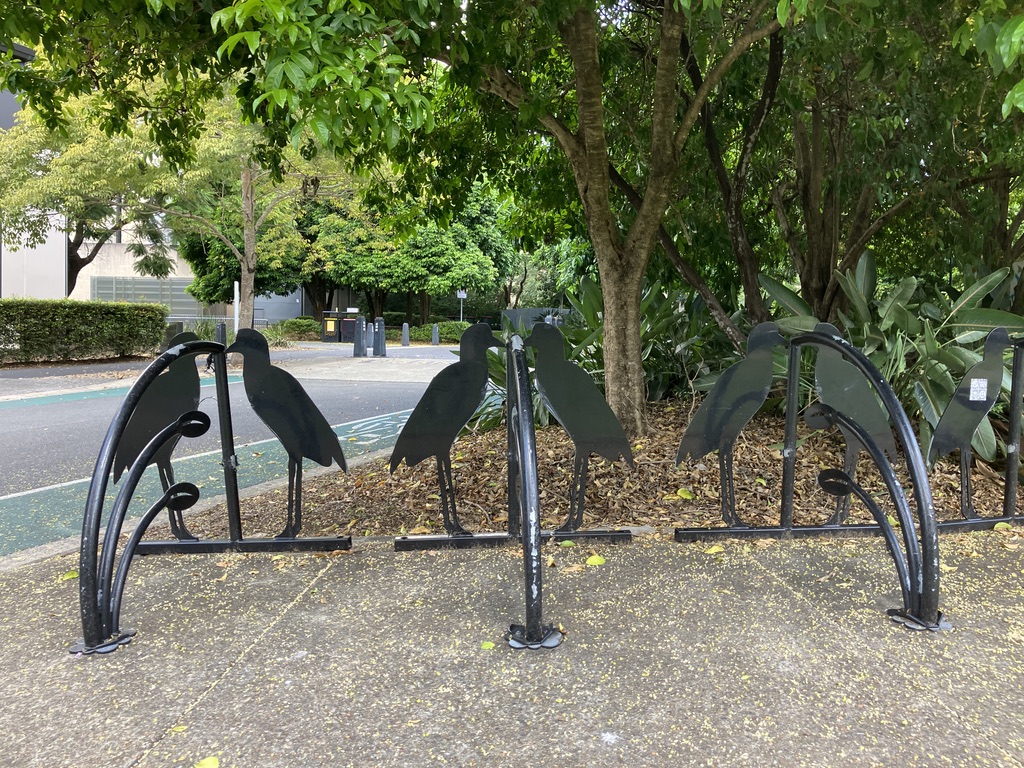
Stone-curlew bike racks at UQ

The birds live in parks and bushland reserves and often lay their eggs in the open, in patches of scrappy landscaping, in the midst of commuters and office workers; screaming and shaking their wings at anyone who comes too close. I love them.
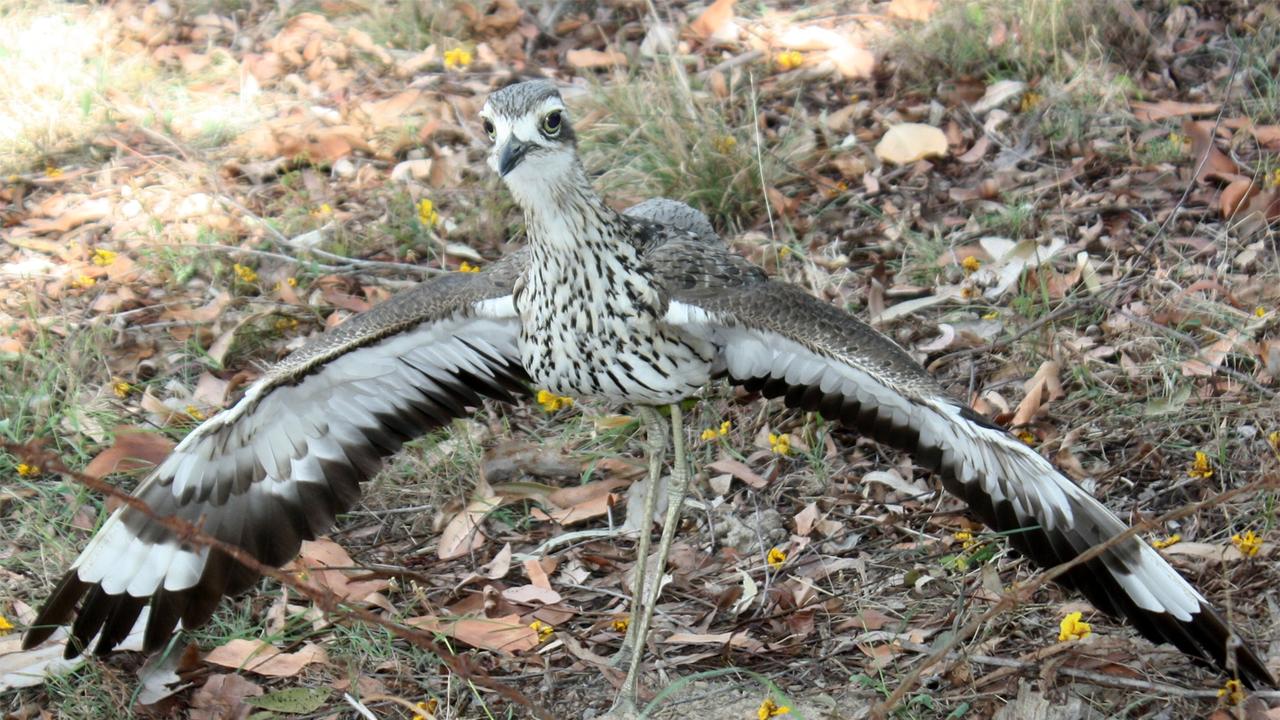
Bush stone-curlew warning intruders away Pic: townsvillebulletin.com.au

People from the southern states, when they think of Queensland, think of crocodiles and stingers, cyclones and floods and strange politicians. A beautiful, wild place, unpredictable, and just a bit scary.

In our choice of how to present ourselves to the world at the Brisbane Olympics, through mascots, promotions and merchandise, we should lean into these perceptions of what we are: beautiful, but a little bit scary.

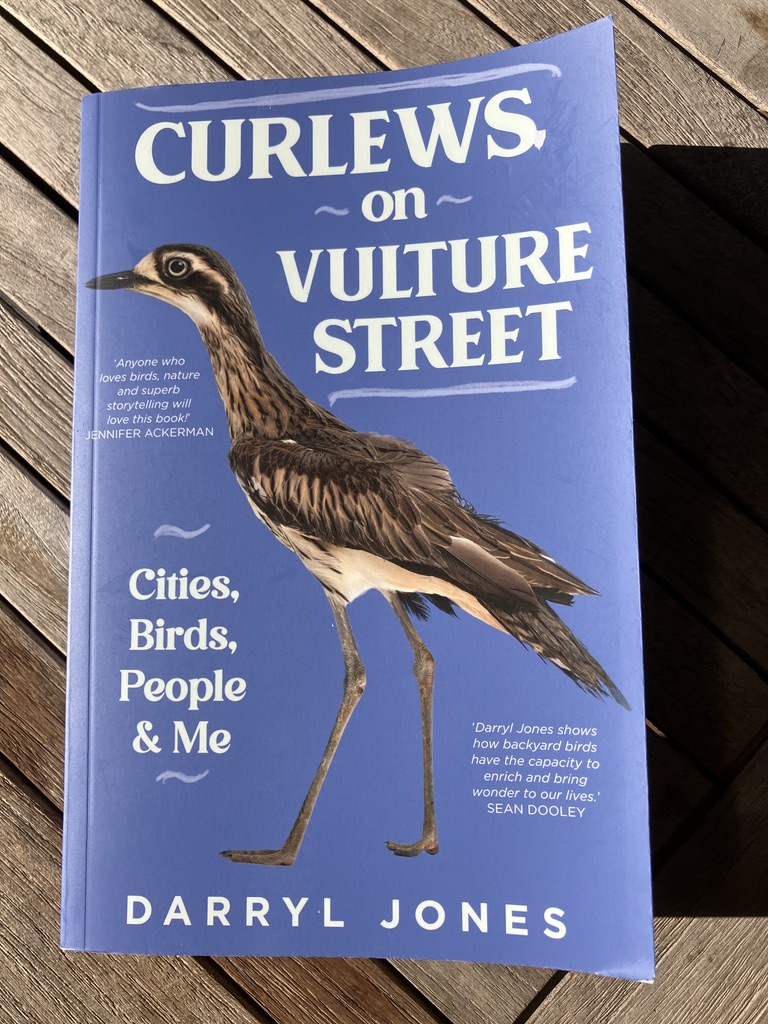
Bush stone-curlews would make a perfect mascot. Find out more about them, as well as other potential bird mascots like magpies, crows, bush turkeys and rainbow lorikeets, in Darryl Jones’s engaging book “Curlews on Vulture Street”.
Sydney’s 2000 Olympics had the platypus, echidna and kookaburra for its mascots.
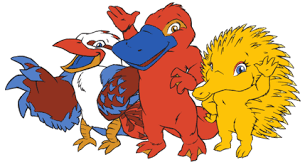
Sydney Olympics mascots, Syd, Ollie and Millie. Also Lizzie, the frill-necked lizard, for the Paralympics Pic: en.wikipedia.org

The 2018 Commonwealth Games at the Gold Coast had a surfing koala.

Borobi, the Surfing Koala Pic: en.wikipedia.org

In 1982, the Brisbane Commonwealth Games had the red kangaroo as mascot.
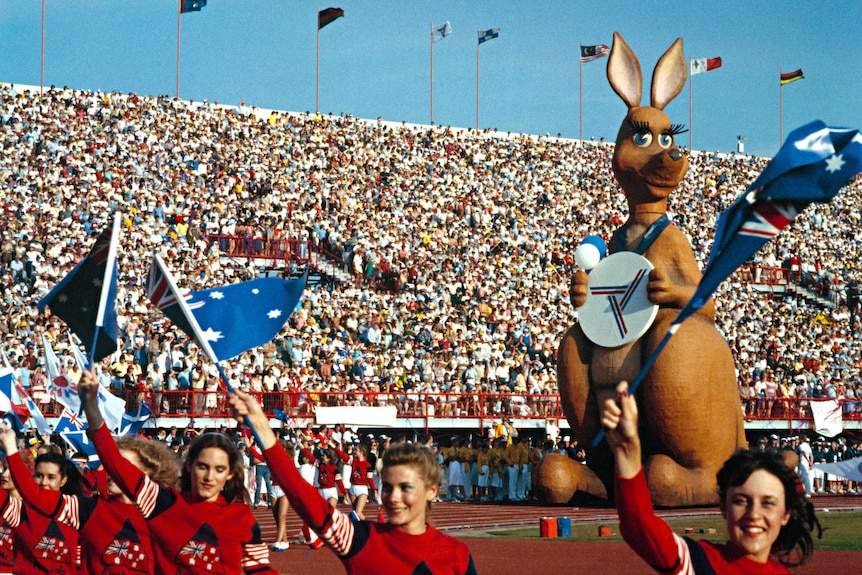
Matilda the Red Kangaroo at the 1982 Brisbane Commonwealth Games Pic: National Archives of Australia

For our Olympics we should avoid the obvious creatures and go for something wilder, living up to our reputation.

After all, one thing we Queenslanders, and Australians, love to do is scare foreigners with stories of our dangerous wildlife.

Please, let’s not choose the Australian white ibis for a mascot, the “bin chicken”. I can see the appeal –  the bin chicken is a kind of anti-hero, likeable for its persistence and boldness around Brisbane outdoor cafes. There is even a Bin Chicken Trail to celebrate them. https://www.sethius.art/binny
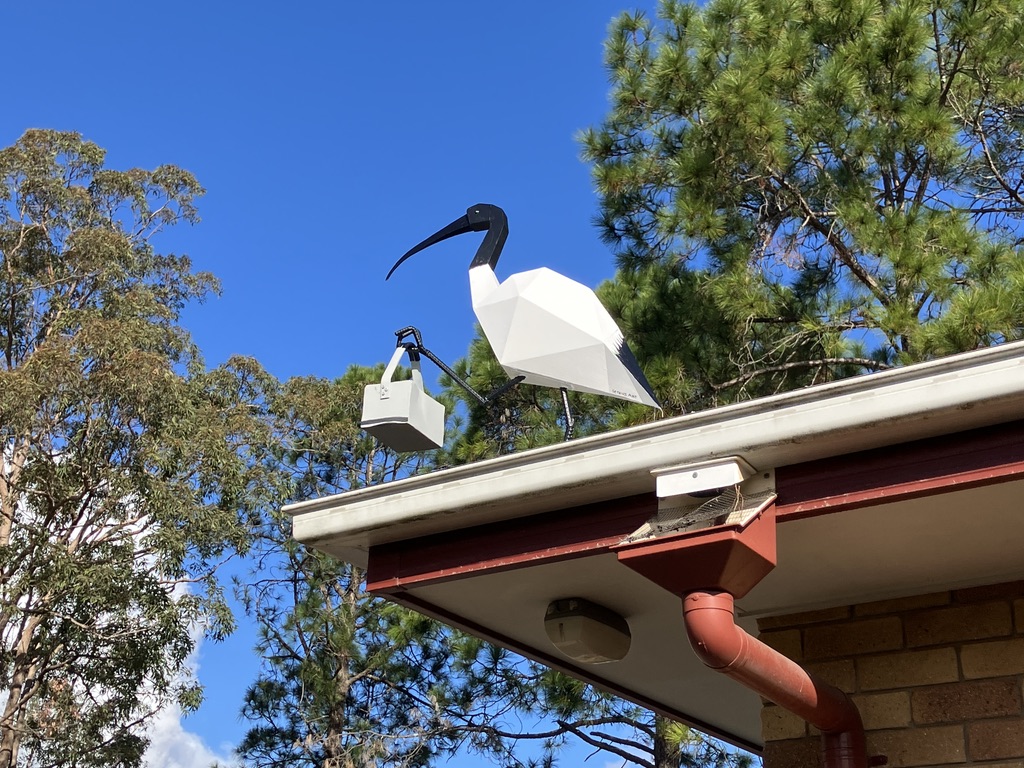
One of Sethius Art’s “bin chickens”, on the roof of Meals on Wheels, Mt Gravatt

There are plenty of other interesting and worthy candidates to choose as mascots, though, and not only birds.

The Brisbane River curves like a snake, and our reptile emblem could be the beautiful and and useful carpet python, the creature that slithers through suburban houses and gardens keeping us free from rats, crawling along verandahs or coiling itself up  behind stag horn ferns.
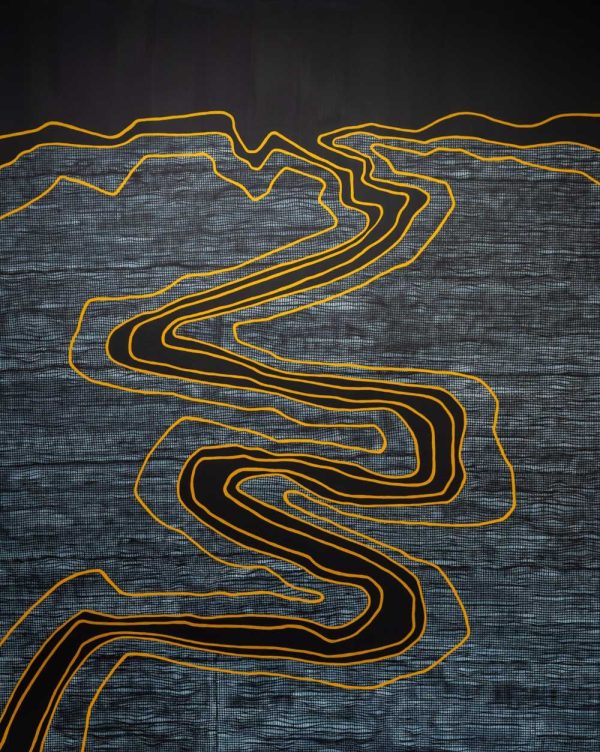
“Maiwar, Brisbane River”, by Charmaine Davis

To the Gubbi Gubbi people of the area north of Brisbane, Caboolture is the place of the carpet python: Kabul, the Rainbow Serpent. Schools and sporting teams proudly feature snakes on their logos and uniforms. That gives the carpet python a special significance.

It would look good on Olympics souvenir t-shirts, too.
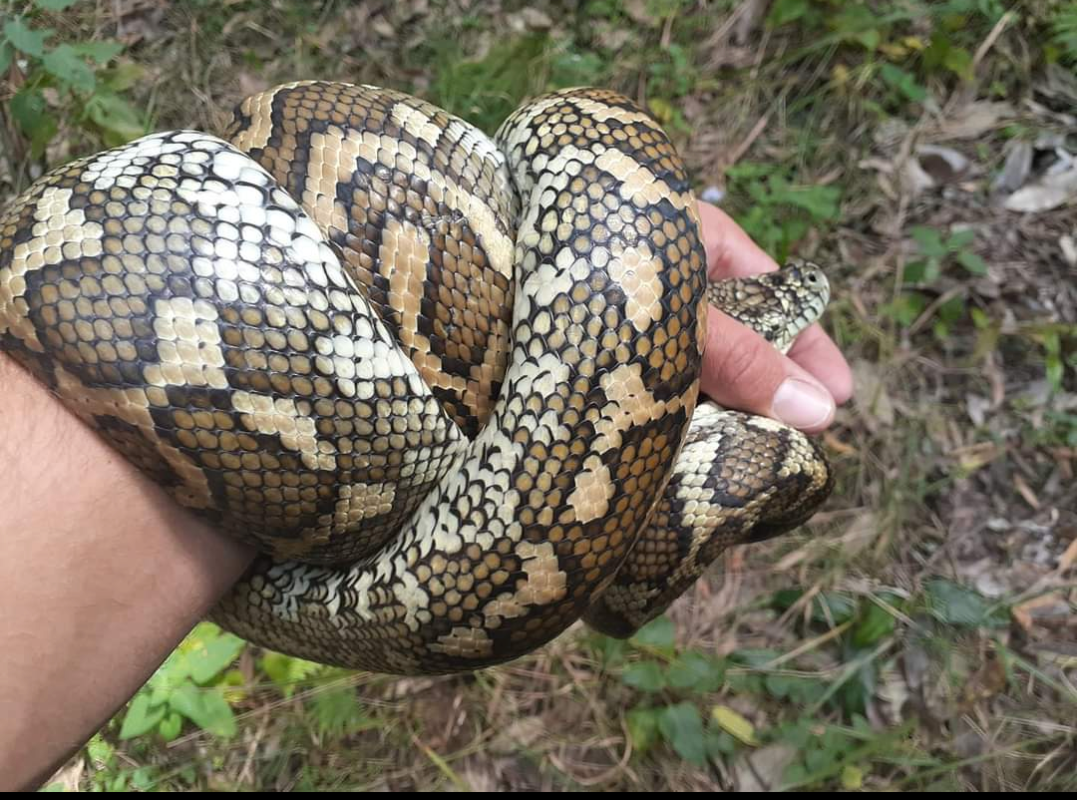
The beautiful carpet python Pic: seqsnakecatchers.com.au

For a mammal, let’s choose the beautiful, shy and locally threatened squirrel glider, with its soft grey fur and black stripes, that lives quietly throughout Brisbane’s bushlands and wattle thickets.
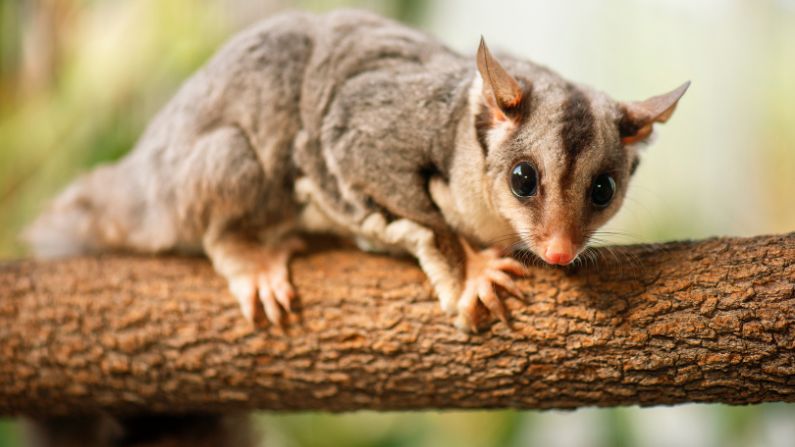
Squirrel glider Pic: Wildlife Preservation Society of Queensland wildlife.org.au

We might choose the fruit bats that hang squabbling in their noisy colonies all day, then fly out each dusk to feast on suburban gardens. It’s an iconic sight – hundreds of bats streaming across the evening sky. But fruit bats carry lissa virus, which gives them the potential for real danger.

To give that sense of harmless wildness, we could choose the blue-tongued lizard, with its hiss and the bright blue tongue it shows when threatened, or the ubiquitous water dragon.
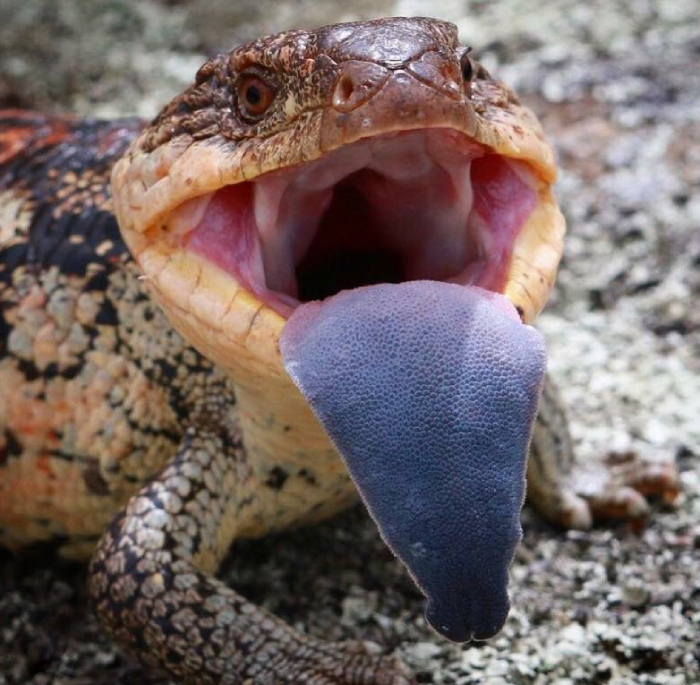
Blue-tongued lizard (a type of skink) Pic: abc.net.au/news

Or the tawny frogmouth that looks like a piece of bark in the tree until it opens its huge, yellow mouth.
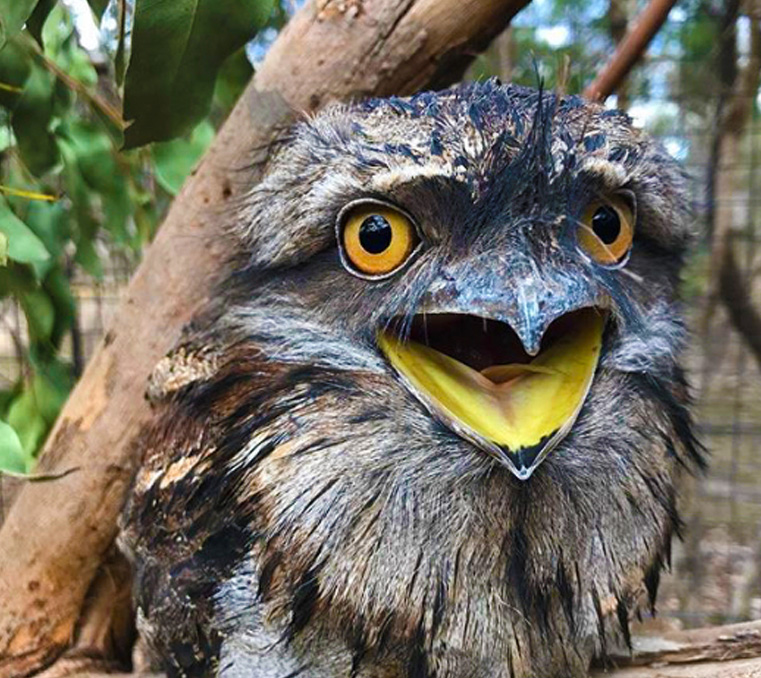
Tawny frogmouth Pic: moonlitsanctuary.com.au

And tawny frogmouths have the cutest of babies.
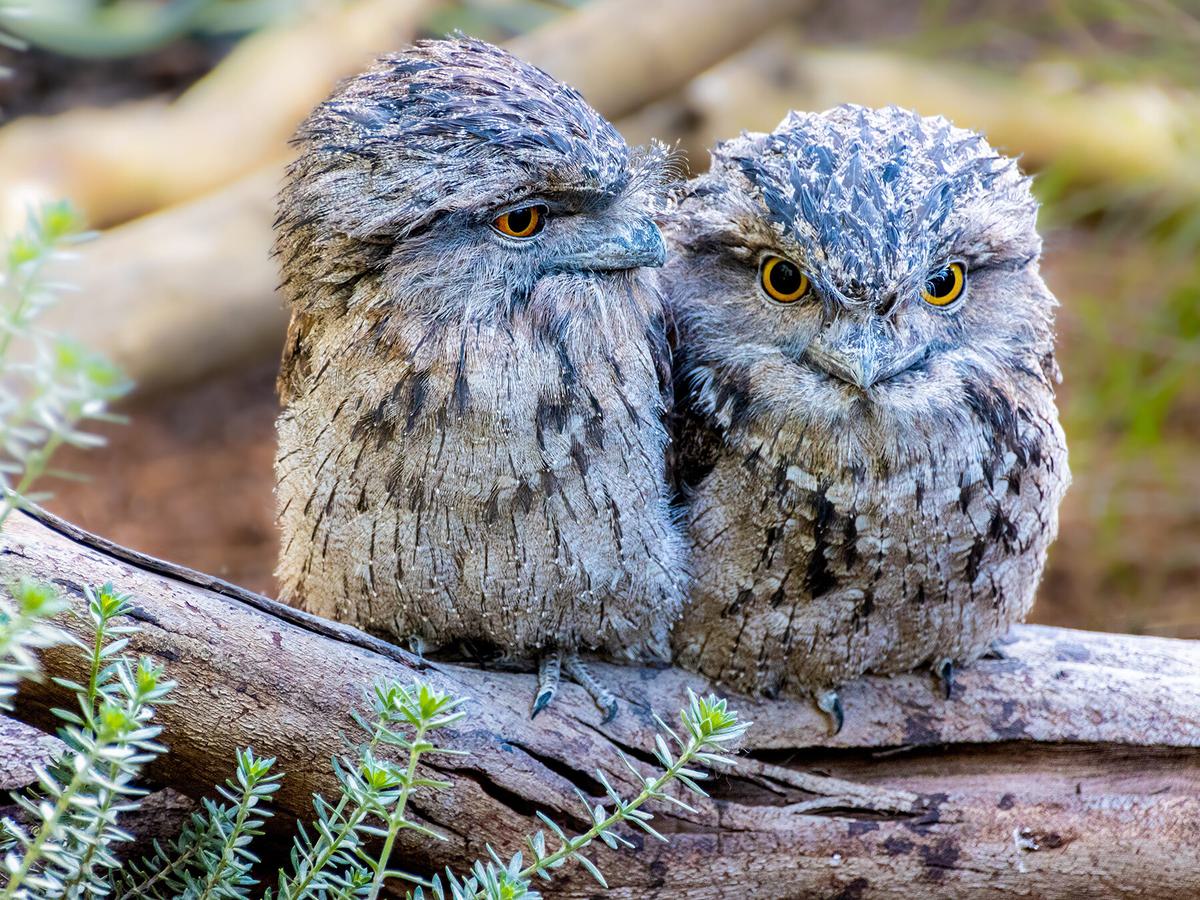
Tawny frogmouth fledglings Pic: birdfact.com

The scrub turkey that wanders the streets and back yards of Brisbane, scratching up gardens and building huge nesting mounds wherever it chooses.

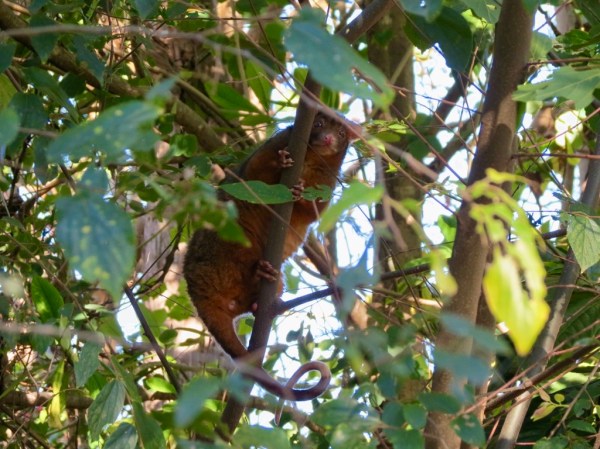
Or the possum. Most evenings, a brush tail or rarer ringtail possum runs across the power lines to our verandah, stops to stare at us, then gallops noisily across the iron roof to jump into the lillypilly tree out the back. Possums will come inside if they get a chance, and you might find one nesting in the ceiling, or sitting in your kitchen sink, chewing on a Weetbix.
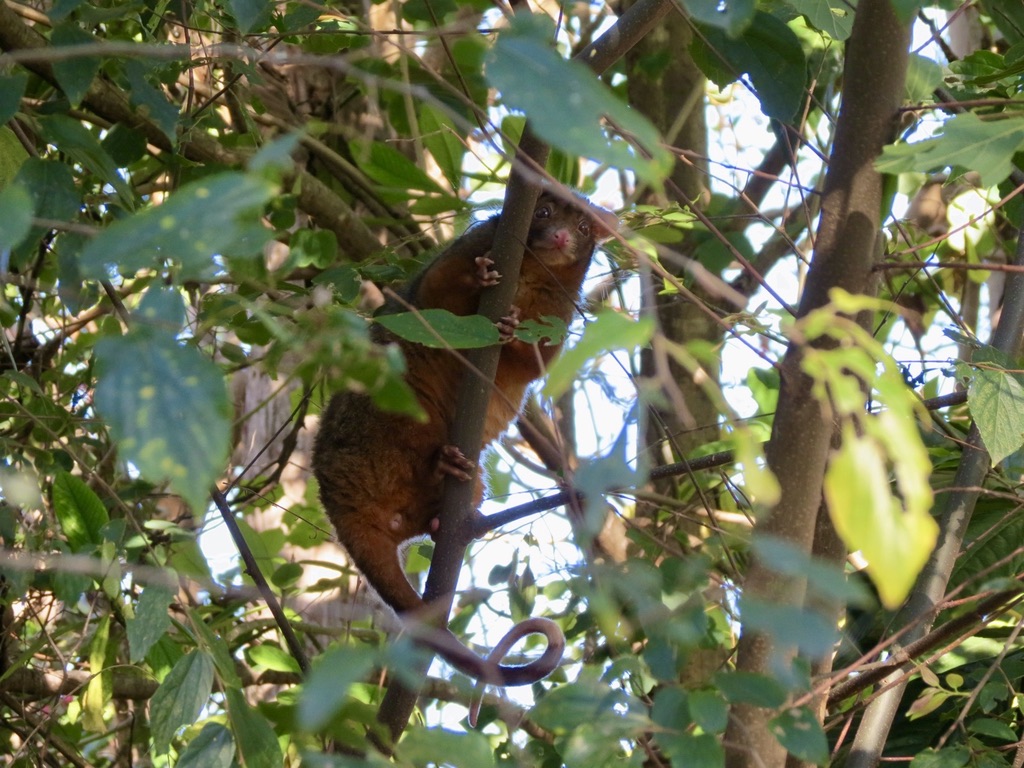
Ringtail possum Pic: Michael Fox https://pollinatorlink.org

Most of these creatures live in other states as well, and perhaps a crocodile or a cassowary would be more appropriate. Wonderful Queensland creatures, but a bit too scary.

My friend Mila told me of another potential mascot. It’s not a living one, but I think it’s worth considering.

Mila tells me that one day when she was walking along the river she noticed a female face on the Story Bridge and now can’t un-see it.

Mila calls her Bridget Story, and she sent me a photo.
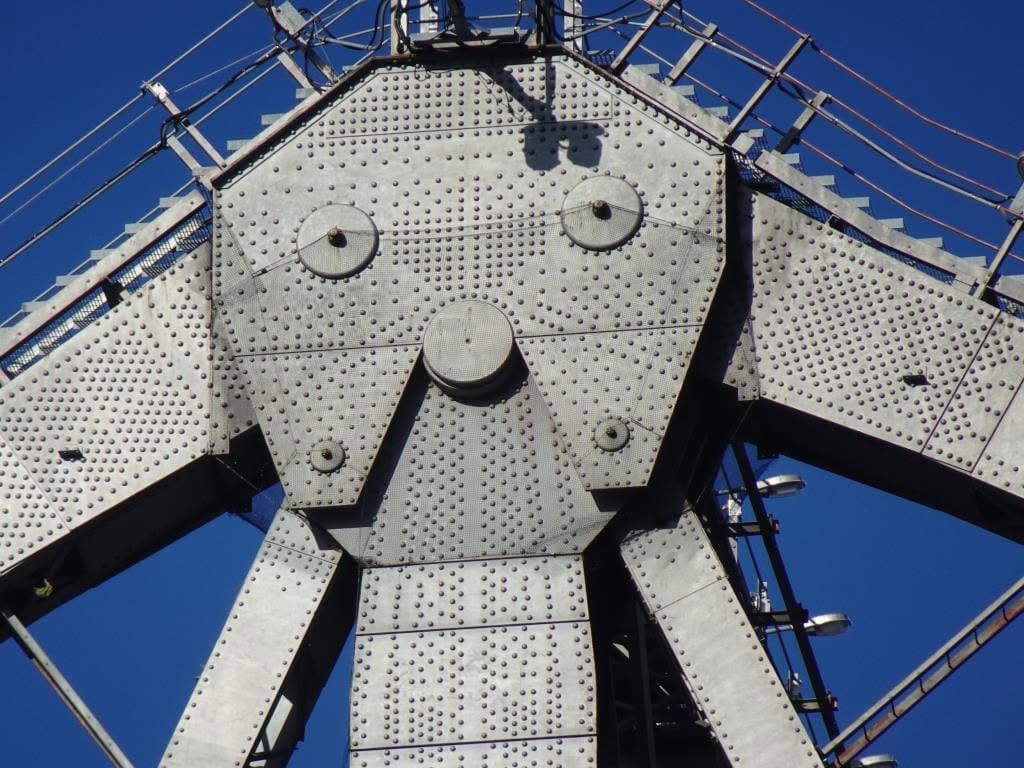
Mila’s photo of Bridget Story

As she says, Bridget Story has lots of potential for merch, and particularly for animations. Imagine the Story Bridge, striding across the city and the coast, welcoming people to the Games.

Bridget Story could even raise some money for the much-needed bridge repairs.

I love it.
Out of Brisbane

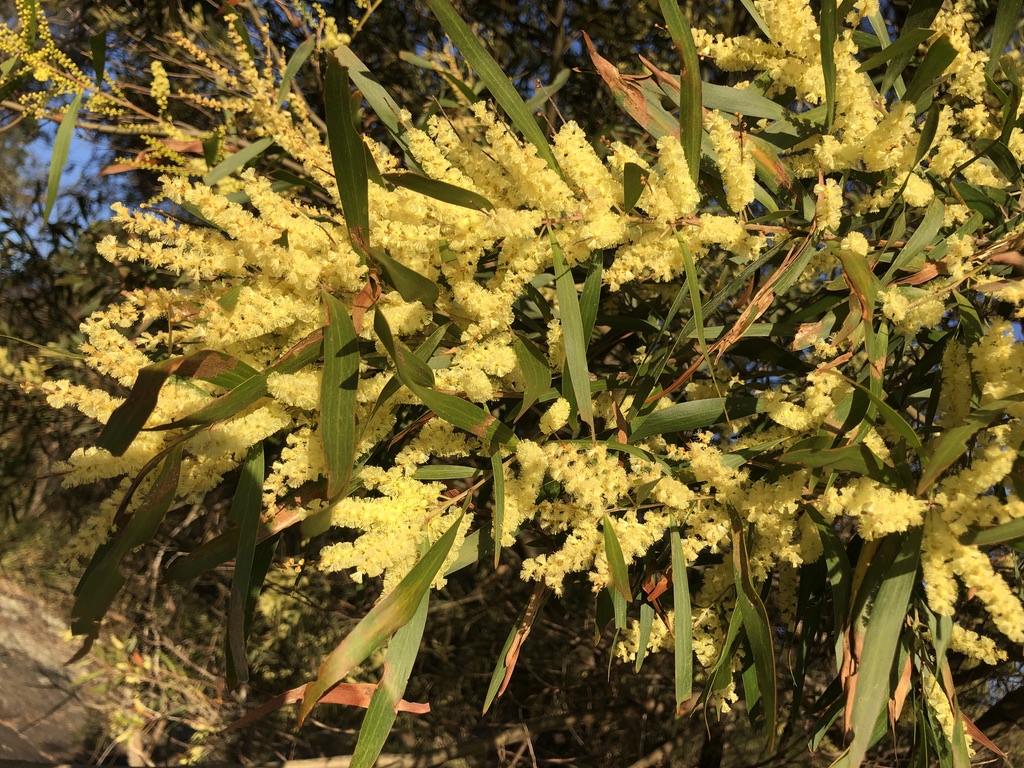
Along Quart Pot Creek, upstream from Heritage Park, the wattle trees are flowering.

Stanthorpe wattle

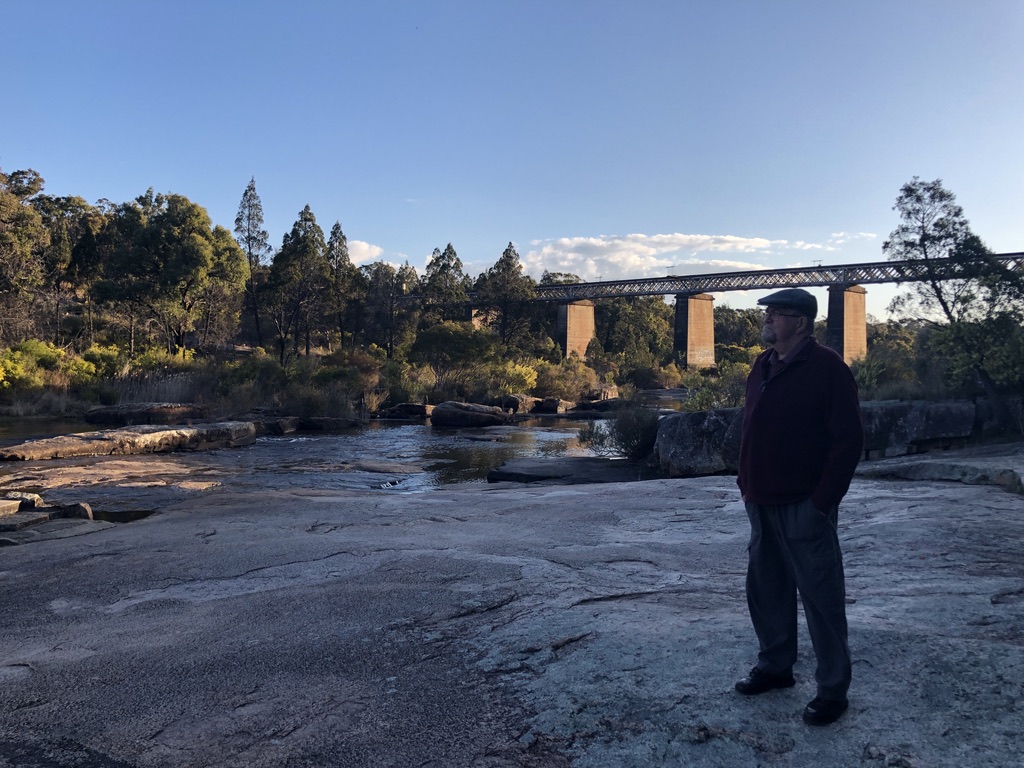
The path winds above the creek and under the railway bridge, across sloping granite to the creek and beyond. On the bank near the narrow footbridge, fairy wrens flit among the bushes.

Along Quart Pot Creek

In Stanthorpe this Spring when we visit, the water is cold. Not tempting. Perhaps in summer families come here to lie in the shallow pools and sunbake on the warm granite.

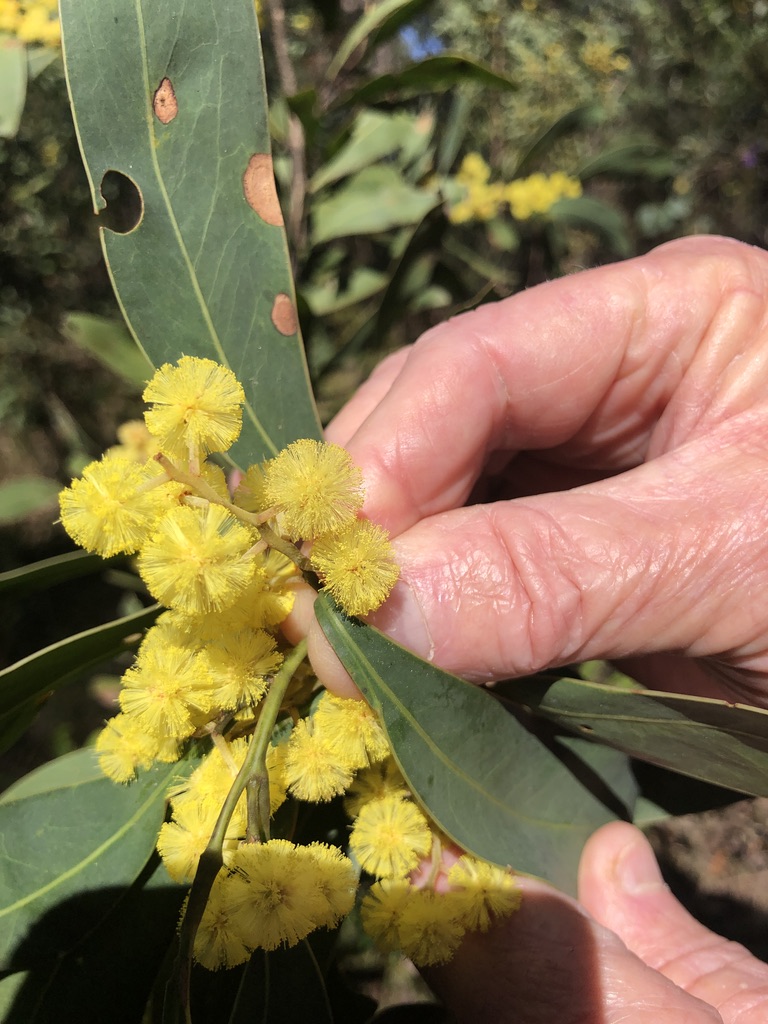
On this short trip out of Brisbane we are counting wattles. Leaving Stanthorpe, we drive over the New South Wales border to Bald Rock and then back home via the Bruxner Highway and Summerland Way, counting many varieties of wattles in bloom along the way. Green and gold everywhere.

Bald Rock wattle

In April 2023, I planned a fine road trip. It was the right time: the rivers were full but not flooding. The countryside was green. There was no threat of bushfires.

We would follow the inland rivers, from the Warrego at Cunnamulla, down the Darling to Burke and Menindee, to meet the Murray River near its mouth, at Gawler in South Australia. We would then trace the Murray upstream to where it meets the Darling at Wentworth in Victoria, then further east to Balranald, near where the Murray meets the Murrumbidgee. Following the Murrumbidgee to Wagga Wagga, we would then head north to the Lachlan River at Forbes; join the Newell Highway and cross the Macintyre back into Queensland at Goondiwindi.

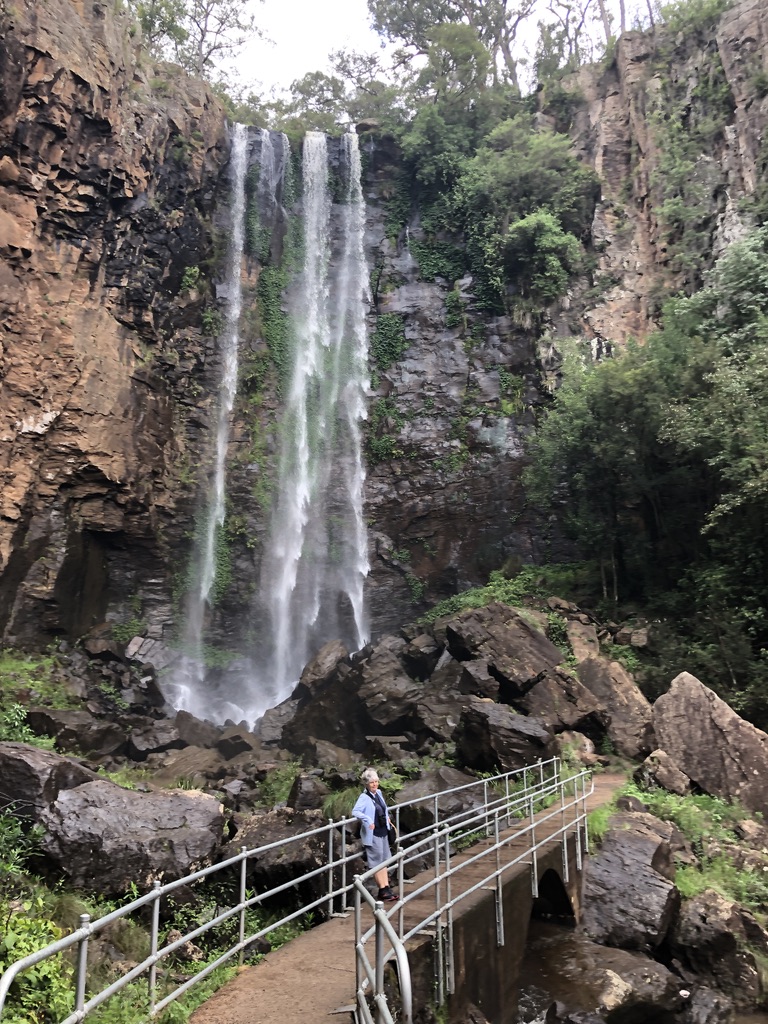
We’d meet the Condamine River at Warwick, then drive east to Queen Mary Falls where the river drops forty metres down from the ranges. Past towering Mount Superbus, the tallest mountain in south Queensland and the head of the Condamine catchment.

At Queen Mary Falls

In the right season, with plenty of rain and flow through the rivers, the water that plummets over Queen Mary Falls flows down the Darling and eventually ends up in the Southern Ocean at the mouth of the Murray, at the Coorong in South Australia.

What a neat trip that would have been. But life and illness got in the way, and we cancelled just days before we were due to leave.

That left us in Brisbane; but from Brisbane there are many interesting places to go for short trips. That is what we’ve been doing ever since.

In October last year we took a three-day trip to mainly new territory. A night in Dalby and a walk along Myall Creek in the middle of town, then up the Bunya Highway through Bell and Kingaroy to Murgon.

In Murgon there is a small but well set up Fossil Experience Museum called “55 Million Years Ago”. Local businesses, towns and shires seek for something that will encourage travellers to linger and spend. Federal, state and local governments support them. For places as widely spread as Murgon, Winton, Richmond, Hughenden, Eromanga, and even as far north as Chillagoe, Queensland’s finds of fossils and dinosaur bones attract visitors. Families plan holiday road trips to visit dinosaur sites.

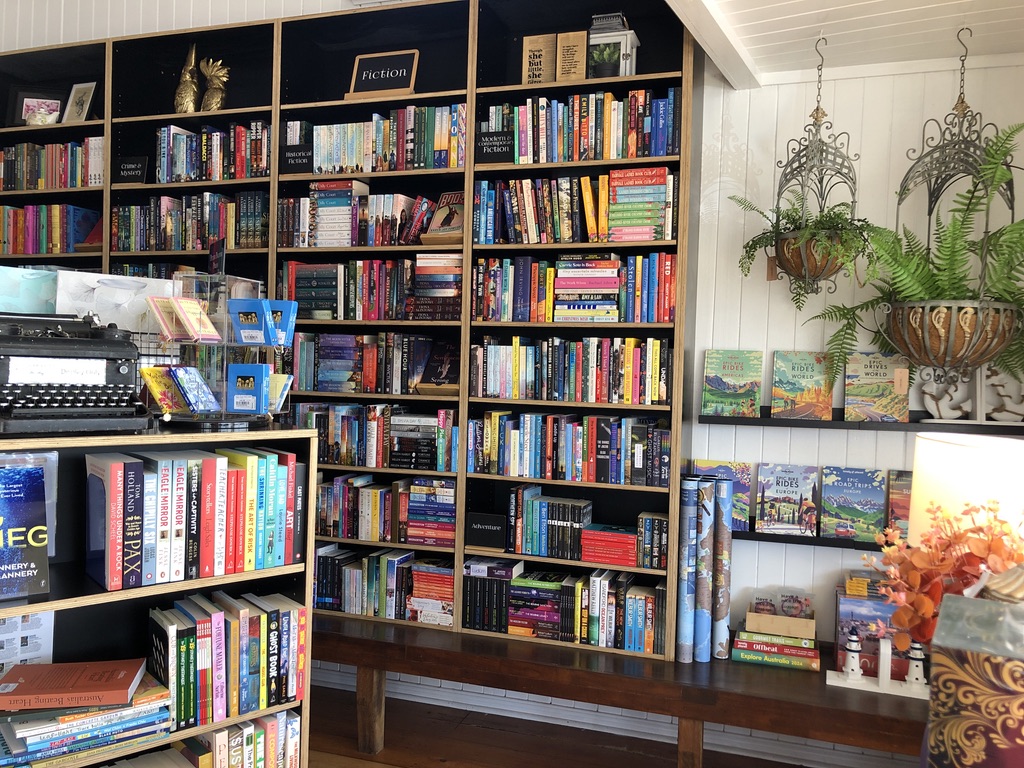
From Murgon we drove through Goomeri, stopping at the elegant Wimberley & Co Bookstore, then turned south to spend the night at Highfields, north of Toowoomba.

Wimberley & Co Bookstore, Goomeri

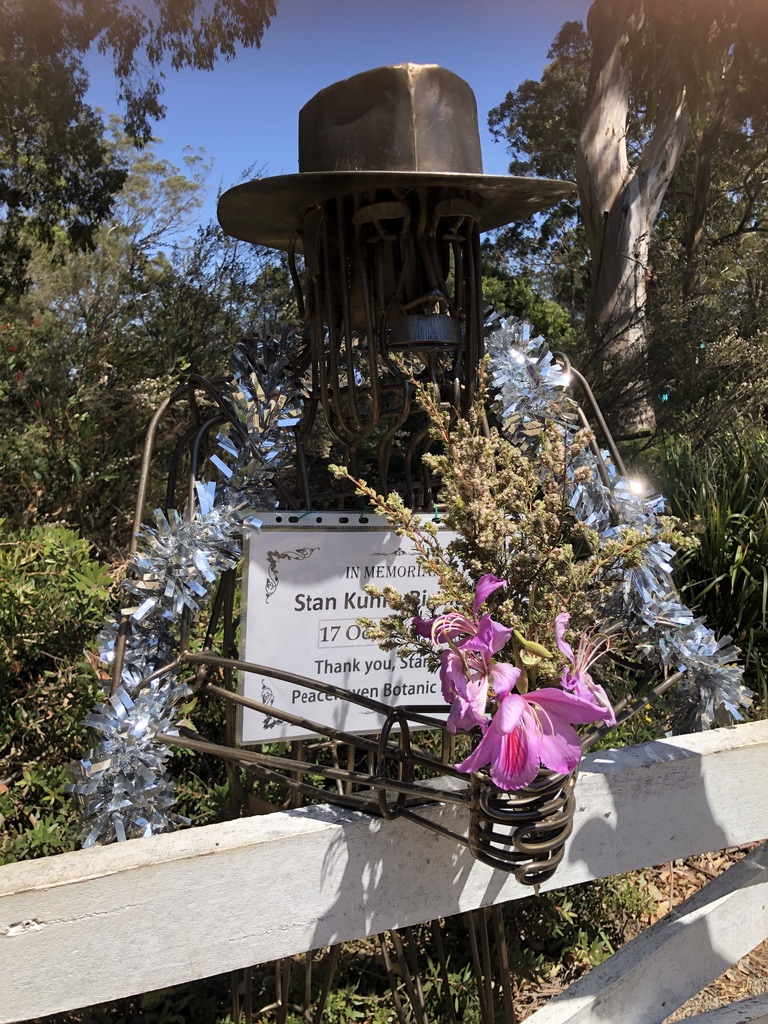
Highfields has a wonderful park – the 4.7-hectare Peacehaven Botanic Park. In 2004 local dairy farmer Stan Kuhl donated the land for a public park to promote peace.

Memorial to Stan Kuhl

The world is as far from peace as ever; but wandering these paths and plantings, watching parrots in the fine old eucalypts, with the Bunya Mountains in the distance, I appreciated old Stan’s intention.

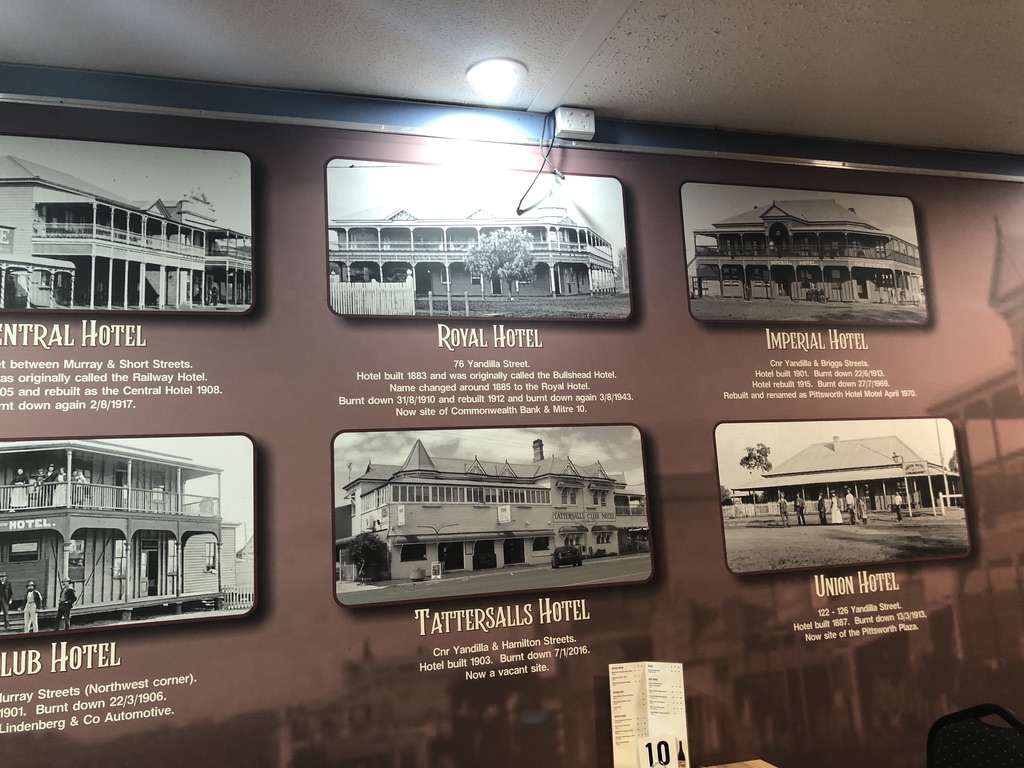
In the heat of February 2024, we took a three-day trip around the Darling Downs and out as far as Goondiwindi. The first night, we stayed in the humble motel behind the Pittsworth Hotel, “Pittsworth’s favourite hotel”. The only hotel in town as far as we can see, but its walls show a collection of photos of the many grand establishments that once existed here, only to succumb to fires, like so many old country hotels.

In the Pittsworth Hotel

Country towns celebrate their sports stars, from Rod Laver, the “Rockhampton Rocket”, to Laura Geitz, medal winner and former captain of the Australian netball team, celebrated in a bronze statue in her hometown of Allora.

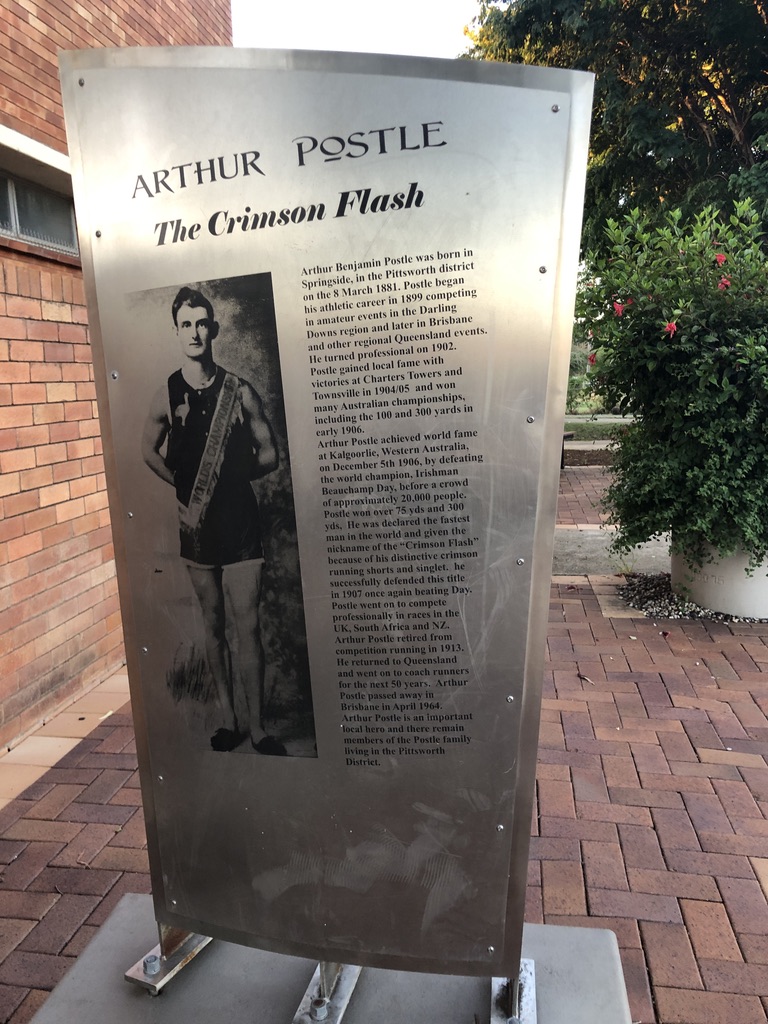
In Pittsworth, there is a memorial to Arthur Postle, the “Crimson Flash” – a local professional sprinter who won many Australian championships in the early twentieth century, even defeating a world champion.

On this trip we were exploring parts of the Darling Downs we hadn’t visited before, so I could look for old churches. My g-g-grandfather, James Matthews, was the Church of England Rector of Warwick between 1875 and 1886. In small farming settlements around the Downs, services in those days were held in inns or private houses; and James earned a name as a church builder. Perhaps he had the naming of them too, because at least one is dedicated to St James, and another to St Matthew.

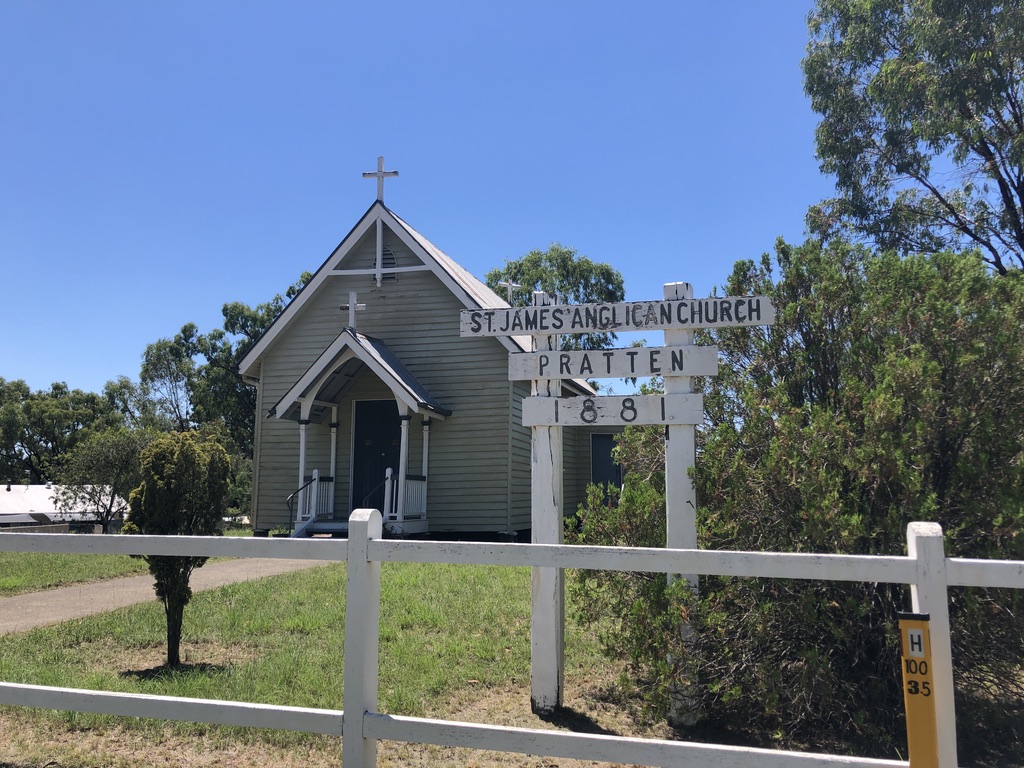
It was hot in Pratten, a tiny town west of Warwick and north of the Cunningham Highway. St James’s Church is a small wooden building on a hilltop, with a simple bell tower beside it.

The town lay still and silent under the sun, until Con pulled the rope and the church bell rang out.

Still, nothing moved.

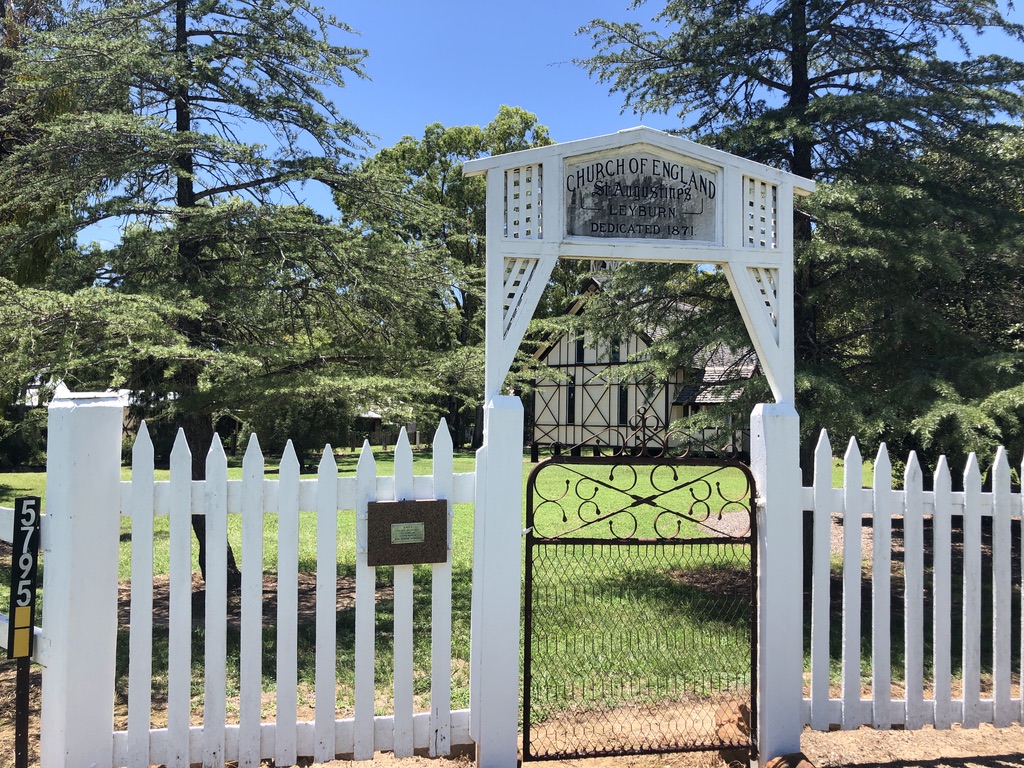
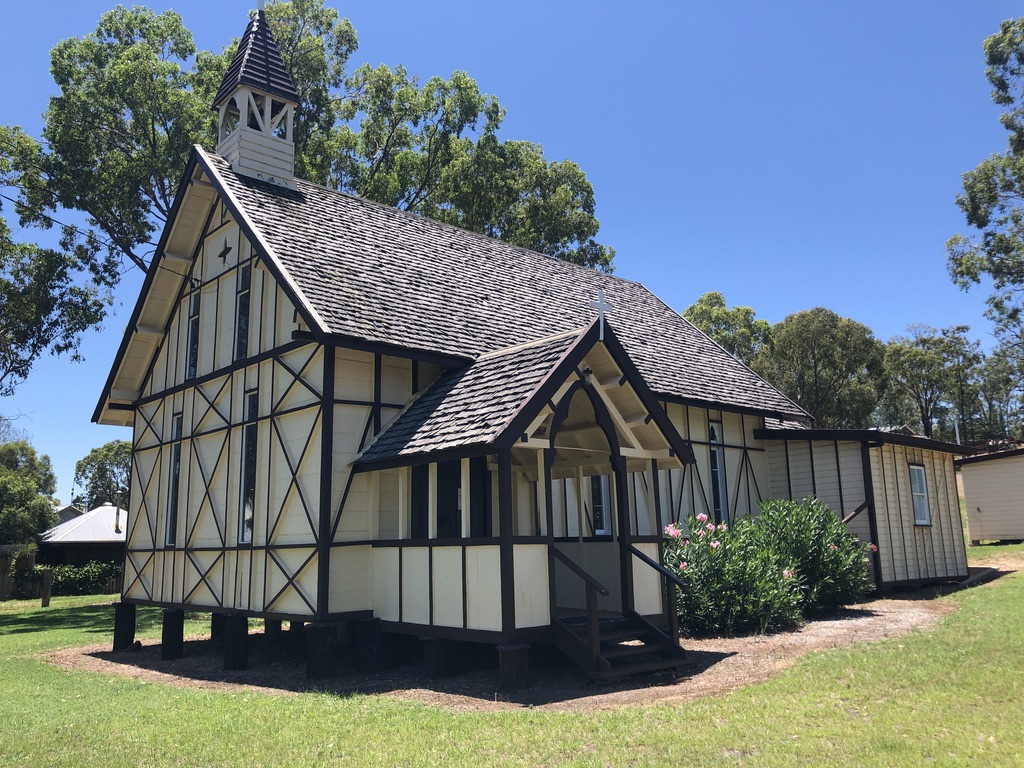
At the nearby town of Leyburn is another church visited by James Matthews. This attractive building was designed by architect Richard Suter, who designed Jimbour House, among many now heritage-listed buildings.

St Augustine’s Church, Leyburn

Leyburn has a pleasant pub, the Royal Hotel.  Along with the Grand View at Cleveland, it claims to be the oldest continuously licenced hotel in the state.  We were relieved to have our lunch in its air-conditioning.

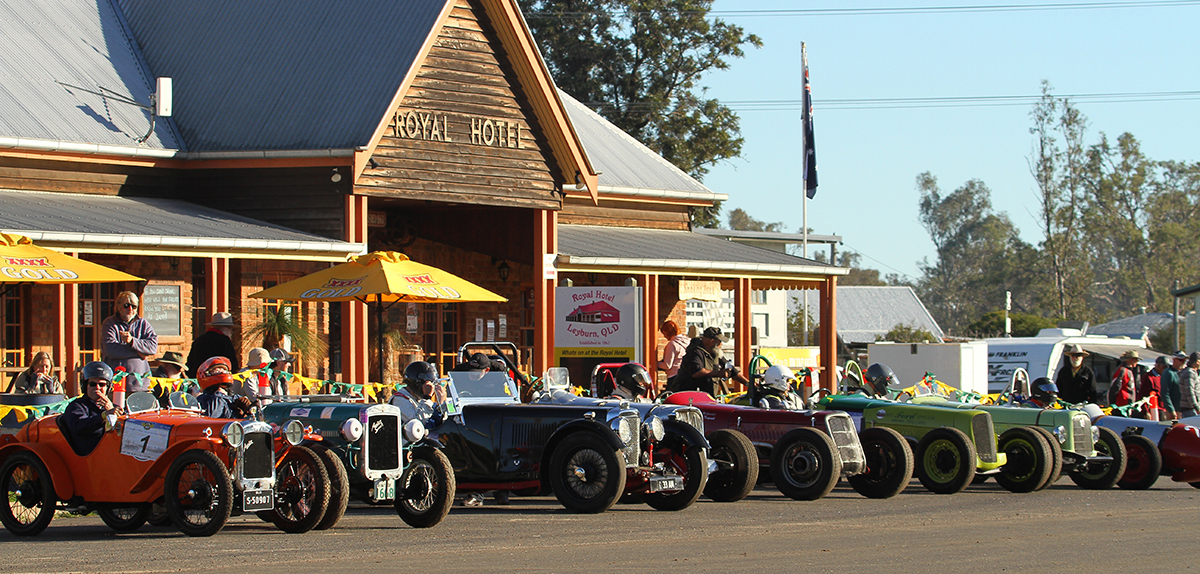
Leyburn is known for motor racing. In 1949, seventy-five years ago this year, the Australian Grand Prix was held at here, attracting 30,000 visitors. The event has been recreated in the last few years as the Historic Leyburn Sprints, the main feature of a heritage festival with a motoring theme. The Sprints are held on a 137km route through the surrounding area, including Pratten. You wouldn’t have been able to hear the church bell ringing when the Sprint was running through town.

Royal Hotel, Leyburn, during the Historic Sprints festival

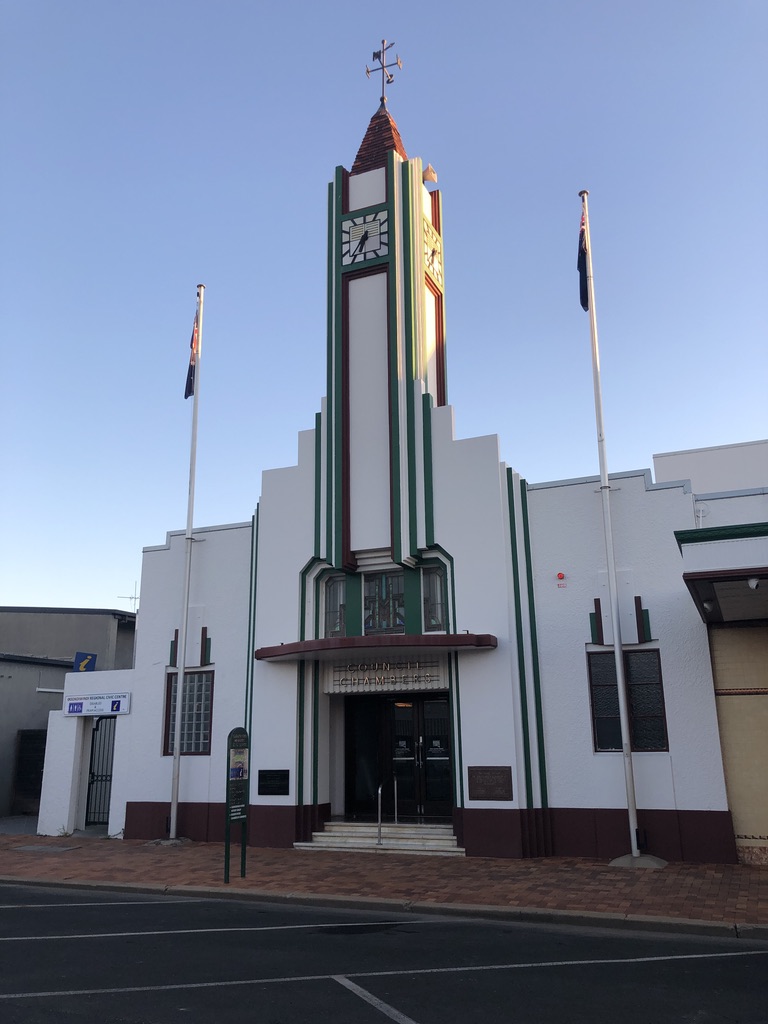
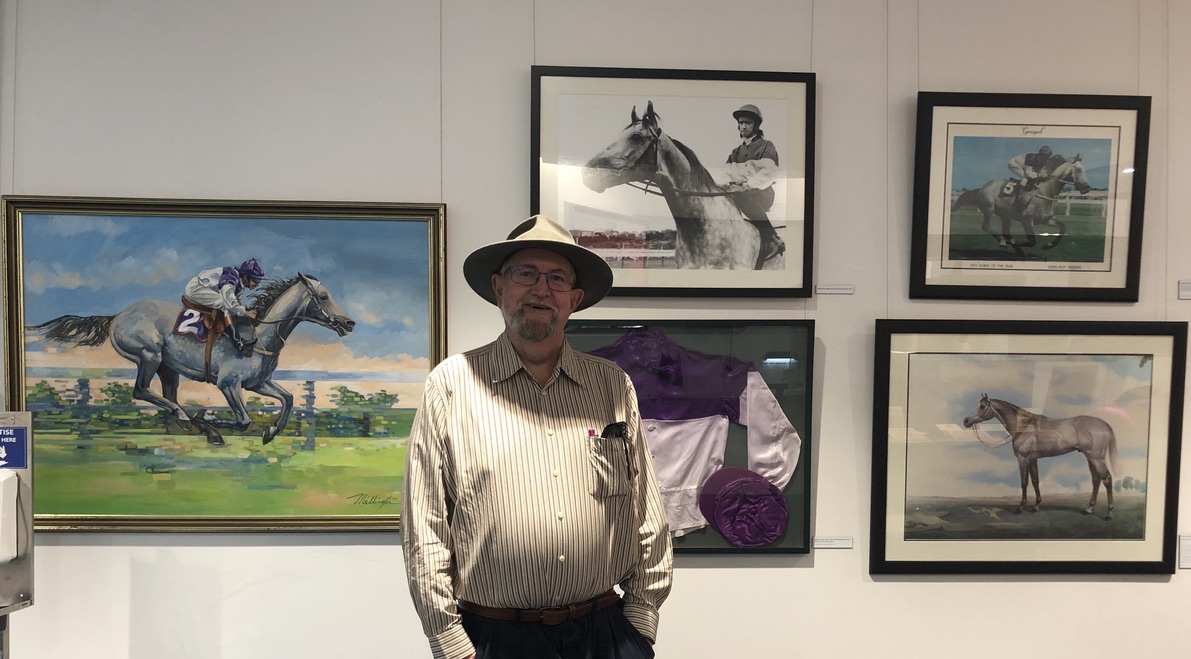
From Leyburn we headed to Goondiwindi to visit the Gunsynd Museum situated in the town’s elegant art deco council chambers. Another regional sporting hero, loved by Con.

Goondiwindi Council Chambers
In the Gunsynd Museum

Last May, for my birthday, we spent three nights on Minjerribah North Stradbroke Island. This place is a treasure; and so close to Brisbane. White sand beaches, clear water, gorgeous freshwater lakes and swamps (so fresh that Island water is pumped to the other Bay islands and the mainland); birdlife, headland views, and small town life, as well as a strong Indigenous cultural presence.

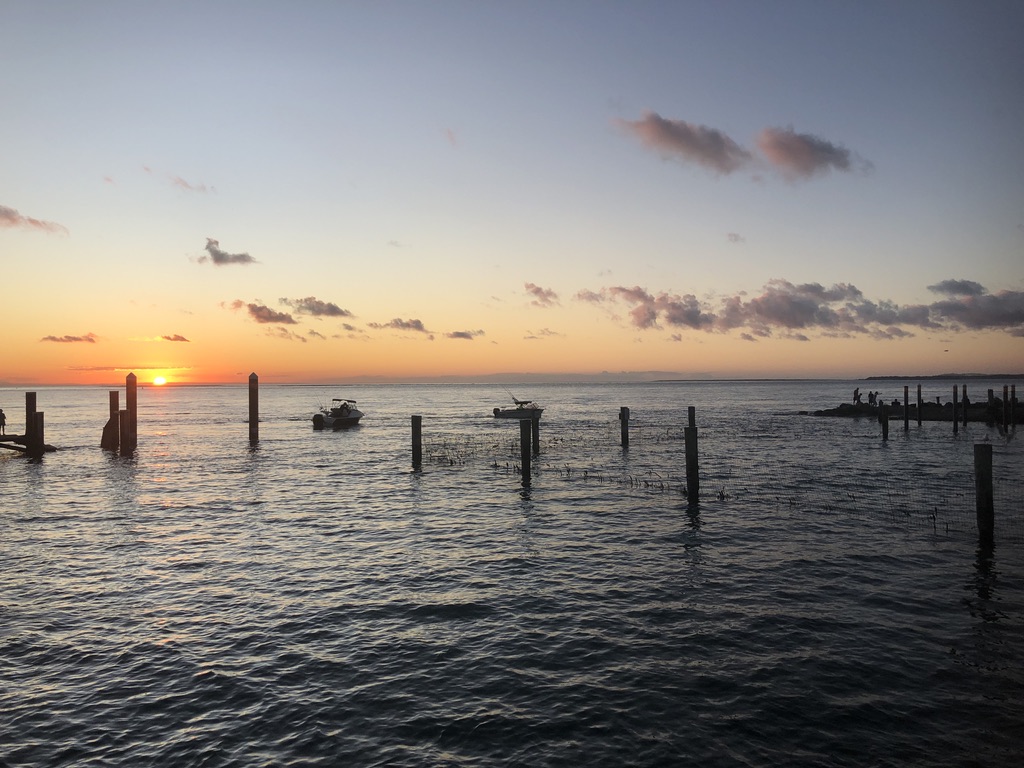
Sunset at Amity Point, Stradbroke Island

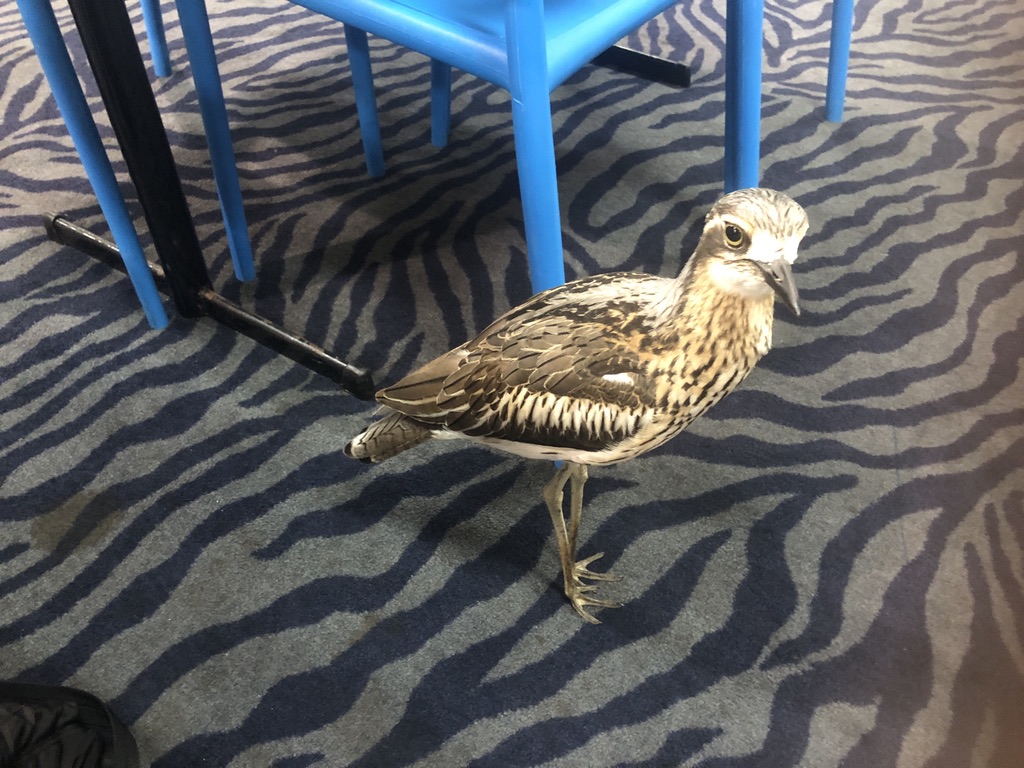
At the Point Lookout Hotel, perched above Cylinder Beach, I ate my birthday dinner accompanied by a beach stone-curlew that wandered among the terrace diners, searching for scraps with its huge, spooky eyes.

Straddie curlew

I’ve seen stone-curlews’ motionless forms and heard their haunting night-time cries from the suburbs of Brisbane to the tropics. Con tells me that on his first night at boarding school in Cairns he heard them and thought someone was being murdered.

We’ve made other out of town trips since our big trip was cancelled. Short trips to Grafton, Murwillumbah, Maryborough, Coolum, Toowoomba and Warwick.

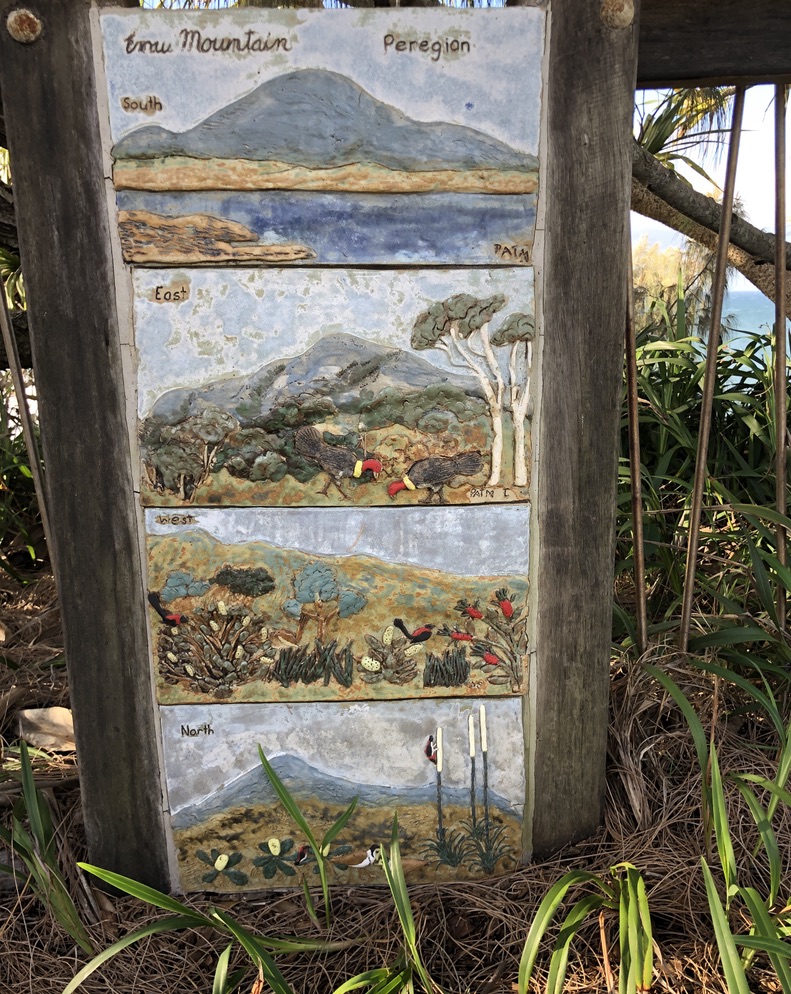
Attractive ceramic art work at Coolum

We also went to Currumbin to enjoy the Swell Sculpture Festival.

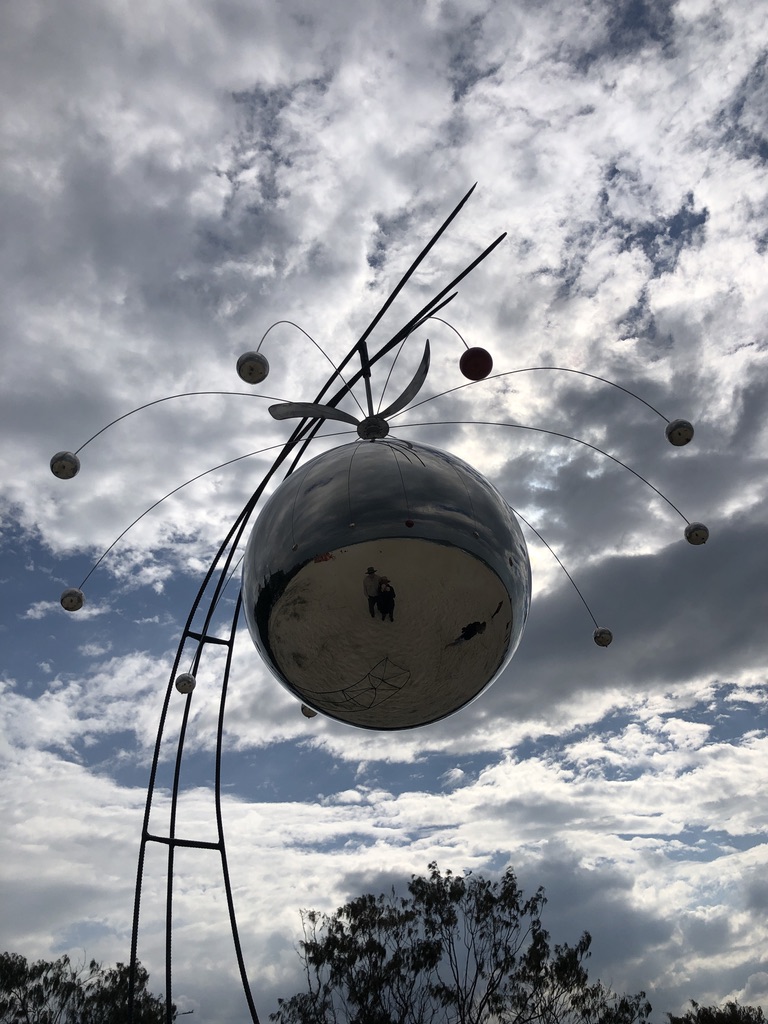
Us reflected, at Currumbin Swell

What next? Out to Glenmorgan, to pay a return visit to the Myall Park Botanic Garden? The wattles and wildflowers out there would be beautiful in Spring.

And maybe, next April, we’ll set off on that fine rivers road trip. Unless the rivers are flooding, or the countryside is burning…

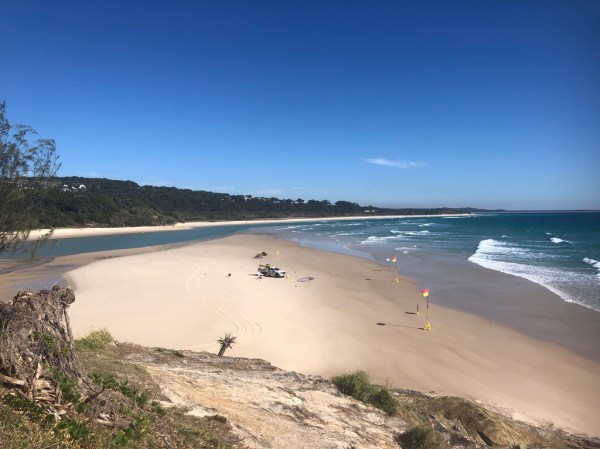
Main photo: Cylinder Beach, Minjerribah Stradbroke Island

Blog at WordPress.com.

Up ↑