Our Olympic Torch Relay

This is a Queensland story that is worth telling again and again.

The Opening Ceremony for the 2024 Olympics took place on 26 July, but the Olympic Torch had already arrived in Paris. I know it had, because my granddaughter sent me a video from Paris ten days earlier of the torch procession travelling down a Parisian boulevard. A tall young man dressed in white is running with the torch held high.

Con was moved by the thought of his granddaughter watching the Olympic Torch making its way through Paris, because as a young boy he’d watched an Olympic Torch being carried through Innisfail, Far North Queensland, by his brother Jim.
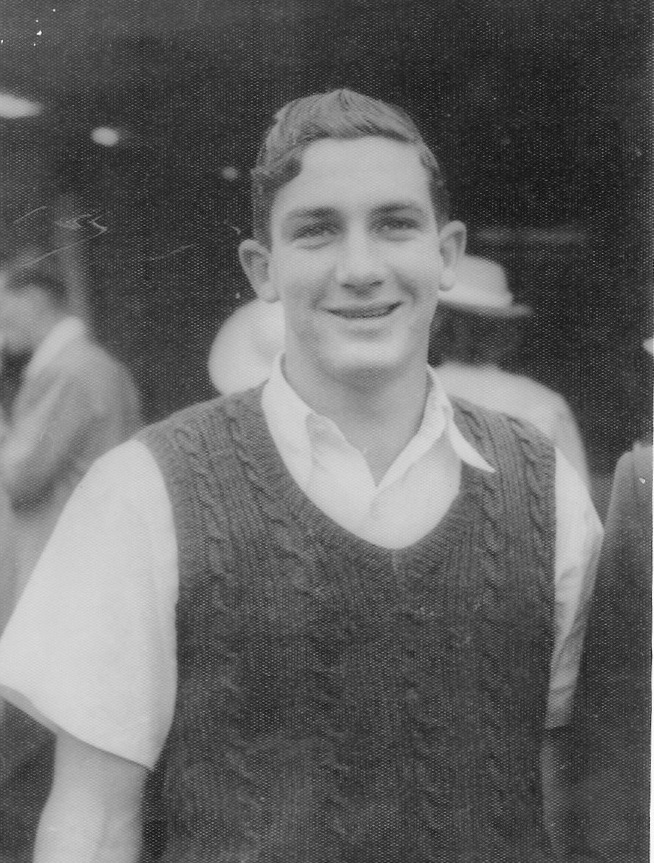
Con’s brother Jim

To qualify as a torch bearer for the 1956 Melbourne Olympics, you had to be able to run a mile in under seven minutes. And you had to be a man. Jim was a good miler, and he carried the torch from the Innisfail Shire Hall, down the hill and south across the river to hand it over to the next runner.

There was a huge crowd in town to watch the torch go through. Then as now, international events didn’t often touch Queensland towns.

The Torch Relay for the Melbourne Games began in Cairns on the ninth of November when the flame was flown in from Greece. The Relay caused excitement all the down the east coast of Australia. As the Relay passed through small towns and regional cities local people in huge numbers watched its progress.
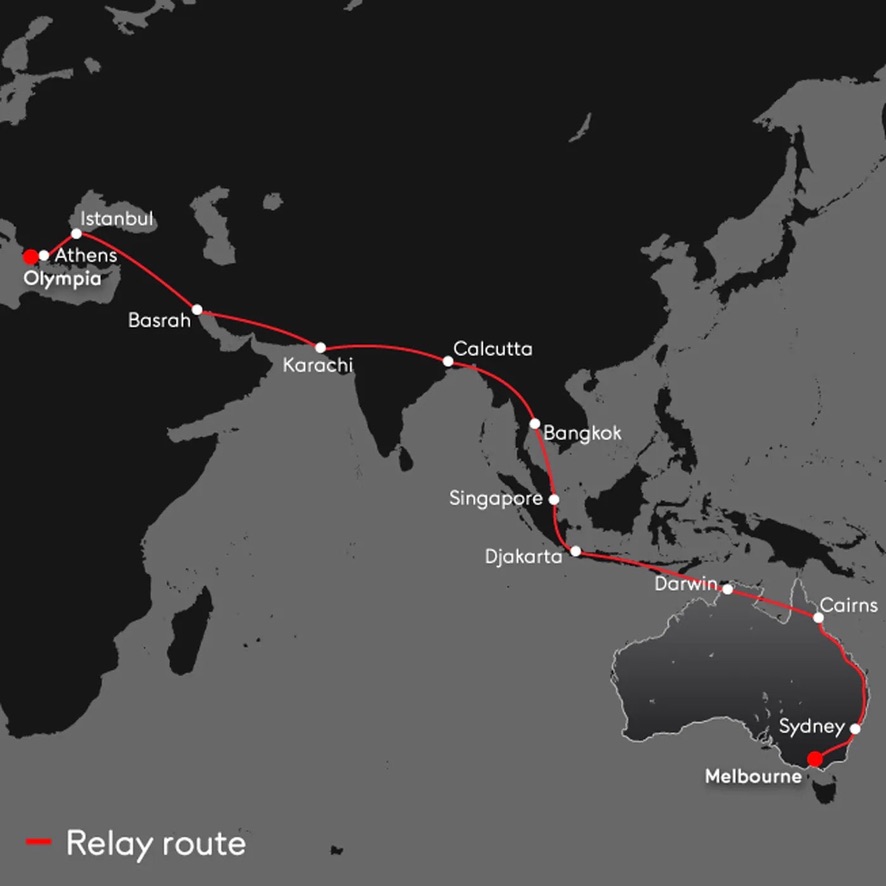
The 1956 Torch Relay route olympics.com

The most testing sections of the Relay were in Queensland.

Setting up the Relay had been an epic in itself. Nineteen days earlier a convoy of army trucks and Holdens had set out from Melbourne on the road trip to Cairns, loaded with torches, fuel, medals for the runners and other equipment. The convoy was manned by army personnel and Melbourne university students.
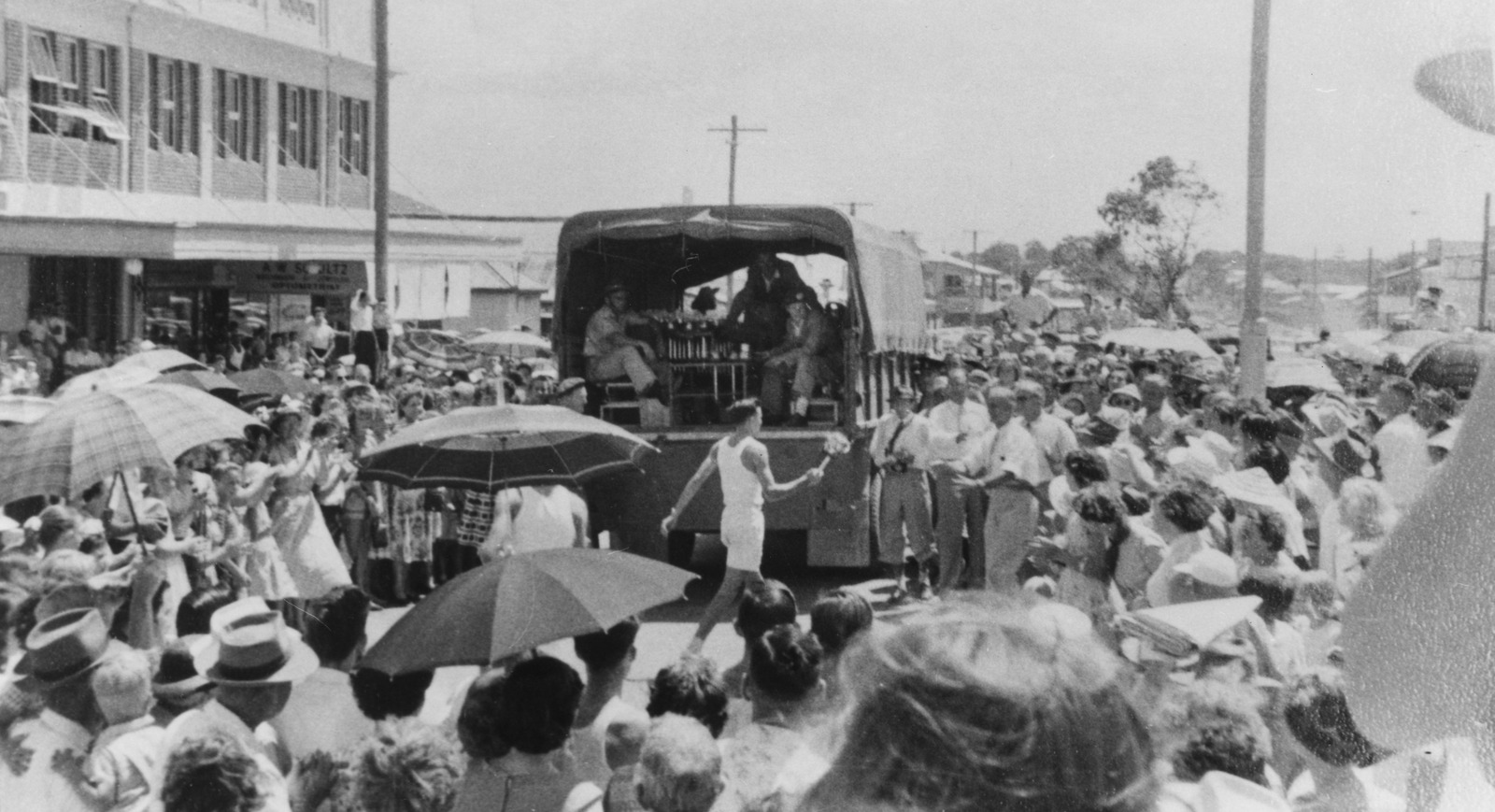
The 1956 Olympic Torch carried through Bowen. Note the support truck with torches and support personnel slq.qld.gov.au

Perhaps the route had been planned using maps, not local knowledge, because heading north from Rockhampton through a stretch of country that was virtually unknown to the southern states, the convoy took the coastal route via the tiny railway town of St Lawrence, following the train line, instead of the Bruce Highway (such as it was), inland through Lotus Creek.

The coastal route was a dreadful track of creek crossings, potholes, swamps and cattle grids.

In the end, it was impossible. At St Lawrence the convoy was loaded on to a train to make the journey to Sarina, being bogged down once again before making it through to Mackay and the highway and on to Cairns.

Once the actual Relay began, the Torch was carried all the way south on foot, regardless of weather or time of day or night. Runners were dropped off at marker pegs a mile apart. When they’d run their section they would pass the torch in to the support truck and be tossed a commemorative medal before the truck disappeared on its way.

At the Burdekin River, the road crossing was flooded, and once again the Torch and the convoy crossed by train. From Mackay to Rockhampton, coming south, the Relay followed the inland route and wisely avoided the St Lawrence road.
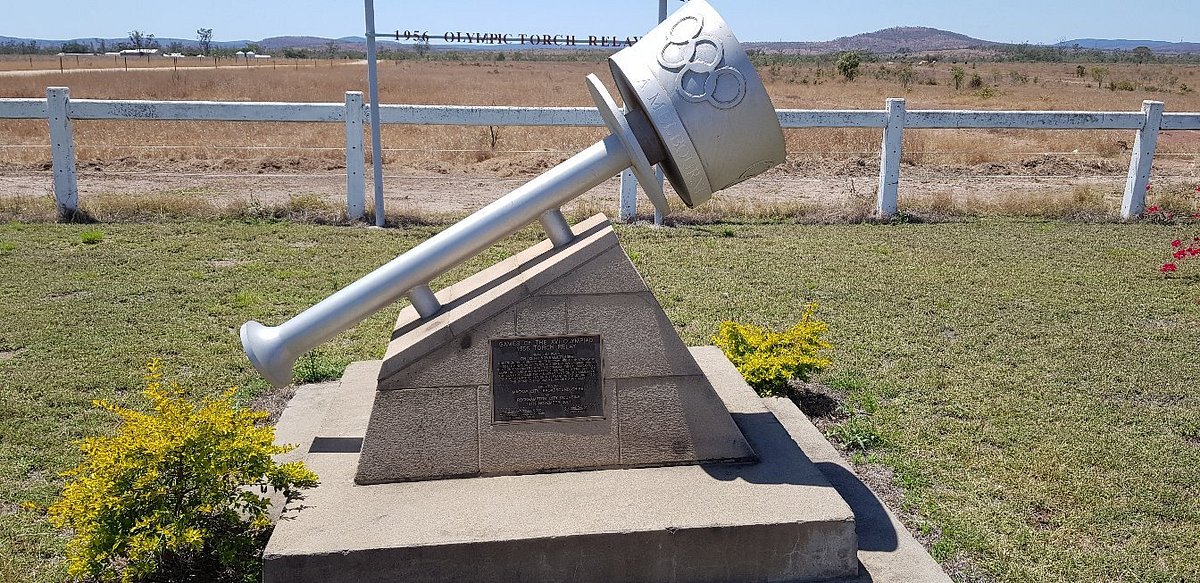
Olympic Torch Relay Monument beside the old Bruce Highway at Lotus Creek tripadvisor.ca
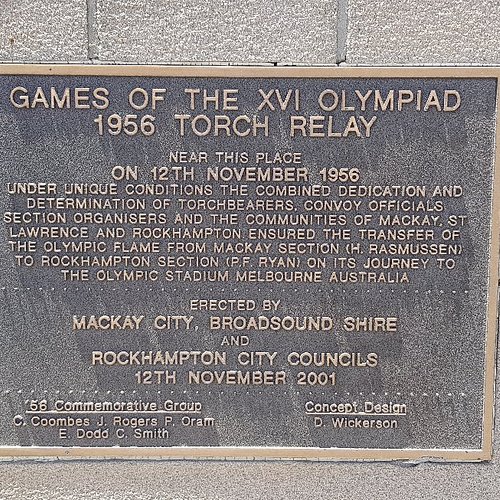
Plaque on the Relay Monument at Lotus Creek tripadvisor.ca

Bringing the torch through was not easy, all the same. It was dark and raining. Each young runner in his white uniform would wait nervously by his marker for the previous runner to emerge from the gloom, torch in hand, to pass on the flame – relieved when at last the lights of the support trucks showed through the dark.

The torch weighed one point eight kilograms, and after a mile held at arm’s length it weighed heavily; and the runners found that if they held it too close to their bodies, sparks blew in their faces.

People came out with hot soup down that dark, muddy road and cheered the Relay on. Souvenir hunters followed after the support trucks, illegally pulling up the markers. There must still be relay markers in sheds and cupboards all down the coast. Family members clearing out Dad’s or Granddad’s bits and pieces may puzzle over what they could be.

Rutted, muddy roads, encounters with snakes and dogs, rainy nights, leeches, mosquitoes: those Melbourne University students went home with enough stories of the wild north to create legends in the south.

Thirteen days after leaving Cairns, right on time, the Torch arrived at the Melbourne Cricket Ground, the Olympic Stadium, and the Cauldron was lit.
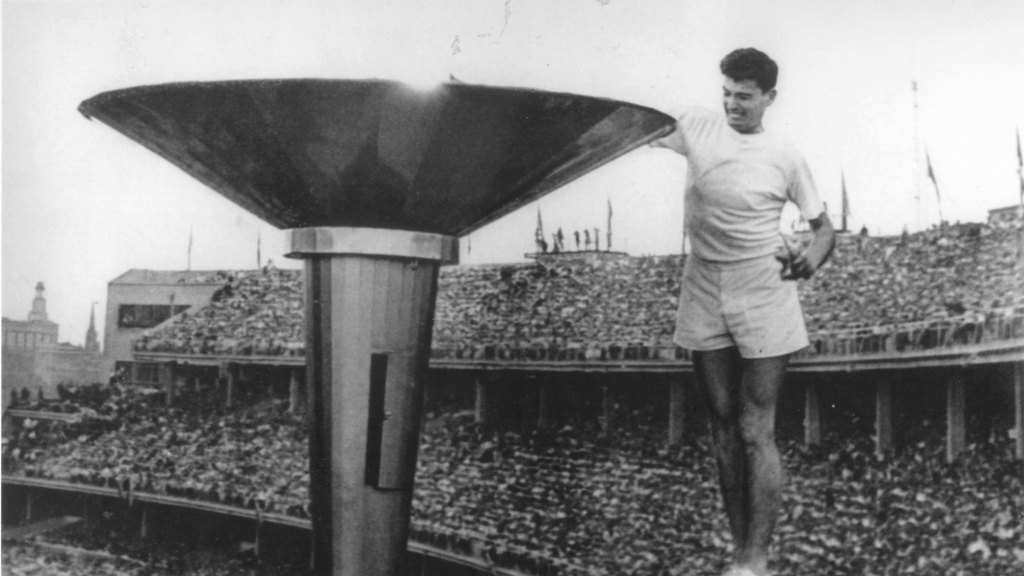
Ron Clarke lighting the Olympic flame, Melbourne 1956 Fairfax, Archives, smh.com.au

On Friday, with the whole world watching, the 2024 Olympic Torch was carried over the iconic rooftops of Paris, and the Cauldron was lit under a magnificent hydrogen balloon that carried it off into the night sky.
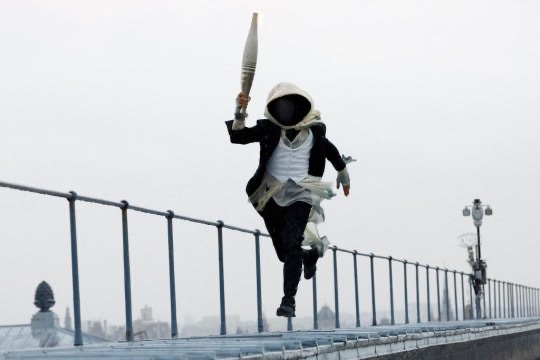
Masked torch bearer across the Musee d’Orsay metro.co.uk

In 2032, Brisbane will be hosting the Olympic Games. I’ll be interested in how that Torch Relay is run. And I might want to tell this story again.
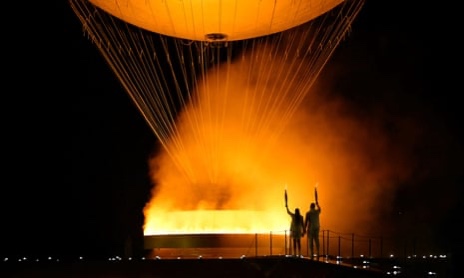
Paris 2024 Opening Ceremony: Flying Cauldron theguardian.com

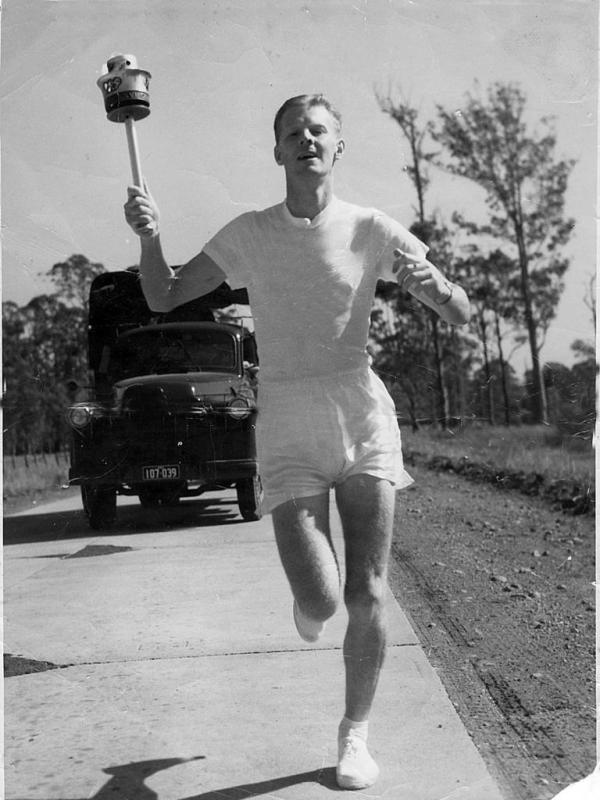
Main photo: Don Craig, running with the 1956 Olympic Flame. cairnspost.com.au

Glimpsing Bradman

On Boxing Day, 1936, in a soft-topped Essex motorcar and towing a trailer full of camping gear, my father Maurice, his two younger brothers, his father, E.B., and his grandfather C.B. left Nambour to drive to Melbourne. The Third Test was due to begin in January 1937, at the Melbourne Cricket Ground, and they wanted to see Don Bradman bat.

It was to be a two-week road trip – touring, as they called it then – through New South Wales and Victoria. The family often went touring. They didn’t know this would be their last long trip together.

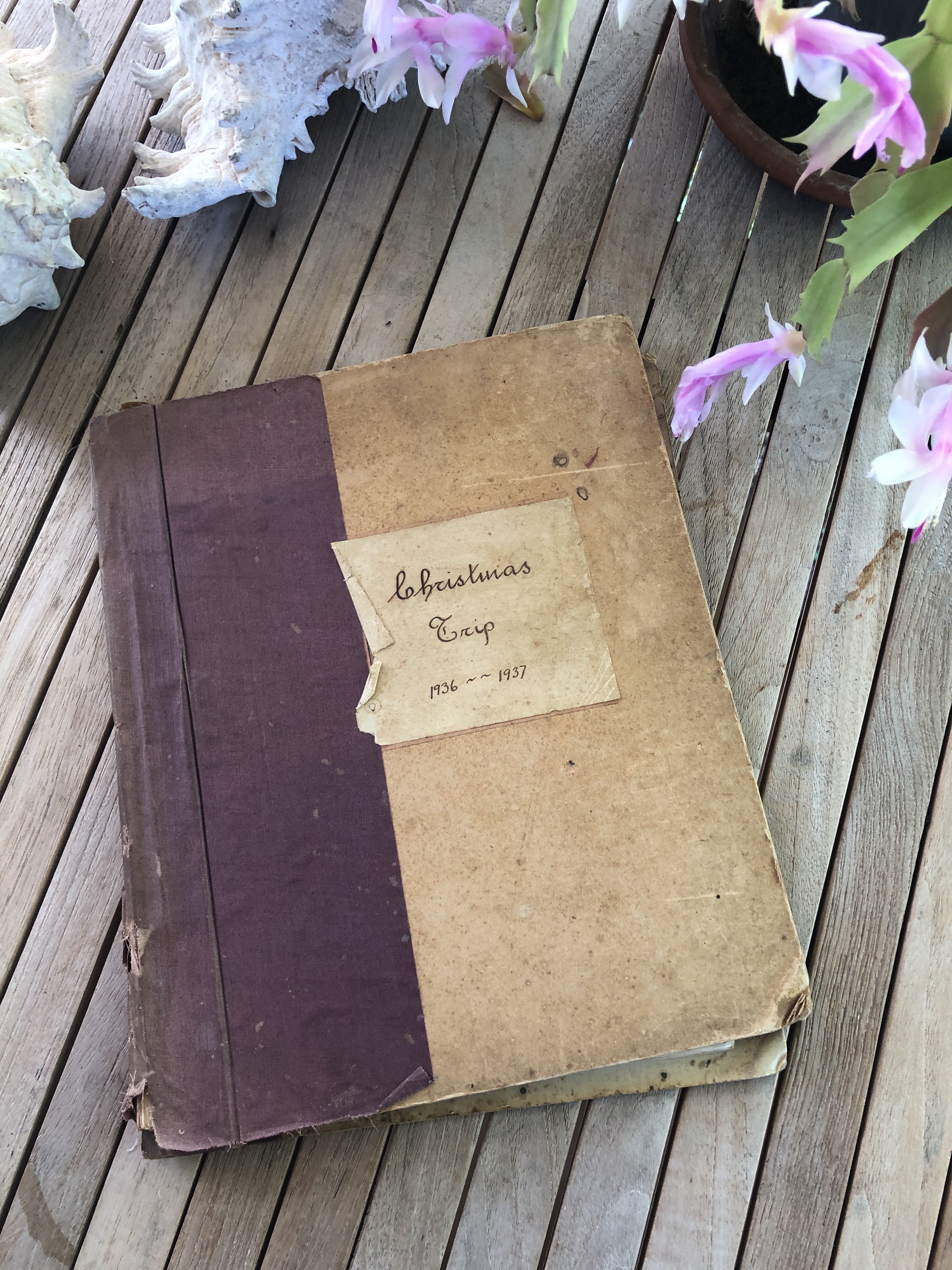
My Dad, Maurice, then an eighteen-year-old, kept a trip journal, full of details that seem quaint to travellers in the twenty-first century: border crossings, road conditions, camping, communications, access to funds along the way.

ED3897E1-9074-485A-8167-1C19EF181C99 Maurice’s trip journal 1936-1937

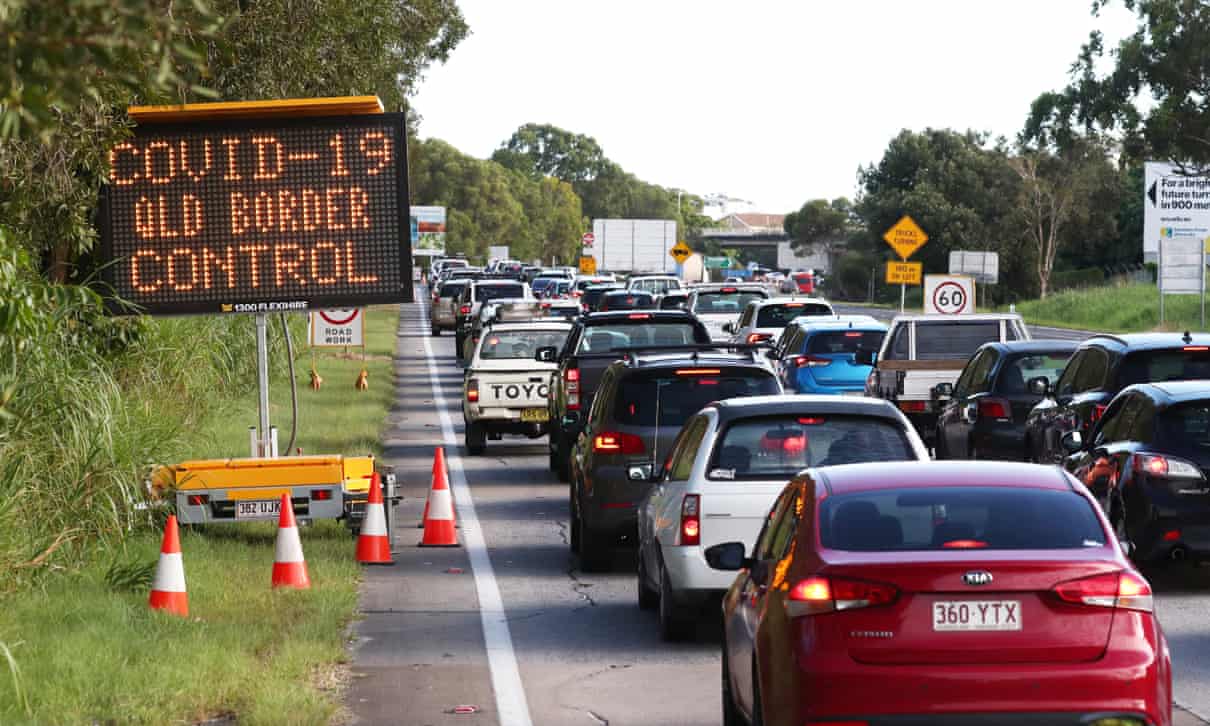
Now, in June 2020, the year of COVID-19, southerners are stopped at the border, not allowed to cross into Queensland without a special permit.

bradman covid closure guardian “Long delays as Queensland-NSW border closed for first time since Spanish flu in 1919” The Guardian, 26 Mar 2020

In 1936, cars and trucks going from Queensland to New South Wales were stopped and inspected at border gates. New South Wales didn’t want Queenslanders bringing cattle ticks south with them to infest stock. They still don’t.

Queensland has always been seen by southerners as a wild, bizarre place, a frontier region with its own quirky rules. We are the state of cyclones, cane toads, crocodiles, cattle ticks and mad politicians, and we’re oddly proud of that.

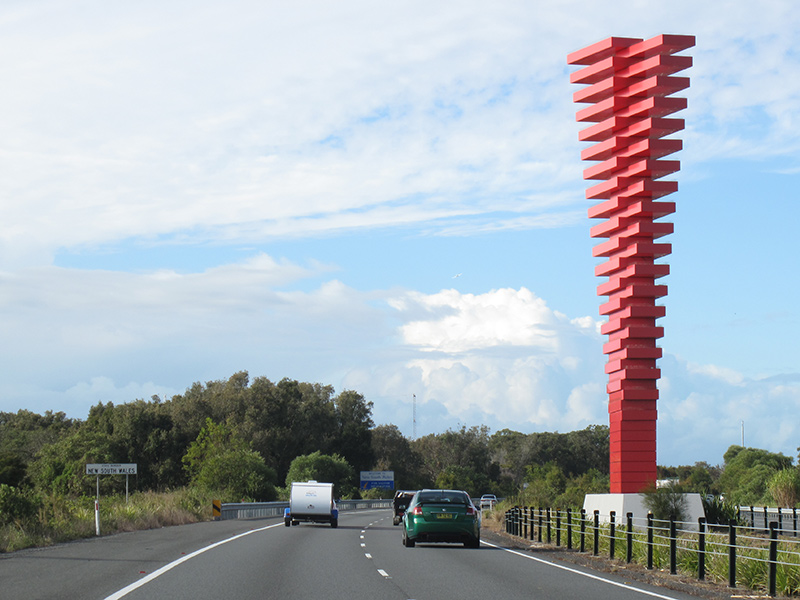
In normal times in the twenty-first century, cars drive straight across the borders without a pause; but still, when I cross into New South Wales on the Pacific Motorway, speeding past the big red border sculpture along the Tugun Bypass, or down through the rugged border mountains near Mount Lindesay, or at Wallangarra on the New England Highway, or Goondiwindi on the Newell, it feels like an event, with a little sense of visiting a foreign country; and crossing back into Queensland feels like coming home.

bradman red border sculpture Qld-N.S.W Border, Tugun goldcoastbulletin.com.au

In 1936, Queensland travellers were advised to obtain an Interstate Motorists Permit before travelling south. Dad’s family crossed the border at Mount Lindesay, and in Armidale, their first stop in New South Wales, according to Maurice’s journal they sought the cop-shop, where a policeman was persuaded to come out and search for engine-numbers, chassis-numbers etc., and to give us an interstate pass and windscreen sticker.

bradmanborder gate The Border Gate at Mt Lindesay Frank Hurley, c.1961

They slept that night on the floor of a fruit packing shed outside Armidale, on the property of a family friend. From then on, nights were spent in their tent in what were called Tourist Camping Parks, or at likely spots beside the road wherever it suited them, as you could do in those less regulated days.

In 1936, the population of Australia was less than six million. Now, over twenty million people call Australia home, driving nearly twenty million vehicles, and so we can’t just set up camp wherever we want to anymore.

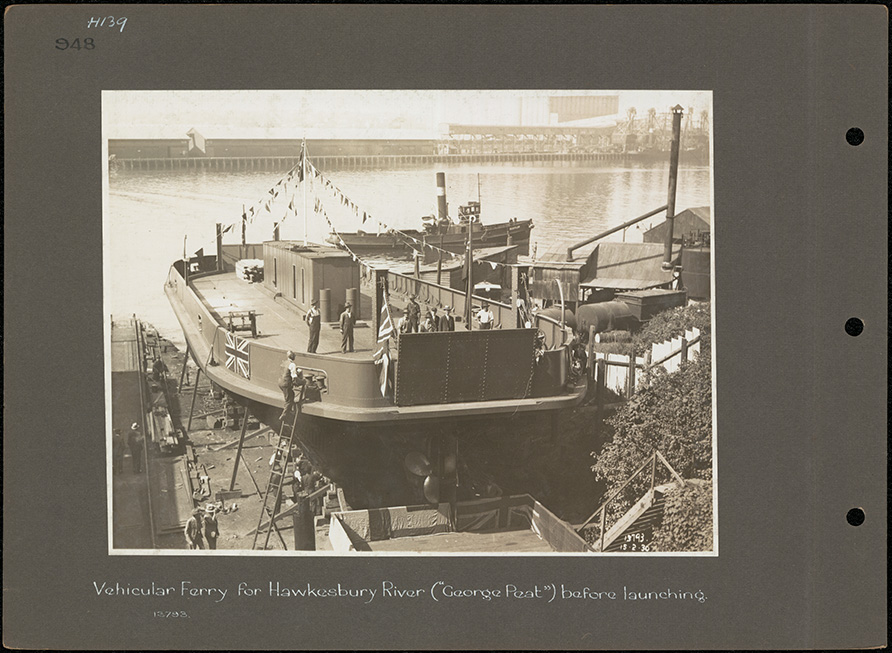
Roads were narrow and often steep and winding. Even major roads were rough and unsealed in places. There were many railway level crossings on the New England Highway; and instead of speeding high over the Hawkesbury River on the M1 as we do now, travellers crossed by Peat’s Ferry. It nine years later when the river was bridged at that point.

bradman peat's ferry 1930 NSW state archives Launch of the new Peat’s Ferry, 1930 records.nsw.gov.au

Thirty-seven other cars went on the ferry with the family’s Essex, and as they waited in line to board, Maurice and his brothers ate a bottle of local oysters, sold to waiting travellers by enterprising boys. Hawkesbury River oysters. That hasn’t changed.

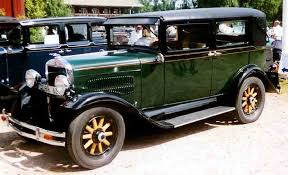
bradman 1931 essex Essex Super Six Model E, 1931 – probably the model used on this road trip commons.wikipedia.org

Road trip communications are different now, in ways that were unimaginable then. We use our phones to check directions and distances, traffic conditions and weather; to book accommodation, and listen to music, talking books and podcasts; all while travelling. To check weather conditions before heading to Mount Kosciusko, E.B. booked a trunk call to the weather bureau from Canberra Post Office, and to communicate with home they sent telegrams.

We’ve done over 100,000 kilometres in our Forester, with one puncture. We have it serviced every 12,000 kilometres or so. On highways, cruise control is set at 100 or 110 kph. Maurice and his family, on their 1936-37 trip of 3397 miles (5467 kilometres), changed three tyres because of punctures, stopped three times for grease-ups and oil changes, broke a spring, had the steering adjusted and repairs done to the trailer, and were pleased when on one straight road in Victoria they reached fifty miles (eighty kilometres) an hour.

As we all had to before the arrival of Bank Cards in the late 1970s, they’d sent specimen signatures ahead from their home branch of the Commonwealth Bank so they could withdraw money along the way. No ATMs or plastic cards then.

On 4 January 1937, Maurice and his group at last got to the M.C.G. to see Bradman. They arrived late. As Maurice put it, We went there on the day on which the world’s record cricket crowd – 87,000 – was present. We were among the 17,000 for which there was no room. We caught glimpses of the play – sometimes three quarters of a wicket keeper, or a single fieldsman and a patch of grass. One of the batsmen we could sometimes glimpse was Bradman.     

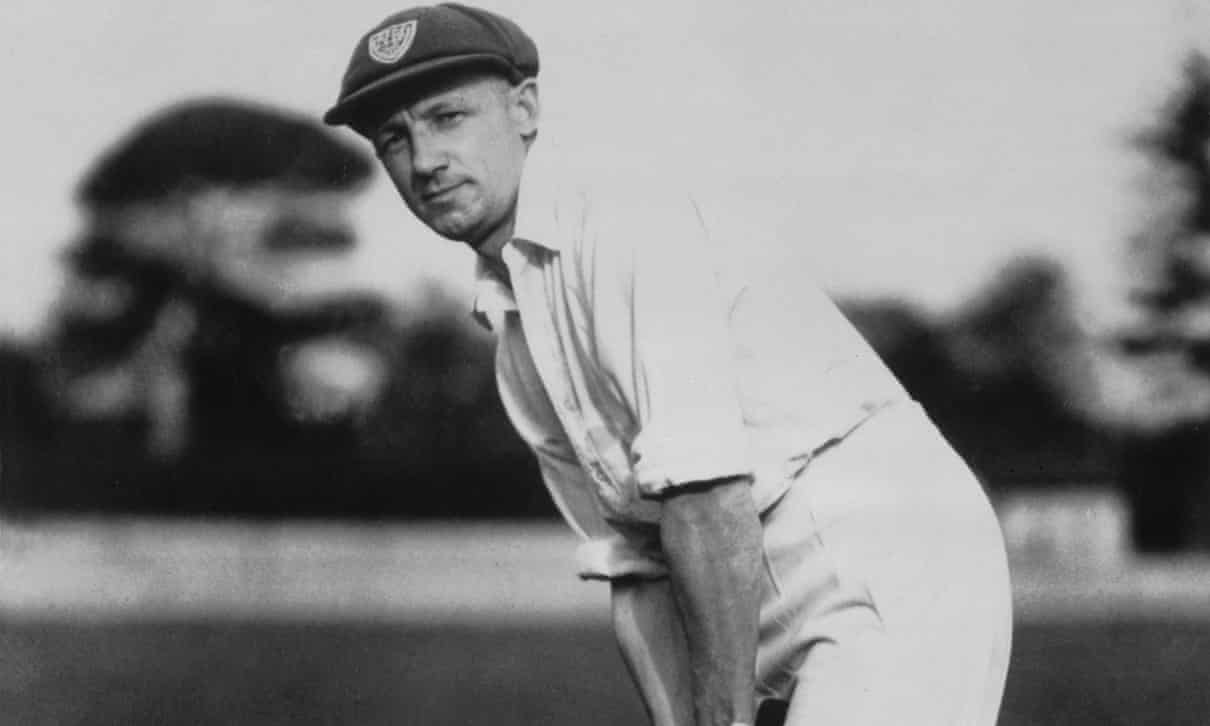
bradman Guardian Bradman at the crease, Third Test, second innings, Melbourne January 1937 20 Great Ashes Moments No. 4, The Guardian, 9 May 2013

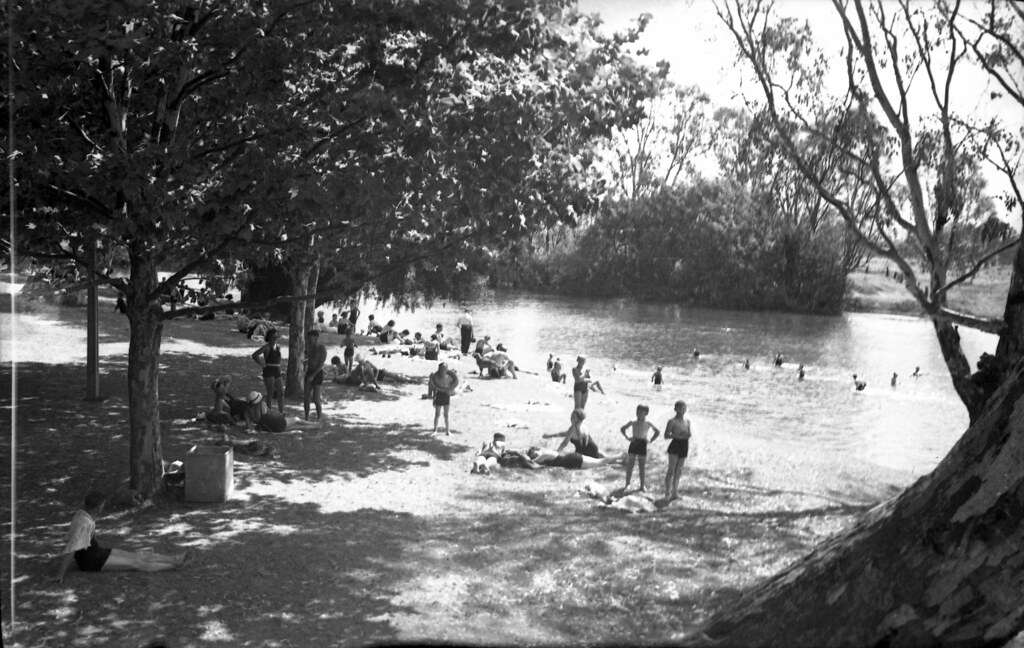
Next day they had to leave for home. With no car radio, they stopped along the way to hear the progress of the Test: in a café in Wangaratta, and again in a park at Albury, where people lay on the bank of the Murray in bathers, listening to the broadcast description of Bradman’s and Fingleton’s fine stand blaring forth from a speaker hung in a tree in the park.

bradman albury park The Murray River near Albury, 1930s. flickr.com

Next day, at a loudspeaker at a small refreshment stall at Hume Dam, we heard Bradman score the single which took his score to two hundred.

Bradman ended up scoring 270 runs – a record for a number seven batsman; and England lost the Test.

Sixteen days after leaving Nambour, Maurice and the family arrived back home. Maurice typed up the story, added maps and illustrations and had the journal sturdily bound.

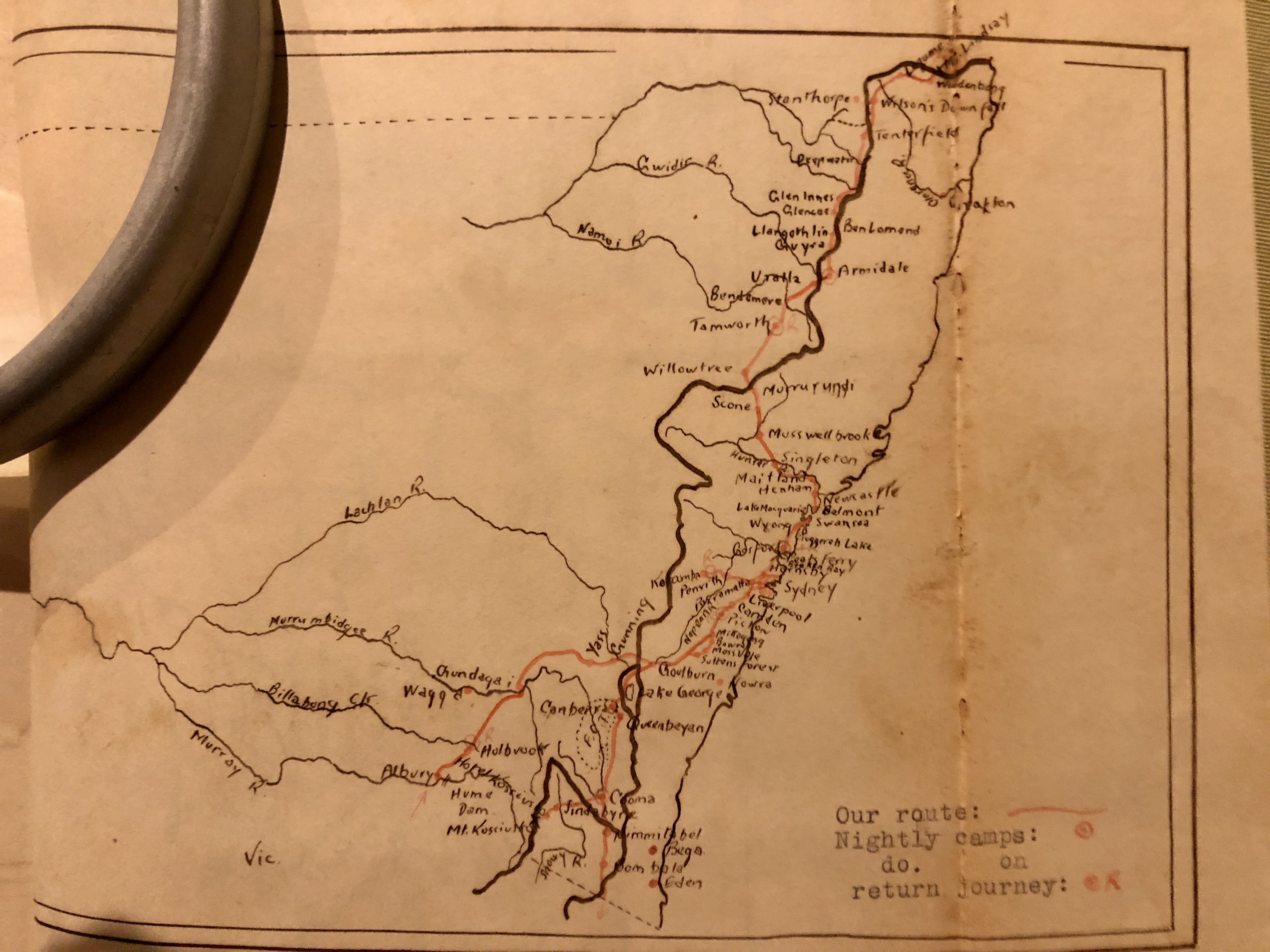
20F2E6FF-1839-4DEF-98BB-D370417D242C_1_201_a Maurice’s hand-drawn map of the journey through N.S.W.

A month later, he started university. Three years later, he joined the 2/26th infantry battalion. He shipped out of Melbourne in 1941, bound for Singapore, part of the troop build-up in the face of the threat of invasion by Japan.

The following February, Singapore surrendered to the Japanese Imperial Army, and in 1943 Maurice was among the thousands of prisoners of war who were packed into rice wagons and taken north by train to work as slaves, building the infamous Thai-Burma railway.

In October 1945, twenty-seven years old, thin, jaundiced and exhausted, Maurice came home again to Nambour, to Mum, and to their little son.

At once, he bought a new car; and within two years, he and Mum were off on another road trip – the first of a new generation. My earliest memory is standing in the back seat of that little car, as kids did in those less regulated days, looking between my parents’ shoulders at a long, narrow road leading off into the distance.

My Dad got me addicted to road trips early. I’ve never gotten over it.

Blog at WordPress.com.

Up ↑