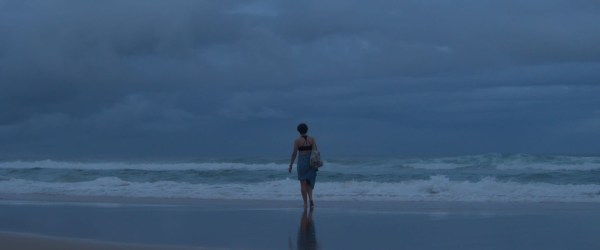
Beach Houses

“Why don’t we have a beach house?” Lizzie wants to know. “Our families used to have beach houses. Currumbin, Maroochydore, Alexandra Headland, Yeppoon. Where did they all go?”

That happens with real estate. Life changes and financial situations get in the way.

“If only they’d held on to that house/that piece of land – it would be worth millions now,” we say.

Queensland has 13,347 kms of coastline, including its 1,955 islands, and 715 recorded beaches. (ozbeaches.com.au)

Over 70% of the population lives within twenty kilometres of the coast.

We go to the beach a lot.

This said, much of the coastline is lined with mangroves and mud, isolated, and infested with crocodiles and stingers, and because it is sheltered by the Great Barrier Reef and the islands has no surf. Great for fishing; not so great for swimming.

These days, owning a house near any actual sandy surf beach along the Queensland coast, from Yeppoon to the New South Wales border, is for the wealthy.

Last century, development along the coast was nothing like it is today. My mother’s father, Fred, was manager of a sheep station outside Barcaldine, 620 kms to the west, and he bought a house at Yeppoon. According to my aunt, who remembered it from her early childhood, it was a traditional timber house on the side of the hill, looking out over the sea, with a steep path down to the beach.

Like many Central Western Queenslanders, my mother’s family regularly holidayed at Yeppoon and nearby Emu Park. They took the train from Barcaldine, changing trains at Rockhampton and continuing down to the coast. Today, the railway line to Yeppoon has gone.  
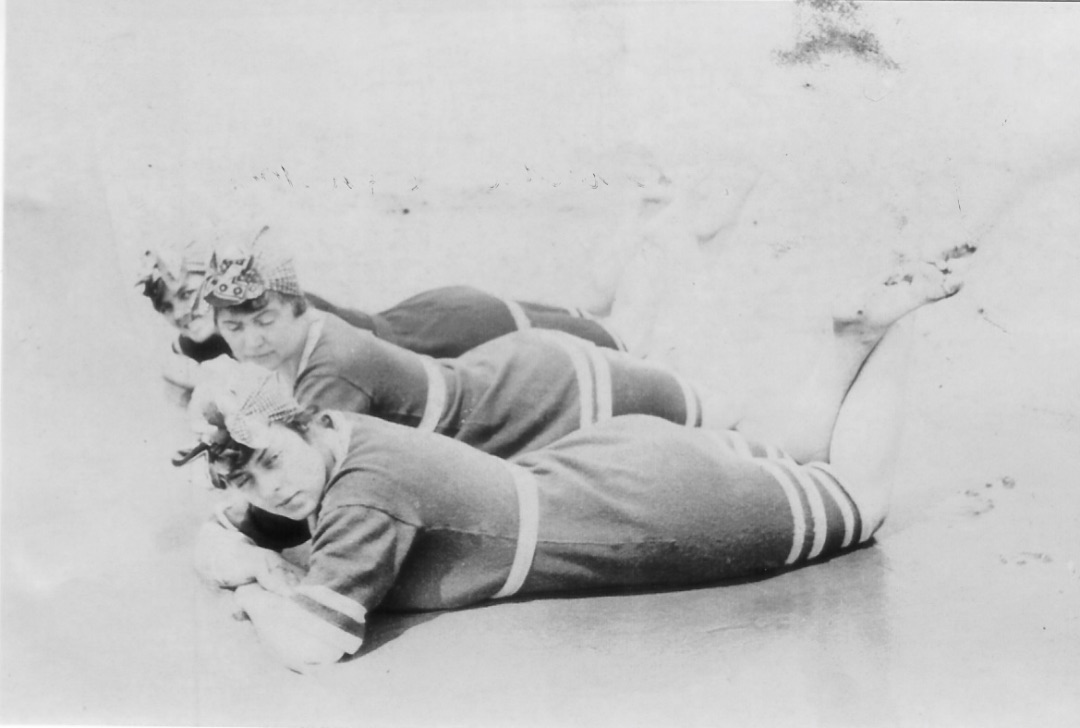
Emu Park, 1910s. My grandmother Phyl at the back, with her step-mother and sister

Now Yeppoon is a modern beach resort town, with spectacular houses and apartments listed on Airbnb; many of them, no doubt, occupied still by holiday makers from the Central West. Fred’s old family house would have been demolished years ago.

Fred and Phyl ended their lives back at the seaside, with a house on the hill at Currumbin Beach: a nice house with a three-bedroom flat under it for visiting family, and a fine view down to the sea and Elephant Rock, where we used to play and climb.
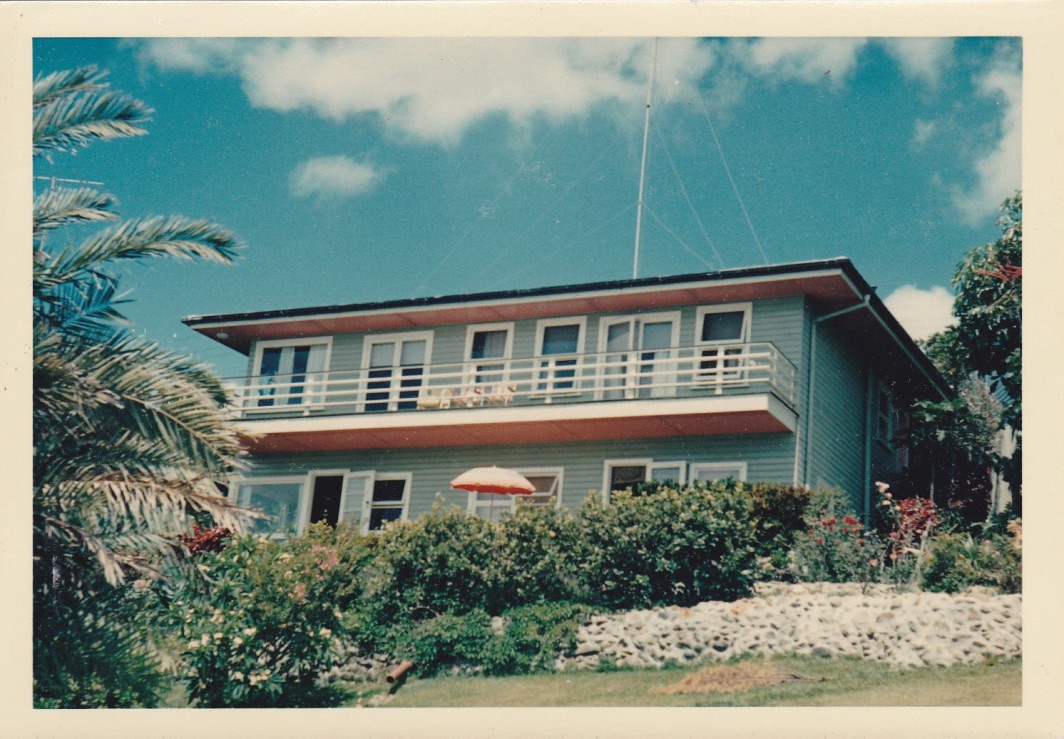
My grandparents’ Currumbin house, now gone

When Fred and Phyl died, the house was sold and demolished. Townhouses were built on the block.

Our earliest family beach house was built in the early 1900s, at Bribie Island, on the Pumicestone Passage side (now known as Bongaree), not far from where John Oxley had moored his small ship just eighty years earlier, and Matthew Flinders before him. The family would travel there on the excursion boat “Koopa”.
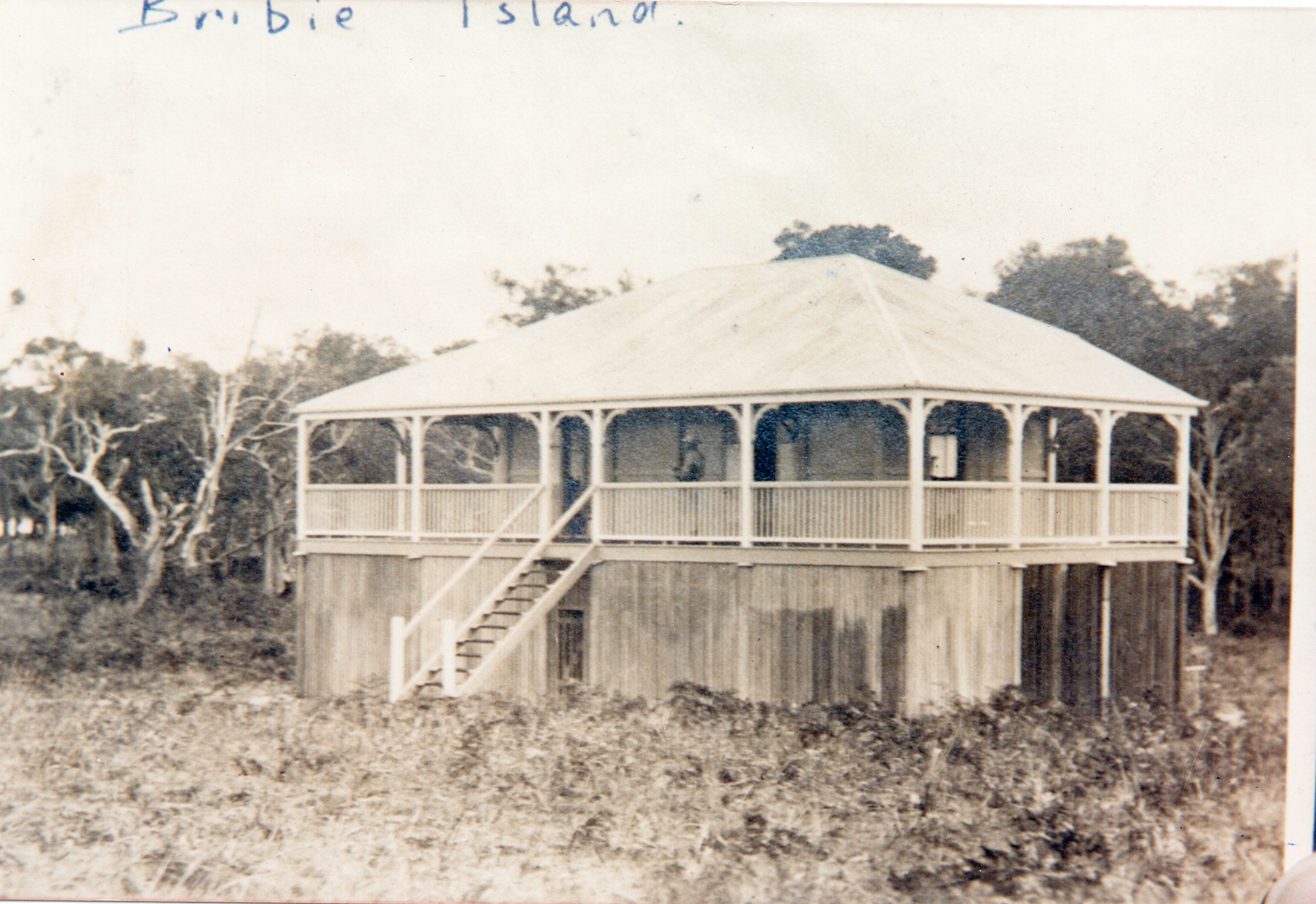
My great-grandparents’ house at Bribie Island, early 1900s

The house was built by my father’s grandparents, who loved boats and the seaside, and spent time sailing on Moreton Bay.
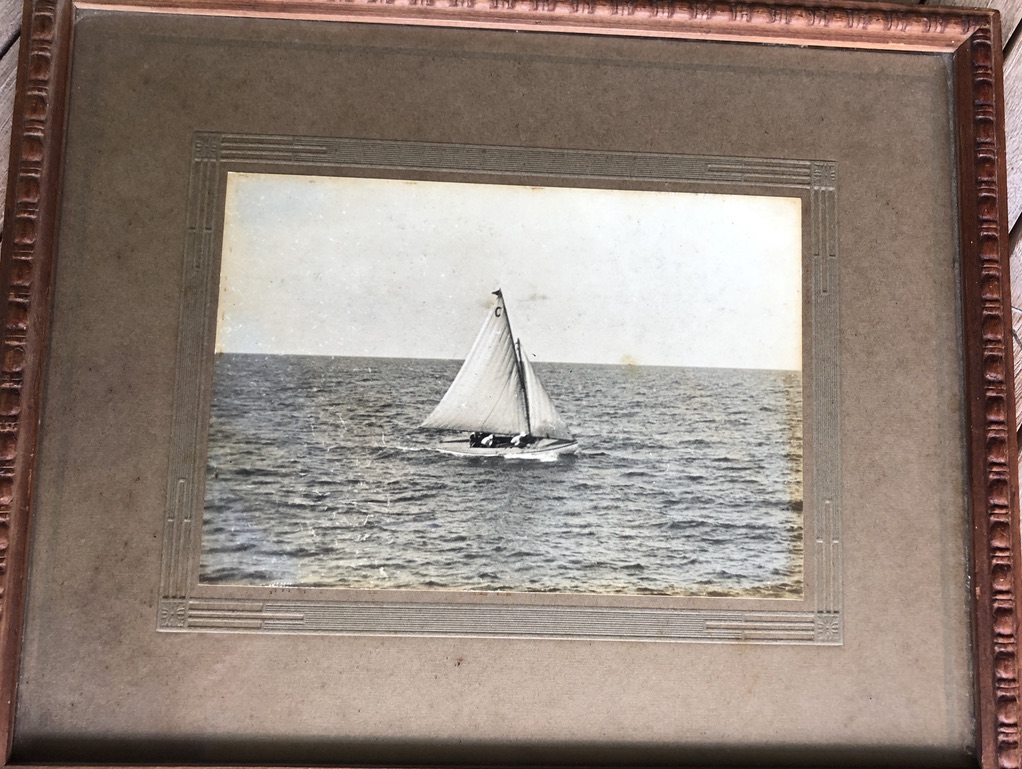
That family sailing boat on Moreton Bay

The old man, my great-grandfather, was descended from a ship’s pilot from Kent.

These things go down the generations. Maybe that’s where Lizzie’s love of the water comes from.
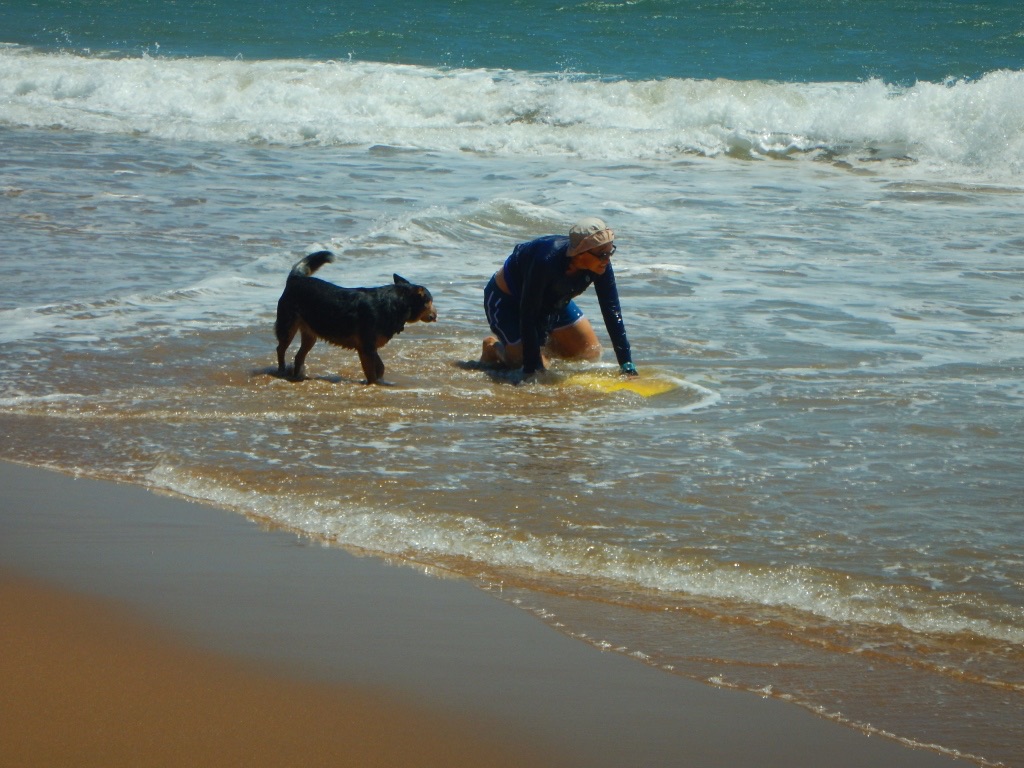
Lizzie and Buster loving the water at Agnes Water

My father’s parents had a north-facing house on Alexandra Headland from the 1920s or earlier, when the Headland was almost bare of buildings but covered in coastal scrub.
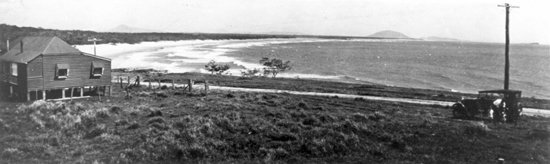
The Coast House, Alexandra Headland, around 1920s

The Alexandra Headland house, known to the family as the Coast House, had timber shutters propped out by struts instead of windows, a dunny out the back and a cold shower under the tank stand, and a view along the beaches as far as Noosa Heads. I remember lying in bed in the little verandah room, with a row of shells on the windowsill and the sound of waves crashing on the rocks below. Lizzie would have loved it.
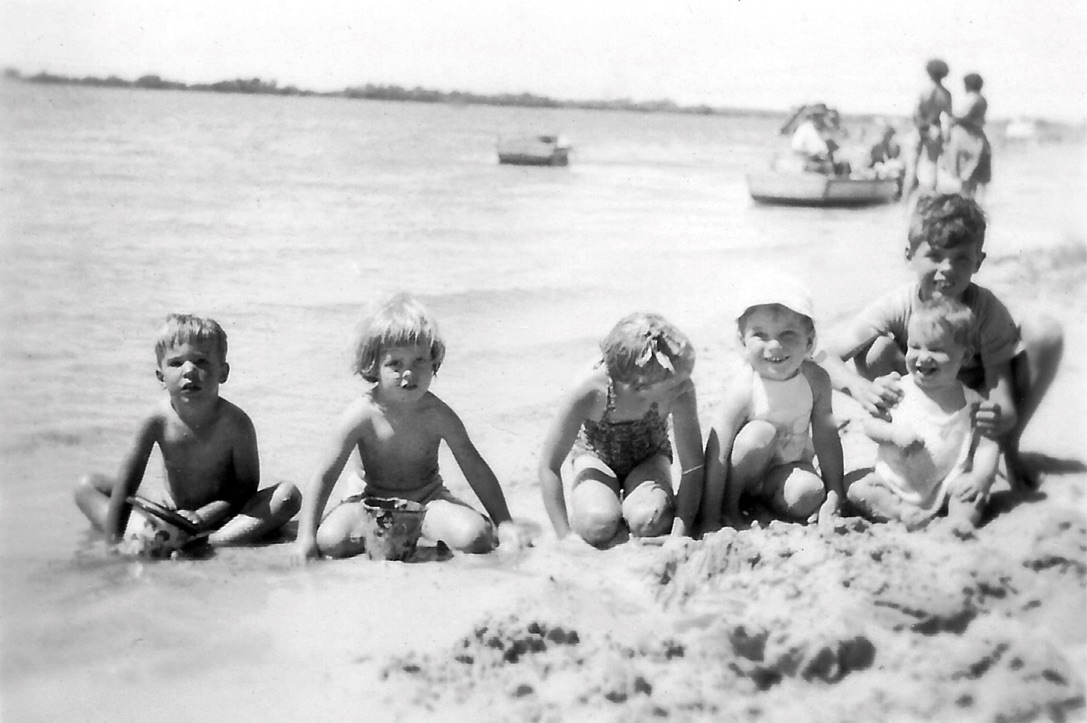
With my cousins at the beach, early 1950s

As a teenager my father was a member of the Alexandra Headland Surf Club, even leading the club team at surf carnivals. Many family get-togethers happened on that beach, up until my grandmother died in the 1970s and the house was sold. An ugly brick apartment block occupies the site now.

We still visited Alex for our holidays though, camping in the Caravan Park.
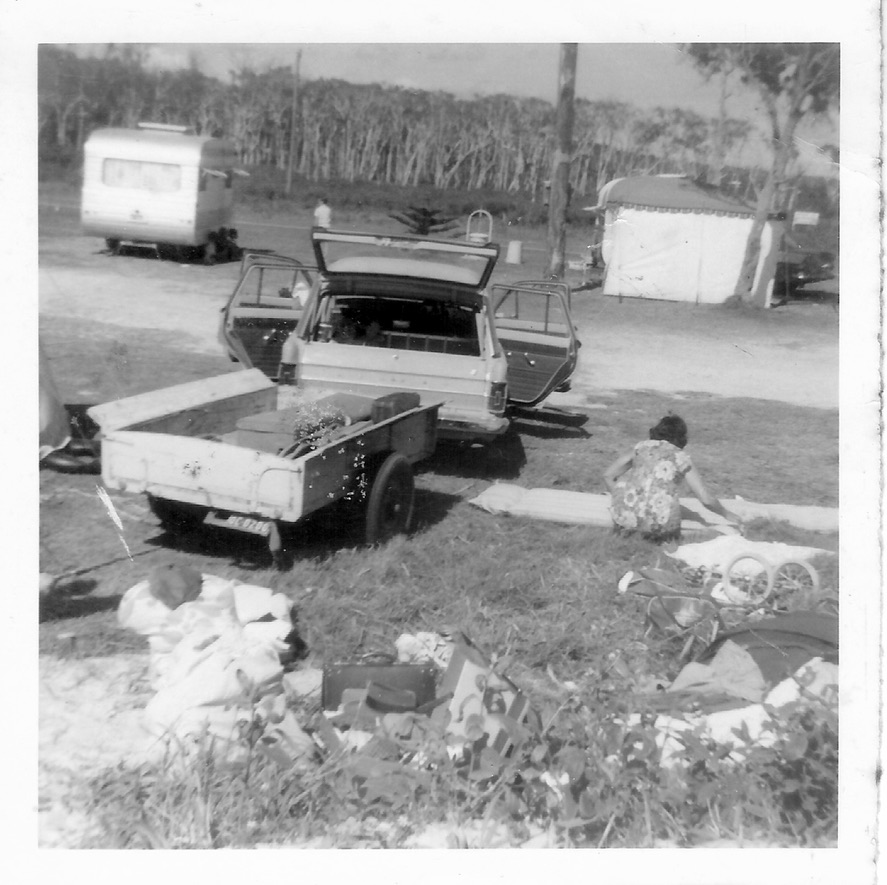
At Alexandra Headlands Caravan Park in the early 1960s. My mother packing up the tent

In the 1950s my parents bought an old timber house on a dirt road running along the Maroochy River. It had two bedrooms and a sleepout, an enclosed verandah, and a kitchen with an ice chest. Dad concreted under the house and installed a cold shower down there. The dunny in the back yard was sheltered from view by an enormous purple bougainvillea, and there were possums in the ceiling. We called that house Toad Hall, and we loved it.
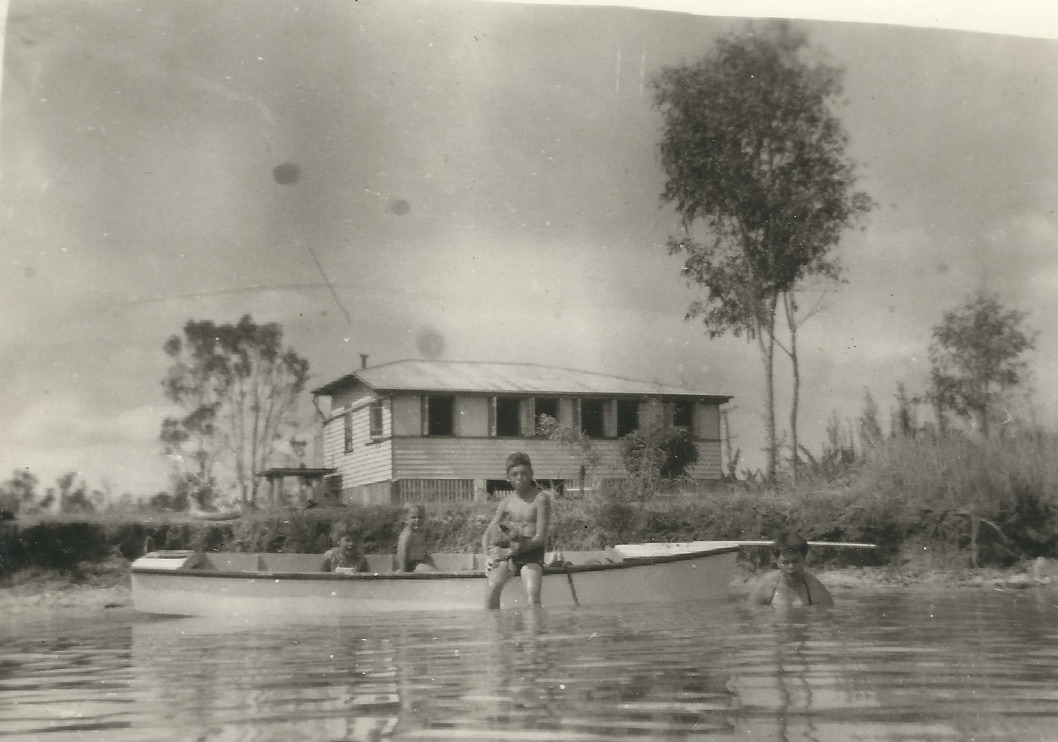
Toad Hall, on Maroochy River, with my brothers in the old boat. My mother in the water

We swam in the river, jumped off the jetty, and went sailing in our new boat.
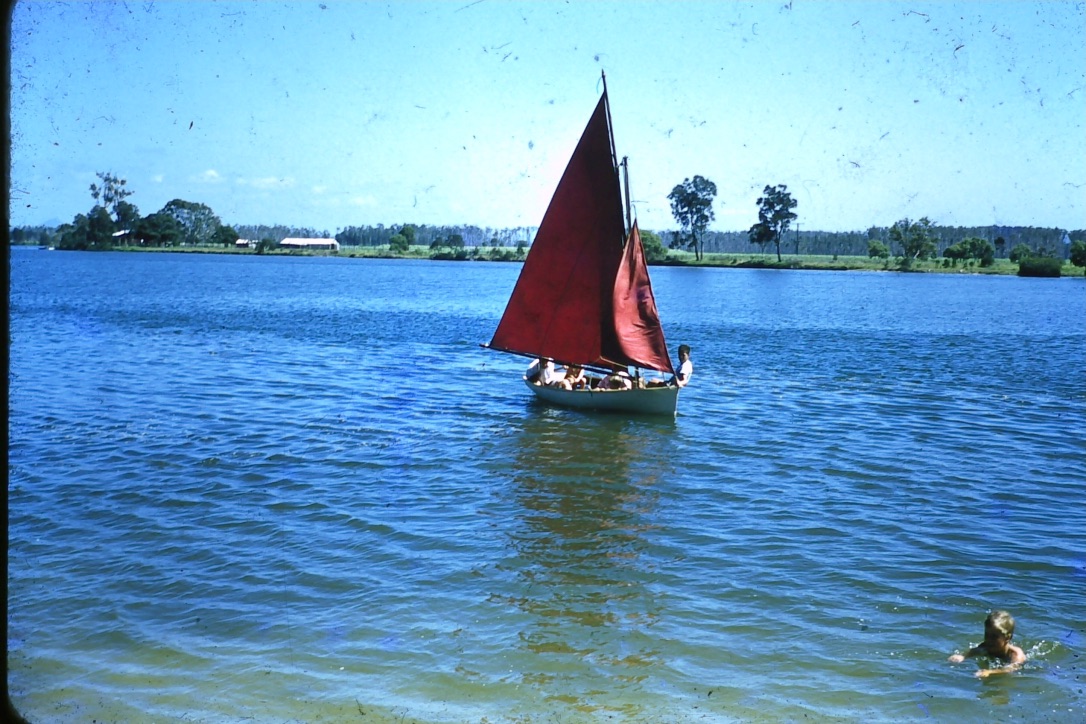
My mother made the sails, and dyed them red, to go with the popular song: “Red sails in the sunset, way out on the sea, please carry my loved one home safely to me…”

After working all week, my father would complain about having to spend half of Saturday mowing the lawn at Toad Hall. That’s the downside of owning a beach house: the maintenance.

Toad Hall was sold when we moved to Brisbane and it survived for many years on Bradman Avenue before progress came along and the house was demolished. Apartments were built on the site.

One Christmas I went searching for a family holiday house to rent, on the coast, in the southeast corner, and I had to go as far north as Agnes Water before I could find one that would fit us all. It  was a couple of blocks back from the beach, with “ocean glimpses” from its verandah.

In the resort towns on the Sunshine and Gold Coasts, there are fewer waterside holiday houses now. It’s nearly all apartments.

Where would Lizzie have to go, to buy a beach house with ocean or water views?

And what would it cost?
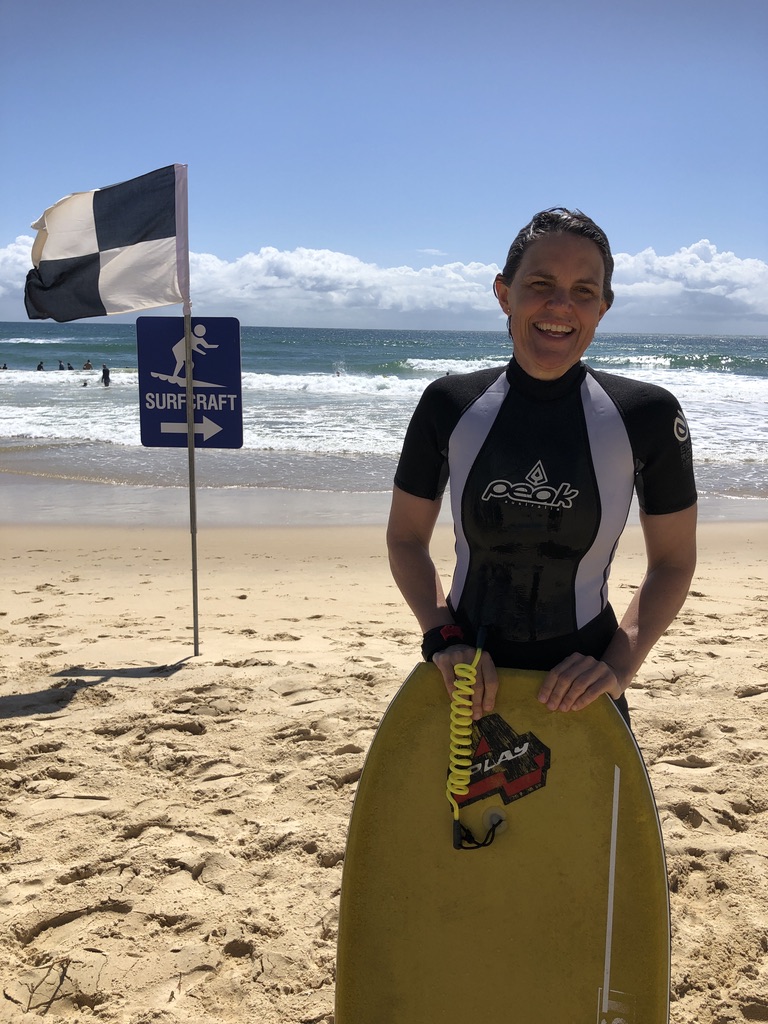
Lizzie at Maroochydore Beach

Reading Queensland

I like reading books about places. It adds extra layers of enjoyment to my travels, in Queensland and beyond. They can be learned and literary books, or lighter romances and mysteries; but sharing in the experiences of others, especially when they’re good observers, helps me to get under the surface of a place.

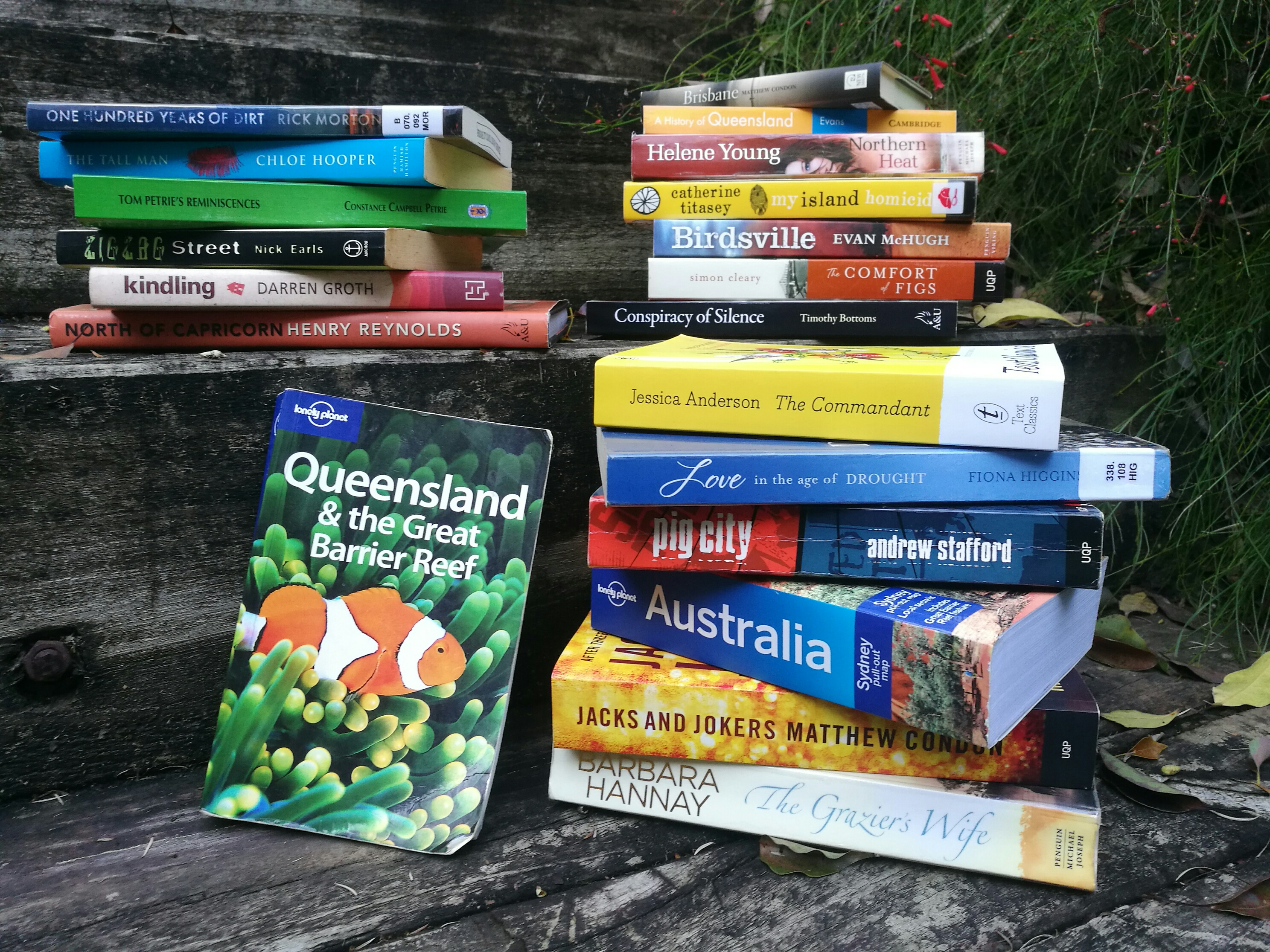
These are just a few of my favourite books about Queensland.

Please add other titles in the comments section. I’m always looking for more.

IMG_20180910_161225_resized_20180910_041345488

Fiction

  • “The Commandant”, Jessica Anderson. Fine, literary, perceptive novel of convict imagesBrisbane under Captain Logan. Brutality and death in the penal colony as observed by the Logan womenfolk. 


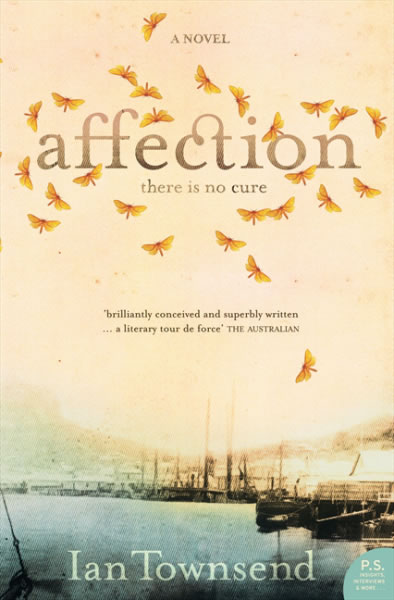
  • Affection”, Ian Townsend. 2010. Historical novel set in Townsville in 1900 when the affectioncity was under threat of the plague. Doctors enforce unpopular measures to prevent it. (Dilemma of scientists: if they succeed in preventing a threatened disaster, people will say it wasn’t a danger in the first place.)


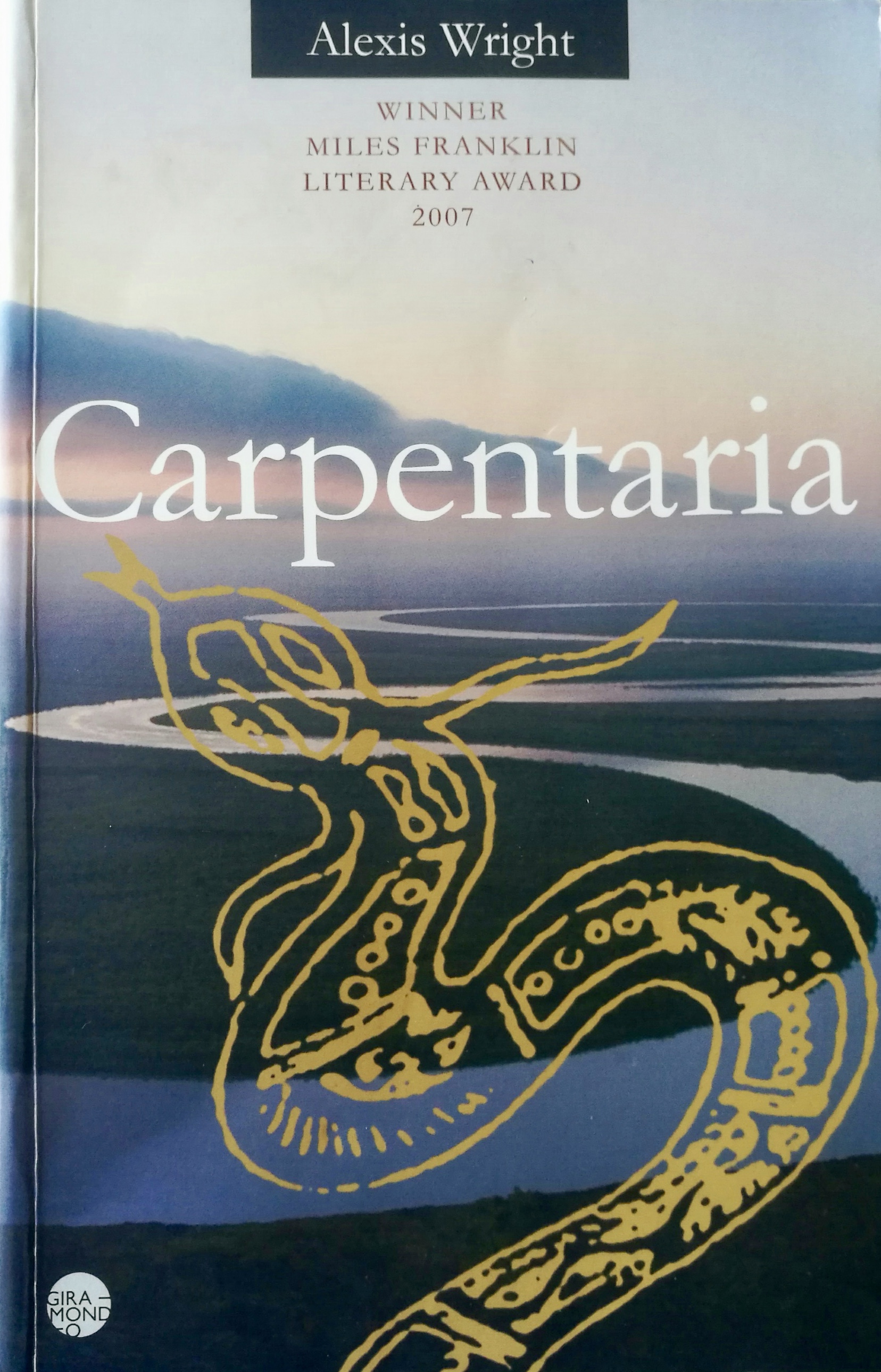
  • “Carpentaria”, Alexis Wright. A magnificent literary saga of the Gulf of Carpentaria, written by an Indigenous Australian with a unique and fullsizeoutput_3e0caccomplished voice and an authentic image of the land, its people and its mythology. In the tradition of Xavier Herbert.


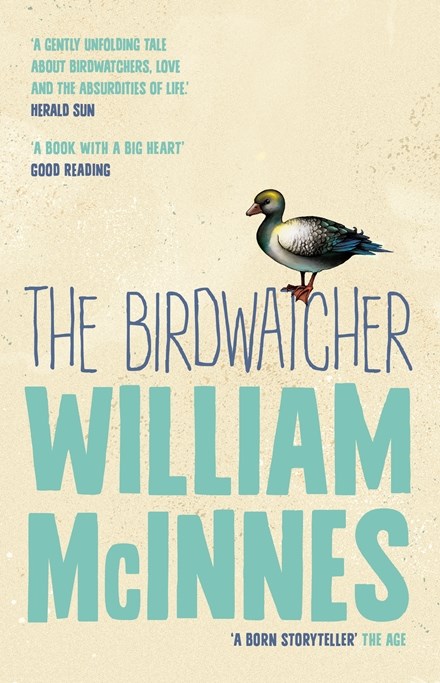
  • “The Birdwatcher”, William McInnes. A sweet, wise, grown-up love story set in Far 9780733632976North Queensland. Some ‘60s nostalgia, poetry, and lots of birds.


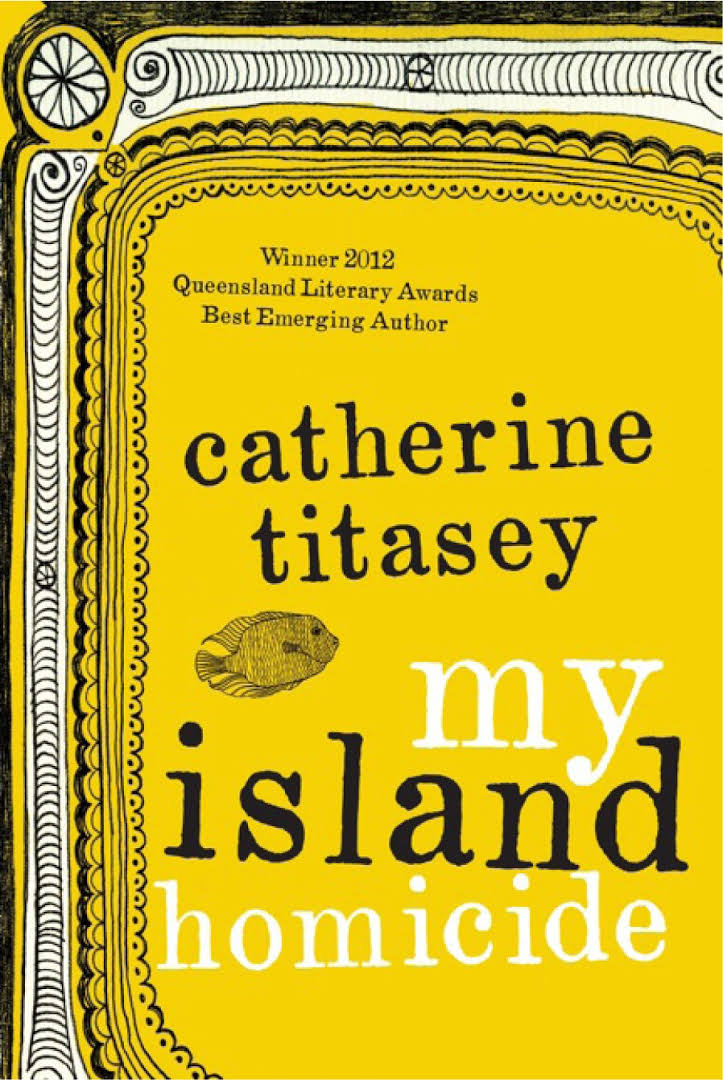
  • “My Island Homicide”, Catherine Titasey. Set on Thursday Island, this is a likeableimages romance/detective novel. Authentic language and background in a fascinating part of Queensland.


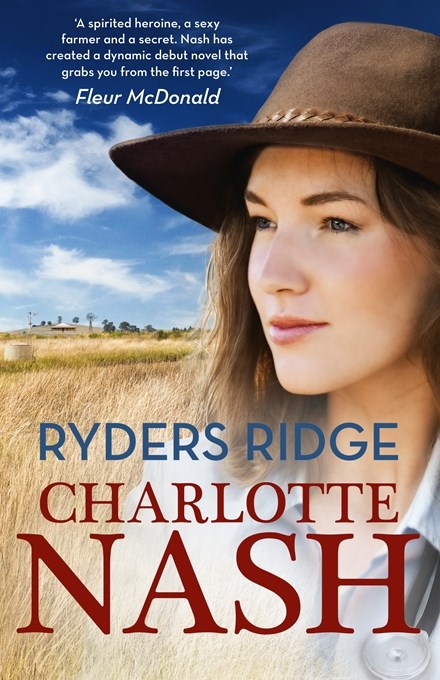
  • “Ryders Ridge”, Charlotte Nash. An enjoyable rural romance set inryders north-west Queensland. Red dirt, big hats, doctors.


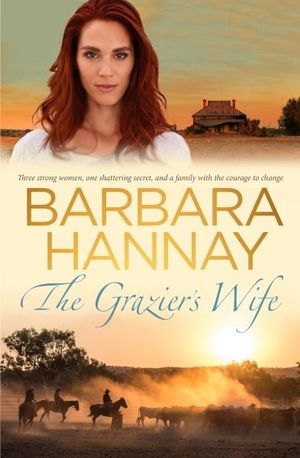
  • “The Grazier’s Wife”, Barbara Hannay. 2017. A multi-generation rural romance setthe-grazier-s-wife on the Atherton Tableland. Cattle, rainforest, Singapore, antiques, a secret will.


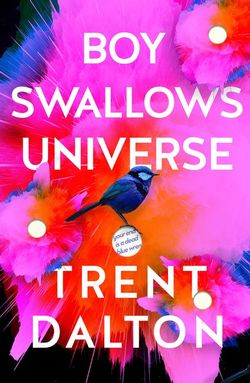
  • “Boy Swallows Universe”, Trent Dalton. 2018. Enjoyable, scary, boy swallowsuplifting, suspenseful story of growing up in a crime-affected family in Brisbane. Darra and Bracken Ridge, Boggo Road Gaol and City Hall. Violence and love.


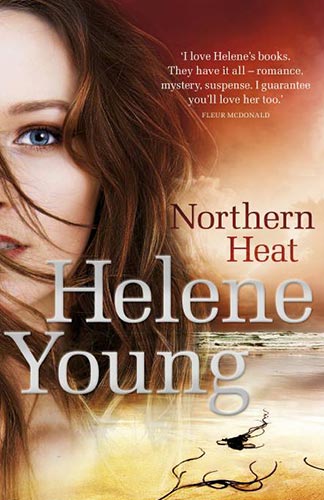
  • “Border Watch”, Helene Young. 2011. A FNQ romantic thriller Northern-Heat1written by an ex- airline captain and Border Patrol pilot. One of several novels by this author set in Queensland including “Safe Harbour”, 2014, and “Northern Heat”, 2015, which is set in Cooktown.


Non-fiction

  • “Lonely Planet – Queensland and the Great Barrier Reef”, and “Lonely Planet – Australia”. The first covers the tourist areas and the coast; the second covers the inland areas of the state. Lots of interesting local information.


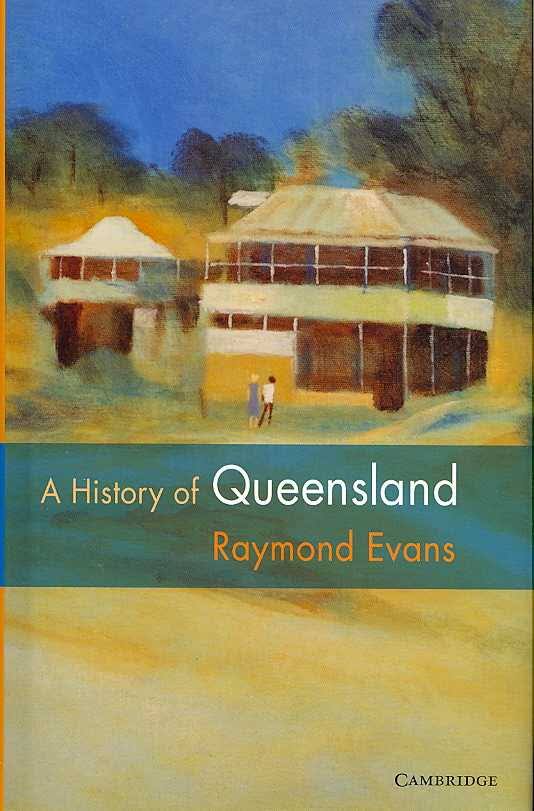
  • “A History of Queensland”, Raymond Evans. 2007. Interesting scholarly in-depth account by a well-known historian ofimages Qld life and development from earliest human habitation to the 2000s. 


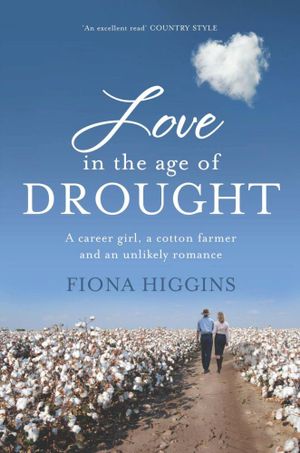
  • “Love in the Age of Drought”, Fiona Higgins. 2009. The memoir of a loveSydney woman who marries a farmer from Jandowae, on the Northern Darling Downs. Love, drought, life in a small town, the black soil plains west of the Bunya Mountains. I lived here as a teenager.


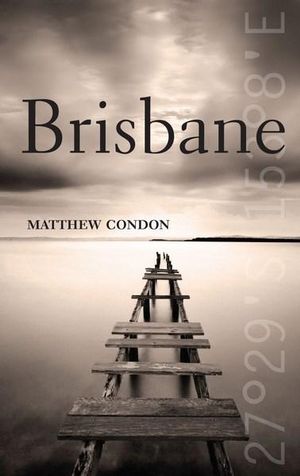
  • “Brisbane”, Matthew Condon. 2010. Affectionate, memoir-style look at Brisbane, its history, condon brisbanearts, way of life and unique qualities as a lively sub-tropical city, by a journalist who knows the city well: its good and its bad. (Part of the “Secret Life of Your City” series about State Capitals.)


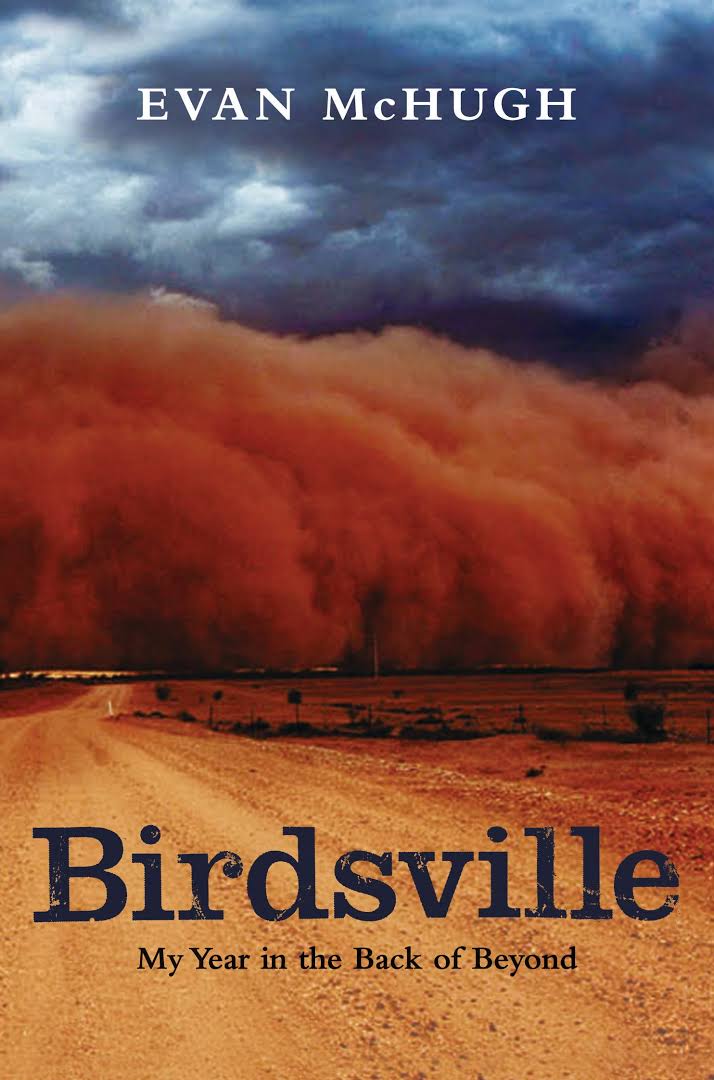
  • “Birdsville”, Evan McHugh. 2009. Dust storms, bogs, sand dunes, race meetings, rescues,images locusts, building a golf course in the desert: a Sydney freelance writer and his graphic designer wife spend twelve months in Birdsville.


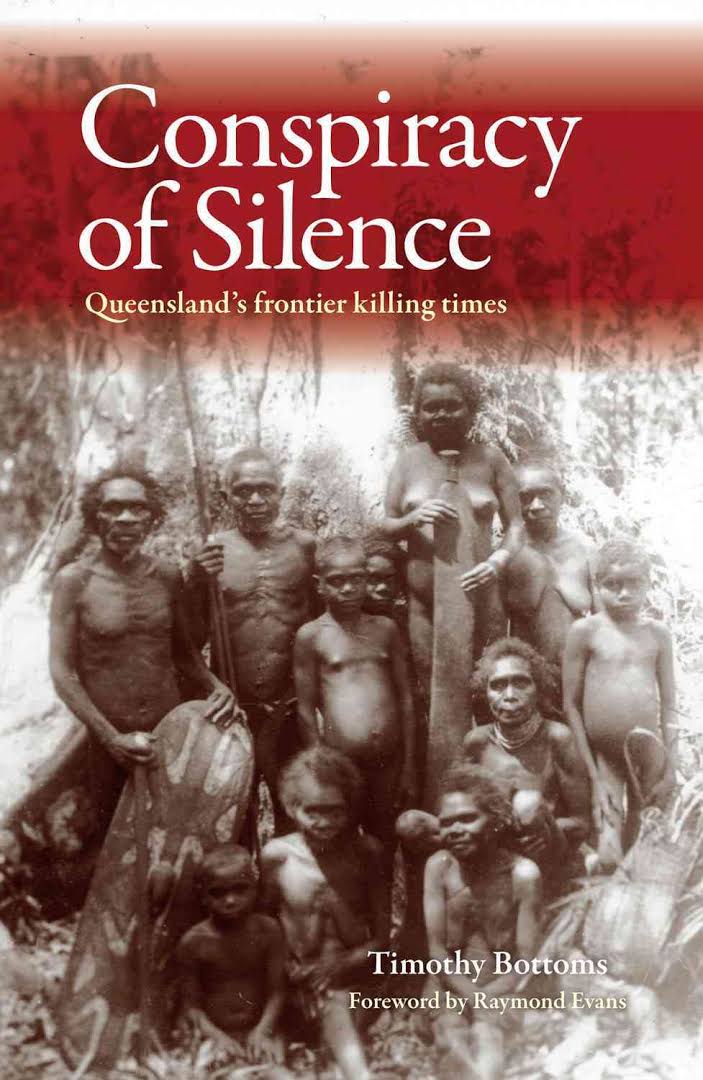
  • “Conspiracy of Silence: Queensland’s frontier killing times”, Timothy Bottoms. 2013. imagesHarrowing account of the acts of violence that accompanied pastoralists’/investors’ seizure of Queensland pastoral land from Aboriginal inhabitants.


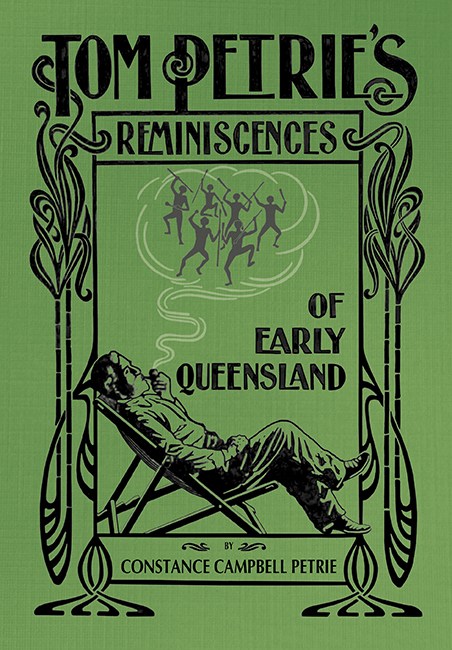
  • Tom Petrie’s Reminiscences of Early Queensland”, Constance Campbell Petrie. tom petrieRe-published 2014. This important 1904 book details life in Brisbane and South-east Qld from 1837, when little Tom Petrie arrived at the convict settlement of Moreton Bay with his family. Local Aboriginal people, their foods, customs and language, as well as convict life and early white exploration.


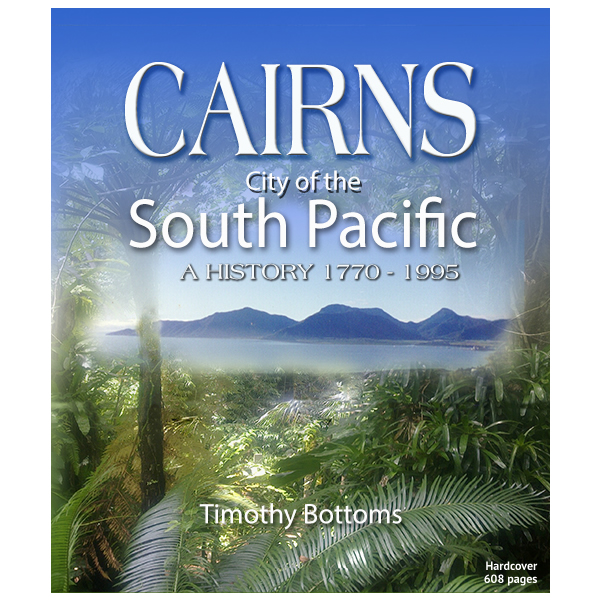
  • “Cairns: City of the South Pacific. A history 1770-1995”, Timothy Bottoms. cairns-city-of-the-south-pacific-history-productInteresting, ambitious, detailed work.

Blog at WordPress.com.

Up ↑