On 10 January 2011, we took a train from Brisbane to Sydney, a trip of thirteen hours. All day we travelled through beautiful country, lush and green after a summer of plentiful rain. At our hotel in Woolloomooloo, we turned on the television.
On the screen was a vision of brown, surging floodwater pouring through streets, cars floating and tumbling and people clinging to trees waiting for swift water rescuers.
“Scenes of disaster in a flash flood in Toowoomba”, the commentary said.
“Toowoomba? That can’t be right. Toowoomba doesn’t have a river. It’s on top of a mountain range,” we said. That’s what everyone said.
Days of heavy rain had brought a wall of water rushing down through the Toowoomba CBD. Four people died. A YouTube video shot by a local shows the power of the flood. https://www.youtube.com/watch?v=iCEs0kpF1Z8
We’d driven through Toowoomba many times, down James Street and across East Creek, a minor creek running down a concrete channel through mown parkland. Now, a woman had been washed off that crossing in her car and drowned.
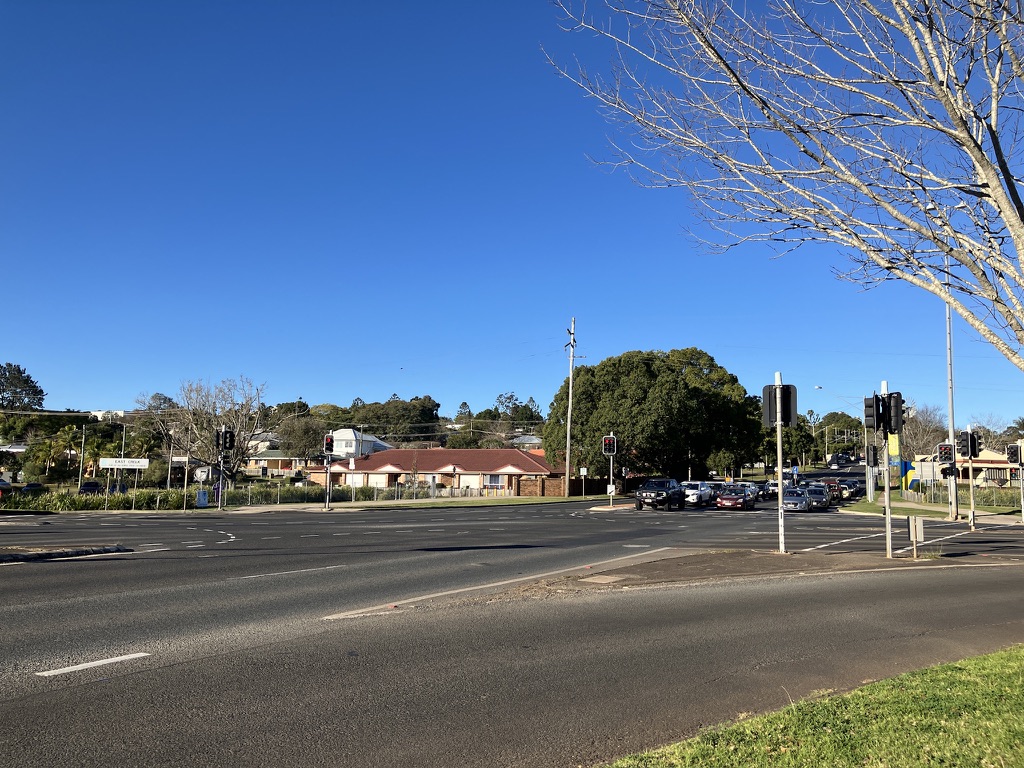
Two creeks run through Toowoomba: East Creek and West Creek, converging in the central shopping area. For much of their length these creeks run through concrete channels and culverts, and it’s easy to forget that this was once swampland. The first town established here was not Toowoomba but Drayton, on higher ground to the southwest.
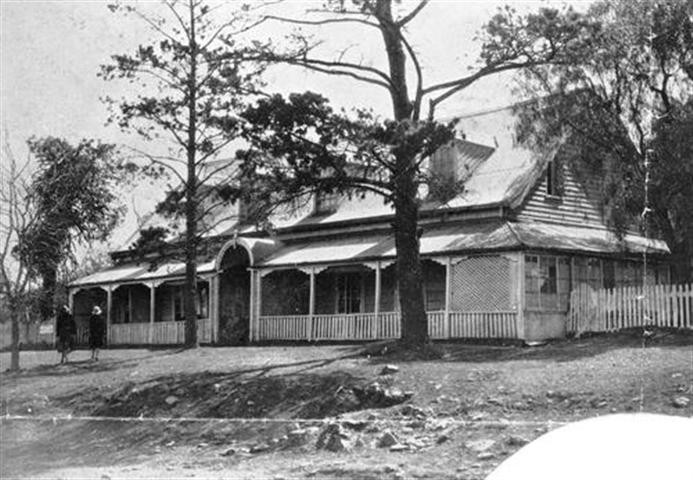
Toowoomba itself was originally called The Swamp.
Toowoomba, 130kms from Brisbane on the Warrego Highway, is where the West meets the Coast. It’s known rightly as the Garden City. People drive up from the humid coastal strip to enjoy the cool air and the beautiful temperate climate gardens.
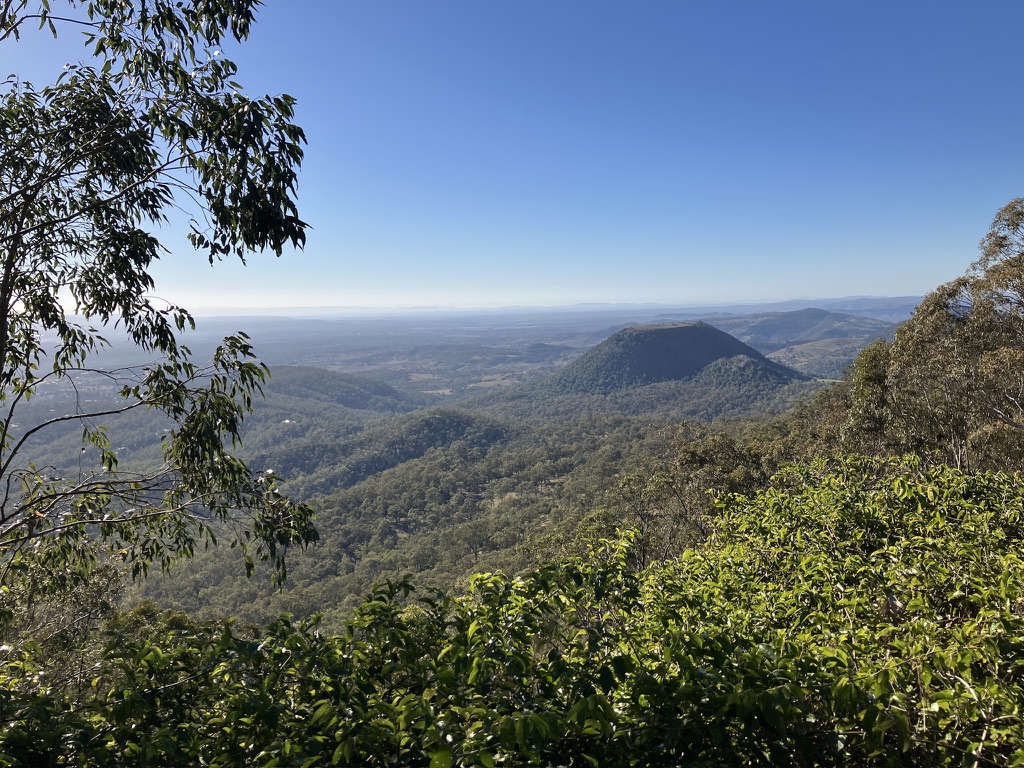
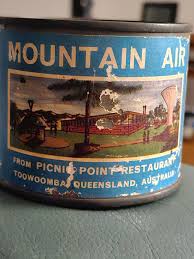
When I was young you could buy cans of “Mountain Air” at Picnic Point, where the view down towards the coast is often obscured by a haze of humidity.
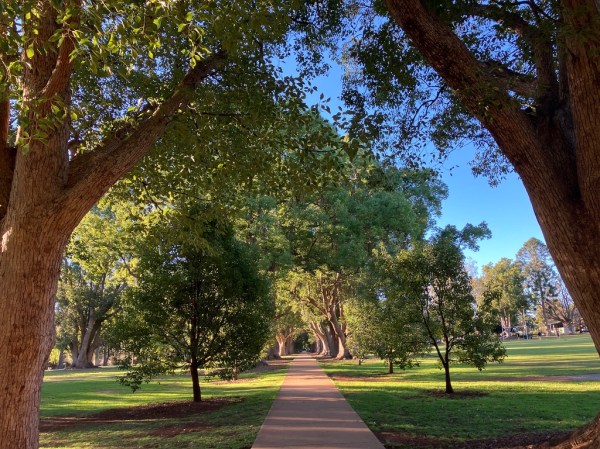
Old Toowoomba streets are lined with camphor laurel trees bringing a distinctive charm.
The camphor laurel is an invasive species that has taken over Brisbane creeks and much of the Northern Rivers region of New South Wales. In Toowoomba, with its cooler, drier climate, these huge old trees are treasured.
An avenue of camphor laurels runs through the middle of Queen’s Park towards the Botanic Garden, and when an old tree dies or is removed it’s replaced by a young one. There must be a nursery for camphor laurel trees here, specially raised for the purpose.

The famous formal floral displays of Queen’s Park Botanic Garden bring crowds every spring to the Carnival of Flowers.
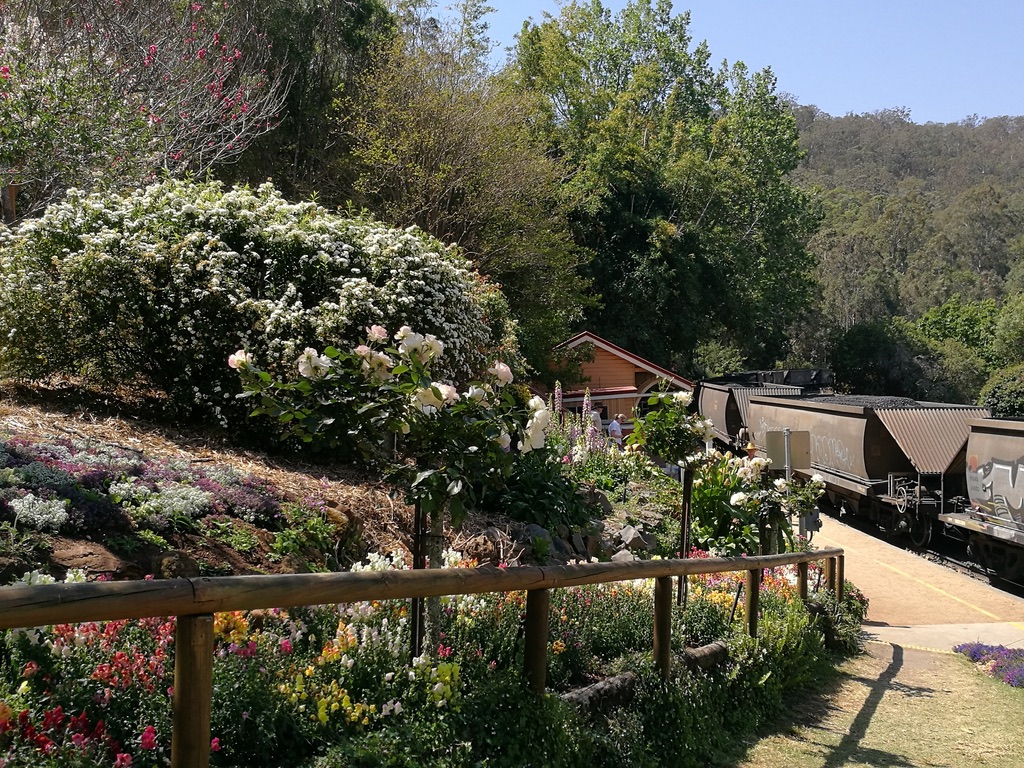
The Toowoomba district puts on a beautiful face for the Carnival of Flowers, including parks and private gardens and nearby villages and towns. The gardens of Spring Bluff Railway Station, fifteen kms from the city on Murphy’s Creek Road, are beautiful at any time of the year.
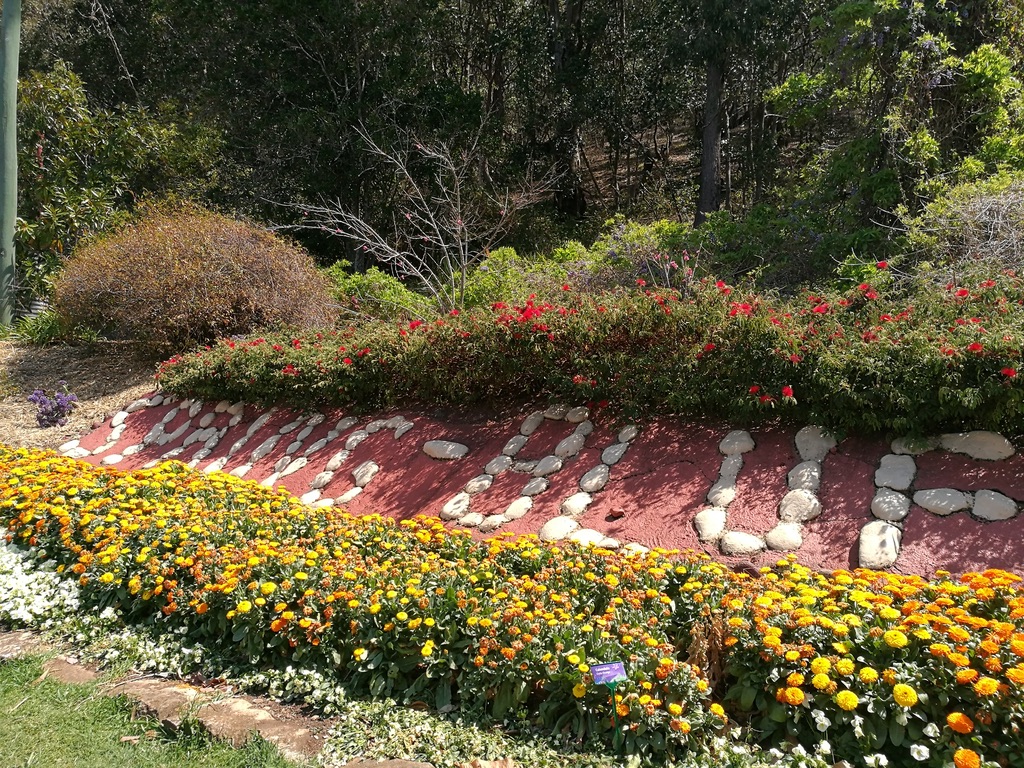
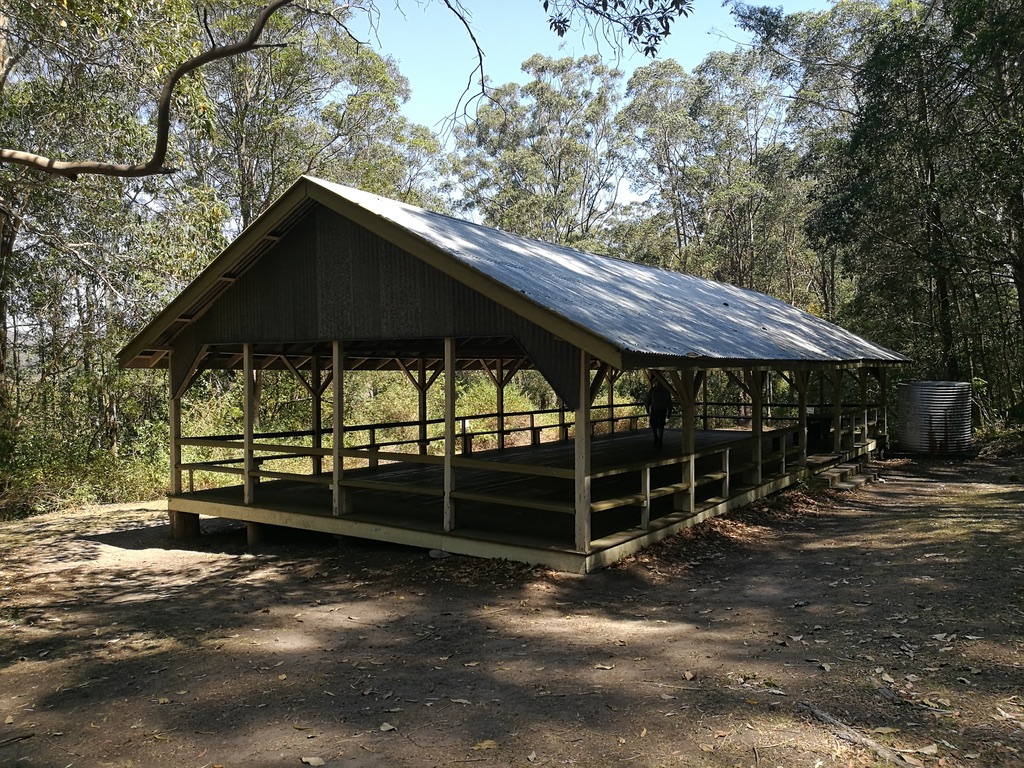
At Spring Bluff, the Westlander train line from Brisbane to Charleville curves up the steep range and past the long-closed station. Flower beds surround the buildings, in full bloom during the Carnival of Flowers all the way up to the old station master’s house, now a café. Further up the hill is a lonely cricket field and a wonderful 1907 timber dance hall, unlit and open to the breezes.
This line also services the coal mines north and west of Toowoomba, and when you visit the station, you’ll likely hear a long coal train rumbling up the track with empty wagons or hauling a full load past the station and down towards Brisbane and the port.
Toowoomba sits on the rich farmlands of the Darling Downs, and expansion of open-cut coal mines across the farmlands causes endless controversy.
Queensland’s regional cities have always been places where western people come to retire. Here they can access facilities for which they have had to travel long distances in their earlier, working lives: shops, entertainment, social groups and health services.
For the farm and station children further west, primary schooling can be had at a local state school if they’re close enough to town; or at home via the School of Distant Education if there is a parent or employee to help them with their lessons.
When kids reach secondary school, many families choose boarding schools in Brisbane, or in the regions: Cairns, Townsville, Rockhampton, Yeppoon or Southport. Herberton, Charters Towers, Warwick and Toowoomba in particular are famous old boarding school towns, situated as they are in high country west of the coast.

Toowoomba has more boarding schools than any other regional city: eight of them, according to my quick search.
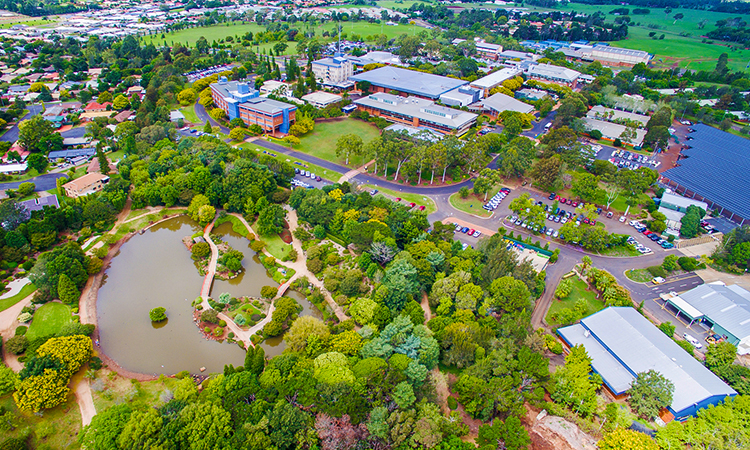
The University of Southern Queensland, also in Toowoomba, provides online courses and residential colleges, and the city is a popular place for summer schools and conferences, drawing participants from many areas, cultures and climates.
I recently heard a story that says a lot about regional Queensland.
There was a woman from a cattle property at Morven, the small town between Mitchell and Charleville, 530kms west of Toowoomba along the Warrego Highway. At the time the country was in a severe drought. There had been no rain for many months.
Enrolled in an online course through UniSQ, this woman travelled to Toowoomba for a live-in seminar. It was school vacation time, and she was accommodated in the male boarding house at Downlands College.
She was woken up in the night to the sound of running water.
“It’s raining!” she thought with delight.
It wasn’t until morning that she realised that her room was next to the boys’ bathroom, and the rain she’d heard was actually the sound of the urinals running all night.
This old Queensland city of country people, conventional streetscapes and temperate climate parks has also been designated one of Australia’s many Refugee Welcome Zones. Local and federal government, volunteers and refugee leaders have supported thousands of new arrivals here, from South Sudan, Sudan and the Democratic Republic of Congo as well as Yazidi refugees from Iraq and Syria. The TAFE provides English language classes, and local organisations support these people dislocated from their homelands as they work at integrating into Australian society.
Recently we took a drive up to Toowoomba. The weather was bracing and sunny as we walked through Queen’s Park and admired the flourishing seedlings in the Botanic Gardens, timed for maximum flowering for the Festival in September.
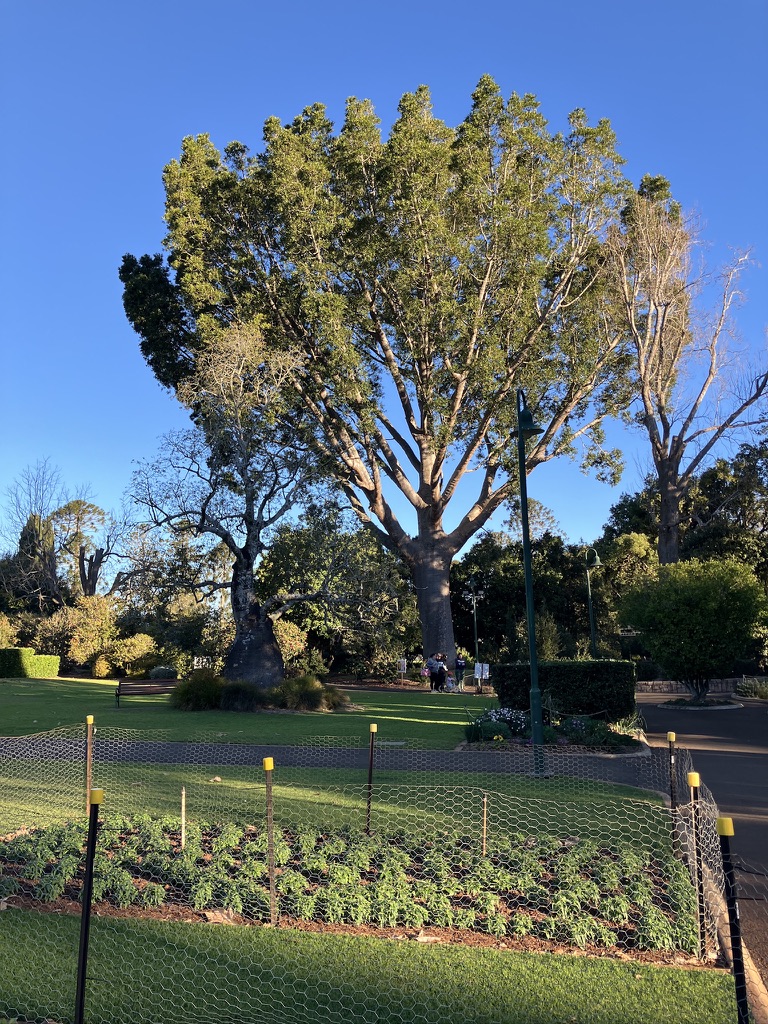
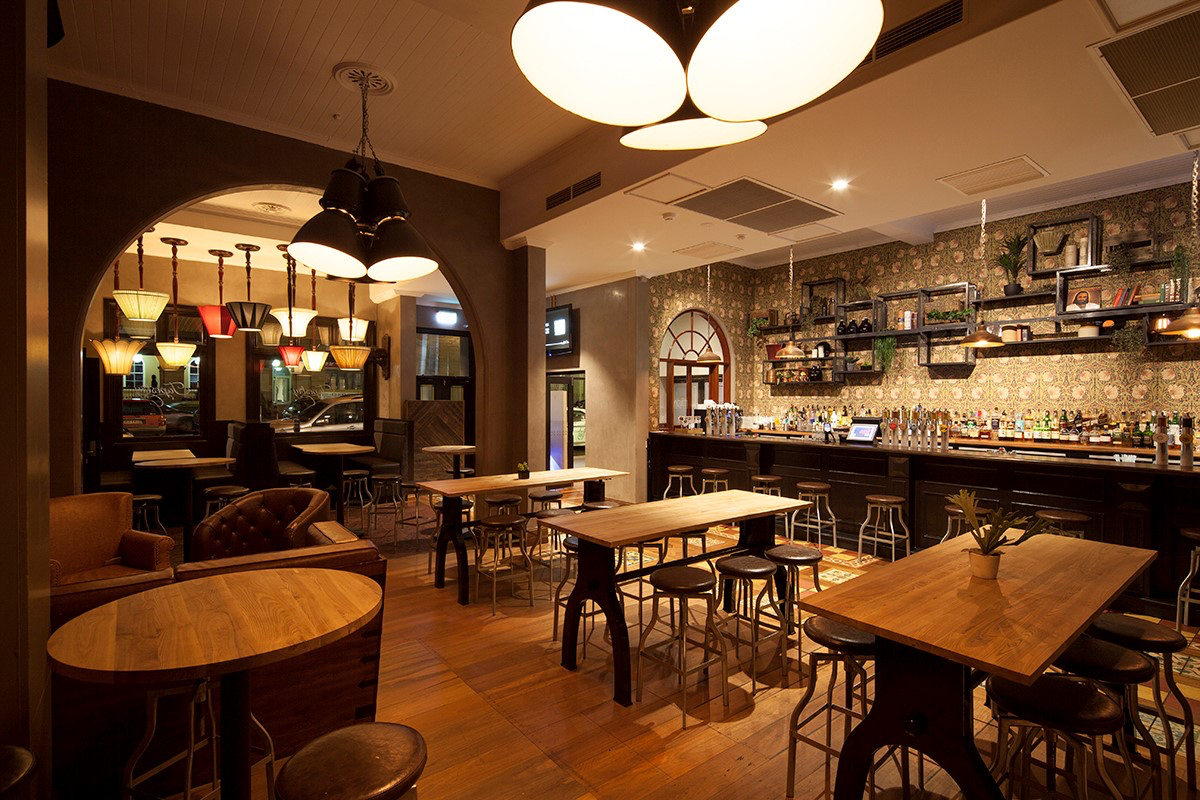
We marvelled again at the old bunya pines and hoop pines, and the mighty kauri towering above them all, then went to cosy and welcoming Fitzy’s Hotel for dinner.
We ate breakfast at the Picnic Point Café, where I was a little disappointed that they no longer sell cans of mountain air; admired the view down towards the coast, then drove to Boyce Gardens, where the daffodils are flowering beneath towering tallow wood trees.
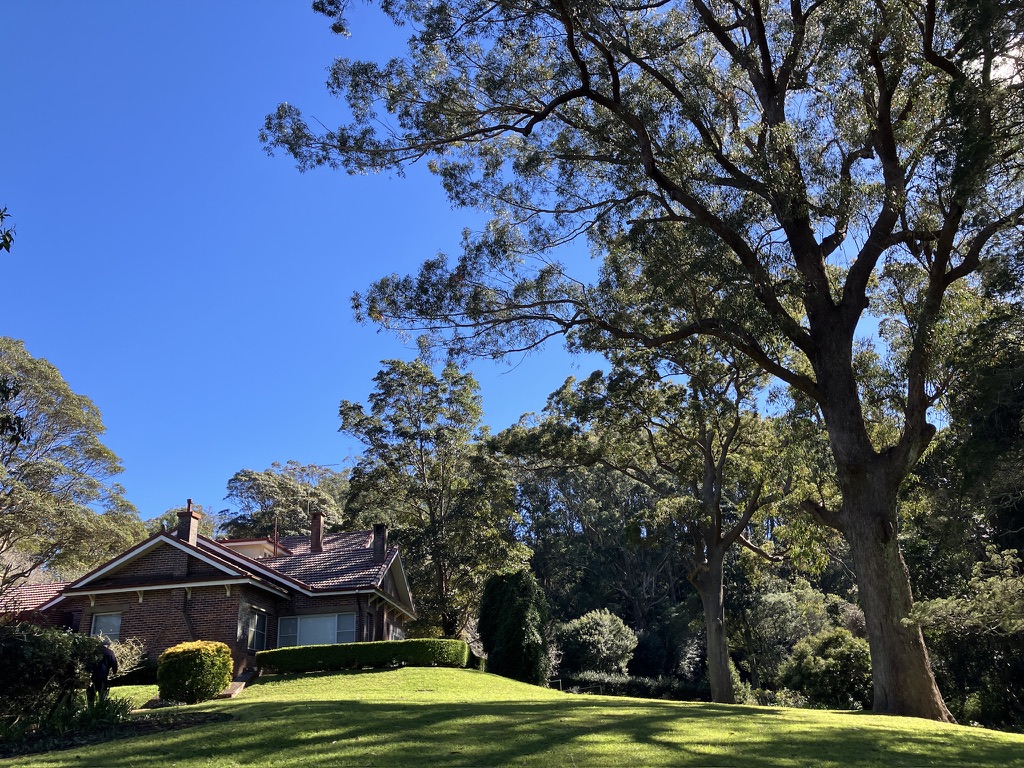
In the gully below, a rainforest is flourishing untouched, a rare remnant of the vegetation that once flourished in all the local gullies.
Not all of Toowoomba has native vegetation; and in some areas the non-native common myna bird dominates the streets and gardens: those destructive brown birds that lay their eggs in other birds’ nests.
The native birds are there too, though. Kookaburras, magpies, butcher birds, lorikeets and cockatoos can be heard in the tall eucalypts of Queen’s Park and the old tallow woods of Boyce Gardens; and whipbirds and bower birds in the forest gullies that sprawl down the range to the coastal plains.
With a population of just 113,000, Toowoomba doesn’t have all the facilities of a major city, but this is a beautiful part of Queensland, and it’s easy to understand why people come here: from the West, from the Coast, and from far, far away.