Floods

Floods.

I’ve written many stories about many parts of Queensland on this blog, and so many of them describe floods.

Maryborough, Ipswich, Rockhampton. https://roseobrienwriter.blog/2024/02/06/maryborough/

Townsville, Bundaberg, Ingham, Charleville. https://roseobrienwriter.blog/2021/07/24/road-trip-to-ingham/

The Brisbane, Bremer, Mary, Burdekin and Flinders Rivers. https://roseobrienwriter.blog/2020/12/12/syphoning-petrol/

The Gulf Country, the Horror Stretch and the Cassowary Coast. https://roseobrienwriter.blog/2018/11/08/horror-stretch/

These are places I know well, and I feel for the people who live and work there; especially in the north. People wading through the ruins of their flood-damaged homes; cane, banana and beef farmers coping with the ruination of their hard-won livelihoods.

I remember the cattle farmers of the Flinders River catchment who, during the 2019 floods waited helplessly for the waters to go down as helicopters brought back images of mobs of cattle, including precious breeding herds and cows with calves, dead of cold and hunger, crowded against fences and on small patches of higher ground. It is estimated that 500,000 head of stock died in that flood.

And now floods have happened again – are still happening – in tropical Queensland. The State premier, an Ingham native, holds a press conference describing the community’s sorry situation: highway cut both north and south, houses flooded, no electricity, a breakdown in the water supply, supermarkets empty, and two lives lost. Further north, in and around Cardwell, houses flooded that have never been flooded before.

The Herbert River catchment of 9000 square kilometres has its headwaters in the Great Dividing Range near Herberton, and it collects a lot of tropical rain before it makes its way down to the flat canefields around Ingham. The Cardwell Range is steep and high and close to the town, so the catchment there is not nearly as big. But what is going to happen, when almost two metres of rain falls in three days?

The Burdekin River catchment of over 130,000 square kilometres is the size of England and stretches from north of Charters Towers and Greenvale to south of Alpha. Charters Towers has been flooding all week, and that water is heading for Ayr and Home Hill on the coast.
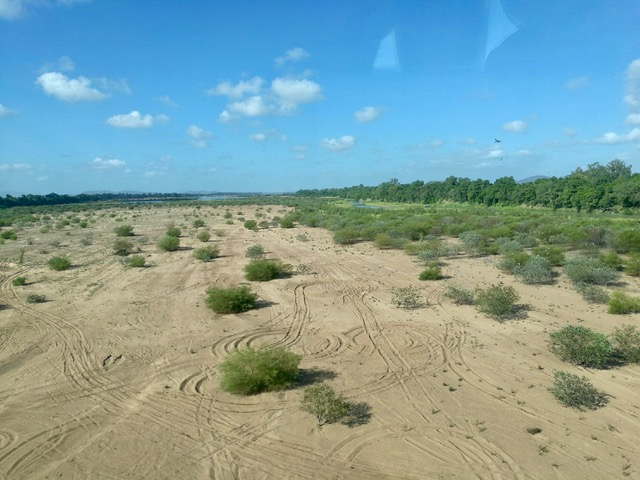
Burdekin River at Home Hill in the dry season, looking upstream from the Bridge
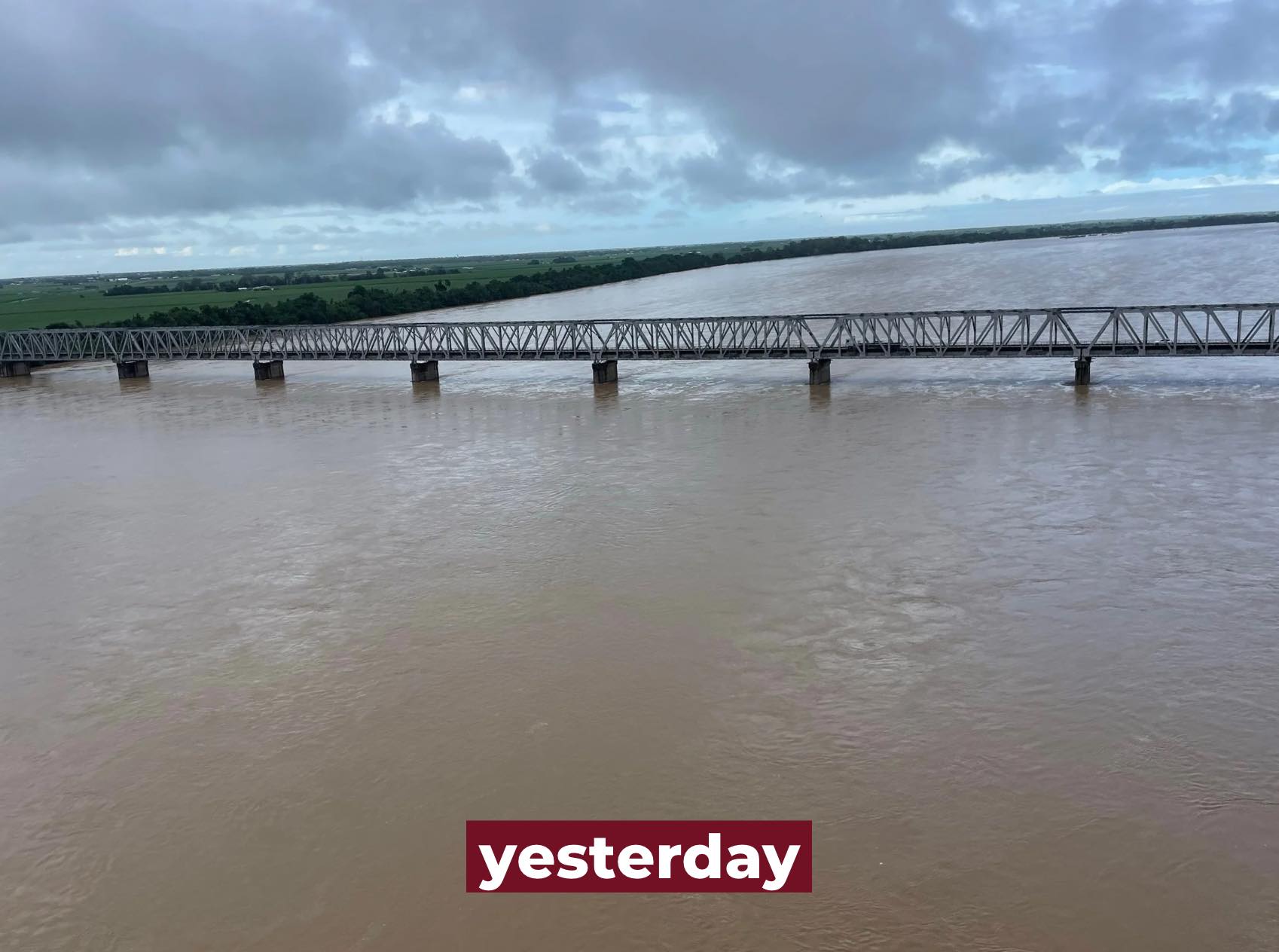
Burdekin River at Home Hill this week Dale Last, Member for Burdekin. Facebook

Sugarcane can be laid low by a flood, and recover, if the water doesn’t lie there too long. On the rich flood plains around Ingham, water has been lying for days, and still it rains.

An agriculturist, an expert in banana growing, told me that in the case of a cyclone, if a farmer lops the plants back they will survive and regrow. How would you go about that? It would take days, and a huge amount of work, and even with excellent modern forecasting, satellites and radar, cyclones are unpredictable. They can veer south or north or move back out to sea.

More heavy rain is forecast across North Queensland. The water will run to the coastal towns and farms and also to the vast plains of the inland, where rivers like the Flinders will break their banks and spread across the land, cutting the few sealed roads and the one railway line that runs east-west across the State.

In Queensland, rich in resources though it is – agriculture and mining in particular – we don’t have many people. The US state of Texas, iconic to Americans for its size, has an area of 697,000 square kilometres, compared to Queensland’s over 1,700,000 square kilometres. However, Texas has a population over five times the size of Queensland’s. That makes a huge difference when it comes to tax base and industry. It seems we don’t have the population, or the votes, to create better, more resilient transport infrastructure.

We also have a more extreme climate than Texas, especially when it comes to floods. Tornados are deadly, but they move quickly across the land. Rain depressions hang around.

Queensland has only one highway and one railway going along the coast, and because of shortage of population and extremes of climate, there are almost no entirely sealed roads west of the ranges linking north and south.

During this month’s major flood event in North Queensland, the one main railway line was soon cut in several places. https://www.railexpress.com.au/rail-bridges-submerged-as-floods-batter-north-queensland/

When the Bruce Highway bridge at Ollera Creek was washed away over the weekend, north of Townsville, Far North Queensland was cut off from the world except by air and sea.
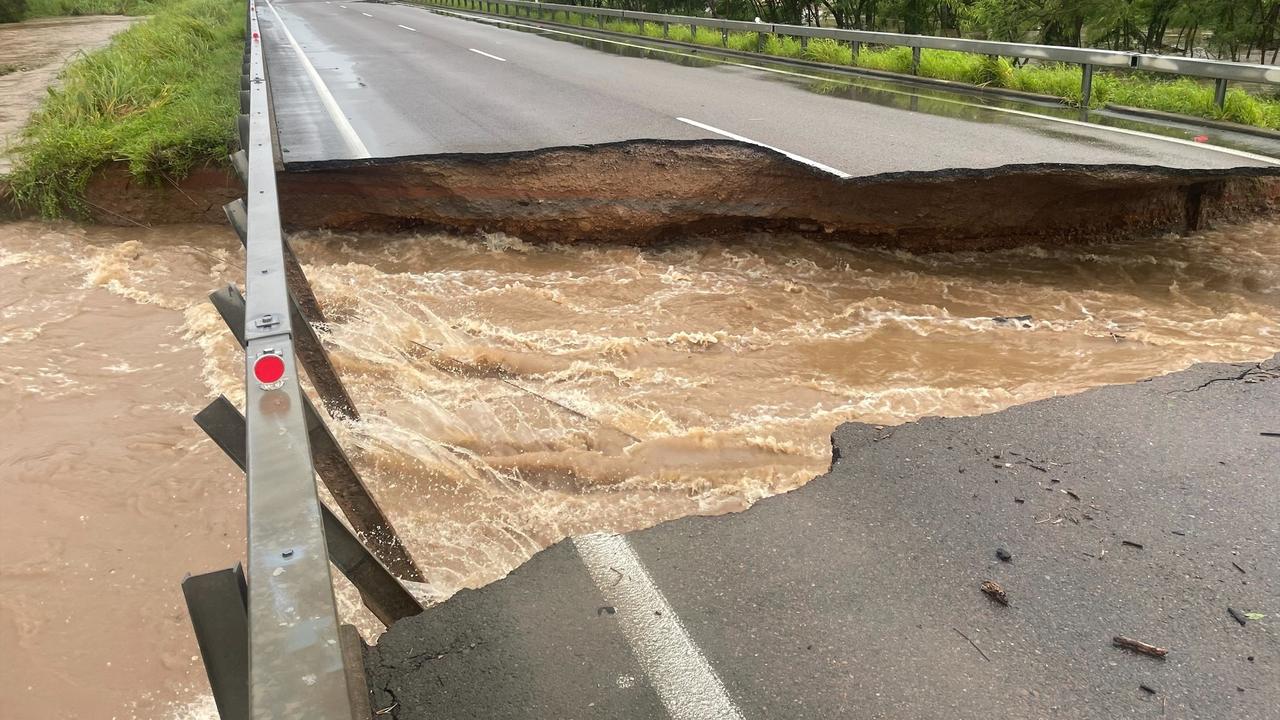
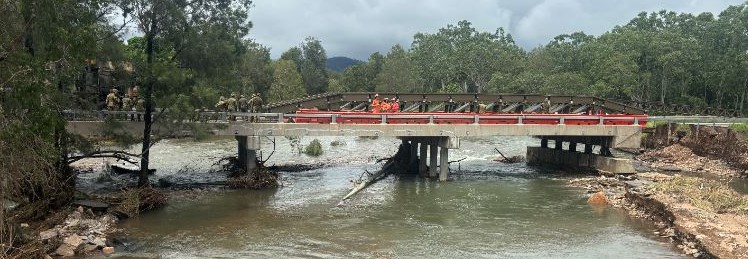
Ellora Creek bridge washed away Townsville Bulletin
Ellora Creek bridge , as repaired by the army for emergency vehicles mypolice.qld.gov.au

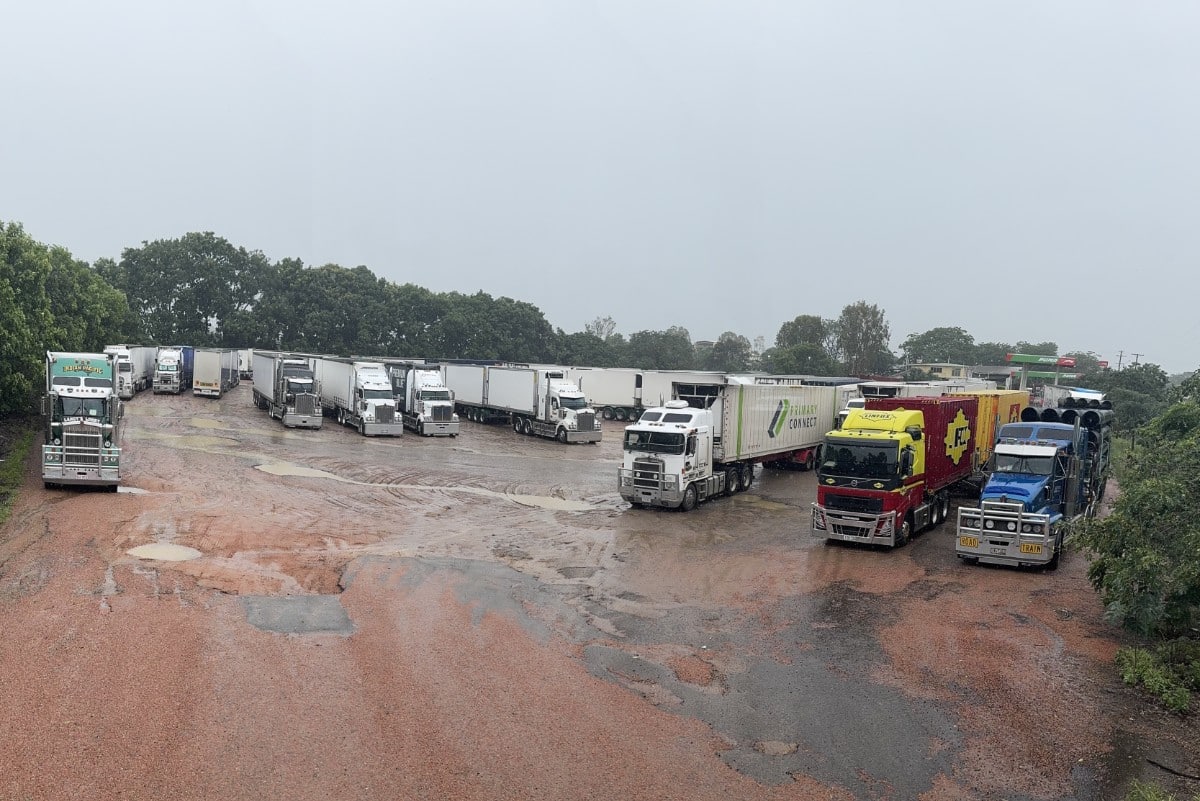
Trucks carrying supplies to the Far North and people trying to return home faced an extra 1200 kilometres’ journey, travelling by western Queensland sealed roads, to reach Cairns. And these roads are under threat of closure at any time. Many are stranded. https://qldtraffic.qld.gov.au/
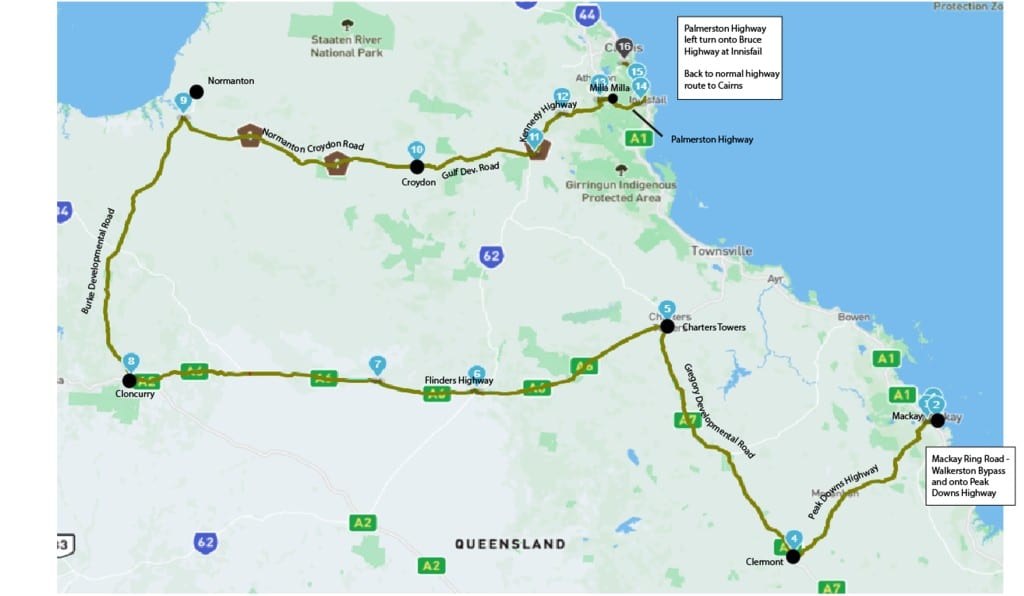
Alternative route to flooded Far North Queensland Transport and Main Roads Department, bigrigs.com.au
Stranded truckies parked up at the Puma Roadhouse in Charters (Towers) Image: Deano Hutch bigrigs.com.au

If the continuing flood rain results in damage to the railway and highway linking Townsville and Mount Isa, as happens all too often, transport and supply of essential goods may be affected for weeks.

For all sorts of reasons, including strategic concerns, the continuing and increasing vulnerability of Queensland’s transport routes is a major threat to our way of life and security.

People who live and work in the north and west of the State feel bitter that regions that produce so much of Queensland’s wealth continue to be so vulnerable to the weather. And as climate change deepens, it will only get worse.

It’s a worry.

In the southern states and Canberra, people have always regarded Queensland with a kind of affection as a weird, distant place, a place of extreme weather, crocodiles, bogans and dodgy politicians. Greater Brisbane makes up half the population of the State, and a lot of Brisbane people seem to be largely ignorant of regional areas. To them, north means Noosa, and west means Toowoomba.

So where is the will to sink vast sums into flood-proofing North Queensland for the future? Bipartisanship in politics would be a start.
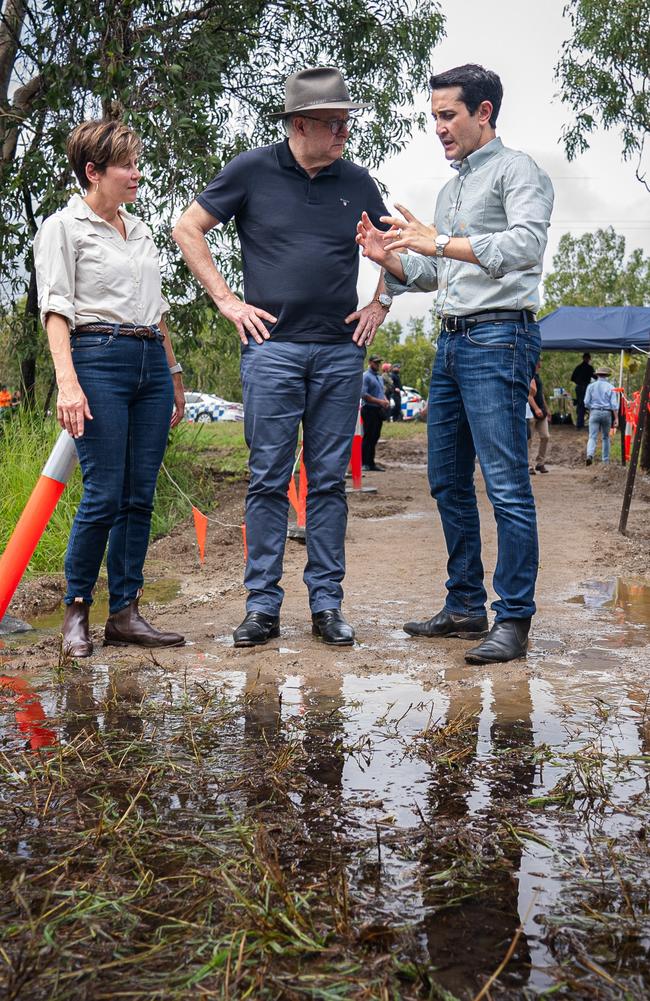
It’s a start. Federal Labor Senator Jenny MacAllister, Labor Prime Minister Anthony Albanese, and LNP Premier of Queensland David Crisafulli, taling about recovery in FNQ theaustralian.com.au

I’m tired of writing about floods.

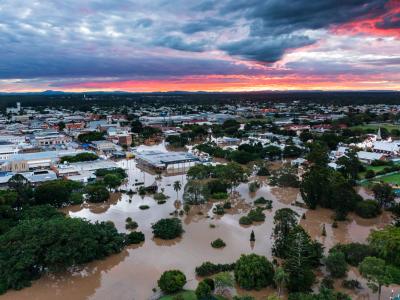
Main picture: Maryborough flooded at Sunset. 2022 Qld Reconstruction Authority

Syphoning Petrol

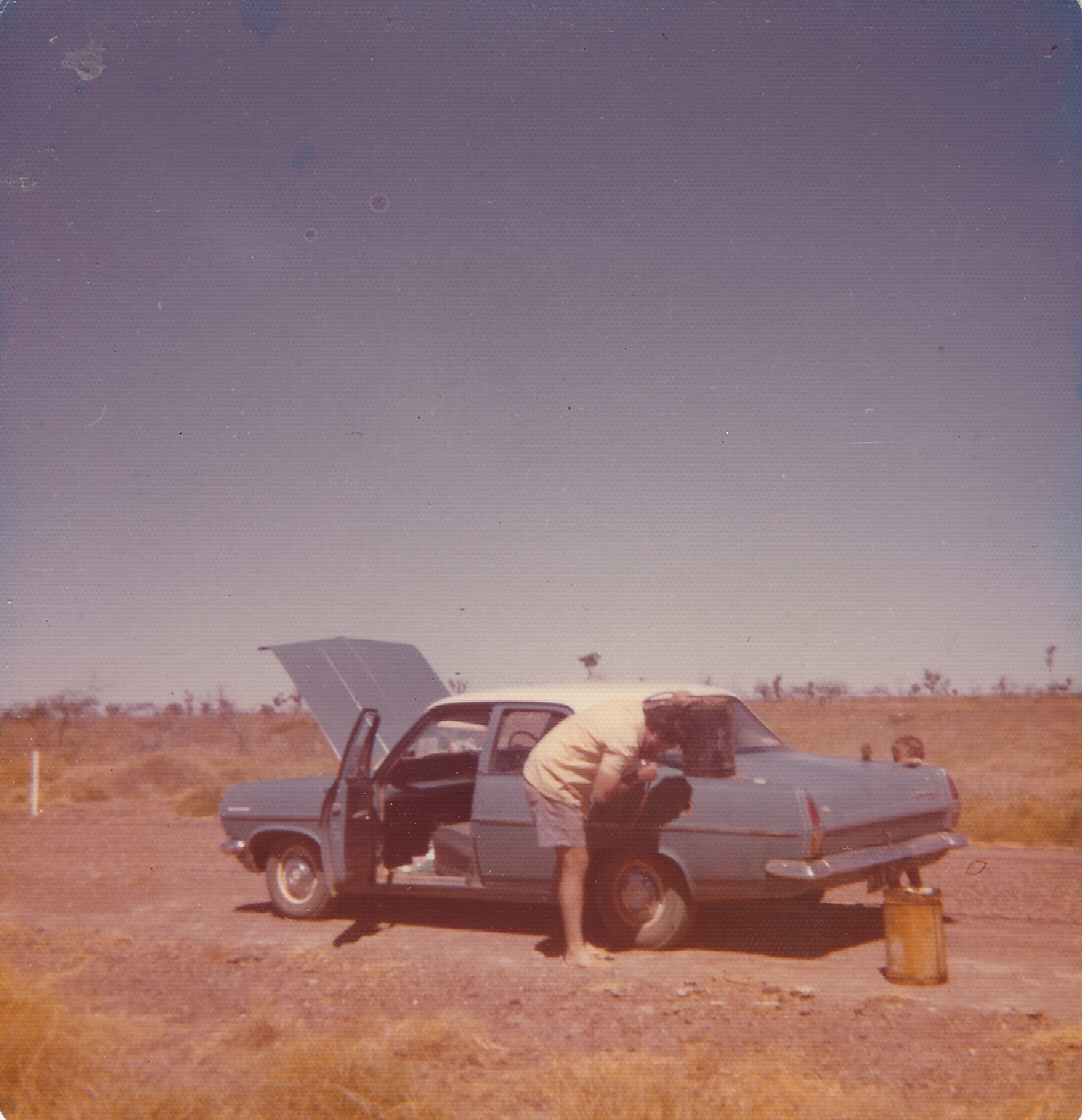
I stood by the side of the road, watching Con as he sucked petrol through a plastic tube. He’d done it before, so he knew when the moment came to stop sucking and put his thumb over the end of the tube to stop any air from getting in, then quickly push the tube into the car’s petrol tank.

He was syphoning from a five-gallon petrol can balanced on the boot of the car, with another one in reserve.

When he was fifteen, Con’s older brother Jim had taught told him how to go about it, in their father’s Shell depot in Innisfail.

“You have to judge it just right. If it doesn’t work the first time and you have to do it again, you’ll end up with a mouthful of petrol.”

He did end up with a mouthful of petrol, the first time he tried it. Jim took him next door to the “Goondi Hill” and bought him a beer.

“That’s only one thing that’ll get rid of the taste of petrol. Beer. Get into it.”

The petrol tank of our second-hand Holden sedan didn’t hold enough to get us the 476 kilometres from Burketown to Julia Creek. We’d drive south from Burketown on the gravel road and take a left-hand turn at Augustus Downs, past Talawanta Station, to meet the bitumen at Donor’s Hill, on the Normanton road. From there the road would take us southeast to Julia Creek. In all that distance there was no roadhouse or petrol station: just a few tracks disappearing off into the bush to cattle stations.

Flat country, long distances

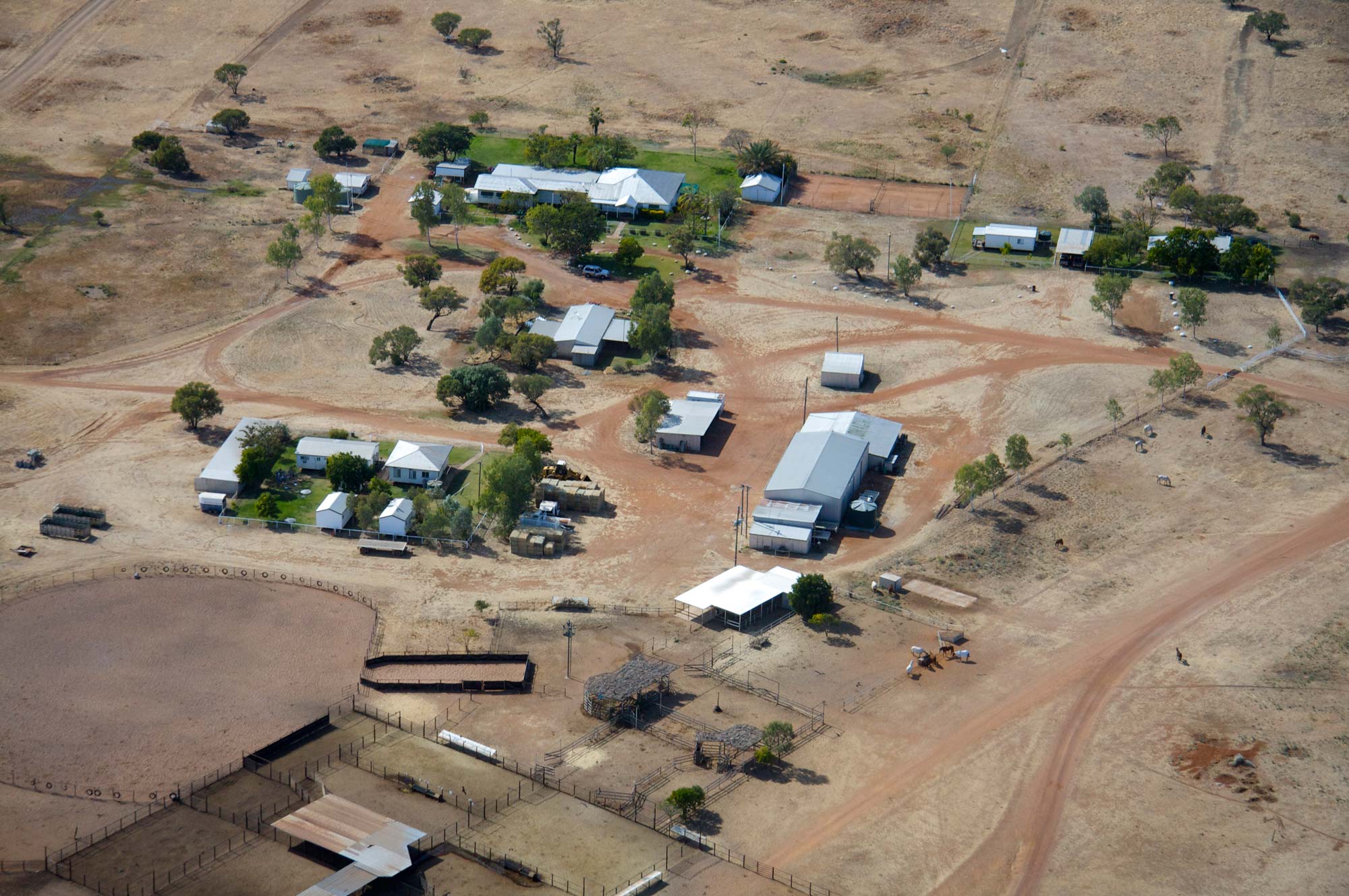
Gulf of Carpentaria cattle stations are vast places, famous in the north west: Armraynald, Floraville, Augustus Downs, Talawanta, Donor’s Hill. It’s these stations, often over a thousand square kilometres in area, that appear on the road map, rather than towns or localities. The stations are small towns in themselves, with the big homestead, staff accommodation, stores, sheds, workshops, yards, trucks and machinery and an airstrip with the inevitable windsock flying. On the roof of the largest shed, the name of the station is painted in large block letters to guide the Flying Doctor and the other planes and helicopters that are so vital to life out here.

Armraynald Station homestead and outbuildings from the air paraway.com.au

Sometimes the planes buzz the homestead to let the staff know that they need to drive out and chase cattle off the landing strip.

In our day, Lawn Hill station, further west, kept a full-time pilot, with his own cottage. To locals, this is nothing unusual; but to outsiders like us, extraordinary.

The people in the Gulf were generous with their assistance and their time when we came to grief on these rough and isolated roads. We were twice rescued by local passers-by. Once, it happened on the road north of Julia Creek. Con had been given a ride down from Burketown at the end of the wet season to pick up our car, which we’d left in the Julia Creek school yard. On his way home, up the Normanton road, the car stopped and refused to start again.

Luckily, along came a couple of blokes, father and son, who towed the Holden to their fencing camp, off the road in the bush.

“Where are you heading, mate?” asked the father.

“Burketown”, said Con.

“Well, you’d better camp out here with us,” said the father. “We’ll cook you a couple of steaks over the fire.”

“Well, I wouldn’t mind a trip to Burketown,” said the son. “We’ll drive you home, have a few drinks at the pub and spend the night there.”

They covered our car with leafy branches to keep it out of sight and drove Con home: almost two hundred kilometres. A few days later, the local mechanic drove out in his truck to collect the car and bring it to Burketown for repair.

The following year, when on the way east after the Wet season, we got bogged at the Talawanta waterhole, west of Donor’s Hill Station. We tried to dig ourselves out of the mud, but couldn’t manage it. We needed help. With two little kids in the car, we had no choice but to wait for someone to come along.

After an hour or so, a couple of stockmen appeared in a Holden ute, avoiding the bog, and they tried to tow us out. The tow rope broke. They offered to drive Con the thirty-odd kilometres to Donor’s Hill to get help. It was late in the afternoon, and watching them disappear down the dusty road, I realised the kids and I might be in for a long, lonely wait.

A few metres off the road, in the edge of the bush, I swept a patch of earth clear of leaf litter and branches and spread out a blanket for little Matt and Lizzie to play on. I gave them some toys from the car and something to eat. In the far west, no one travels without water and basic food supplies. Before dark fell, I lit a fire and put a billy on for tea.

It was fun, setting up that little camp, soon with no light but for a torch and the firelight. Eventually, headlights appeared to the West, and a Toyota, seeing our bogged car and the light of the campfire, pulled up. Two men got out, and I watched a little nervously as they approached.

I’d met one of them in Burketown – the representative of a Stock and Station agency. I told them I’d be okay by myself until Con came back with help, but they stayed to keep me company. They had some prawns, and a cold carton of VB beer, so we had a little picnic together, and I was grateful.

Con, meanwhile, had been dropped off at Donor’s Hill, and waited for the manager to come in from working with the cattle. The manager wanted his dinner, but instead he and his wife, people we’d never met and certainly had no claim on, brought Con back in their 4WD to pull us out of the bog.

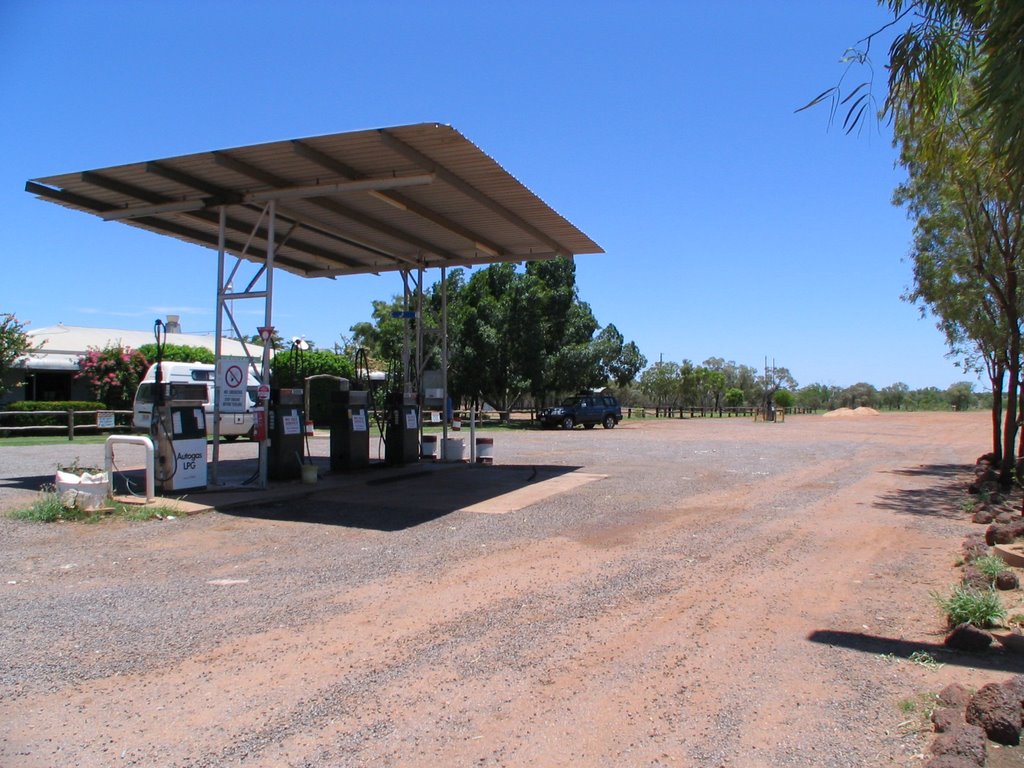
This happened years ago. These days, the road from Burketown to Julia Creek and Cloncurry is more direct, going south past Nardoo and missing Donors’ Hill. Halfway to Julia Creek, where the modern-day Wills Developmental Road crosses the Burke Developmental Road leading north to Normanton, you can buy petrol, and even a hot meal, at the Burke and Wills Roadhouse.

Burke and Wills Roadhouse mapio.net

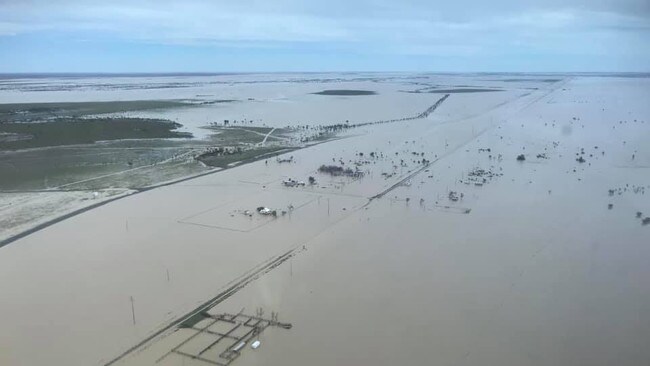
But life can still be brutal out here. Both Donor’s Hill Station and Burke and Wills Junction lie within the western section of the Flinders River catchment; and in January 2019, record rainfall caused the river to flood across its wide, flat plains. It rained for a week, and the cattle that didn’t drown had nowhere to go.

Flinders catchment floods, January 2019 news.com.au

Across that vast catchment, an estimated 500,000 cattle died of drowning, exposure and starvation, with station people unable to get out to save them. After the waters went down, the stink of rotting carcasses was appalling, flies and other insects swarmed, and the station people worked through it all in the heat, burying their animals in huge pits while grieving for prize herds.

Stranded cattle, Gulf Country floods, January 2019 abc.net.au

We lived in the Gulf for only three years, but we came away with an appreciation for the generosity and toughness of the people who live and work there that will never leave us.

 And if we lived there now, we wouldn’t attempt those muddy, post-wet-season roads in a Holden sedan. We’d drive a big, powerful, air-conditioned four-wheel drive.

Blog at WordPress.com.

Up ↑